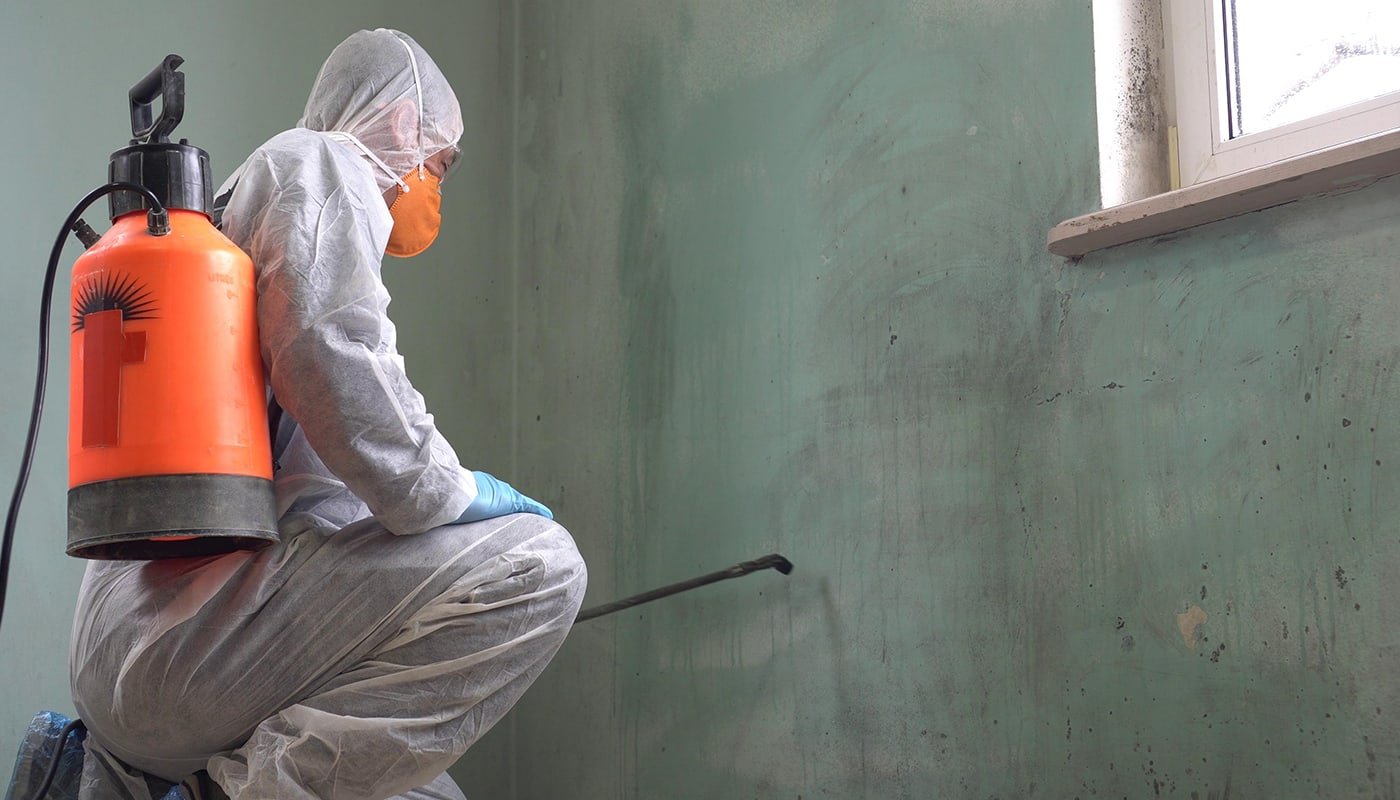
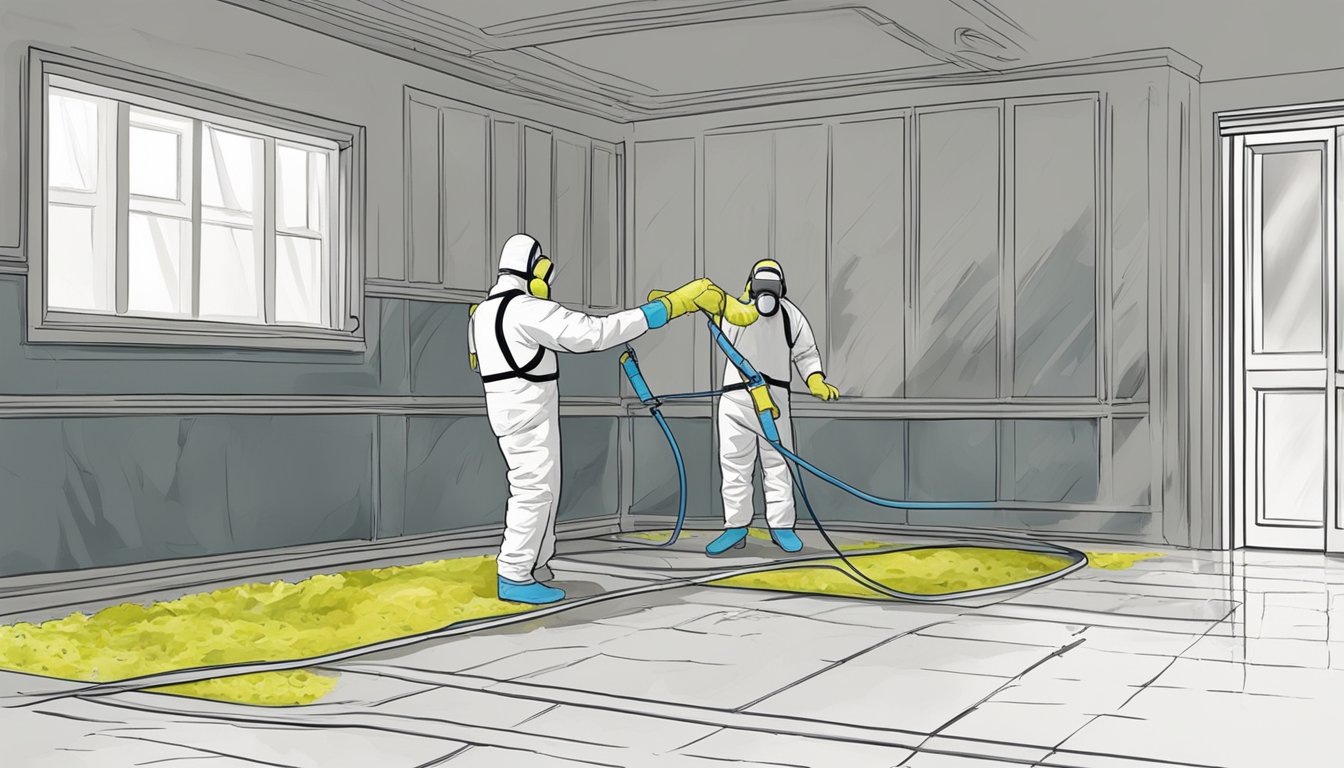
When fungal growth compromises a residential or commercial building, advanced mold remediation services in Dracut provide the specialized containment, air filtration, and structural decontamination required to restore indoor environmental safety. Standard cleaning techniques are insufficient for severe infestations, making professional intervention essential for mitigating health risks and preventing property damage.
Understanding the Scope of Mold Contamination in Dracut Properties
Dracut, Massachusetts, experiences a New England climate characterized by humid summers, heavy precipitation, and freezing winters. These seasonal shifts create ideal environmental conditions for mold development, particularly in older New England homes featuring fieldstone basements, uninsulated crawlspaces, and historic rooflines susceptible to ice dams. When excess moisture goes unaddressed due to plumbing leaks, foundation seepage, or roof failures, mold colonies can establish themselves on porous and semi-porous building materials within 24 to 48 hours.
Standard household cleaning products and consumer-grade bleach often fail to resolve significant mold issues. While bleach may temporarily lighten surface pigmentation on hard materials, it does not penetrate porous substrates like drywall, wood framing, or insulation where fungal hyphae root deeply. Furthermore, the high water content in liquid cleaning solutions can inadvertently fuel adjacent fungal growth.
Advanced mold remediation goes far beyond simple cleanup. It is a systematic, scientifically grounded protocol governed by industry standards such as the IICRC S520 (Standard for Professional Mold Remediation), established by the Institute of Inspection Cleaning and Restoration Certification. This methodology prioritizes safety, source elimination, structural preservation, and verifiable indoor air quality restoration.
The Core Phases of Advanced Mold Remediation
Professional mold remediation follows a rigorous sequence of engineering controls, physical removal, and verification steps. Understanding this workflow helps property owners evaluate service providers and anticipate what the restoration process entails.
- Initial Assessment & Moisture Mapping
- Containment & Negative Air
- HEPA Air Filtration & Scrubbing
- Removal, Cleaning & Antimicrobial Treatment
- Post-Remediation Verification
1. Comprehensive Assessment and Moisture Mapping
Before any physical remediation begins, technicians conduct a thorough inspection using advanced diagnostic tools. Moisture meters, thermal imaging infrared cameras, and hygrometers are deployed to identify hidden water intrusion paths, track moisture migration behind walls, and map the precise boundaries of the contamination. Without identifying and correcting the underlying moisture source, any remediation effort is bound to fail.
2. Containment and Negative Air Pressure
To prevent cross-contamination into unaffected areas of the home, technicians establish rigorous containment zones. Heavy-duty polyethylene sheeting is erected to seal off the work area, and critical barriers are secured with zipper walls and framing.
Industrial air scrubbers equipped with High-Efficiency Particulate Air (HEPA) filters are utilized to create negative air pressure within the containment zone. This ensures that air flows inward from clean areas into the work zone, capturing airborne spores, dust, and particulate matter before they can escape into living spaces or HVAC systems.
3. Safe Removal and Disposal of Infested Materials
Porous building materials that are heavily damaged or deeply penetrated by mold—such as insulation, heavily warped drywall, and rotting structural lumber—must be carefully bagged, sealed, and disposed of according to local and state environmental guidelines. Technicians minimize dust dispersion by misting materials with approved cleaning agents during removal.
4. Cleaning, Sanding, and Antimicrobial Treatment
For semi-porous and structural elements that can be saved, such as framing studs and subfloors, specialized cleaning techniques are applied. These include mechanical sanding or wire brushing to remove surface fungal growth, followed by treatment with EPA-registered antimicrobial, antifungal, and encapsulant coatings. These solutions neutralize remaining microbial life and provide a protective barrier against future colonization.
Comparing Remediation Tiers: Standard vs. Advanced Services
Property owners frequently question the necessity of investing in advanced remediation versus standard cleaning. The table below outlines the operational differences between basic household cleaning, standard mold cleanup, and advanced industrial remediation.
| Feature / Protocol | Standard Household Cleaning | Standard Mold Cleanup | Advanced Mold Remediation Services |
|---|---|---|---|
| Primary Goal | Surface aesthetics and visible dirt removal | Basic wiping of visible mold patches | Total containment, spore removal, and root eradication |
| Equipment Used | Sponges, household bleach, vinegar | Basic vacuums, fungicidal sprays | HEPA air scrubbers, negative air machines, thermal cameras |
| Containment Strategy | None | Minimal or localized plastic draping | Sealed containment zones, negative pressure systems |
| HVAC Protection | None | Vents left open or hand-wiped | Complete system shutdown, sealing, and HEPA duct cleaning |
| Verification Method | Visual check only | Visual check | Post-remediation clearance testing (spore traps / lab analysis) |
| Applicable Scale | Small surface spots under 10 square feet | Moderate localized patches (10–100 sq ft) | Large-scale, hidden, toxic, or structural infestations |
Health Implications and the Need for Professional Protection
Exposure to indoor mold can trigger a range of adverse health reactions, particularly among vulnerable populations such as infants, the elderly, individuals with compromised immune systems, and those suffering from asthma or chronic respiratory conditions. Common allergenic responses include nasal congestion, throat irritation, coughing, eye watering, and skin rashes.
Certain mold species, such as Stachybotrys chartarum (commonly referred to as "black mold"), can produce mycotoxins under specific environmental conditions. While physical contact with mycotoxins in a home environment rarely leads to acute toxicity, prolonged inhalation of high concentrations of spores and microbial volatile organic compounds (mVOCs) can lead to chronic respiratory issues and systemic fatigue.
Attempting to remediate large-scale mold contamination without proper personal protective equipment (PPE) and engineering controls poses significant health risks. Scrubbing or tearing down dry mold colonies releases millions of microscopic spores into the air, which occupants can inhale or spread throughout the structure. Advanced remediation technicians wear full-face respirators equipped with P100 filters, disposable full-body suits, and nitrile gloves to protect themselves while executing controlled extraction procedures.
Prevention Strategies for Dracut Homes
Mitigating the risk of future mold outbreaks requires proactive property maintenance, especially given regional weather patterns. Homeowners should implement the following preventive measures:
- Maintain Relative Humidity: Keep indoor humidity levels between 30% and 50% year-round by utilizing dehumidifiers in basements and crawlspaces, and running exhaust fans in kitchens and bathrooms.
- Inspect Plumbing Regularly: Check under sinks, around water heaters, and behind washing machines for subtle leaks or pipe condensation.
- Manage Roof and Drainage Systems: Ensure that gutters are cleared of debris, downspouts direct water at least six feet away from the foundation, and grading slopes away from basement walls.
- Ensure Proper Ventilation: Verify that clothes dryers exhaust directly to the exterior of the home and that attic spaces have unobstructed soffit and ridge vents to prevent condensation buildup on roof sheathing.
- Address Water Intrusion Immediately: If a pipe bursts, a roof leaks, or a basement floods, initiate water extraction and structural drying within 24 hours to inhibit fungal germination.
Frequently Asked Questions
How do I know if I need advanced mold remediation or basic cleaning?
If the total mold contamination covers an area less than 10 square feet, standard cleaning with appropriate safety precautions may suffice. However, if the contamination exceeds 10 square feet, results from hidden water leaks inside walls, affects the HVAC system, or involves toxic species, advanced remediation with containment and air scrubbing is necessary.
Will my homeowners insurance cover mold remediation in Dracut?
Homeowners insurance policies vary widely. Generally, standard policies cover mold remediation only if the mold is a direct result of a sudden, accidental covered peril, such as a burst pipe. Mold caused by long-term maintenance neglect, rising groundwater, or gradual seepage is typically excluded. Property owners should review their specific policy language and consult their insurance agent.
What is post-remediation verification (PRV)?
Post-remediation verification is an independent assessment conducted after remediation is complete to confirm that the indoor environment has returned to normal baseline conditions. This often involves indoor air quality testing and spore trap sampling performed by an independent industrial hygienist or indoor environmental professional.
Can mold grow back after professional remediation?
Mold can return if the underlying moisture problem is not permanently resolved. Advanced remediation removes existing colonies and sterilizes the area, but if a chronic leak, high humidity, or poor ventilation persists, new mold spores circulating in the air will eventually colonize the damp surfaces again.
Next Steps for Property Owners
If you suspect or have confirmed significant fungal growth in your property, immediate and measured action is vital. Begin by identifying and stopping any active sources of moisture. Avoid disturbing dry mold patches with household fans or uncontained vacuums, as this accelerates spore dispersal. Consult with certified, reputable mold remediation professionals in the Dracut area who adhere to national standards, utilize certified testing procedures, and provide transparent, itemized remediation scopes of work to secure your indoor environment safely.