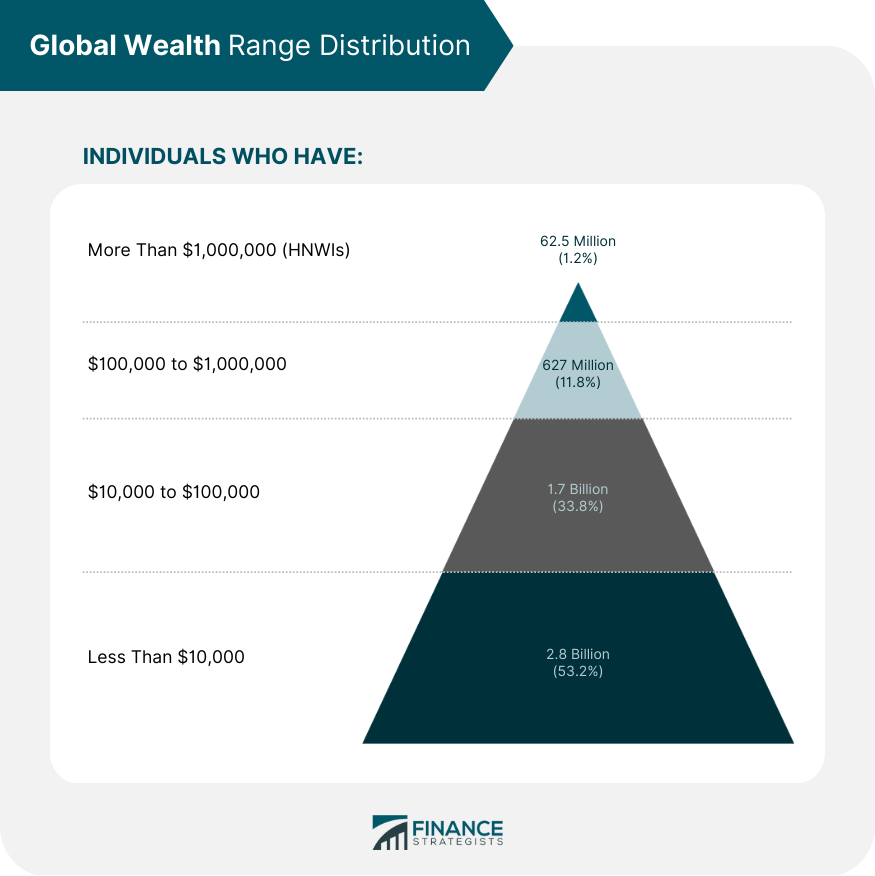
A high net worth client in the context of the SEC Form ADV refers to individuals or entities that meet specific regulatory thresholds for wealth, investable assets, or professional investment experience, allowing registered investment advisers to apply particular fee structures, exemption rules, and reporting standards.
The financial advisory industry operates under a complex framework of regulatory definitions, compliance mandates, and reporting standards. Chief among these regulatory mechanisms in the United States is Form ADV, the uniform form used by investment advisers to register with the Securities and Exchange Commission (SEC) and state securities authorities. Within the architecture of Form ADV, client categorizations play a pivotal role in shaping how investment advisers structure their businesses, calculate performance fees, disclose risks, and fulfill fiduciary duties.
Understanding how Form ADV defines and addresses different client types—specifically high net worth (HNW) clients—requires a deep dive into securities regulations, statutory thresholds, and operational definitions. This guide examines the mechanics of Form ADV client classifications, the specific thresholds that separate high net worth individuals from retail clients and qualified purchasers, and the operational implications for wealth management practices.
The Regulatory Framework of SEC Form ADV
Form ADV is the cornerstone of regulatory oversight for registered investment advisers (RIAs). Divided into multiple parts, the form provides regulators, institutional partners, and retail investors with critical transparency regarding an adviser's business practices, ownership structure, disciplinary history, and fee schedules. Part 1A collects quantitative data about the adviser’s business, while Part 2A serves as the narrative brochure detailing services, fees, conflicts of interest, and investment strategies.
Within Part 1A of Form ADV, Item 5 requires advisers to report detailed information about their clients, including the types of clients they serve and the percentage of assets under management (AUM) attributable to each category. Standard categories on Form ADV include individuals, high net worth individuals, banking or thrift institutions, investment companies, pension and profit-sharing plans, and charitable organizations.
Accurate classification is not merely an administrative exercise. It dictates compliance obligations under the Investment Advisers Act of 1940 and state-level blue sky laws. When an adviser designates a client as a "high net worth individual" on Form ADV, that designation triggers specific regulatory recognitions, particularly concerning performance-based compensation and sophisticated investment strategies.
Defining the "High Net Worth Individual" in Form ADV Contexts
Unlike everyday financial terminology, which often uses "high net worth" loosely to describe anyone with a comfortable income or moderate savings, securities regulations rely on precise quantitative and qualitative criteria.
According to the instructions for Form ADV Part 1A, a High Net Worth Individual is defined as an individual who, immediately after entering into the investment advisory contract with the adviser, has at least $1.1 million in assets managed by the investment adviser, or has a net worth of at least $2.2 million (either individually or jointly with a spouse).
This definition is closely aligned with the SEC’s definition of a "qualified client" under Rule 205-3 of the Investment Advisers Act of 1940, though important distinctions exist. The baseline thresholds are designed to separate standard retail investors from individuals possessing the financial sophistication and capacity to absorb potential investment losses without catastrophic impact.
Core Components of the Definition
- Adviser-Managed Assets: The $1.1 million threshold specifically measures assets managed directly by the reporting investment adviser.
- Net Worth Calculation: The $2.2 million threshold encompasses total net worth, calculated by subtracting total liabilities from total assets, but with a specific statutory exclusion for primary residences.
- Joint Ownership Rules: Spouses may combine their assets and net worth to meet the threshold, provided the account or advisory agreement reflects joint ownership or financial interdependence.
Key Thresholds: HNW vs. Retail vs. Qualified Purchasers
Navigating securities regulations requires a clear understanding of how high net worth thresholds intersect with other regulatory tiers. Regulatory bodies establish distinct financial rungs, each carrying different consumer protections and exemptions from standard restrictions.
| Client Classification | Primary Net Worth / Asset Threshold | Key Regulatory Implication | Form ADV Context |
|---|---|---|---|
| Standard Retail Client | Below HNW thresholds | Maximum retail protections, strict disclosure rules, limitations on complex products. | Reported in Item 5 as standard individuals. |
| High Net Worth Individual | $1.1M+ managed assets OR $2.2M+ net worth (excluding primary residence) | Enables performance-based fee arrangements under specific rules; subject to specialized reporting. | Explicitly broken out in Form ADV Part 1A, Item 5. |
| Qualified Client | $1.1M+ managed assets OR $2.2M+ net worth, OR qualified purchaser status | Permits advisers to charge performance fees (incentive fees) under Rule 205-3. | Overlaps heavily with Form ADV HNW definitions. |
| Qualified Purchaser | $5M+ in investments (individuals) / $25M+ (institutions) | Exempts private funds from certain registration limits under the Investment Company Act of 1940. | Referenced in Form ADV Part 1A for private fund reporting. |
The Exclusion of the Primary Residence
A critical detail in calculating the $2.2 million net worth threshold for high net worth and qualified client status is the treatment of primary residences. Under SEC regulations amended by the Dodd-Frank Act, the value of a person's primary residence must be excluded from the net worth calculation. Furthermore, any debt secured by the primary residence (up to the fair market value of the home) is generally excluded as a liability, except that any mortgage debt incurred within 60 days of the calculation (other than due to the acquisition of the home) must be counted as a liability. This prevents individuals from artificially inflating their net worth by borrowing against real estate immediately prior to entering an advisory relationship.
Operational and Fiduciary Implications for RIAs
The classification of clients as high net worth on Form ADV carries significant operational and legal consequences for Registered Investment Advisers.
Performance-Based Fees
As a general rule under the Investment Advisers Act of 1940, investment advisers are prohibited from charging performance-based fees (such as a percentage of capital gains). However, an exemption exists for clients who meet the high net worth and qualified client thresholds. Advisers can legally structure fee arrangements that reward them for generating positive investment returns, provided the client meets the financial criteria and receives comprehensive disclosures regarding the inherent conflicts of interest associated with performance fees.
Tailored Investment Strategies
High net worth clients often require sophisticated financial planning, alternative investments (such as private equity, hedge funds, and real estate syndications), and complex tax-mitigation strategies. Form ADV Part 2A requires advisers to detail whether they tailor their advisory services to the individual needs of high net worth clients or if they maintain a standardized strategy across all accounts. If an adviser limits its high net worth services to specific asset classes, these restrictions must be explicitly disclosed in the firm's brochure.
Enhanced Compliance and Documentation
Because high net worth clients frequently engage in estate planning, multi-generational wealth transfers, and concentrated stock position management, RIAs must maintain rigorous documentation. Regulators examine whether advisers have verified the financial status of high net worth clients, particularly when those clients participate in private placements or performance-fee structures that rely on asset or net worth verifications.
Frequently Asked Questions
What happens if a high net worth client’s net worth drops below the threshold after signing an agreement?
Once an advisory relationship is established, existing contracts are generally grandfathered. If a client's net worth or managed assets subsequently decline below the $1.1 million or $2.2 million thresholds due to market fluctuations, the adviser is not automatically required to terminate the relationship or alter existing fee structures for that account, provided the initial calculation was performed in good faith and in compliance with regulations at the inception of the contract.
Does the Form ADV definition of a high net worth client apply universally across all states?
While SEC-registered advisers follow federal definitions under the Investment Advisers Act, state-registered advisers must comply with state securities commissioner rules. Most states align closely with federal thresholds, but state-specific variations can occur regarding blue sky laws and local registration exemptions. Advisers operating across multiple jurisdictions must verify local administrative codes.
How do advisers verify a client's high net worth status?
To rely on exemptions tied to high net worth or qualified client status, RIAs typically require clients to complete a detailed financial representation questionnaire, provide certified net worth statements, or supply documentation from qualified professionals such as certified public accountants (CPAs) or attorneys who have verified the client's assets and liabilities.
Are family offices classified as high net worth clients on Form ADV?
Family offices often manage wealth for multiple generations of a single high net worth family. Depending on their structure and whether they meet the SEC's "family office" exclusion under the Investment Advisers Act, they may either register as an RIA and report specific client categories or operate entirely outside the scope of Form ADV requirements. When registered, family office clients are typically categorized among high net worth individuals or institutional entities depending on the legal vehicle used.
Conclusion and Next Actions
Accurately classifying clients under the SEC Form ADV framework is essential for maintaining regulatory compliance, managing fee structures legally, and tailoring sophisticated wealth management services. For investment advisers, maintaining rigorous verification processes ensures that high net worth designations withstand regulatory examination. For investors and wealth management professionals, understanding these precise financial thresholds clarifies eligibility for advanced investment vehicles, customized advisory mandates, and performance-based fee arrangements. Review current Form ADV Part 1A filings and verify that internal client onboarding questionnaires align with updated federal net worth calculation standards.