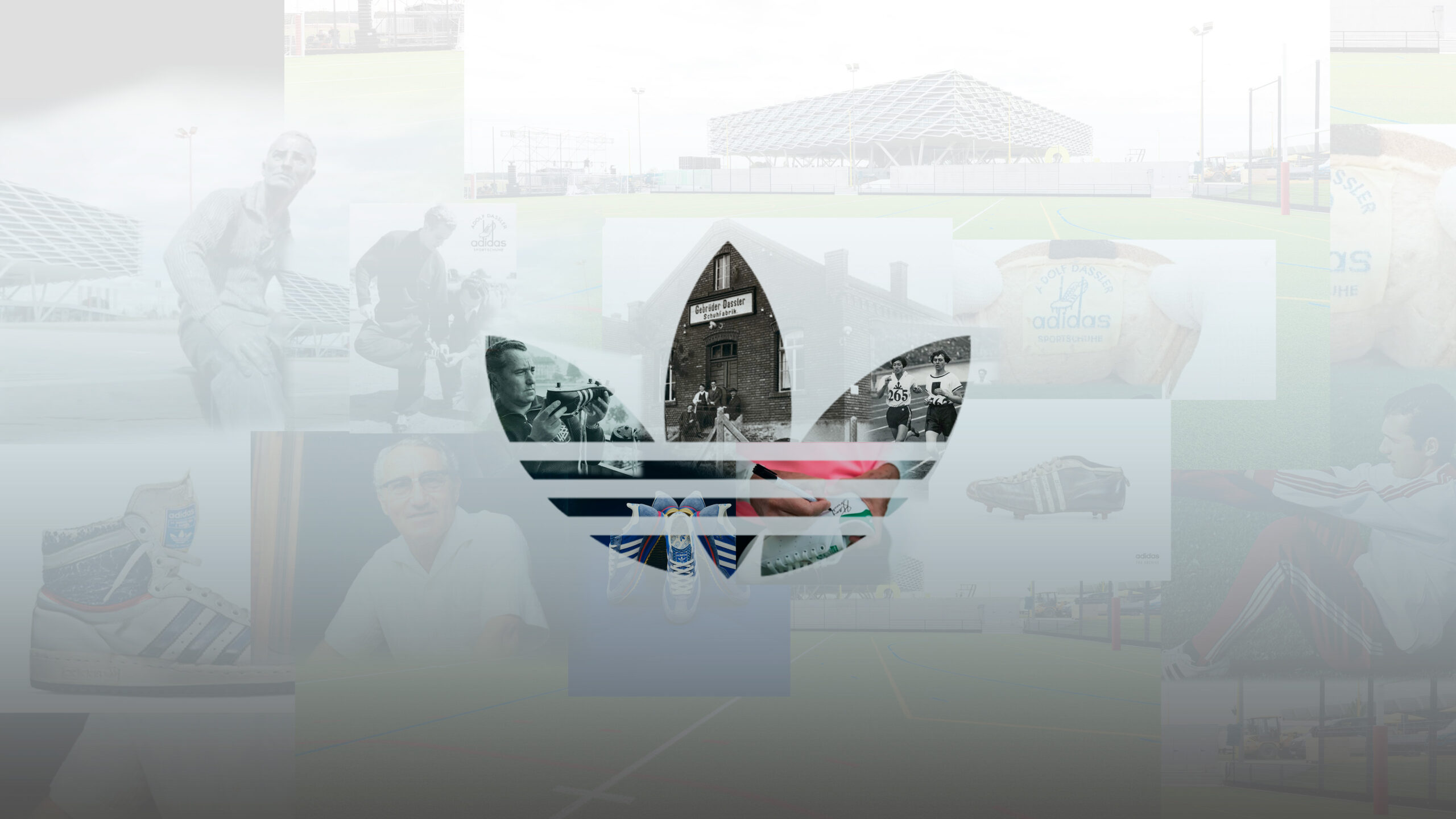
The transformation of Adidas from a small German workshop into a global powerhouse is a study in industrial resilience, innovation, and strategic branding. Rooted in the craftsmanship of Adi Dassler, the company evolved by mastering the technical requirements of elite athletes, integrating cutting-edge design with mass-market appeal, and successfully pivoting across the cultural shifts of the 20th and 21st centuries.
The Origins: Crafting Performance in Herzogenaurach
The history of Adidas is inseparable from the biography of its founder, Adolf "Adi" Dassler. In the 1920s, in the small town of Herzogenaurach, Germany, Adi Dassler began experimenting with footwear. His primary motivation was simple yet revolutionary for the era: providing athletes with equipment specifically engineered for their sporting needs.
Unlike the generic, heavy boots of the time, Dassler’s footwear focused on weight reduction and durability. His initial workshop, operated alongside his brother Rudolf, prioritized experimentation with materials, including leather, canvas, and rubber. This period was defined by the transition from handmade bespoke items to the first iterations of mass production. The 1936 Berlin Olympics served as a pivotal proof-of-concept moment when Dassler convinced American sprinter Jesse Owens to wear his spiked shoes—a move that effectively validated the performance benefits of his design on the world stage.
The Post-War Schism and the Birth of the Three Stripes
The professional and personal rift between Adi and his brother Rudolf in 1948 created one of the most famous rivalries in corporate history. While Rudolf founded Puma, Adi registered "Adi Dassler adidas Sportschuhfabrik" in 1949.
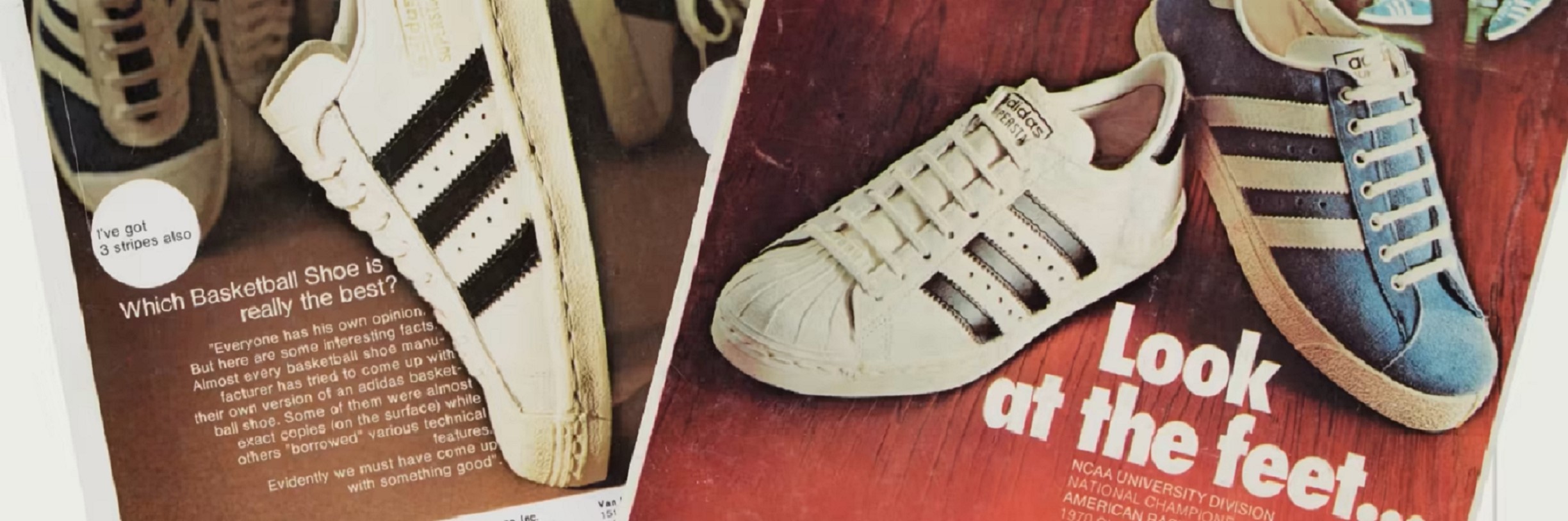
A critical aspect of the brand’s early success was the focus on branding and technical identity. The iconic "Three Stripes" were not originally a aesthetic choice; they were functional elements designed to provide additional structural support to the leather of the shoe. By adding these strips, Dassler ensured the foot stayed secure during lateral movements—a necessity for football and track athletes. This marriage of form and function became the cornerstone of the Adidas identity.
Technological Milestones and Market Expansion
Throughout the 1950s and 1960s, Adidas shifted its focus toward comprehensive athletic equipment. The 1954 FIFA World Cup in Switzerland marked a turning point for the brand. The German national team utilized Adi Dassler’s screw-in stud football boots, which allowed players to adjust their footwear based on changing weather and pitch conditions. This moment is often cited as the definitive leap from a niche footwear maker to a dominant athletic authority, as the victory of the German team brought the brand global visibility.
Key Technical Innovations in the 20th Century
| Innovation | Significance | Target Sport |
|---|---|---|
| Screw-in Studs (1954) | Enabled pitch-specific traction adjustment | Football |
| Nylon Track Spikes | Reduced weight significantly for sprinters | Track and Field |
| The Telstar Ball (1970) | Introduced the iconic 32-panel design for visibility | Football |
| Torsion System (1989) | Allowed midfoot integrity while enabling natural movement | Running |
The 1970s and 1980s saw Adidas transition into broader lifestyle segments. As sportswear became acceptable as casual attire, the brand leveraged its deep associations with iconic athletes—such as Muhammad Ali, Kareem Abdul-Jabbar, and Franz Beckenbauer—to secure its place in mainstream culture.
Scaling the Brand: Acquisitions and Global Diversification
By the 1990s, the athletic apparel industry faced intense competition from emerging rivals. To maintain market share, Adidas moved beyond internal R&D and toward strategic acquisition and partnership models.
The purchase of the French company Salomon in 1997 represented a bold, though eventually retracted, effort to move into the ski and outdoor market. While the move into high-end specialized equipment proved complex, the lesson learned was that Adidas maintained its greatest strength in "street-ready" performance gear.
The strategy shifted in the early 2000s toward deeper integration with contemporary culture. This included high-profile collaborations with designers like Yohji Yamamoto, which launched the Y-3 line, and later, partnerships with influential figures in entertainment. By 2026, Adidas has successfully balanced the "Sport Performance" line, which focuses on advanced bio-mechanics and athletic utility, with "Adidas Originals," which acts as a cultural repository for the brand’s heritage designs.
Balancing Performance and Sustainability
A major challenge for global brands in the 2020s is reconciling high-volume manufacturing with ecological responsibility. The modern Adidas strategy relies on a shift toward circularity. Programs that involve the use of recycled ocean plastics and the development of plant-based textiles reflect an effort to reduce the reliance on virgin polyester.
The requirements for a modern "global brand" in 2026 involve:
- Supply Chain Transparency: Ensuring labor standards are upheld in production facilities across Southeast Asia and beyond.
- Material Science: Researching synthetic alternatives that maintain the structural integrity required for elite sports.
- Digital Integration: Leveraging the "Confirmed" app and other digital touchpoints to manage inventory and provide direct-to-consumer experiences, reducing the reliance on third-party retailers.
Comparison of Business Pillars
| Business Unit | Primary Focus | Consumer Demographic |
|---|---|---|
| Performance | Innovation, speed, durability | Professional & amateur athletes |
| Originals | Heritage, lifestyle, fashion | Trend-conscious urban consumers |
| Terrex | Outdoor, weatherproofing, hiking | Adventure enthusiasts |
Frequently Asked Questions
What was the original purpose of the Adidas Three Stripes?
The three stripes were originally designed as a functional reinforcement system. By adding external strips of material to the shoe's midfoot, Adi Dassler was able to provide lateral support to the leather, preventing the foot from sliding inside the shoe during high-speed movements.
Why did Adidas separate from the company that became Puma?
The company was originally founded by brothers Adolf and Rudolf Dassler. Following deep-seated ideological and personal disagreements—often attributed to the pressures of running a business during the Second World War—the brothers split in 1948, leading to the creation of the two competing companies in the same town.
How does Adidas maintain its brand relevance in 2026?
Adidas maintains relevance by bifurcating its offerings: high-performance gear remains grounded in laboratory-tested mechanics, while the "Originals" division curates the brand's immense archives to influence modern streetwear fashion. This allows the brand to remain functional for elite athletes while staying culturally significant for the general public.
What is the significance of the 1954 "Miracle of Bern"?
The 1954 FIFA World Cup final, known as the Miracle of Bern, provided the brand with massive global publicity. Adi Dassler’s invention of boots with screw-in studs allowed the German team to switch to shorter studs when the field became muddy due to rain, providing superior traction compared to the opposition.
What is the role of collaborations in modern Adidas strategy?
Collaborations serve as a "cultural multiplier." By working with designers and celebrities, Adidas infuses its heritage silhouettes with new aesthetic languages, ensuring that decades-old designs remain attractive to younger demographics who prioritize personal expression over pure athletic performance.
Next Steps for the Consumer
To navigate the current Adidas ecosystem, consumers should define their primary need. If you are seeking performance footwear, research the specific technical requirements for your sport—such as the boost or lightstrike foam profiles—via official brand testing data. If you are interested in heritage products, utilize the official digital platforms to verify authenticity, as the resale market for classic models remains significant. Given the brand's pivot toward sustainability, check for "Made With Nature" labels or recycled material compositions on product tags to align purchases with personal environmental standards.