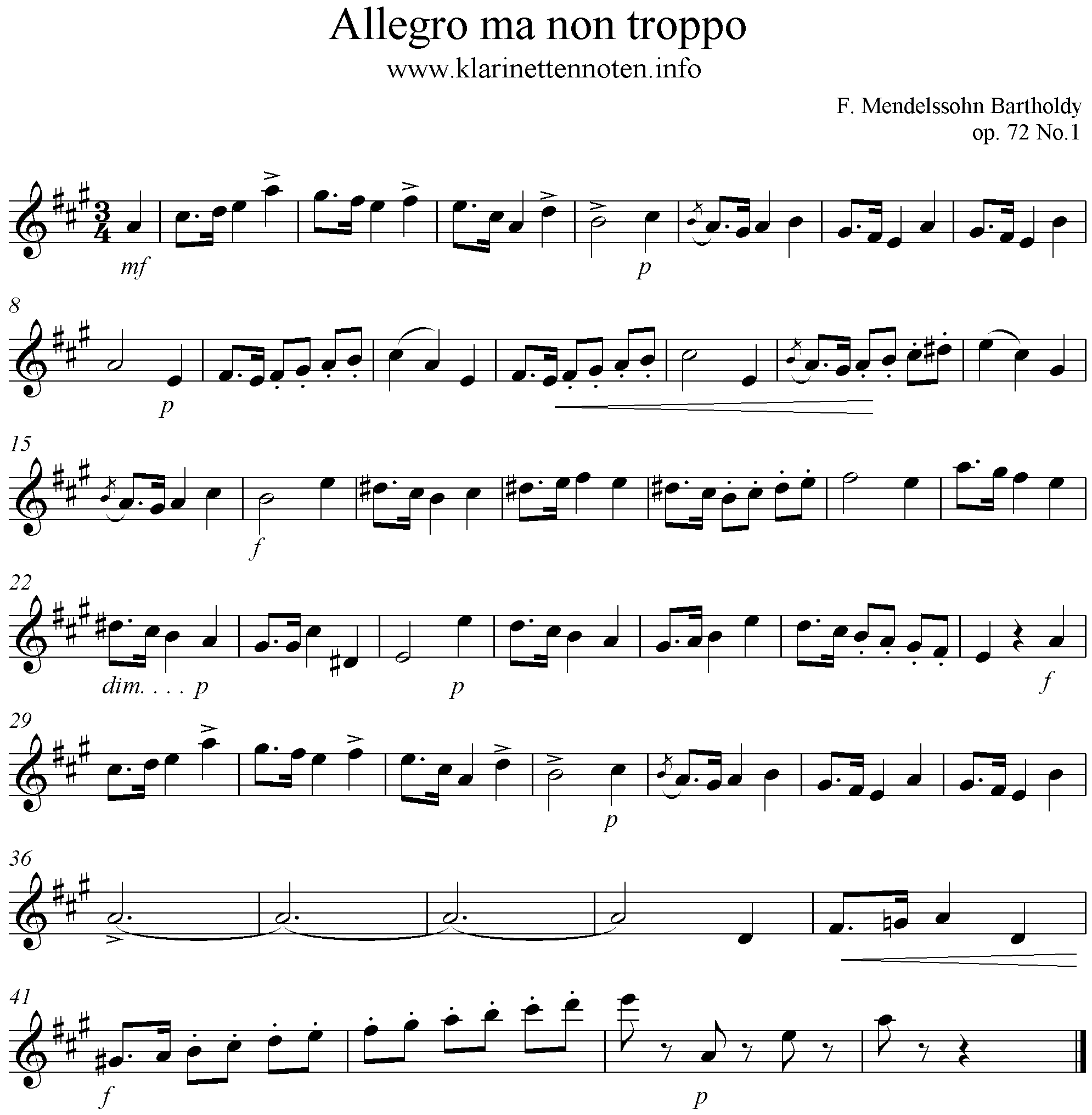
Adagio ma non troppo is an Italian musical tempo indication that translates directly to "slow, but not too much." It instructs performers to adopt a relaxed, leisurely tempo while maintaining enough forward momentum to prevent the music from dragging, losing rhythm, or becoming overly sluggish in sentiment.
Etymology and Literal Translation of the Italian Term
Understanding adagio ma non troppo requires breaking the Italian phrase down into its fundamental linguistic components as used in classical score notation:
- Adagio: Derived from the Italian phrase ad agio, meaning "at ease," "leisurely," or "comfortable." In music, it designates a slow tempo characterized by broad, lyrical phrasing and expressive depth.
- Ma: Conjunction meaning "but."
- Non: Negation particle meaning "not."
- Troppo: Adverb meaning "too much," "excessively," or "overly."
When combined, adagio ma non troppo functions as a practical modifier. Composers use it to set a slow baseline tempo (adagio) while explicitly warning the performer against dragging or taking the slow tempo to an extreme.
Italian became the universal language of musical notation during the Renaissance and Baroque periods, largely due to the prominence of Italian publishers, composers, and treatises across Europe. By the late 18th and early 19th centuries, composers like Ludwig van Beethoven and Johannes Brahms frequently added qualifying phrases such as ma non troppo, con moto (with motion), or molto (very) to express finer nuances of speed, mood, and structural pacing.
Tempo Ranges: Translating Adagio Ma Non Troppo to Beats Per Minute (BPM)
While tempo markings in classical music describe character and feeling rather than absolute physical speed, metronome markings offer a useful reference point. Johann Nepomuk Mälzel patented his mechanical metronome in 1815, allowing composers to assign specific Beats Per Minute (BPM) values to their Italian directives.
A traditional Adagio typically falls between 44 and 66 BPM, depending on the rhythmic structure and beat subdivision. When a composer adds ma non troppo, the practical tempo generally shifts upward into the range of 56 to 76 BPM.
- Lento / Largo (36–52 BPM)
- Adagio (44–66 BPM)
- Adagio ma non troppo (56–76 BPM)
- Andante (76–108 BPM)
- Allegro (120–156 BPM)
Contextual Factors Affecting BPM
A rigid BPM number cannot capture every performance setting. Musicians evaluate several contextual factors when determining the true tempo of an adagio ma non troppo movement:
- Meter and Time Signature: A movement written in 4/4 time marked adagio ma non troppo feels structurally different from one written in 3/4 or 12/8 time. In compound meters like 12/8, the performer may feel the dotted quarter note as the main pulse while subdivision occurs in eighth notes, influencing the perception of speed.
- Rhythmic Subdivision: If a passage consists predominantly of 32nd notes or complex embellishments, the primary beat pulse must remain sufficiently calm to allow those fast notes to remain clear and articulate.
- Acoustics and Orchestration: Performing in a large cathedral with a long acoustic reverberation time requires a slightly broader, more spaced delivery than performing in a dry studio or intimate chamber music hall.
- Period vs. Modern Instruments: Period-instrument ensembles (using gut strings, natural horns, and historic bow designs) often adopt slightly faster, more flowing adagio tempos than modern symphony orchestras due to instrument sustain profiles and articulation traits.
Comparing Adagio Ma Non Troppo to Related Tempo Markings
To contextualize adagio ma non troppo, it is helpful to compare it directly with adjacent Italian tempo directives used across orchestral, chamber, and solo instrumental literature.
| Tempo Marking | Literal Translation | Approximate BPM Range | Musical Character & Performance Effect |
|---|---|---|---|
| Adagio molto / Adagio sostenuto | Very slow / Sustained slow | 40–54 BPM | Extremely slow, broad, deeply solemn, with maximum air between structural beats. |
| Adagio | At ease; slow | 44–66 BPM | Broadly lyrical, stately, relaxed, expressive, with comfortable melodic breathing room. |
| Adagio ma non troppo | Slow, but not too much | 56–76 BPM | Lyrical and relaxed, but with clear forward movement; prevents heaviness or sagging. |
| Adagio con moto | Slow, with motion | 60–80 BPM | Expressive and calm, emphasizing linear momentum, phrase direction, and flowing lines. |
| Andante | Walking tempo | 76–108 BPM | Naturally moving, moderate pace; flowing and steady like an unhurried walking step. |
| Allegro ma non troppo | Fast, but not too much | 112–132 BPM | Energetic and lively, but restrained enough to preserve clarity and prevent rushing. |
| Lento ma non troppo | Slow, but not excessively | 50–68 BPM | Heavy and solemn baseline tempo, but kept moving to maintain structural cohesion. |
Musical Character, Phrasing, and Expressive Intent
Tempo markings in classical music govern more than speed; they dictate character, weight, physical gesture, and breathing space. When a composer writes adagio ma non troppo, they communicate a specific artistic balance between emotional depth and structural flow.
1. Maintaining the Lyrical Line (Cantabile)
The primary danger of a standard adagio tempo is line breakage. When a tempo is held too slow, sustained vocal or instrumental melodies lose their linear direction. Notes become isolated events rather than part of an overarching phrase. The qualifier ma non troppo serves as an explicit reminder to preserve the natural arc of the musical line, akin to a singer taking a single, natural breath across a long poetic line.
2. Preventing Rhythmic Stagnation
In late 18th- and 19th-century repertoire, heavy vibrato, expressive rubato (flexible timing), and dense harmonic textures can cause slow movements to lose their underlying meter. The directive ma non troppo warns the performer against indulging in excessive lengthening of downbeats or over-stretching cadences. The internal pulse must remain discernible to the listener.
3. The Balance of Harmonic Weight
Harmonic rhythm—the frequency with which chords change within a measure—plays a significant role in how slow a piece feels. In pieces with slow harmonic rhythm (where chords change once per measure), an adagio ma non troppo pace ensures the listener remains engaged across long static harmonies. In pieces with fast harmonic rhythm (where chords change on every beat), it prevents the movement from feeling overly dense or cluttered.
Notable Examples in Classical Masterworks
Composers across different eras have used adagio ma non troppo to define pivotal slow movements, concerto movements, and transitional passages.
Antonín Dvořák: Cello Concerto in B minor, Op. 104 – II. Adagio, ma non troppo
One of the most famous uses of this marking occurs in the second movement of Antonín Dvořák's Cello Concerto.
Movement II Structure:
- Section A: Adagio, ma non troppo (G major)
- Section B: Quasi impetuoso / Dramatic Central Episode
- Section A': Reprise & Cadential Coda
Dvořák chose Adagio, ma non troppo for this movement to balance deep nostalgia and tenderness with a flowing, song-like quality. Played too slowly, the solo cello’s opening theme risks sounding heavy and melancholic. At a moderate, flowing pace, the melody retains its folk-like simplicity and vocal intimacy. The ma non troppo boundary allows the soloist to navigate delicate woodwind dialogues without the beat coming to a complete halt.
Ludwig van Beethoven: Piano Sonata No. 31 in A-flat major, Op. 110
Beethoven frequently employed detailed qualifiers in his late works to direct the performer's interpretative choices. In the final movement of Piano Sonata Op. 110, Beethoven contrasts an expressive, recitative-like Adagio ma non troppo (Arioso dolente) with an intricate, highly structured fugue.
Here, the ma non troppo directive ensures that the weeping, mournful line of the Arioso dolente maintains its narrative flow. The underlying sixteenth-note accompaniment in the left hand forms a continuous pulse that propels the vocal-style melody into the subsequent fugal entrance.
Johannes Brahms: Sextet No. 1 in B-flat major, Op. 18 & Violin Concerto, Op. 77
Johannes Brahms was notoriously cautious about performance tempos. He often expressed skepticism toward mechanical metronome marks, preferring descriptive Italian directives that guided expression. Brahms used terms like ma non troppo, non troppo presto, and adagio non troppo throughout his chamber and orchestral scores to encourage natural phrasing, warm sonorities, and balanced rhythmic articulation.
Practical Guidance for Musicians and Conductors
Interpreting adagio ma non troppo during practice and performance requires combining score analysis with physical control. Below is a structured guide for approaching this tempo marking effectively.
- Step 1: Identify Beat Unit & Subdivision
- Determine whether pulse rests on quarter notes, eighth notes, or dotted values.
- Step 2: Establish the Base Adagio Tempo
- Set a comfortable slow tempo using a metronome (e.g., 50–54 BPM).
- Step 3: Apply the "Ma Non Troppo" Adjustment
- Nudge the tempo up by 10–15% until the melodic line flows without rushing.
- Step 4: Test Metric Stability vs. Rubato
- Ensure phrase endings settle naturally without letting the primary pulse sag.
1. Determining the Primary Pulse
Before setting a metronome, examine the smallest common rhythmic division in the score. If a movement contains extensive 32nd-note runs or complex ornamentation, set your pulse to allow those passage-work sections to sound unhurried while keeping the main theme moving smoothly.
2. Conducting Techniques for Adagio Ma Non Troppo
For conductors leading an orchestra or choir through an adagio ma non troppo movement:
- Avoid Subdividing Excessively: Conductors often fall into the trap of beating every subdivided eighth note in slow movements. This can cause musicians to play heavy, vertical beats. Instead, beat a clean, clear main pulse (e.g., in 4 or 2) with a fluid rebound to encourage horizontal string and wind phrasing.
- Keep the Ictus Soft: Use a gentle, controlled gesture (ictus) that defines the moment of the beat without stopping the baton's movement.
3. Avoiding Common Performance Pitfalls
- Pitfall A: Converting it into an Andante: Moving too far away from Adagio strips the music of its weight, breadth, and emotional seriousness. The goal is not to play fast, but to play slow without dragging.
- Pitfall B: Neglecting Harmonic Transitions: Modulations and harmonic changes require subtle flexibility. Maintain the overall tempo, but allow minor breath room during major structural transitions.
Historical Performance Practice vs. Modern Interpretations
Interpretations of adagio ma non troppo have evolved over time across different musical eras:
The Classical and Early Romantic Eras (c. 1750–1830)
During the time of Carl Philipp Emanuel Bach, Wolfgang Amadeus Mozart, and early Beethoven, tempo markings were closely tied to meter signatures and note values. An Adagio in 2/4 time had a lighter, more mobile feel than an Adagio in 4/4 or 3/2. Adding ma non troppo was an explicit directive to maintain Classical balance, restraint, and formal clarity.
The Late Romantic Era (c. 1850–1910)
In late 19th-century Romanticism, orchestras grew larger, instruments became louder, and performance spaces expanded. Interpretations of slow tempos became significantly broader and heavier. Conductors often ignored qualifiers like ma non troppo, interpreting Adagio as a license for extreme, expansive slowness.
Modern Historically Informed Performance (HIP)
The rise of the Historically Informed Performance (HIP) movement in the late 20th and early 21st centuries restored attention to composers' original tempo qualifiers. Modern scholars and performers emphasize historical treatises, period instruments, and metronome markings, resulting in more fluid, articulate adagio ma non troppo performances that align with late-18th- and 19th-century conventions.
Frequently Asked Questions
What is the exact translation of adagio ma non troppo?
Adagio ma non troppo translates directly from Italian to English as "slow, but not too much" or "slow, but not excessively so."
Is adagio ma non troppo faster or slower than a standard adagio?
Adagio ma non troppo is slightly faster than a standard adagio. The modifier ma non troppo instructs the musician not to make the tempo excessively slow, moving the speed closer to an Adagio con moto or a relaxed Andante.
What metronome marking (BPM) corresponds to adagio ma non troppo?
While metronome markings depend on context, meter, and era, adagio ma non troppo generally falls between 56 and 76 Beats Per Minute (BPM) for the primary beat pulse.
What does ma non troppo mean when added to other tempo markings?
Ma non troppo means "but not too much." When added to fast markings—such as Allegro ma non troppo ("fast, but not too much")—it warns the musician against rushing or taking an overly frantic pace. When added to slow markings, it warns against dragging.
How does adagio ma non troppo differ from andante?
An Adagio ma non troppo remains fundamentally an Adagio in its weight, depth, and expressive character, though it carries forward momentum. An Andante (literally "walking tempo") is a naturally moderate tempo (around 76–108 BPM) with a lighter, steady walking pulse.
Practical Takeaway for Performers and Listeners
When encountering adagio ma non troppo in a score or program note, remember its core purpose: balance. For performers, the goal is to deliver expressive warmth and lyrical depth without letting the meter sag or the melody lose direction. For listeners, understanding this distinction reveals how composers build subtle momentum inside slow, emotional movements.
To apply this practically in rehearsal, start by establishing a calm, steady Adagio pulse. Then adjust your tempo slightly faster until long melodic lines feel naturally supported by breath or bowing, ensuring the music stays expressive, mobile, and alive.