In 2026, homeowners can expect to pay between $250 and $1,500 for most AC duct repairs, though complex structural restorations or extensive sealing projects can exceed $3,000. The final price depends heavily on duct accessibility, the specific materials used—such as flexible polyester or galvanized steel—and the local labor rates for certified HVAC technicians.
Understanding the Role and Importance of Ductwork
Air ducts serve as the circulatory system of a home’s HVAC (Heating, Ventilation, and Air Conditioning) setup. When these pathways are compromised by leaks, punctures, or poor insulation, the entire system must work harder to maintain the desired temperature. By 2026, energy efficiency standards have become increasingly stringent, making the integrity of ductwork a primary concern for reducing monthly utility expenses and minimizing the carbon footprint of a household.
Duct repair is not merely a cosmetic fix; it is a technical intervention designed to restore the pressure balance of the home. When ducts leak, they often pull in unconditioned air from crawlspaces, attics, or wall cavities. This introduces dust, allergens, and humidity into the living space, which can degrade indoor air quality and lead to long-term health concerns. Proper repair ensures that the air you pay to cool or heat actually reaches its intended destination.
Common Signs Your AC Ducts Need Repair
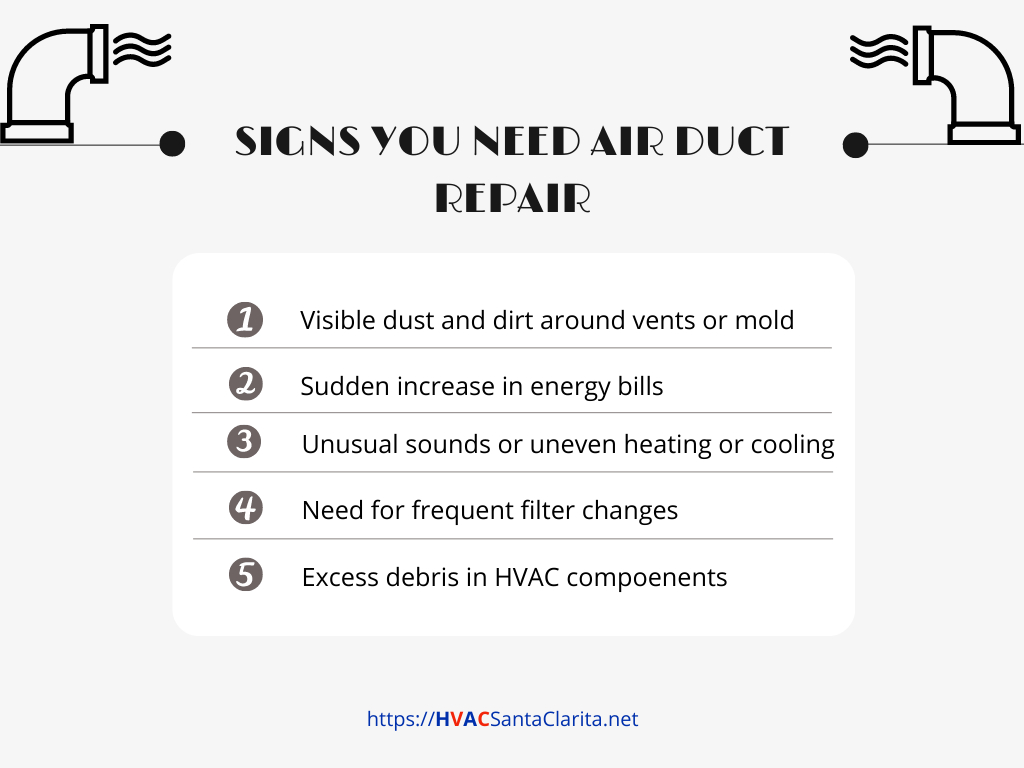
Identifying the need for repair early can prevent a minor leak from turning into a total system failure. Homeowners should remain vigilant for specific indicators that the ductwork is failing.
Unusual Noises and Airflow Fluctuations
If you hear whistling, rattling, or booming sounds when the AC kicks on, it often indicates a loose connection or a structural collapse within the duct. Whistling usually suggests a high-pressure leak where air is being forced through a small crack or poorly sealed joint. Rattling typically points to loose metal-to-metal connections or failing support brackets.
Unexplained Spikes in Utility Bills
In the current 2026 economic climate, energy prices remain a significant portion of household overhead. If your cooling bills have risen by 15% to 30% without a corresponding change in usage or extreme weather, leaky ducts are a likely culprit. According to the U.S. Department of Energy, the average home loses roughly 20% to 30% of the air moving through the duct system to leaks, holes, and poorly connected ducts.
Uneven Temperature Distribution
When one room feels like a refrigerator while another remains stifling, the culprit is often a disconnected or crushed duct leading to the warmer room. While some temperature variance is normal in multi-story homes, a sudden or stark difference usually signifies a physical breach in the distribution network.
Estimated AC Duct Repair Costs in 2026
Repair costs are influenced by the type of damage and the specialized equipment required to fix it. Below is a detailed breakdown of what homeowners should budget for specific repair tasks.
Minor Sealing and Patching
For small punctures or loose joints in accessible areas like an open basement or attic, costs typically range from $250 to $500. This involves using professional-grade mastic sealant or UL 181-rated foil tape to airtight the connections. In 2026, many contractors also use infrared cameras to verify these seals, which may add a small diagnostic fee but ensures a more permanent fix.
Duct Section Replacement
If a section of flexible duct has been crushed or chewed through by rodents, it usually requires a full replacement of that segment. For a 10-foot to 15-foot run, expect to pay between $400 and $800. This includes the cost of the new ducting material, hangers, and the labor to integrate it into the existing trunk line.
Aeroseal and Internal Sealing
For ducts that are hidden behind drywall or located in inaccessible "chases," internal sealing technology like Aeroseal is the industry standard. This process involves pressurizing the duct system and distributing an aerosolized sealant that sticks only to the edges of leaks and holes. Because this requires specialized machinery and software, the cost usually starts at $1,500 and can go up to $3,500 depending on the size of the home.
Mold Remediation and Cleaning
If moisture has entered the ducts and sparked mold growth, repair involves both cleaning and structural sealing. Professional mold remediation within a duct system can cost between $600 and $2,000. This is a critical health-related repair that should never be ignored, as it prevents the distribution of mold spores throughout the residence.
| Repair Task | Estimated Cost Range (2026) | Primary Materials Used | Estimated Time |
|---|---|---|---|
| Joint Sealing | $250 – $500 | Mastic, UL 181 Foil Tape | 2–4 Hours |
| Section Replacement | $400 – $900 | Flex Duct, Sheet Metal, R-8 Insulation | 3–6 Hours |
| Aeroseal Internal Sealing | $1,500 – $3,500 | Non-toxic Vinyl Polymer | 4–8 Hours |
| Duct Support/Rerouting | $300 – $700 | Galvanized Strapping, Hangers | 2–5 Hours |
| Insulation Repair | $400 – $1,200 | Fiberglass Wrap, Reflective Foil | 4–10 Hours |
| Mold Remediation | $600 – $2,000 | EPA-registered Antimicrobials | 5–12 Hours |
Key Considerations Affecting Total Price
When obtaining quotes, several variables will dictate whether your project sits at the low or high end of the pricing spectrum.
Accessibility and Workspace
Labor is the largest component of HVAC repair costs. If a technician can stand up in a basement to reach the ducts, the job will be significantly cheaper than if they have to crawl through a cramped, 18-inch attic space in mid-summer heat. Difficult access increases "man-hours," which in 2026 can range from $100 to $180 per hour for skilled labor.
Material Selection: Flex vs. Rigid
- Flexible Ductwork: Usually made of a wire coil covered in plastic and insulation. It is cheaper to install and repair but more susceptible to kinks and punctures.
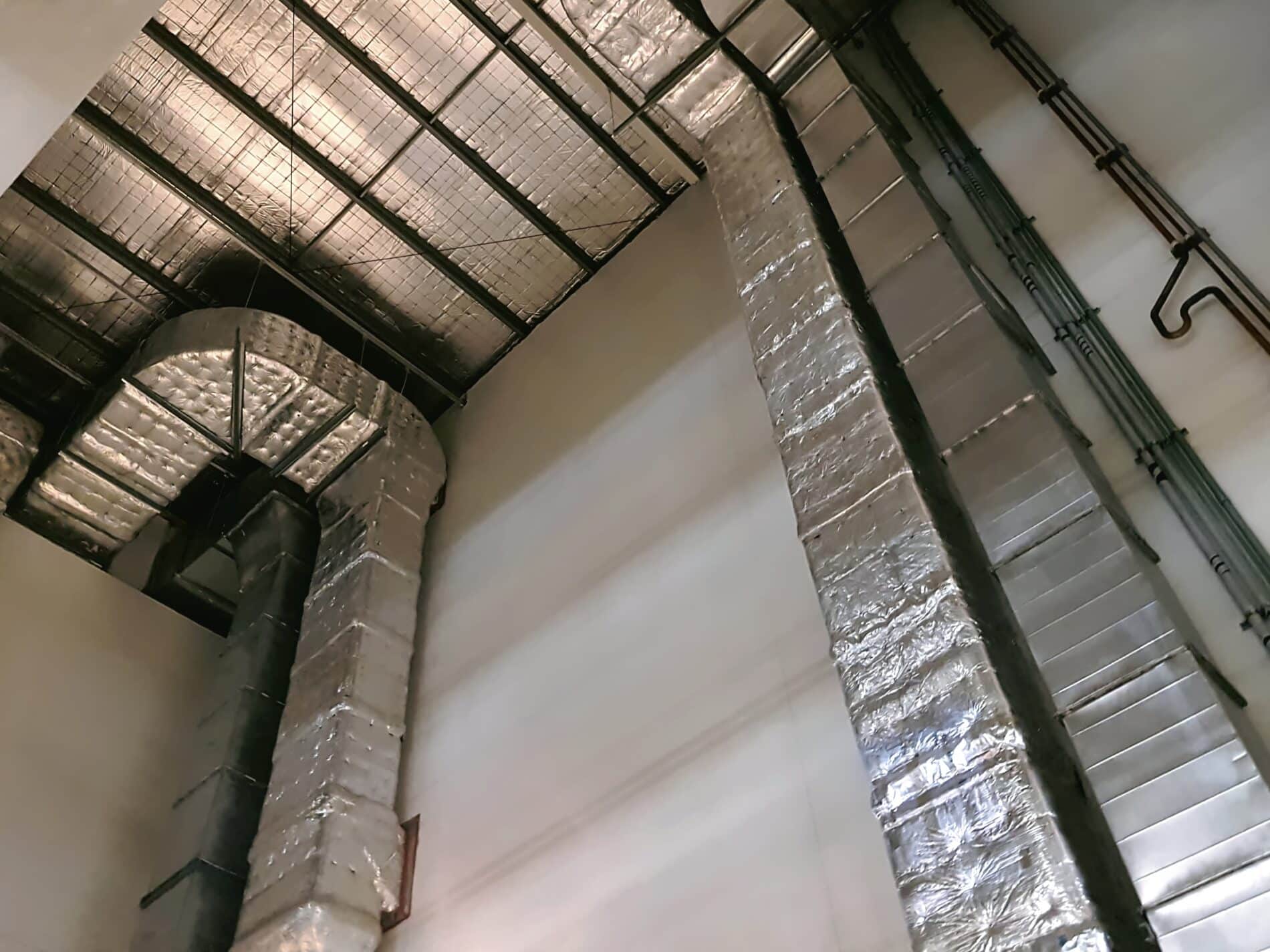
- Sheet Metal (Rigid) Ductwork: Made of galvanized steel or aluminum. It is more durable and offers better airflow but is significantly more expensive to repair or replace due to the custom fabrication required.
- Fiberglass Duct Board: These provide built-in insulation but can be harder to clean and are prone to internal wear over decades.
Insulation Ratings (R-Values)
In 2026, local building codes in many regions have moved toward requiring R-8 insulation for ducts in unconditioned spaces, whereas older homes might only have R-4 or R-6. Upgrading the insulation during a repair increases material costs but provides a higher return on investment through energy savings.
Repair vs. Replacement: Making the Decision
A common dilemma for homeowners is whether to keep patching an old system or invest in a full replacement. As a rule of thumb, if the cost of repairs exceeds 50% of the cost of a new installation, replacement is usually the wiser financial move.
Furthermore, ductwork has a lifespan of approximately 20 to 25 years. If your ducts are approaching the quarter-century mark, the plastic liners in flexible ducts likely have become brittle and prone to "alligatoring" (cracking), which cannot be effectively patched. In these cases, a full replacement—which can cost between $3,000 and $8,000 for an average home—ensures another two decades of worry-free service and peak efficiency.
The Diagnostic Process: What to Expect
A reputable 2026 HVAC service will not start cutting into your walls without a proper diagnostic phase. This typically involves:
- Visual Inspection: Checking for obvious disconnected joints or crushed sections.
- Blower Door Testing: A specialized fan is used to depressurize the house, allowing technicians to measure the total "leakage rate" of the duct system.
- Static Pressure Testing: Measuring the resistance to airflow. High static pressure indicates restricted or undersized ducts, while low pressure can indicate major leaks.
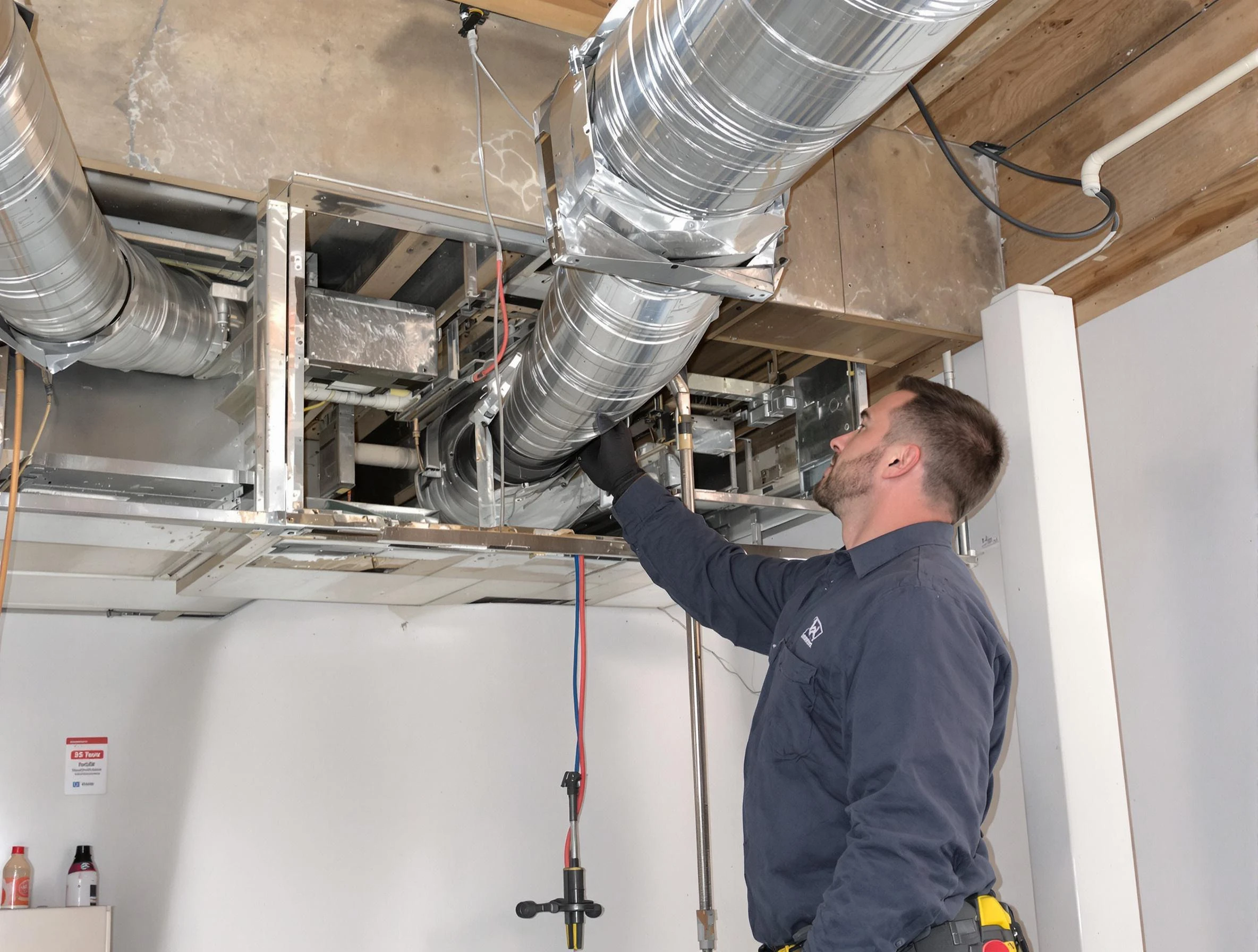
- Thermal Imaging: Using infrared cameras to see exactly where cold or hot air is escaping into the attic or walls.
Expect to pay a diagnostic fee of $100 to $300, which many companies will credit toward the final repair bill if you move forward with their services.
The Impact of Duct Health on Equipment Longevity
Leaky or damaged ducts don't just waste energy; they kill your HVAC equipment. When air escapes before reaching the thermostat, the system runs longer cycles to meet the temperature demand. This leads to premature wear on the compressor, blower motor, and heat exchanger. By investing in duct repair, you are effectively extending the life of your much more expensive furnace or air conditioner.
Furthermore, poor duct design or crushed sections create "backpressure." This forces the blower motor to work harder, often leading to motor burnouts that cost upwards of $600 to $1,200 to replace. Ensuring your "pipes" are clear and sealed is the best insurance policy for your overall HVAC health.
Frequently Asked Questions
Can I repair my own AC ducts with duct tape?
Despite its name, traditional silver "duct tape" is one of the worst materials for duct repair. The adhesive dries out and fails under the constant temperature fluctuations of an HVAC system. For a proper DIY fix, you must use UL 181-rated foil tape or mastic sealant. However, because duct systems involve complex pressure dynamics, professional repair is recommended to ensure the system remains balanced.
How long do duct repairs typically last?
A high-quality repair using mastic sealant and proper mechanical fasteners can last as long as the ductwork itself—often 15 to 20 years. Repairs made with temporary tapes or poor-quality materials may fail within 2 to 5 years. In 2026, most professional repairs come with a warranty ranging from 1 to 10 years, depending on the scope of work.
Does homeowners insurance cover duct repair?
Generally, standard homeowners insurance does not cover repairs caused by wear and tear, age, or lack of maintenance. However, if the ductwork was damaged by a covered peril—such as a fire, a fallen tree limb, or a sudden pipe burst—the cost of repair or replacement may be covered. Always check your specific policy or a home warranty if you have one.
Is duct cleaning the same as duct repair?
No. Duct cleaning is the process of removing dust and debris from the interior of the ducts. Duct repair involves fixing physical breaches, replacing damaged sections, and sealing leaks. While cleaning can improve air quality, it will not fix a leak or reduce your energy bills if the system is structurally compromised.
Will repairing my ducts really lower my energy bills?
Yes. Sealing leaks can reduce heating and cooling costs by 20% or more. In many cases, the energy savings realized over 2 to 3 years can completely offset the cost of a $500–$800 repair, making it one of the most cost-effective home improvements available.
Final Recommendation
Before committing to any repair, always request a duct leakage test to quantify the severity of the problem. For 2026, prioritize repairs that focus on high-efficiency insulation (R-8) and long-lasting sealants like mastic. If your home is more than 20 years old and experiencing widespread airflow issues, consider a professional consultation for a full ductwork assessment. Taking action now not only improves your comfort but also protects your HVAC system from expensive, premature mechanical failure.