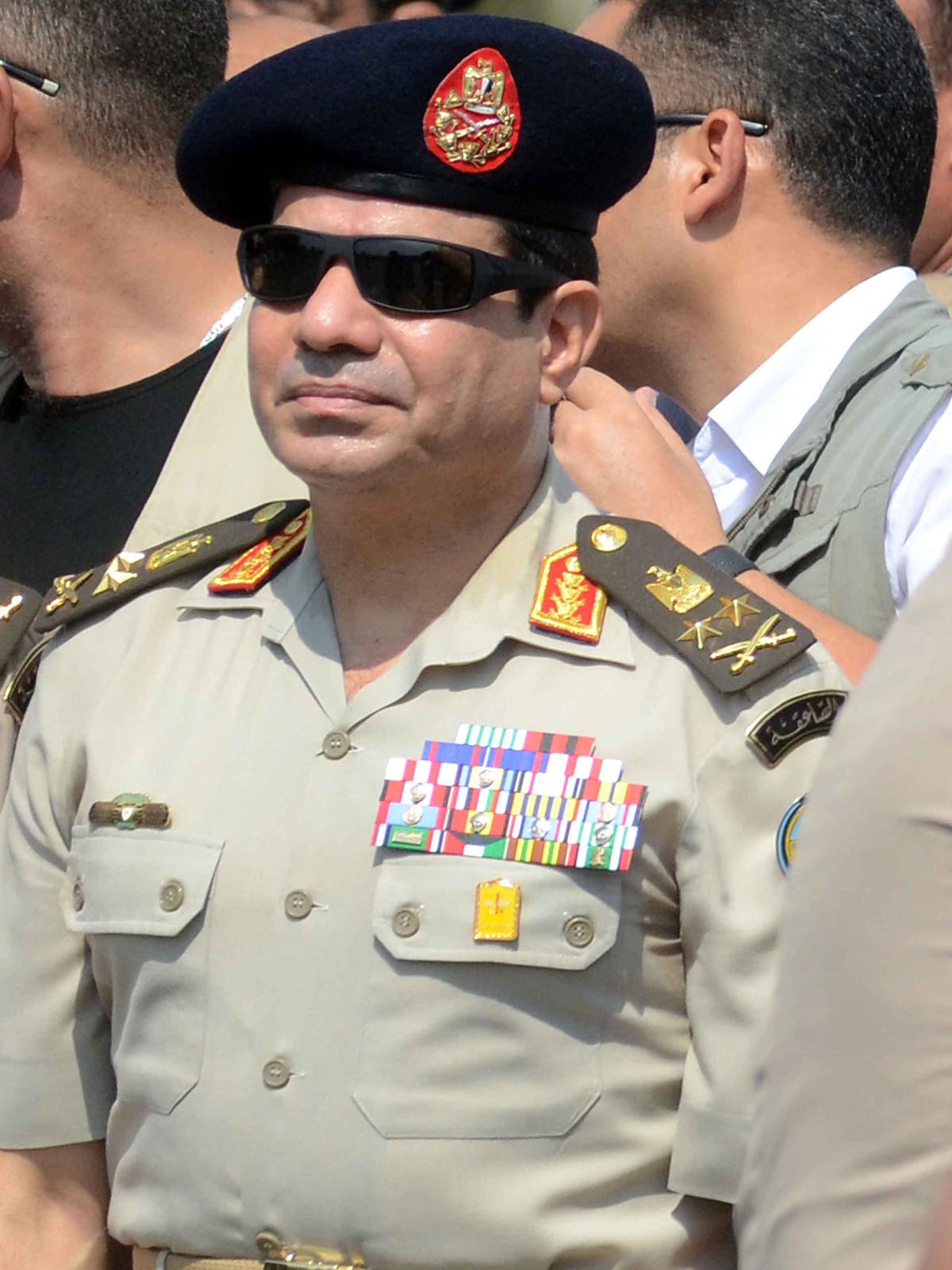
The net worth of Abdel Fattah al-Sisi, the President of Egypt, is not a matter of public record, as there is no official disclosure requirement for heads of state in Egypt regarding their personal wealth. Assessments often cited by external media outlets or international observers generally lack verified documentation, leading to significant variance in reported estimates.
The Challenge of Verifying Presidential Wealth
Determining the exact financial standing of a head of state in a nation like Egypt involves navigating a complex intersection of political, economic, and institutional structures. Unlike in some jurisdictions where public officials are mandated by law to provide annual, audited financial disclosures, the Egyptian legal framework does not require the President to release a public statement of assets.
When international outlets or financial monitors attempt to estimate the net worth of global leaders, they often rely on aggregate data, such as base salary, official benefits, and historical earnings from long-standing military careers. However, these figures rarely capture the entirety of a person’s financial position. For a career military officer like al-Sisi, who transitioned from the Intelligence services to the Ministry of Defense before ascending to the presidency, personal assets are often conflated with institutional or state-linked resources.
Institutional vs. Personal Wealth
A critical aspect of understanding the "net worth" of Egyptian political figures is the distinction between personal property and assets managed by state institutions. The Egyptian Armed Forces maintain a significant presence in the national economy, managing diverse projects ranging from infrastructure and construction to consumer goods and hospitality.
Observers often confuse the budgetary control exerted by the President over state-run military industries with personal liquidity. While the President holds substantial authority over the direction of the national economy and the deployment of state resources, this does not legally equate to personal net worth. Analysts attempting to calculate a "net worth" must reconcile the difference between state power—which allows for the management of vast national enterprises—and personal assets held in private bank accounts or real estate.
Historical Earnings and Career Progression
Abdel Fattah al-Sisi’s career path provides a trajectory for assessing base income. Entering the Egyptian Military Academy in the late 1970s, he spent decades climbing the ranks of the infantry and later the military intelligence sector. As a high-ranking military official, and subsequently as Minister of Defense, his compensation would have been commensurate with the highest levels of the state military salary structure.
| Career Phase | Approximate Institutional Role | Compensation Framework |
|---|---|---|
| Military Officer | Various infantry and command roles | Standard military salary tiers |
| Intelligence Director | Head of Military Intelligence | Senior military leadership pay |
| Minister of Defense | Cabinet-level government official | Government ministerial salary |
| President of Egypt | Head of State | Executive compensation scale |
These roles provide a steady, documented income stream. However, this base compensation is rarely the focus of investigative reports or media speculation. Instead, attention often shifts toward broader systemic issues, such as the transparency of government procurement or the management of the "Tahya Misr" (Long Live Egypt) Fund, which was established to support national development projects.
The Role of Financial Oversight and Transparency
In 2026, the global standard for financial transparency varies wildly. Many nations utilize independent ethics commissions to prevent conflicts of interest by requiring elected officials to place assets in blind trusts. In the Egyptian context, the mechanisms for oversight are focused on the legal standing of the office rather than the personal portfolio of the officeholder.
Critics and international financial monitors frequently point to the lack of an independent, publicly accessible asset registry as a hindrance to transparency. Without such a mechanism, rumors regarding the personal wealth of high-ranking officials proliferate. It is essential to distinguish between substantiated reporting—which requires evidence of accounts, properties, or equity—and speculative narratives that often conflate systemic economic control with individual net worth.
Interpreting Media Claims
Reports surfacing in various international publications sometimes attribute multi-million or billion-dollar figures to the net worth of various political leaders. In the case of al-Sisi, these claims are often linked to broader critiques of Egyptian government spending or the role of the military in the private sector.
When encountering these figures, it is important to analyze the methodology provided. Often, the methodology is absent or relies on "estimated value" of state assets over which the individual has executive oversight. If an analysis does not provide a specific breakdown of personal assets—such as verified residential real estate holdings, individual investment portfolios, or bank records—it should be interpreted as an assessment of perceived economic influence rather than a reflection of personal net worth.
Contextualizing Economic Policy and National Wealth
The President’s economic policies have been central to his tenure, focusing on large-scale infrastructure projects, such as the expansion of the Suez Canal and the development of the New Administrative Capital. These projects represent massive capital expenditures of state and international funds.
The confusion between the management of these sovereign investments and personal wealth often stems from the close relationship between the executive office and the state’s developmental apparatus. When the government reports on the success of these projects, it reflects on the state’s macroeconomic health, not the personal financial gain of the President. Understanding this distinction is vital to grasping how political power functions in Egypt’s current economic climate.
Frequently Asked Questions
Is there a public registry of Egyptian officials' wealth? No, there is no public registry or mandatory financial disclosure law in Egypt that requires the President or other high-ranking officials to release their personal financial statements to the public.
Are military-run businesses considered personal assets of the President? No, they are state-owned or military-managed enterprises. While the President exercises executive authority over the state, these assets are institutional and are not legally recognized as the personal property of the head of state.
Why do reports on political net worth often differ so widely? Reports vary because they often use different methodologies. Some analysts focus strictly on salary, while others attempt to assign a monetary value to the political influence or control over state-led economic sectors, which leads to highly inflated and speculative figures.
What is the "Tahya Misr" Fund? The "Tahya Misr" Fund is a national developmental fund established to finance infrastructure and social projects in Egypt. It is managed by a board of trustees and is designed to supplement government spending, not as a source of personal income for the President.
How is the President’s salary determined? The President’s salary and benefits are typically established within the broader framework of the state budget, subject to the laws and regulations governing high-level government officials, which are generally not disclosed in detail to the public.
Final Considerations
When researching the net worth of global political figures like Abdel Fattah al-Sisi, readers should prioritize verifiable data and maintain a healthy skepticism toward estimates that lack clear documentation. The focus should remain on the distinction between personal assets and executive control over national resources. For those interested in the economic management of Egypt, it is more productive to review reports from the Ministry of Finance, the Central Bank of Egypt, and international developmental organizations that monitor the nation's macroeconomic performance, debt levels, and infrastructure development rather than focusing on the unsubstantiated net worth figures of individual politicians.