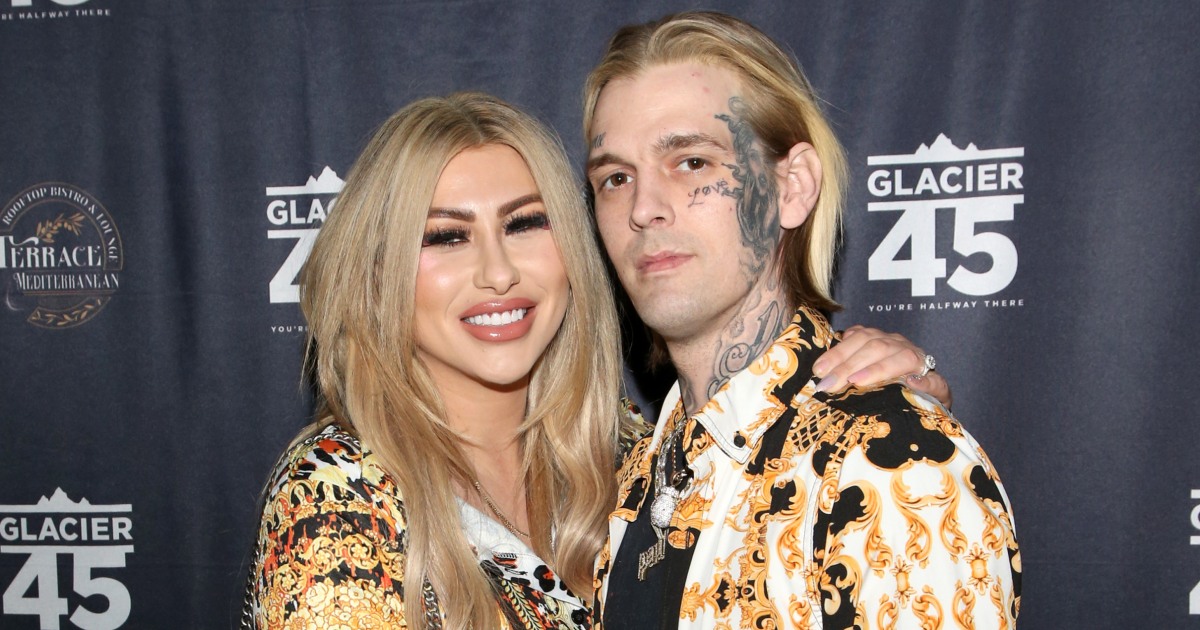
Aaron Carter's death on November 5, 2022, at the age of 34, marked a tragic conclusion to the life of a performer who grew up in the intense spotlight of the late 1990s and early 2000s pop music scene. Found unresponsive in the bathtub at his home in Lancaster, California, his passing prompted widespread mourning among fans, an outpouring of tributes from fellow artists, and renewed public conversations regarding the challenges of child stardom, mental health struggles, and substance abuse within the entertainment industry.
Early Life and Rise to Pop Stardom
Long before the tragic events surrounding Aaron Carter's death, the young artist emerged as a prominent fixture in the global pop landscape. Born on December 7, 1987, in Tampa, Florida, Aaron was immersed in the music industry from an early age, largely due to the success of his older brother, Nick Carter, who was a member of the prominent boy band the Backstreet Boys.
Aaron began performing at age seven and released his self-titled debut studio album in 1997 when he was just nine years old. The record achieved gold status in several countries, establishing him as a viable solo artist capable of capturing a massive pre-teen audience. However, it was his second studio album, Aaron's Party (Come Get It), released in the year 2000, that propelled him to international superstardom. The album sold triple platinum in the United States and spawned hit singles such as "I Want Candy," "Aaron's Party (Come Get It)," and "That's How I Beat Shaq."
During this peak era, Carter became a staple of Disney Channel and Nickelodeon programming, touring with major acts like Britney Spears and releasing music videos that rotated heavily on MTV and other global music networks. His cherubic appearance, energetic dance routines, and accessible pop hooks made him a quintessential teen idol of the turn of the millennium. In addition to his music career, he ventured into acting, appearing in television series such as Lizzie McGuire, Sabrina the Teenage Witch, and 7th Heaven, as well as making his Broadway debut in the musical Seussical in 2001.
Transition to Adulthood and Career Shifts
As with many performers who achieve massive fame during childhood, transitioning into an adult career proved exceptionally challenging for Aaron Carter. The shift in musical tastes away from bubblegum pop in the mid-2000s, combined with changing personal management and business relationships, led to a commercial decline in his traditional pop output.
In the years that followed, Carter sought to reinvent himself artistically. He explored various genres, including hip-hop, electronic dance music, and alternative rock, releasing independent projects such as the 2018 studio album Love. He also returned to the stage regularly, participating in nostalgic 2000s package tours and performing in smaller music venues across the United States.
Despite these professional efforts, public perception and media coverage increasingly focused on his personal life. Carter became a frequent subject of tabloid scrutiny, driven by public family disputes, legal troubles, financial difficulties, and highly publicized struggles with his health.
Public Struggles with Health and Addiction
A significant context leading up to Aaron Carter's death involved his well-documented battles with substance abuse, addiction, and mental health challenges. Over the course of his adult life, Carter was transparent with the public and various media outlets about his difficulties, occasionally participating in televised reality programs and documentaries to address his recovery process.
In interviews and public appearances, Carter discussed dealing with diagnoses that included multiple personality disorder, schizophrenia, acute anxiety, and manic depression. He frequently sought treatment in various rehabilitation facilities and wellness centers over the years, attempting to regain stability in his personal and professional life.
Substance abuse issues, particularly involving prescription medications and huffing compressed air products, plagued his later years. These struggles strained relationships with members of his immediate family, leading to periods of estrangement, public social media conflicts, and legal interventions. Despite moments where he appeared to achieve sobriety and expressed optimism about his future—including the birth of his son, Prince, in November 2021—his recurring health crises remained a persistent source of concern for both his loved ones and his fanbase.
The Events of November 5, 2022
On the morning of November 5, 2022, emergency services received a 911 call from Carter's residence in Lancaster, California. A house sitter discovered the singer unresponsive in the bathtub and immediately contacted emergency responders.
Upon arrival, emergency personnel pronounced Carter dead at the scene. He was 34 years old. Law enforcement officials from the Los Angeles County Sheriff's Department secured the property to conduct a standard death investigation, noting at the time that there were no immediate signs of foul play, though drug paraphernalia and cans of compressed gas were reportedly recovered from the bathroom.
The sudden nature of the passing shocked the entertainment world. Tributes immediately poured in from his peers, childhood collaborators, and family members. His brother Nick Carter paid an emotional tribute during a Backstreet Boys concert shortly afterward, expressing grief and noting that despite their complex relationship, his love for his brother had never faded. Other figures from the early 2000s pop scene also shared memories of touring and working with a young, energetic artist who had left a distinct mark on a generation of music consumers.
Investigation and Official Cause of Death
The definitive understanding of Aaron Carter's death emerged following a thorough investigation and autopsy conducted by the Los Angeles County Department of Medical Examiner-Coroner.
Months after the incident, the medical examiner released the final autopsy report, which officially ruled the cause of death as accidental drowning. The report detailed that the drowning occurred due to the effects of inhaling compressed difluoroethane—a propellant commonly found in cans of compressed air—and taking alprazolam, the generic form of the prescription anxiety medication Xanax.
According to the forensic findings, the combination of these substances caused incapacitation, leading to the singer slipping beneath the water in the bathtub and being unable to surface. The medical examiner categorized the manner of death as an accident, bringing official closure to the speculative reports that had circulated immediately following the incident.
Impact, Legacy, and Industry Reflections
Aaron Carter's death reignited significant discussions regarding the welfare of child stars and the systemic pressures placed on minors working within the entertainment industry. Media analysts, psychologists, and former child actors frequently cited his life and career as an example of the urgent need for robust support systems, legal protections, and mental health resources for young performers who navigate intense public scrutiny without adequate safeguards.
Key Factors in the Child Stardom Discourse
- Lack of Labor Protections: Historic child labor laws often failed to address the psychological and emotional demands placed on young social and musical icons.
- Intense Media Scrutiny: The rise of 24-hour celebrity gossip culture and early internet message boards exposed vulnerable young adults to relentless public judgment.
- Accessibility of Treatment: The need for accessible, confidential, and comprehensive mental health and addiction care tailored to individuals in the public eye.
Beyond the systemic critiques, Carter's musical legacy remains intact for a specific generation of listeners. Songs like "I Want Candy" and "Aaron's Party (Come Get It)" continue to occupy a nostalgic space in 2000s pop culture retrospectives. Fans remember him not only for the tabloid headlines of his later years but for the vibrant, high-energy performances that defined his early career.
Frequently Asked Questions
When did Aaron Carter pass away?
Aaron Carter died on November 5, 2022, at his home in Lancaster, California, at the age of 34.
What was the official cause of Aaron Carter's death?
The Los Angeles County Medical Examiner ruled the cause of death as an accidental drowning. The autopsy report indicated that the drowning was facilitated by the effects of inhaling compressed difluoroethane and consuming alprazolam, which caused him to become incapacitated in the bathtub.
How old was Aaron Carter when he became famous?
Aaron Carter rose to fame at a very young age, releasing his certified-gold debut album in 1997 when he was nine years old, and achieving massive international stardom with his second album at age twelve.
What were Aaron Carter's biggest musical hits?
His most commercially successful tracks include "I Want Candy," "Aaron's Party (Come Get It)," "That's How I Beat Shaq," and "Crush on You."
How did the entertainment industry react to his passing?
His death prompted widespread expressions of grief from fans and fellow musicians, including his brother Nick Carter, and renewed public debates about the ethical treatment, mental health support, and protection of child stars in the entertainment business.