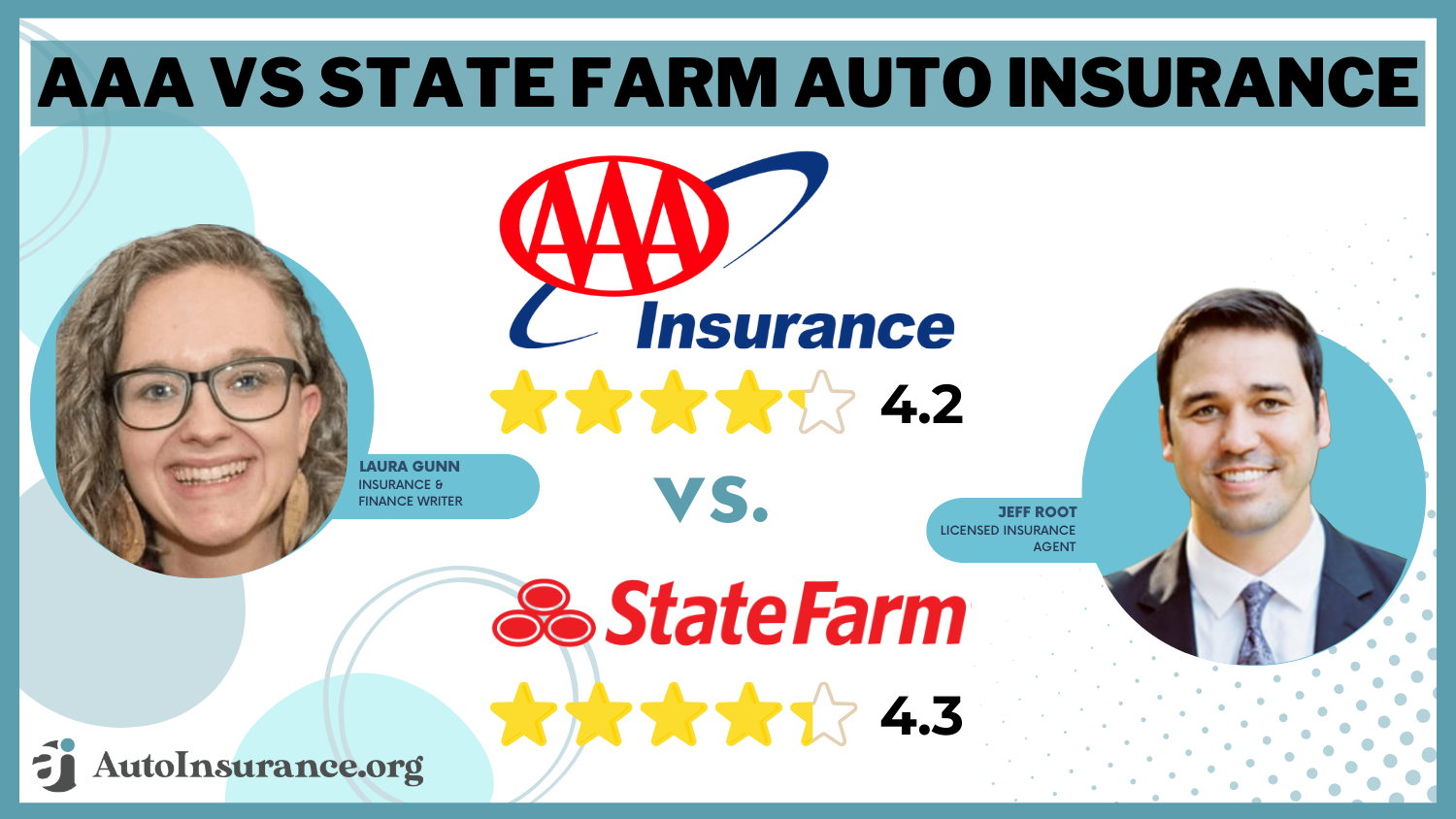
AAA homeowners insurance generally receives positive reviews for its robust coverage options and the personalized service provided by local agents, though customer satisfaction scores vary significantly by regional club. While most policyholders appreciate the multi-policy discounts available when bundling with AAA’s famous roadside assistance, the requirement to pay an annual membership fee is a unique factor that influences its overall value proposition.
Understanding the AAA Insurance Framework
To accurately interpret AAA homeowners insurance reviews, one must first understand that AAA (the American Automobile Association) is not a single insurance company. Instead, it is a national federation of independent regional clubs. This decentralized structure is the most critical factor in why reviews can seem contradictory; a homeowner in Northern California may be served by the CSAA Insurance Group, while a homeowner in Florida or Michigan might be served by the Auto Club Group (ACG).
Each of these entities operates with its own underwriting standards, claims processing centers, and customer service protocols. In 2026, while AAA National sets certain brand standards, the actual "experience" of the insurance—from the ease of the mobile app to the speed of a claims adjuster—is determined by your specific geography. This regionality means that national aggregate ratings often mask high-performing local clubs or, conversely, ignore localized issues in specific markets.
The Membership Prerequisite
A defining characteristic of AAA homeowners insurance is the membership requirement. You cannot purchase a homeowners policy through AAA without first becoming a member of the association. This creates a two-tiered cost structure: the insurance premium itself and the annual AAA membership dues (typically ranging from $50 to $150 depending on the tier).
In reviews, this is often a point of contention. For long-time AAA members who already value the roadside assistance, travel discounts, and DMV services, the insurance is a natural extension of an existing relationship. However, for those solely looking for the cheapest homeowners policy, the added cost of membership can sometimes negate the competitive pricing of the insurance premium. As of 2026, many regional clubs have integrated these costs into a single billing interface to reduce friction, but the legal requirement for membership remains.
Core Coverage and Policy Features
AAA provides standard HO-3 and HO-5 policy forms, which are the industry benchmarks for single-family homes. Their coverage typically includes the following pillars:
- Dwelling Coverage: This protects the physical structure of your home against perils like fire, windstorms, and hail. In 2026, AAA has placed a heavy emphasis on "extended replacement cost" endorsements, which provide a buffer (often 20% to 50% above the policy limit) to account for the fluctuating construction costs seen in recent years.
- Other Structures: Covers detached garages, sheds, and fences.
- Personal Property: Protection for your belongings. Reviews frequently highlight AAA’s "replacement cost" coverage for personal property, which pays out the cost to buy new items rather than the depreciated value.
- Loss of Use: If a covered peril makes your home uninhabitable, this pays for temporary housing and additional living expenses.
- Personal Liability: Provides legal defense and settlement funds if you are found liable for bodily injury or property damage to others.
- Medical Payments: Covers minor medical bills for guests injured on your property, regardless of fault.
Specialized Endorsements in 2026
Beyond the basics, AAA has modernized its offerings to reflect current homeowner needs. Notable add-ons often mentioned in reviews include:
- Home Cyber Protection: Covers losses related to data breaches, cyberattacks on smart home devices, and online fraud.
- Service Line Coverage: Protects against the failure of underground utility lines (water, sewer, power) for which the homeowner is responsible.
- Ordinance or Law Coverage: Essential for older homes, this pays the extra costs required to bring a home up to modern building codes during a repair.
- Green Home Upgrade: An endorsement that pays to replace damaged materials with eco-friendly or energy-efficient alternatives.
Financial Strength and Reliability
When evaluating an insurance provider, financial stability is paramount. A company must have the liquidity to pay out massive claims following catastrophic events like hurricanes or wildfires. Most AAA underwriting groups maintain high ratings from A.M. Best, the primary credit rating agency for the insurance industry.
For instance, the CSAA Insurance Group and the Auto Club Enterprises Insurance Group have historically maintained "A" (Excellent) or "A+" (Superior) ratings. These ratings suggest that even in a volatile 2026 economy, AAA has the financial "fortitude" to meet its obligations to policyholders. Prospective customers should verify the specific rating of the regional club serving their state, as smaller regional subsidiaries may have different financial profiles than the larger parent groups.
Customer Satisfaction and Claims Performance
The true test of any insurance policy is the claims process. AAA homeowners insurance reviews regarding claims are a mix of high praise for local agent advocacy and occasional frustration with third-party adjusters.
According to data from J.D. Power and the National Association of Insurance Commissioners (NAIC), AAA clubs generally perform near or slightly above the industry average for customer satisfaction. In 2026, AAA’s shift toward a "digital-first" claims experience—allowing users to upload photos of damage via a mobile app for rapid AI-assisted estimating—has significantly shortened the payout timeline for minor claims.
However, for complex claims involving total losses or structural damage, the human element remains vital. Policyholders who work through a dedicated local AAA agent often report higher satisfaction scores than those who interact solely through the national call centers. The agent acts as a liaison, helping to navigate the bureaucracy that can sometimes slow down a claim.
Comparison of AAA Regional Underwriters
Because AAA is not a monolith, comparing the major regional entities is useful for understanding the broad landscape of the brand.
| Regional Group | Primary States Served | A.M. Best Rating (2026) | Key Feature |
|---|---|---|---|
| CSAA Insurance Group | CA, NV, AZ, UT, OK, Mid-Atlantic | A | Robust digital tools and mobile app |
| Auto Club Group (ACG) | FL, MI, GA, IL, IA, NE, TN, WI | A | Strong focus on hurricane/windstorm coverage |
| Auto Club Enterprises | Southern CA, TX, MO, AL, HI | A+ | Highly rated for customer service and claims |
| AAA Northeast | NY, MA, CT, RI, NH, NJ | A | Emphasis on older home restoration coverage |
Detailed Breakdown of Available Discounts
One of the primary reasons homeowners choose AAA is the breadth of its discount programs. In 2026, these have become increasingly sophisticated, moving beyond simple bundling to reward proactive home maintenance.
- Multi-Policy Discount: The most significant savings are realized by bundling homeowners insurance with an auto policy. This can reduce premiums by 15% to 25%.
- Protective Devices: Discounts are applied for homes with smoke detectors, fire extinguishers, deadbolt locks, and professionally monitored security systems.
- New Home Discount: Homes built within the last 10 to 15 years often qualify for lower rates due to modern building materials and updated electrical/plumbing systems.
- Roof Age Discount: In 2026, the age and material of a roof are primary rating factors. AAA offers substantial discounts for roofs replaced within the last five years or those made of impact-resistant materials.
- Loyalty Discount: Long-term AAA members (those who have held a membership for several years before applying for insurance) often receive a specialized rate.
- Claims-Free Discount: Homeowners who have not filed a claim in the past three to five years are rewarded with lower base rates.
Common Criticisms and Limitations
Despite the advantages, AAA homeowners insurance is not without its drawbacks. Informed reviews frequently point to three main areas of concern:
- The Membership Fee: As noted earlier, the mandatory AAA membership is an "invisible" cost. If you don't use the roadside assistance or travel perks, this effectively acts as an annual surcharge on your insurance.
- Regional Inconsistency: A "5-star" experience in Southern California does not guarantee the same in Florida. The varying quality of web portals and local office staff across different clubs can be frustrating for members who move between states.
- Strict Underwriting in High-Risk Areas: In 2026, like many major insurers, AAA has tightened its underwriting guidelines in regions prone to wildfires or coastal flooding. Some homeowners in high-risk zones may find it difficult to secure a policy or may face significantly higher premiums and deductibles.
Technical Depth: The Role of Reinsurance and Risk Assessment
In the 2026 insurance market, AAA regional clubs rely heavily on reinsurance—insurance for insurance companies. When major catastrophes occur, the regional club pays out up to a certain limit, after which reinsurance contracts kick in. The cost of this reinsurance is a major driver of the premiums AAA charges its members.
Furthermore, AAA uses advanced catastrophe modeling to assess risk at the individual parcel level. Unlike years past where rates were determined by zip code, AAA now uses satellite imagery and topographical data to determine the specific risk of your home. If your property has overhanging trees or is situated on a steep slope, these factors are now reflected in the "individual risk premium" portion of your quote. Understanding this helps explain why two neighbors might receive vastly different quotes from the same AAA club.
Frequently Asked Questions
Is AAA homeowners insurance available in all 50 states?
Yes, AAA homeowners insurance is available nationwide, but the specific company underwriting the policy will change depending on your location. In some states, AAA acts as an agent and may place your coverage with a third-party partner rather than using its own internal underwriting group.
Do I have to pay for a AAA membership every year to keep my insurance?
Yes. To be eligible for AAA insurance, you must maintain an active AAA membership. If you allow your membership to lapse, the insurance company may non-renew your policy at the end of the term or remove certain affinity discounts, leading to a significant rate increase.
How does AAA handle high-value homes?
AAA offers specialized "high-value home" policies for properties with replacement costs exceeding $1 million. These policies often include higher limits for jewelry, art, and collectibles, as well as "guaranteed replacement cost" coverage, which ensures the home is rebuilt to its original standard regardless of the final cost.
Is the AAA mobile app useful for homeowners?
The utility of the app depends on your regional club. In 2026, most major AAA clubs have integrated homeowners insurance into their primary app, allowing you to view policy documents, pay bills, and initiate claims. However, some smaller clubs still require users to use a web browser for homeowners-specific tasks.
Does AAA homeowners insurance cover flood or earthquake damage?
Standard AAA homeowners policies do not cover floods or earthquakes. These require separate policies or specific endorsements. Given the increased frequency of flooding in 2026, AAA agents typically offer National Flood Insurance Program (NFIP) policies or private flood alternatives as a supplement to the standard policy.
How does the claims process work with AAA?
When you file a claim, a claims representative is assigned to your case. For minor issues, you may be offered a "Virtual Inspection," where you use your smartphone to show the damage to an adjuster in real-time. For major losses, a field adjuster will visit the property. Once the damage is appraised, AAA typically issues a payment minus your deductible.
Practical Recommendation
When considering AAA homeowners insurance, your first step should be to evaluate the value of the AAA membership itself. If you already utilize the automotive and travel benefits, the insurance often provides excellent bang-for-the-buck, particularly when bundled. However, do not assume the AAA brand is a monolith; always research the specific A.M. Best rating and J.D. Power score for the regional club in your state.
For the best results in 2026, contact a local AAA agent rather than relying solely on an online quote. Local agents often have the authority to apply specific regional discounts that automated systems might miss, and they can provide a more nuanced explanation of how your specific home’s features impact your premium.