To convert 99 degrees Fahrenheit to Celsius, the exact result is 37.22 degrees Celsius (37.22°C). This calculation is performed by subtracting 32 from the Fahrenheit value, multiplying the result by 5, and then dividing by 9. In a medical context, 99°F is often considered a low-grade fever or the upper limit of a normal body temperature range.
The Mathematical Framework of Temperature Conversion
Understanding how to transition between Fahrenheit and Celsius requires a firm grasp of the linear relationship between these two scales. Unlike distance or weight, which often use simple multipliers, temperature scales utilize different starting points (zero points) and different intervals for each degree.
The Standard Conversion Formula
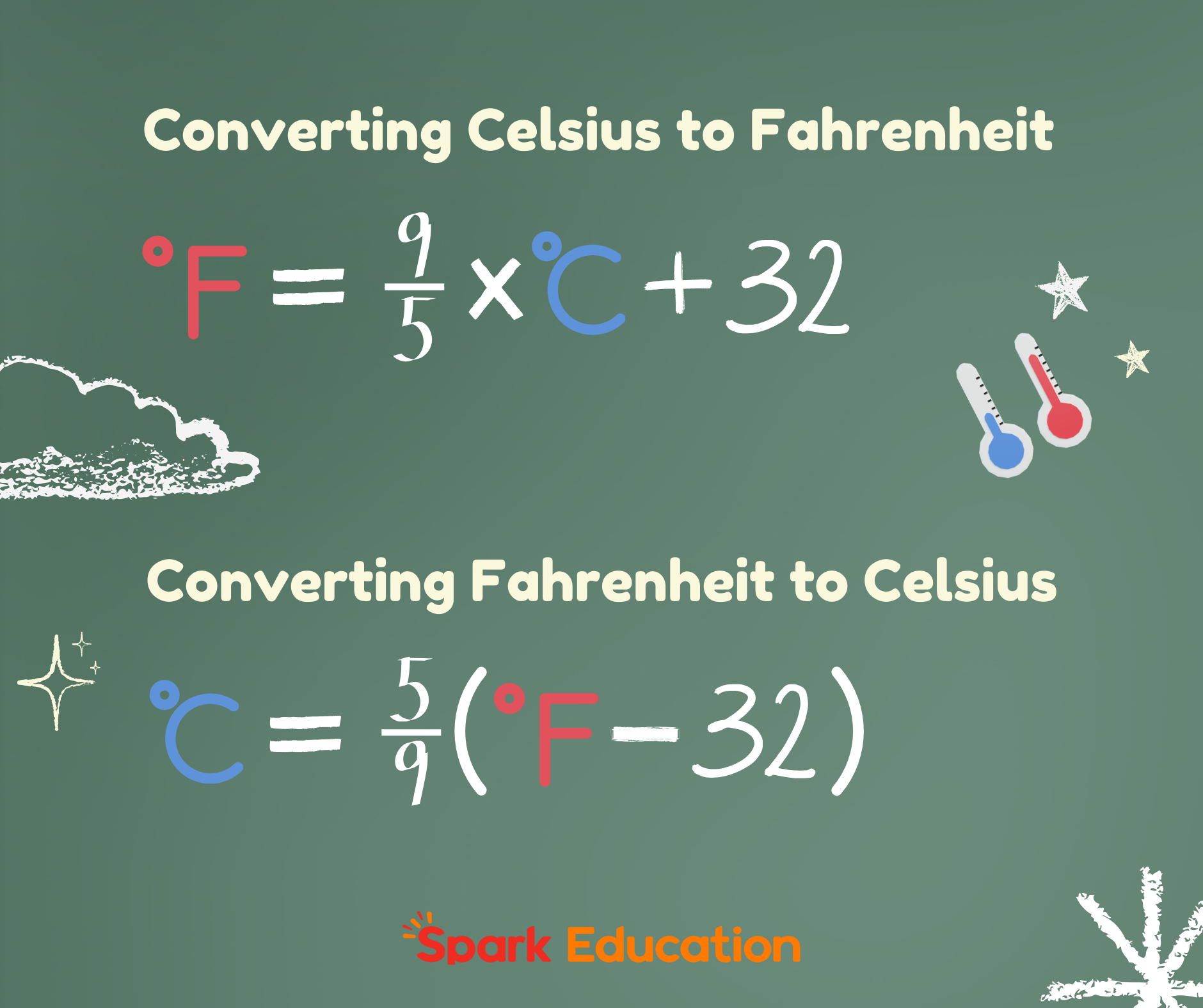
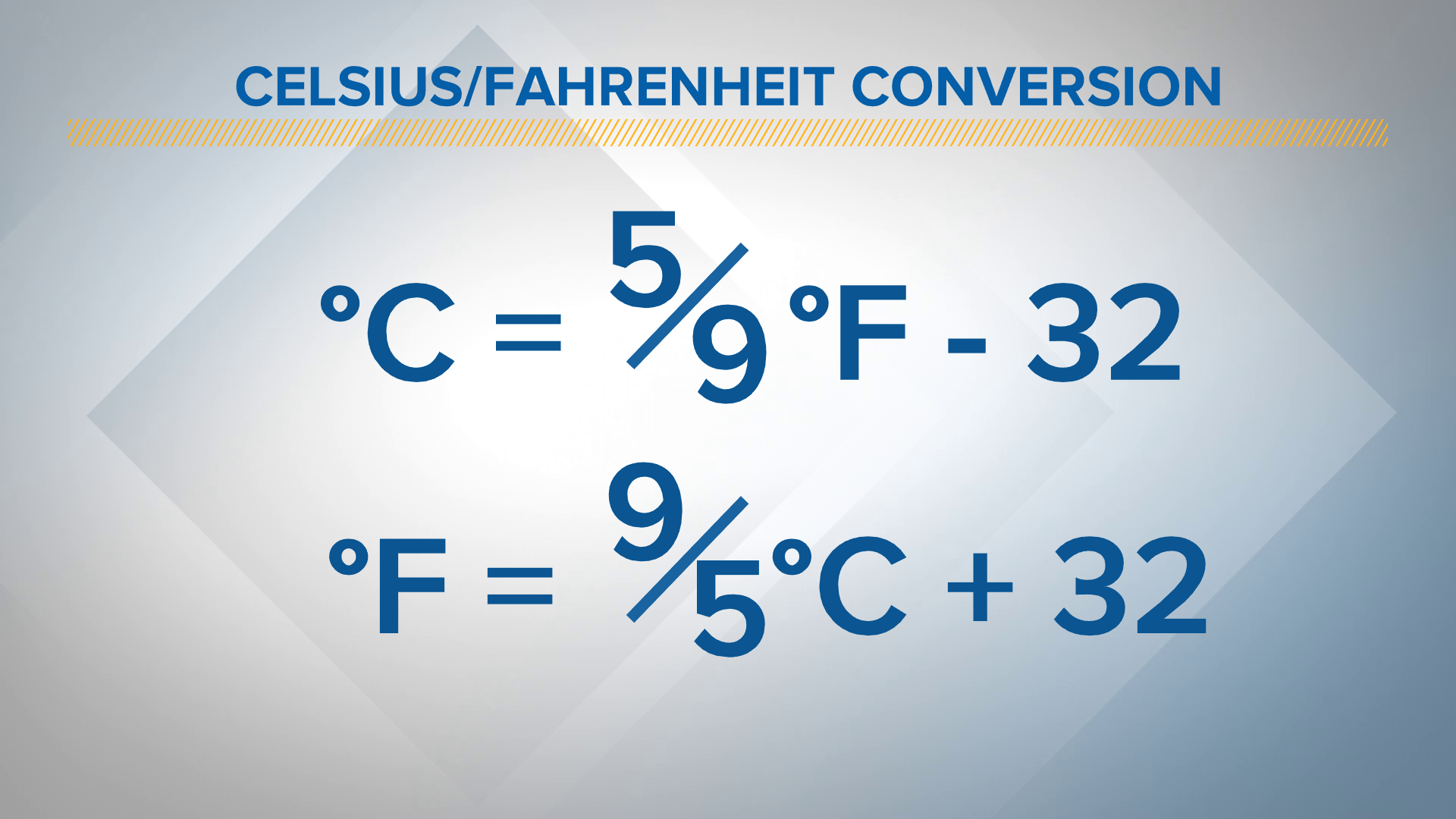
The primary formula used to convert Fahrenheit ($F$) to Celsius ($C$) is:
$$C = (F - 32) \times \frac{5}{9}$$
To apply this to 99°F, we follow a specific order of operations:
- Subtract the Offset: Subtract 32 from the Fahrenheit temperature. The number 32 represents the freezing point of water on the Fahrenheit scale, whereas 0 is the freezing point on the Celsius scale.
- $99 - 32 = 67$
- Multiply by the Ratio: The Celsius degree is larger than the Fahrenheit degree. Specifically, a change of 1°C is equivalent to a change of 1.8°F (or $9/5$). Therefore, to go from Fahrenheit to Celsius, we multiply the result by the fraction $5/9$.
- $67 \times 5 = 335$
- Final Division: Divide the product by 9 to achieve the final Celsius value.
- $335 / 9 = 37.2222...$
In most scientific and medical settings in 2026, this is rounded to two decimal places, resulting in 37.22°C.
An Alternative Method: The Decimal Approach
For those who prefer working with decimals rather than fractions, the multiplier $5/9$ is approximately 0.5556. Using this method, the calculation remains straightforward:
- $99 - 32 = 67$
- $67 \times 0.5556 = 37.2252$
While the decimal method provides a quick approximation, the fractional method ($5/9$) is preferred for absolute precision in laboratory settings to avoid early rounding errors.
Historical Context: Fahrenheit vs. Celsius
The coexistence of two major temperature scales is a result of historical developments in Europe during the 18th century. Understanding why these scales differ helps clarify why the conversion is not a simple one-to-one ratio.
The Fahrenheit Scale
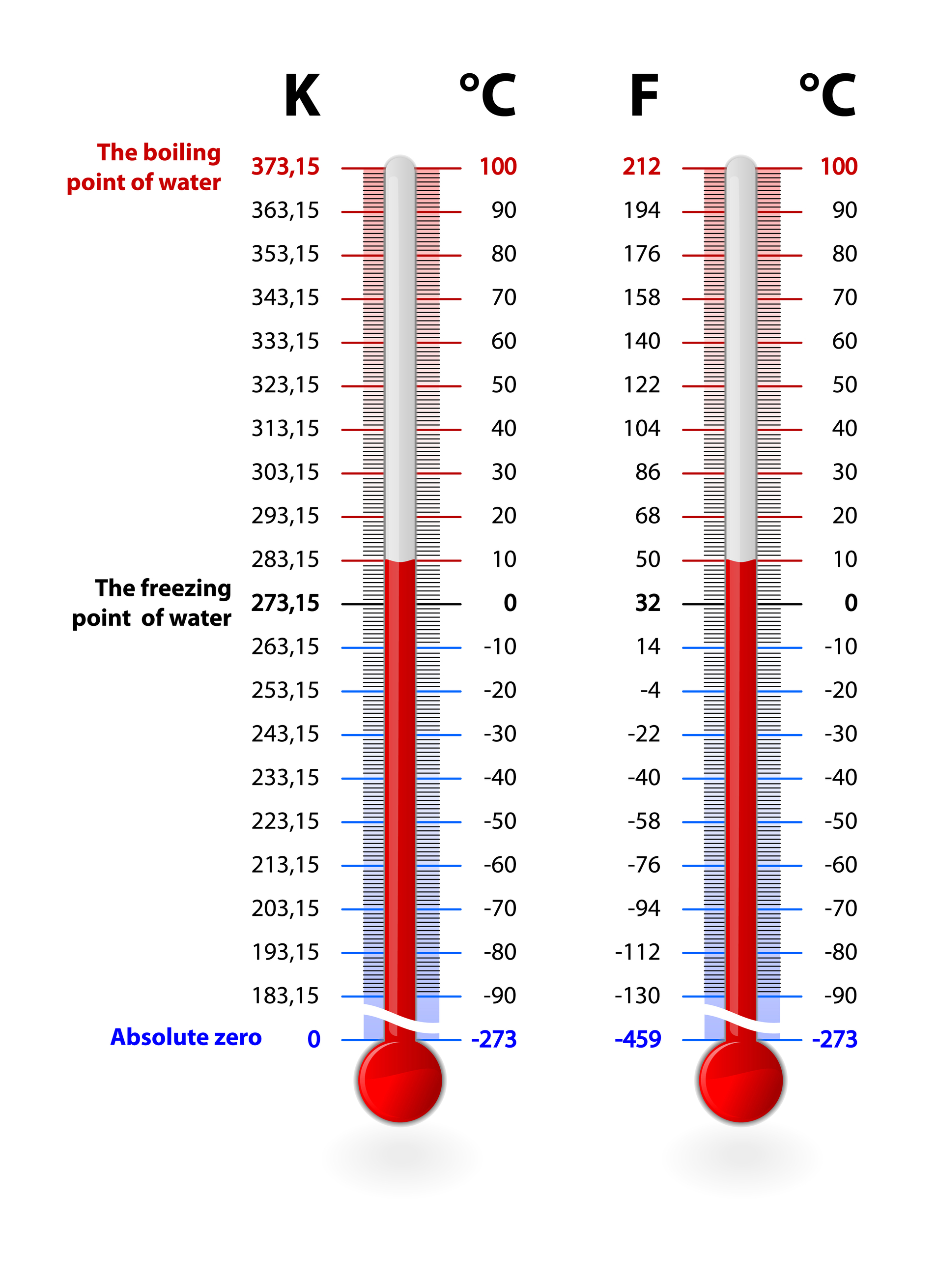
The Fahrenheit scale was proposed in 1724 by the physicist Daniel Gabriel Fahrenheit. He based his scale on three fixed points. He set 0°F as the temperature of a stable brine solution (ice, water, and ammonium chloride). He then set 32°F as the freezing point of water and 96°F as the approximate temperature of the human body (later adjusted slightly to 98.6°F). This scale was widely adopted by the British Empire and, subsequently, the United States.
The Celsius Scale
In 1742, Swedish astronomer Anders Celsius proposed a different system. Initially, his scale was "upside down," with 0°C representing the boiling point of water and 100°C representing the freezing point. This was later reversed after his death to the familiar system we use today, where 0°C is the freezing point and 100°C is the boiling point of water at sea level.
Because the range between freezing and boiling is 180 degrees in Fahrenheit ($212 - 32 = 180$) and exactly 100 degrees in Celsius, the relationship between the two is always a factor of $180/100$, which simplifies to the $9/5$ ratio used in our conversion formulas.
99°F in a Medical Context: Is it a Fever?
The most common reason a person searches for the conversion of 99°F to Celsius is for health monitoring. For decades, 98.6°F (37°C) was cited as the "normal" human body temperature. However, clinical standards in 2026 recognize that "normal" is a range rather than a single fixed point.
Interpreting 37.22°C
When you convert 99°F to 37.22°C, you are looking at a temperature that sits at the upper threshold of the average adult range. According to the Mayo Clinic, a true fever is typically defined as a temperature of 100.4°F (38°C) or higher.
- Normal Range: 97°F (36.1°C) to 99°F (37.2°C).
- Low-Grade Fever: 99.1°F (37.3°C) to 100.3°F (37.9°C).
- High Fever: 103°F (39.4°C) or higher in adults.
It is important to note that body temperature fluctuates throughout the day due to circadian rhythms. Temperatures are typically lowest in the early morning and peak in the late afternoon. Therefore, a reading of 99°F (37.22°C) at 4:00 PM might be perfectly normal, while the same reading at 4:00 AM might indicate the beginning of an immune response.
Factors Influencing Temperature Readings
When measuring 99°F, the accuracy of the conversion depends heavily on the accuracy of the initial measurement. Several factors can influence why a thermometer reads 99°F:
- Measurement Site: Rectal and tympanic (ear) temperatures are generally higher than oral or axillary (armpit) temperatures. A 99°F reading under the arm may actually suggest a core temperature closer to 100°F.
- Physical Activity: Recent exercise can temporarily elevate body temperature into the 99°F range.
- Environment: High ambient heat or heavy clothing can cause a slight rise in skin temperature.
- Age: Infants and young children tend to have slightly higher baseline temperatures than older adults.
Practical Conversion Reference Table
To assist in quickly identifying where 99°F sits relative to other common temperatures, the following table provides a reference for the 95°F to 105°F range.
| Fahrenheit (°F) | Celsius (°C) | Meaning/Context |
|---|---|---|
| 95.0 | 35.00 | Threshold for Hypothermia |
| 96.8 | 36.00 | Low end of normal |
| 98.0 | 36.67 | Typical "healthy" resting temp |
| 98.6 | 37.00 | Standard historical "normal" |
| 99.0 | 37.22 | Upper limit of normal / Elevated |
| 100.0 | 37.78 | Borderline fever |
| 100.4 | 38.00 | Clinical definition of fever |
| 102.0 | 38.89 | Moderate fever |
| 104.0 | 40.00 | High fever; seek medical advice |
| 105.0 | 40.56 | Severe fever |
The Science of Thermal Measurement in 2026
As of 2026, the technology used to measure 99°F has moved largely toward infrared (IR) thermometry and high-precision thermistors. Understanding how these tools work is vital for interpreting the 37.22°C conversion accurately.
Infrared Thermometers
Non-contact infrared thermometers measure the thermal radiation emitted by a surface (usually the forehead). While convenient, these devices are susceptible to environmental interference. If the ambient air is very hot, an IR thermometer might read 99°F even if the internal core temperature is lower.
Digital Thermistors
Digital thermometers used for oral or rectal readings rely on a thermistor—a type of resistor whose resistance varies significantly with temperature. These are generally more accurate than IR sensors for determining if a 99°F reading represents a true physiological state or an external anomaly.
Accuracy and Precision
In the world of metrology, accuracy refers to how close a measurement is to the true value, while precision refers to the consistency of repeated measurements. When converting 99°F to 37.22°C, a consumer-grade thermometer often has an accuracy of ±0.2°F. This means a reading of 99.0°F could actually be anywhere from 98.8°F to 99.2°F.
Global Usage: Why Does Fahrenheit Persist?
The persistence of the Fahrenheit scale in the United States, despite the global adoption of the metric system (SI), is a frequent point of confusion during temperature conversions.
Most of the world uses Celsius because it is integrated into the metric system, where 0 and 100 are defined by the properties of water. This makes it ideal for scientific research and international trade. However, proponents of the Fahrenheit scale argue that it is more "human-centric." The range of 0°F to 100°F roughly covers the span of habitable outdoor temperatures in many climates, providing a more granular scale for weather reporting without relying as heavily on decimals.
In 2026, the United States continues to use Fahrenheit for domestic weather, cooking, and most clinical health applications, while the scientific community within the U.S. almost exclusively uses Celsius and Kelvin.
Beyond Celsius: The Kelvin Scale
For those interested in the physics behind the temperature of 99°F, it is useful to mention the Kelvin (K) scale. Kelvin is the base unit of temperature in the International System of Units (SI).
To convert 99°F to Kelvin:
- Convert Fahrenheit to Celsius: $37.22°C$.
- Add 273.15: $37.22 + 273.15 = 310.37 K$.
The Kelvin scale starts at absolute zero (0 K), the point at which all molecular motion stops. While 99°F feels warm to a human, in the grand scheme of the universe, it is 310.37 degrees above the absolute coldest possible temperature.
Common Mistakes in Temperature Conversion
When attempting to calculate or interpret 99°F in Celsius, several common errors can lead to incorrect conclusions:
- Forgetting the Offset: The most common mistake is multiplying 99 by $5/9$ before subtracting 32. This would result in 55°C, which is dangerously incorrect in a medical context.
- Incorrect Fraction: Using $9/5$ instead of $5/9$ when going from Fahrenheit to Celsius. Using $9/5$ is the procedure for converting Celsius to Fahrenheit.
- Rounding Too Early: In multi-step scientific calculations, rounding 37.222... to 37 too early can lead to significant errors in thermodynamics or chemistry experiments.
- Ignoring the Instrument: Assuming a reading of 99°F is 100% accurate without checking the thermometer’s calibration or battery levels.
Frequently Asked Questions
1. Is 99°F considered a fever for a child?
In 2026, pediatric guidelines generally state that a temperature of 99°F (37.22°C) is considered "elevated" but not a formal fever. Most pediatricians, including those affiliated with the American Academy of Pediatrics, define a fever as 100.4°F (38°C) or higher. However, for infants under three months old, any elevation should be reported to a healthcare provider.
2. How do I convert 99°F to Celsius without a calculator?
A quick "mental math" shortcut is to subtract 30 from the Fahrenheit (99 - 30 = 69), then divide by 2 (69 / 2 = 34.5). This gives a rough estimate. To be more accurate, subtract 10% from your result. $34.5 - 3.45 = 31.05$. Note that mental shortcuts are often inaccurate; using the standard formula $(99-32) \times 5 / 9$ is always better for health-related decisions.
3. What is 99°F in Celsius for cooking?
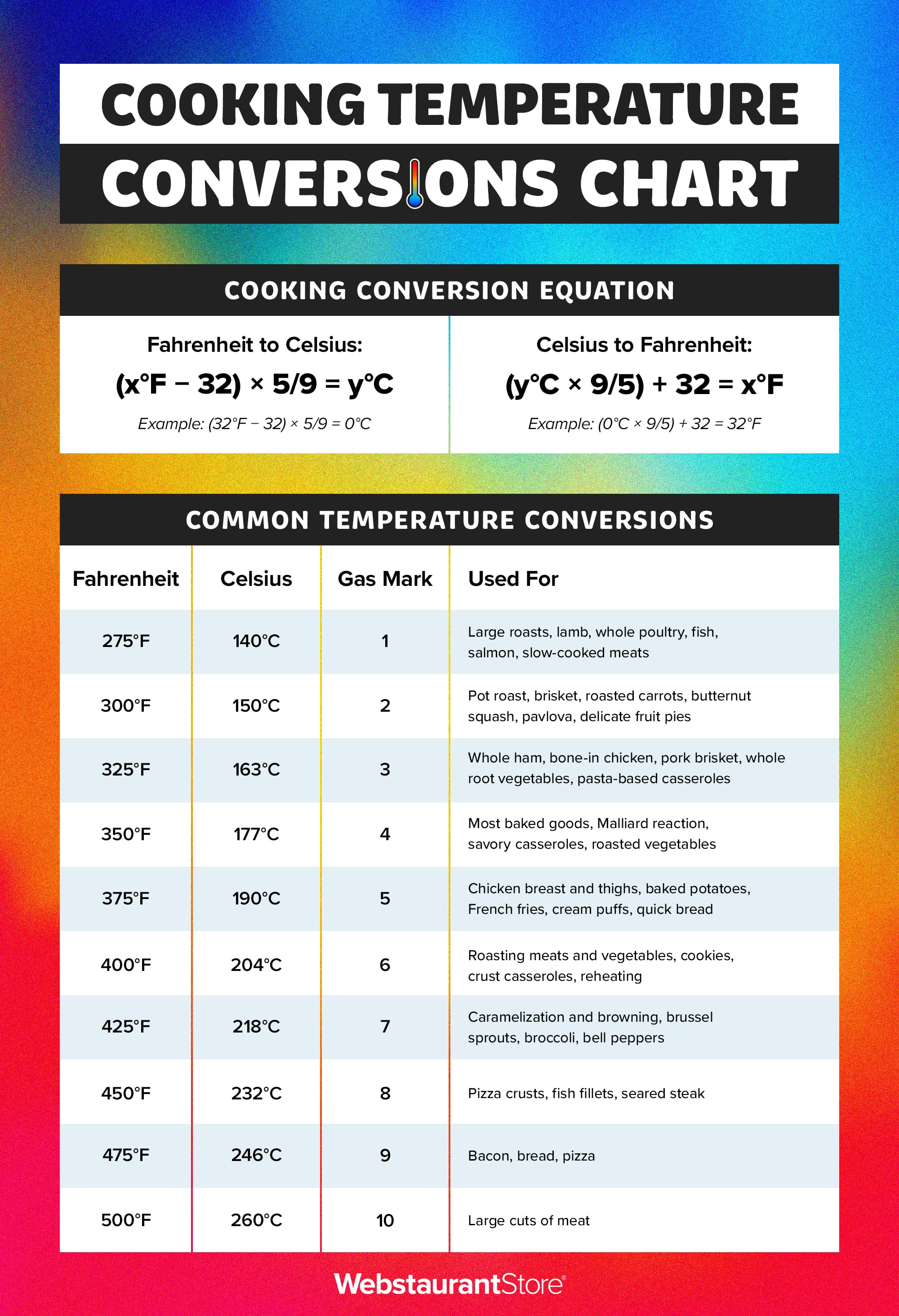
In cooking, 99°F (37.22°C) is a very low temperature. It is often used for proofing yeast (which typically requires 105°F to 115°F) or for tempering chocolate. If a recipe calls for a liquid at 37°C, it should feel lukewarm to the touch, similar to skin temperature.
4. Is 99°F air temperature hot?
In terms of weather, 99°F (37.22°C) is considered very hot. At this temperature, the human body relies heavily on evaporation (sweating) to cool down. If the humidity is also high, 99°F can lead to heat exhaustion or heat stroke, as the "heat index" will be significantly higher.
5. Why is the human body temperature 37 degrees Celsius?
The 37°C (98.6°F) standard was established by German physician Carl Wunderlich in the 19th century after taking millions of measurements. Modern research suggests the average is actually closer to 97.9°F (36.6°C), meaning 99°F (37.22°C) is slightly higher than the true modern average but still within the expected range of healthy variation.
Summary and Next Actions
Converting 99°F to Celsius is more than a simple math problem; it is a gateway to understanding health, history, and physical science. The value 37.22°C is the precise conversion you need.
If you have measured a body temperature of 99°F, your next action should be to monitor for other symptoms. If you are converting this for a scientific or culinary project, ensure you use the full $5/9$ ratio for the highest precision. For further reading on temperature standards, you may consult the National Institute of Standards and Technology (NIST) for the most current definitions of thermodynamic scales.