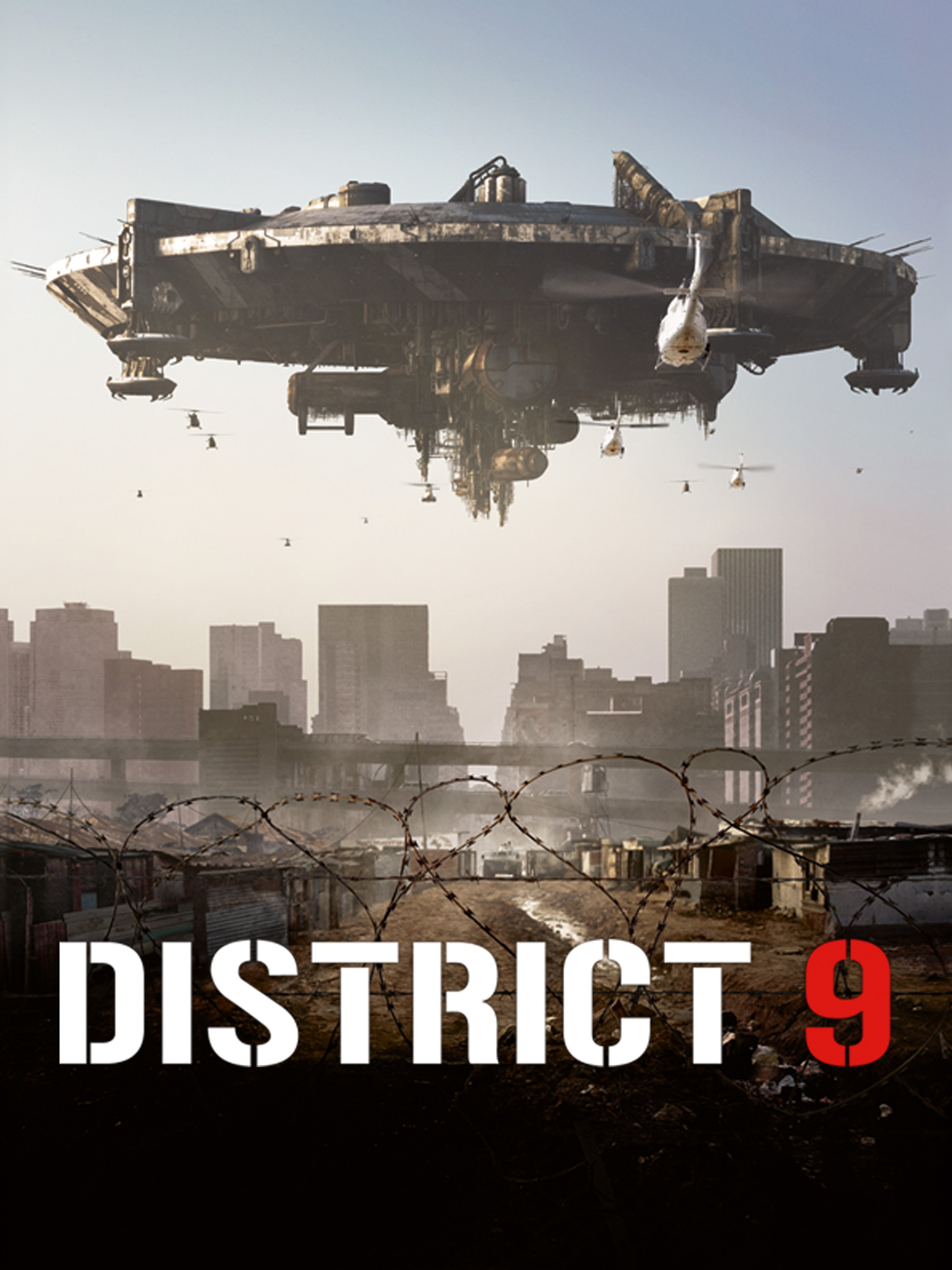
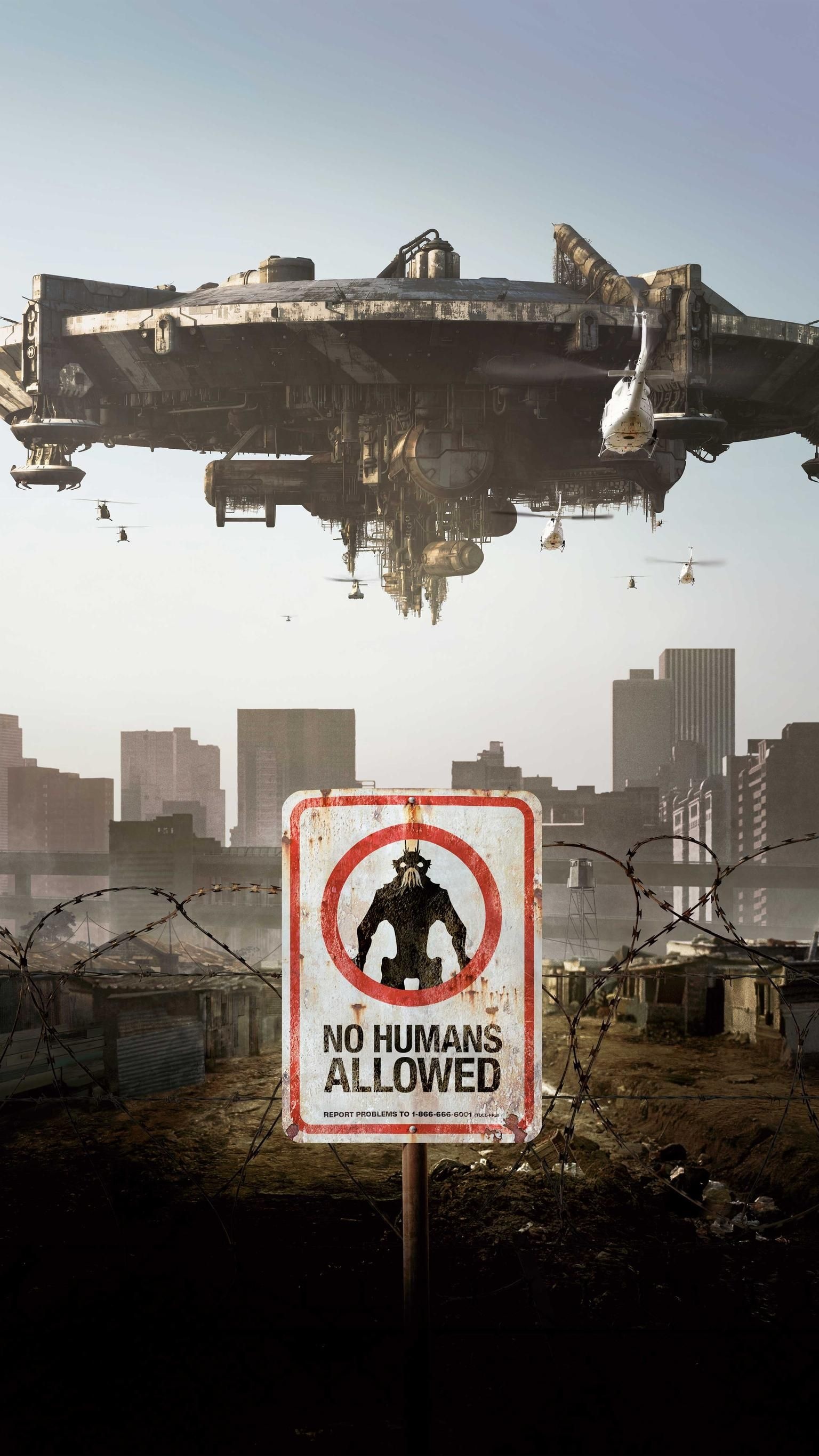
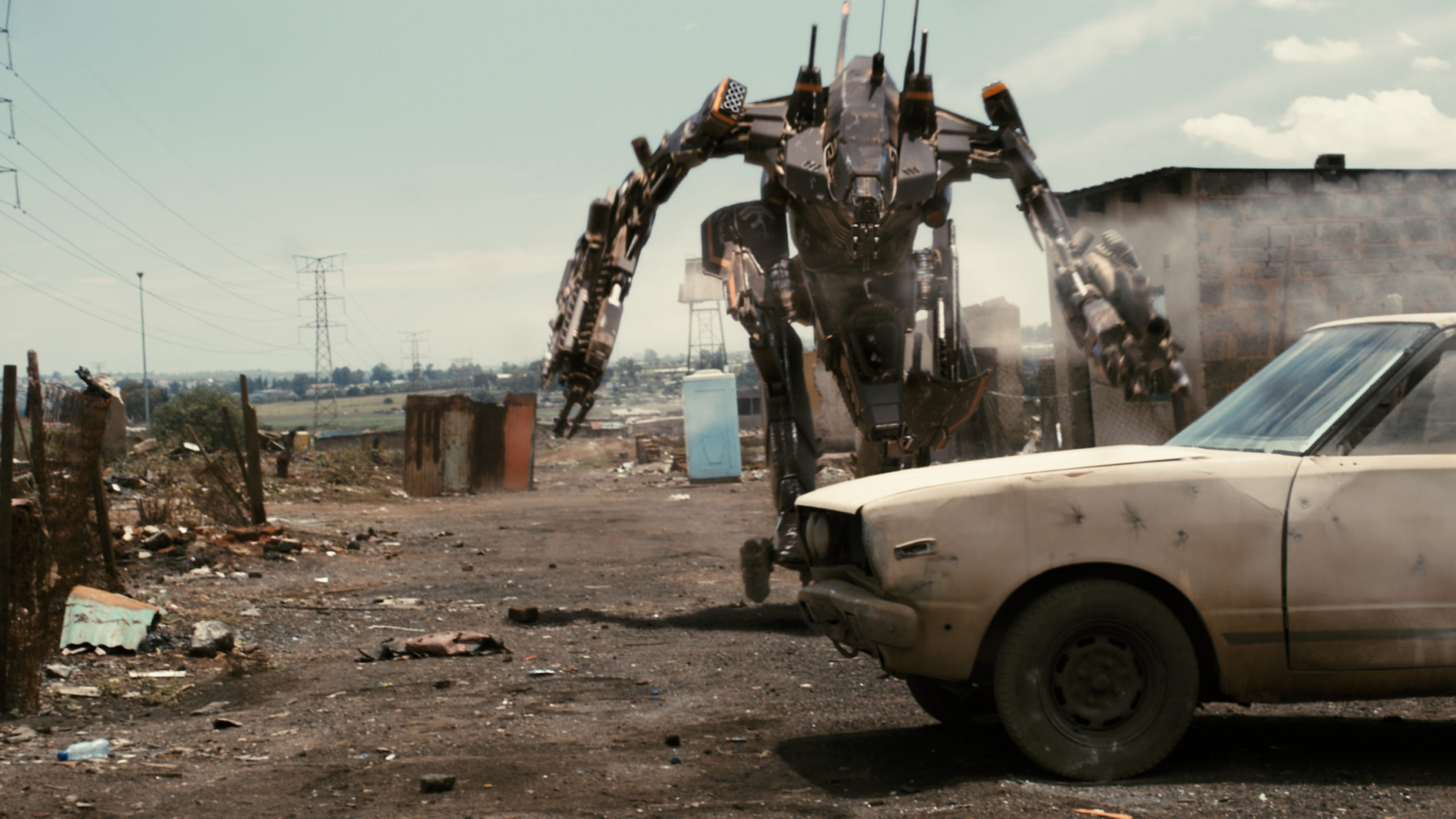
In the context of the 2009 science fiction masterpiece directed by Neill Blomkamp, District 9 is a fictional internment camp located in Johannesburg, South Africa. While the camp itself is a cinematic creation, it was filmed on location in the Chiawelo neighborhood of Soweto, utilizing real environments to ground its story of extraterrestrial segregation in a gritty, visceral reality.
For over a decade, audiences have been captivated by the immersive world-building of District 9. As of 2026, the film remains a cornerstone of "social sci-fi," using its specific South African setting to explore themes of xenophobia, corporate greed, and social stratification. Understanding where District 9 is requires looking at three distinct layers: the fictional geography within the movie, the real-world filming locations used by the production crew, and the historical site that inspired the film’s name and premise.
The Fictional Setting: Johannesburg and the Mothership
In the narrative of the film, District 9 is a sprawling, militarized slum located on the outskirts of Johannesburg. The story begins in 1982 when a massive alien spacecraft comes to a halt directly over the city's skyline. Unlike traditional "first contact" films where aliens land in Washington D.C. or New York, Blomkamp chose his hometown of Johannesburg to provide a fresh, southern-hemisphere perspective on global events.
The fictional District 9 was established by the South African government and the Multi-National United (MNU) corporation as a temporary solution to house the "Prawns" (a derogatory term for the Christopher Johnson’s species, the Poleepkwa). Over the twenty-eight years following their arrival, the area devolved from a refugee camp into a cramped, dangerous ghetto characterized by corrugated metal shacks, dirt roads, and a constant military presence.
The geography of the fictional camp is defined by its proximity to the Johannesburg city center. The alien mothership remains a permanent, looming fixture in the sky, casting a literal and metaphorical shadow over the city. This visual choice emphasizes the disconnect between the affluent urban areas and the squalor of the camp below. The film’s protagonist, Wikus van de Merwe, works for MNU, which operates out of high-tech headquarters that overlook the slums, highlighting the vast economic disparity that defines the world of the film.
Real-World Filming Locations: Soweto and Chiawelo
To achieve the "found footage" and documentary aesthetic that made District 9 so impactful, Neill Blomkamp eschewed traditional Hollywood backlots. Instead, he filmed the majority of the movie in Chiawelo, Soweto, one of the most famous townships in South Africa.
The choice of Chiawelo was both practical and artistic. At the time of filming in late 2008, the area was undergoing a government redevelopment project. Residents were being moved from informal settlements into new, permanent housing. The production team reached an agreement to use the vacated shacks before they were demolished. This provided an authenticity that no set decorator could replicate—real dust, real rust, and a tangible sense of history.
The Logistics of Filming in a Living Environment
Filming in Soweto presented unique challenges and opportunities. The production had to work closely with the local community, hiring hundreds of residents as extras and security. The harsh sunlight of the Highveld (the plateau on which Johannesburg sits) contributed to the film’s overexposed, gritty look.
The MNU headquarters and the more "clinical" environments were filmed in various industrial and commercial sectors of Johannesburg, including the Sandton business district and the Ponte City Apartments. The latter, a towering cylindrical skyscraper, served as a visual inspiration for the dense, vertical urban decay that the film captures. By 2026, many of these locations have undergone significant changes, but the skeletal remains of the industrial zones used in the film still evoke the movie's dystopian atmosphere.
The Historical Inspiration: District Six, Cape Town
While the film is set in Johannesburg and named "District 9," its thematic heart lies in a real location in Cape Town: District Six. The naming convention is a direct reference to the forced removals that occurred in Cape Town during the Apartheid era.
In 1966, the South African government declared District Six a "whites-only" area under the Group Areas Act. Over the following years, more than 60,000 residents were forcibly removed from their homes and relocated to the barren Cape Flats. Their houses were bulldozed, leaving a scar on the landscape that remained largely undeveloped for decades as a symbol of resistance and loss.
Neill Blomkamp used the alien narrative to mirror these historical events. In the film, the plot centers on the forced relocation of the aliens from District 9 to a new, even more remote location called District 10. This parallels the historical movement of Black and Coloured South Africans from inner-city hubs to peripheral townships. By understanding the history of District Six, viewers gain a deeper appreciation for the "where" of District 9; it is not just a place on a map, but a representation of systematic displacement.
Comparing Fictional and Real Locations
To better understand the various facets of the "District 9" location, the following table compares the movie’s settings with their real-world counterparts.
| Entity | Fictional Role | Real-World Location | Context/Significance |
|---|---|---|---|
| District 9 | Alien Internment Camp | Chiawelo, Soweto | Filmed in a real informal settlement prior to its demolition. |
| MNU Headquarters | Corporate/Military Hub | Sandton / Industrial Jo'burg | Represents the sterile, high-tech contrast to the slums. |
| The Mothership | Alien Transport Ship | CGI (Positioned over JHB) | Anchors the sci-fi elements to a recognizable urban skyline. |
| District 10 | Proposed Relocation Site | Rooikop, South Africa | Fictional site 200km away; represents further segregation. |
| District Six | Historical Inspiration | Cape Town | The real-world basis for the film’s themes of forced removal. |
Technical Depth: Why Location Mattered for Production
The "where" of District 9 was essential for its technical success. The film’s visual effects, handled by Image Engine in Vancouver, had to be seamlessly integrated with the handheld, shaky-cam footage shot in Soweto. This required a high level of environmental lighting matching.
Because the film was shot in the bright, harsh South African winter, the lighting was consistent and "flat," which actually helped the VFX artists place the digital "Prawn" characters into the real footage. The red dust of the Johannesburg soil became a key visual element, often seen kicked up by vehicles or staining the clothes of the actors. This environmental consistency makes the fictional District 9 feel like a place where the laws of physics and biology actually apply.
Furthermore, the location allowed for a unique soundscape. The ambient noise of the township—distant sirens, barking dogs, and the wind whistling through corrugated iron—was incorporated into the sound design. This auditory layer ensures that even when the camera isn't showing the camp, the viewer "feels" the location.
Current Status and the Legacy of the Site (2026 Update)
As of 2026, the physical set of District 9 no longer exists. Following the completion of filming, the shacks in Chiawelo were demolished as part of the original government housing plan. The residents who were temporarily displaced or who lived adjacent to the site have since moved into modernized brick-and-mortar homes.
However, the "legacy" of the location persists through film tourism. While there is no official "District 9 Theme Park," many film enthusiasts visiting South Africa take guided tours of Soweto that include the general areas where Blomkamp filmed. These tours often emphasize the dual history of the area: its role in the struggle against Apartheid and its contribution to modern cinema.
Regarding the much-anticipated sequel, District 10, rumors and pre-production updates have circulated for years. Neill Blomkamp has frequently noted that any sequel would need to find a location just as "socio-politically charged" as the first. Whether a sequel returns to Johannesburg or explores a different global "district" remains a topic of intense speculation among fans in 2026.
Frequently Asked Questions
Is District 9 a real place you can visit?
No, District 9 is a fictional location. However, it was filmed in the Chiawelo area of Soweto, Johannesburg. While the specific camp set was dismantled after filming in 2008-2009, Soweto is a vibrant, real-world community that visitors can explore through legitimate tourism operators. It is recommended to visit with a guide to learn about the area's rich political and cultural history.
Why was District 9 filmed in South Africa?
Director Neill Blomkamp is from South Africa and wanted to tell a story that reflected the country's history of Apartheid and segregation. The unique landscape of Johannesburg—with its mixture of extreme wealth and extreme poverty—provided the perfect visual backdrop for a story about "alien" refugees.
What is the significance of the number 9?
The number is largely a fictional designation, but it is widely understood to be a reference to District Six in Cape Town. By choosing "9," the filmmakers suggested a continuation or a different iteration of the same social problems that plagued District Six during the 20th century.
Was the alien ship actually in Johannesburg?
No, the ship was entirely digital. It was added in post-production by visual effects artists. However, the camera operators during filming used specific landmarks in the Johannesburg skyline to ensure that the "gaze" of the characters and the framing of the shots would align perfectly with where the ship was supposed to be.
Is there a real District 9 in other cities?
Yes, many cities use numerical districts for administration. For example, District 9 in Ho Chi Minh City, Vietnam, is a well-known urban area and a hub for high-tech parks. Similarly, many U.S. cities have a "District 9" for city council representation. However, these have no connection to the movie or its themes.
Final Recommendation for Fans and Researchers
If you are interested in the locations and themes of District 9, your next action should be to explore the history of District Six in Cape Town. Visiting the District Six Museum (either in person or through their digital archives) provides the essential context for why the movie was made and why its "fictional" location feels so hauntingly real. Additionally, for those interested in the cinematic process, researching the production notes from Image Engine offers a deep dive into how the real-world South African sun was used to light the digital aliens of District 9.