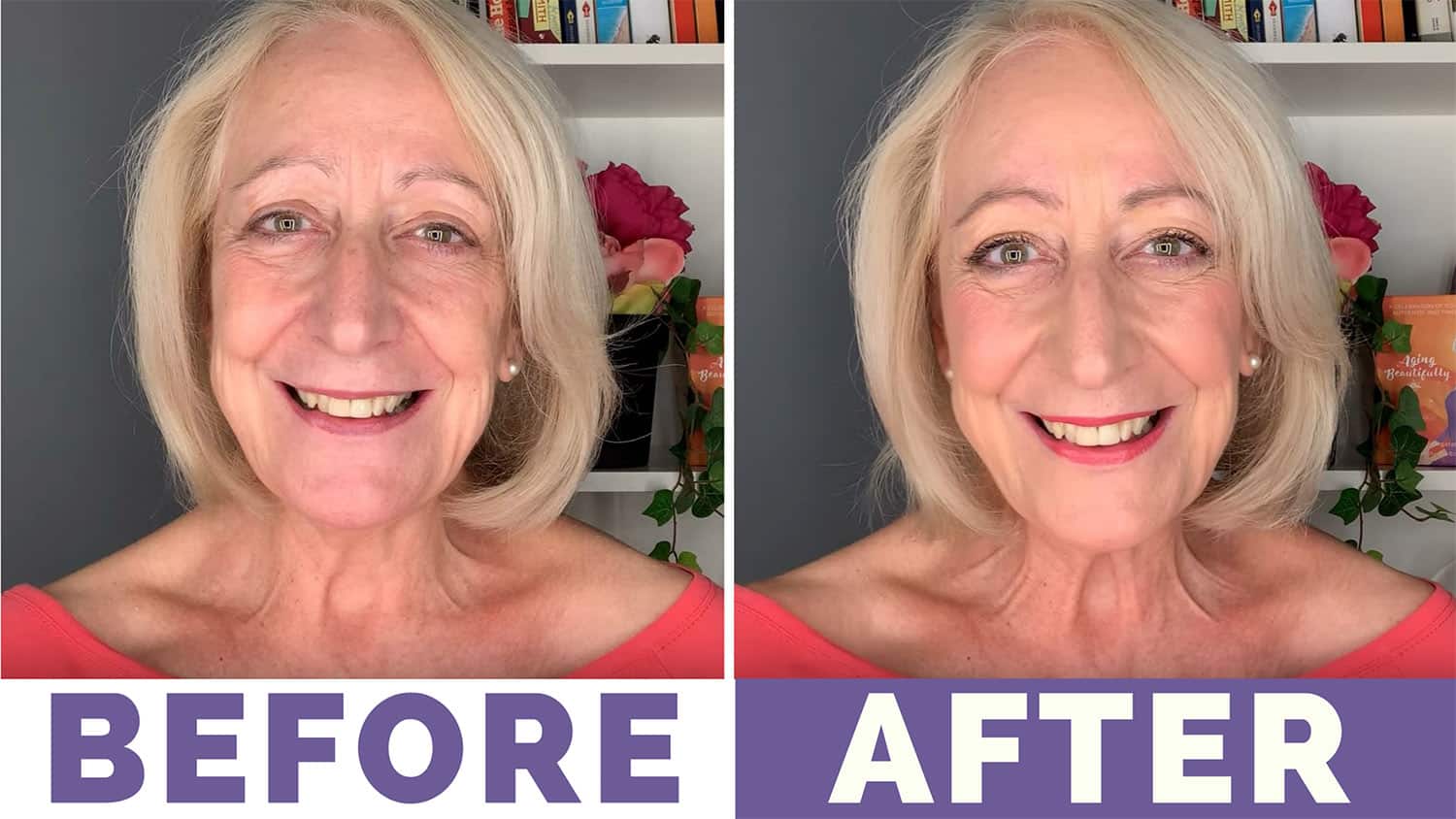
Effective makeup for women over 40 focuses on enhancing natural features through hydration, light-reflecting textures, and strategic placement to create a lifted appearance. By prioritizing skin-first formulas like serum foundations and cream-based pigments, you can minimize the emphasis on fine lines and restore a youthful, radiant glow to maturing skin.
The Evolution of Beauty After 40
As we move through 2026, the philosophy of "anti-aging" has largely been replaced by "pro-aging" and "well-aging." For women over 40, makeup is no longer about masking imperfections but about working with the skin’s changing physiology. Over time, the skin naturally loses collagen and elastin, leading to thinner texture, increased dryness, and the appearance of fine lines or hyperpigmentation.
To achieve a flawless look, one must understand that the techniques used in one's 20s or 30s—such as heavy matte foundations or aggressive contouring—often have the opposite of the intended effect on mature skin. Instead, the goal is to create a luminous, "lit-from-within" finish that mimics the elasticity of younger skin. This guide explores seven proven strategies to master your makeup routine, ensuring you look refreshed, modern, and confident.
1. Prioritize Skin Preparation and Hybrid Primers
The most critical step in a 2026 makeup routine for mature skin occurs before any pigment touches the face. Proper hydration is the foundation of successful makeup application. As estrogen levels fluctuate and skin cell turnover slows, the complexion can appear dull or "ashy."
The Role of Hyaluronic Acid and Ceramides
Before applying makeup, ensure your skin is saturated with moisture. Look for serums containing multi-molecular weight hyaluronic acid, which hydrates different layers of the dermis. Following this with a ceramide-rich moisturizer helps lock in that hydration, creating a plump surface that prevents foundation from settling into fine lines.
Choosing the Right Primer
In 2026, the distinction between skincare and makeup is thinner than ever. Skip the heavy, silicone-based "pore-filling" primers of the past, which can often feel suffocating on the skin. Instead, opt for illuminating primers or "glow drops" that contain niacinamide or vitamin C. These products provide a subtle radiance that shines through your foundation, giving the illusion of a more vibrant, energetic complexion. If you struggle with redness—a common issue due to rosacea or hormonal changes—a color-correcting primer with a slight green tint can neutralize the skin tone without requiring heavy concealer later.
2. Transition to Sheer, Serum-Based Foundations
One of the most common mistakes women over 40 make is using a high-coverage, matte foundation to hide wrinkles. Unfortunately, heavy pigments act like "magnifying glasses" for skin texture. As the day progresses, these formulas settle into creases, making lines look deeper than they actually are.
The Power of "Skin Tints"
The trend in 2026 leans heavily toward serum foundations and skin tints. These products offer a "your skin but better" finish. They are formulated with high concentrations of skincare ingredients—like peptides and antioxidants—and lower concentrations of pigment. This allows your natural skin texture to show through while evening out redness and minor discolorations.
Application Techniques for a Seamless Finish
When applying foundation, start at the center of the face (where most redness occurs) and blend outward toward the ears and jawline. Use a damp beauty sponge rather than a brush. The moisture in the sponge helps shear out the product and ensures it bonds with the skin rather than sitting on top of it. Always remember: you can add more coverage to specific spots with concealer, but you cannot easily "undo" a heavy layer of foundation.
3. Master the "Lifting" Concealer Technique
Concealer is a powerful tool, but its traditional application—the large "V" shape under the eyes—is often detrimental for those over 40. The skin under the eyes is the thinnest on the entire body and lacks oil glands, making it highly prone to "creasing."
Strategic Placement
Instead of coating the entire under-eye area, apply a tiny amount of hydrating concealer only to the inner corner (where darkness is most prominent) and a small swipe at the outer corner, angled upward toward the temple. This creates an optical "lift," drawing the viewer's eye upward and masking sagging or drooping.
Formula Selection
Look for "stretch" concealers or "elastic" formulas. These are designed to move with your facial expressions rather than drying down into a rigid layer. If you have significant dark circles, use a peach or bisque-toned color corrector first. This allows you to use a much thinner layer of skin-toned concealer on top, reducing the overall product buildup.
4. Redefine Eyes with Texture and Softness
Eye makeup for the 40+ demographic requires a shift from "dramatic" to "defined." Eyelids often become more hooded or develop "crepiness" as we age, which affects how eyeshadow sits on the skin.
Matte vs. Shimmer
While the old rule of "no shimmer after 40" is outdated, it should be used strategically. High-glitter shadows can emphasize texture on the lid. Instead, use finely milled satins or mattes for the base of the eye. If you want a pop of light, apply a soft shimmer only to the very center of the lid or the inner tearduct.
The "Tightlining" Secret
As lashes thin out, the eyes can lose their definition. "Tightlining"—applying a waterproof gel eyeliner to the upper inner waterline—fills the gaps between the lashes, making them look thicker without the need for a heavy, visible line on the lid. Avoid harsh black liners, which can look severe; instead, opt for deep espresso browns, charcoal grays, or navy blues to brighten the whites of the eyes.
5. Focus on Brows as the "Anchor" of the Face
Brows provide the structural framework for the face. As we age, brows often become sparse, particularly at the outer "tail." A well-defined brow can provide an instant "mini-lift" to the eye area.
Avoiding the "Painted-On" Look
Avoid using heavy pomades or dark pencils that create a solid block of color. This looks artificial and aging. Instead, use a micro-fine brow pencil to draw individual, hair-like strokes in the direction of natural growth. Focus on the arch and the tail, as these are the areas that provide the most lift.
Brow Gels and Volume
In 2026, tinted brow gels with micro-fibers are highly popular for women over 40. These products add volume to existing hairs and hold them in an upward, "feathered" direction. This upward grooming counteracts the natural downward pull of gravity on the brow bone.
6. Embrace Cream Blushes and Strategic Placement
Blush is perhaps the most underrated tool for looking younger. It restores the "flush of youth" that often fades as microcirculation in the skin decreases with age.
Why Cream over Powder?
Powder blushes can look dry and sit on top of the skin. Cream or liquid blushes, however, melt into the foundation, providing a dewy, translucent finish. They also offer the benefit of being "buildable," allowing you to control the intensity of the color.
Placement for a Lifted Effect
The traditional advice of "smile and apply to the apples of your cheeks" can actually be counterproductive. When you stop smiling, those "apples" drop, pulling the color—and your face—down. Instead, apply your blush slightly higher on the cheekbones, blending up toward the temples. This draws the eye upward and emphasizes the bone structure.
| Product Type | Best For | Benefit for 40+ Skin |
|---|---|---|
| Serum Foundation | Evening out skin tone | Provides hydration and doesn't settle into lines. |
| Cream Blush | Adding a healthy glow | Mimics natural skin texture and adds moisture. |
| Gel Eyeliner | Defining the eyes | Stays put on hooded lids and provides soft definition. |
| Fiber Brow Gel | Framing the face | Adds volume to thinning brows for a youthful look. |
| Hydrating Concealer | Brightening the eyes | Brightens without "creaking" or caking. |
7. The New Rules of Lip Definition and Finish
Lips lose volume and "border definition" over time. Fine vertical lines (often called "smoker's lines," even in non-smokers) can cause lipstick to "bleed" or "feather" outside the lip line.
The Necessity of Lip Liner
A lip liner in a shade close to your natural lip color is essential. It acts as a dam, preventing lipstick from migrating into fine lines. In 2026, many women use lip liners to subtly "over-line" the cupid’s bow and the center of the bottom lip to restore lost fullness.
Texture and Tone
Matte liquid lipsticks are often too drying for mature lips. Instead, choose satin-finish lipsticks or tinted lip balms. These formulas provide a hint of shine that makes lips look plumper and more hydrated. Avoid very dark or "muddy" brownish tones, which can make lips look smaller; instead, opt for "nude" pinks, soft corals, or classic sheer reds to brighten the entire face.
Setting Your Look Without the "Dry" Effect
The final step in any makeup routine is ensuring it lasts. However, the traditional method of "baking" with heavy loose powder is highly discouraged for those over 40.
Minimal Powdering
If you have an oily T-zone, use a tiny amount of translucent, light-reflecting powder only on the forehead, nose, and chin. Avoid the cheeks and the under-eye area entirely.
The 2026 Setting Spray
Modern setting sprays in 2026 do more than just hold makeup in place; they act as a final layer of hydration. Look for sprays containing glycerin or rosewater. A light mist after you’ve finished your makeup will "melt" the different layers together, removing any powdery look and leaving you with a seamless, radiant finish.
Frequently Asked Questions
Should I use SPF in my makeup or as a separate step?
While many 2026 foundations include SPF, it is rarely enough to provide full protection because we don't apply foundation thick enough to meet the SPF rating. You should always apply a dedicated sunscreen (broad-spectrum SPF 30 or higher) as the final step of your skincare before starting your makeup primer. This ensures consistent protection against UV rays, which are the primary cause of skin aging. For more on sun protection, the American Academy of Dermatology offers extensive guidelines.
How do I hide dark circles without the makeup looking "cakey"?
The key is color correction. Instead of piling on more concealer, use a peach-toned corrector to neutralize the blue/purple tones of the dark circle. Once the color is neutralized, you only need a very thin, "wash" of concealer to match the area to the rest of your skin. This reduces the total amount of product used.
Can I still wear colorful eyeshadow after 40?
Absolutely. However, the key is "sophisticated" color. Instead of bright neons or chunky glitters, look for "jewel tones" with a satin finish. Emerald greens, deep plums, and navy blues can look incredibly elegant and actually make eye colors pop. Ensure you blend the edges thoroughly to avoid harsh, dated lines.
What is the best way to deal with "creping" on the eyelids?
First, never skip an eye-specific primer. These are formulated to smooth out the surface of the lid. Second, stick to matte or low-satin shadows, as high-shine frost will highlight every fold. Using a cream-to-powder shadow can also help, as these formulas often "grip" the skin better than traditional powders.
My foundation always looks "flaky" by mid-day. How can I fix this?
This is usually a sign of dehydration or a buildup of dead skin cells. Ensure you are exfoliating regularly with a gentle chemical exfoliant (like lactic acid) and using a rich moisturizer. If the flakiness happens during the day, don't add more powder. Instead, use a facial mist to rehydrate the makeup and gently pat it with your fingers to smooth out the texture.
Recommendation for Next Actions
To successfully implement these tips, start by auditing your current makeup bag. Replace one "heavy" product—like a full-coverage powder or a matte lipstick—with a hydrating cream alternative. Focus first on perfecting your skincare and primer routine, as a healthy "canvas" makes every subsequent makeup step significantly easier and more effective. For personalized advice regarding skin changes, consulting a dermatologist can provide insights into specific ingredients that will best support your skin's health as you age. Resources like the Mayo Clinic provide excellent overviews of age-related skin changes and care.