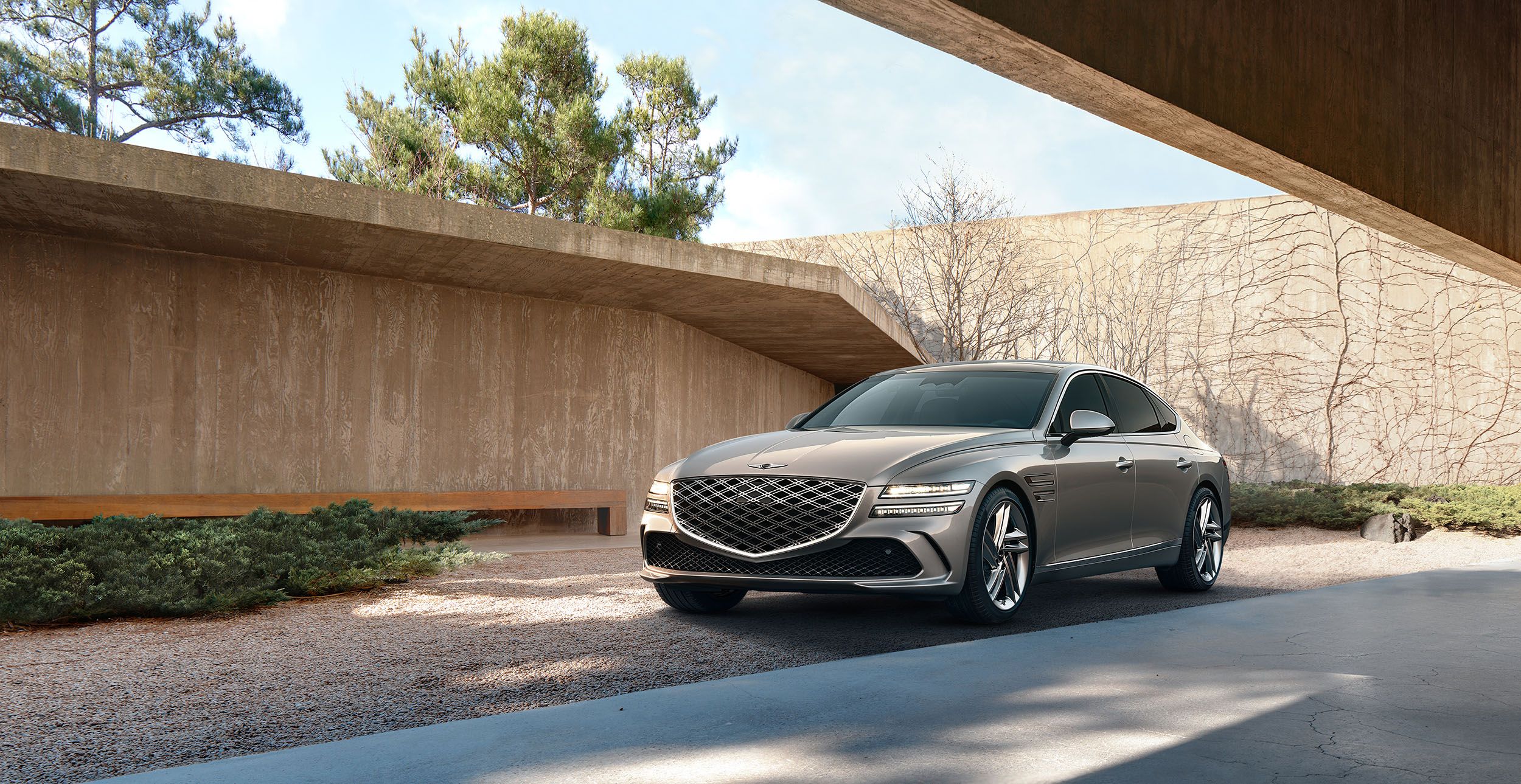
In 2026, the $60,000 price point represents the ultimate competitive battleground for luxury automakers. This segment is designed for buyers who refuse to compromise, demanding a vehicle that provides the visceral thrill of a sports car alongside the serene, isolated cabin of a premium cruiser. Finding a car that masters this duality requires looking beyond simple acceleration figures and focusing on chassis tuning, cabin materials, and active suspension technologies.
The Evolution of the Performance-Comfort Balance in 2026
The historical trade-off between a "stiff" performance car and a "soft" luxury car has largely been dismantled by advancements in automotive engineering. In the current 2026 market, three primary technologies allow manufacturers to offer both traits in a single package:
- Adaptive Damping Systems: Modern sensors now sample road conditions hundreds of times per second. By adjusting the fluid viscosity or valving within the shock absorbers, a car can remain supple over potholes while instantly firming up when the driver enters a high-speed corner.
- Acoustic Engineering: Performance cars used to be loud by necessity. Today, the use of acoustic-laminated glass, active noise cancellation (ANC) through the audio system, and "hush panels" in the wheel wells allows a car to roar under heavy throttle while remaining whisper-quiet at a 75-mph cruise.
- Mild-Hybrid Integration: By utilizing 48-volt systems, manufacturers can smooth out the stop-start transitions of high-output engines, providing linear power delivery that feels sophisticated rather than jerky.
When shopping for a luxury car under $60,000, it is essential to look at the "as-tested" price. While many base models start in the mid-$40,000 range, reaching the ideal blend of performance and comfort often requires selecting specific packages—such as adaptive suspensions or upgraded interior leather—that push the final MSRP toward the $55,000 to $58,000 range.
1. BMW 330i xDrive (M Sport Package)
The BMW 3 Series remains the benchmark for the sport-sedan segment. For 2026, the 330i strikes a more harmonious balance than its more aggressive M340i sibling, which can sometimes lean too far into harshness for daily commuting.
Performance Profile
Equipped with a 2.0-liter TwinPower Turbo inline-four, the 330i produces approximately 255 horsepower and 295 lb-ft of torque. While these numbers may seem modest compared to V6 rivals, the 330i’s secret lies in its ZF 8-speed automatic transmission tuning and its near-perfect 50/50 weight distribution. The xDrive all-wheel-drive system provides confident traction in all weather conditions without sacrificing the rear-biased feel that enthusiasts crave.
Comfort and Interior
BMW’s current iDrive 9 system dominates the dashboard with a curved display that is both high-tech and intuitive. To maximize comfort, the "Luxury Package" combined with the "M Sport" suspension is the winning configuration. This provides the M Sport's sharper steering rack but retains the sophisticated damping required for long-distance travel. The Sensatec (synthetic leather) upholstery in 2026 is virtually indistinguishable from genuine hide, offering both durability and a soft touch.
2. Genesis G70 3.3T Sport Prestige
Genesis has successfully disrupted the German hierarchy by offering features as standard that others list as expensive options. The G70 3.3T is the "muscle car" of the luxury compact segment.
Performance Profile
The 3.3-liter twin-turbo V6 is a powerhouse, delivering 365 horsepower. In a car of this size, that power translates to a 0-60 mph time of roughly 4.5 seconds. For 2026, Genesis has refined the electronic limited-slip differential, ensuring that the power is applied smoothly during corner exit, reducing the "twitchiness" found in earlier models.
Comfort and Interior
The Sport Prestige trim stays under the $60,000 ceiling and includes Nappa leather seats with "G-Matrix" quilting. The seat ergonomics are among the best in the industry, featuring power-adjustable side bolsters that tighten when you engage "Sport" mode and relax in "Comfort" mode. The cabin is heavily insulated, utilizing extensive sound-deadening material in the pillars to isolate the V6's growl from the passenger compartment.
3. Audi A5 Sportback 45 TFSI
The Audi A5 Sportback is often chosen for its "S-line" aesthetics, but its true value lies in its versatility and the sophistication of its damping.
Performance Profile
The 45 TFSI powertrain utilizes a high-output 2.0-liter engine paired with a 12-volt mild-hybrid system. This setup produces 261 horsepower. The Quattro with Ultra technology stays in front-wheel drive for efficiency but engages the rear wheels proactively before they are even needed. It is a clinical, precise performer that feels glued to the road.
Comfort and Interior
The "Sportback" design adds a layer of practical comfort, offering a power liftgate and a deep cargo area that traditional sedans lack. Inside, the Audi Virtual Cockpit remains the gold standard for digital instrument clusters. The A5’s suspension is tuned slightly softer than the BMW 3 Series, making it the superior choice for those who frequently navigate poorly maintained urban streets.
4. Lexus IS 350 F Sport Design
Lexus has built its reputation on comfort, but the IS 350 F Sport adds a layer of tactile engagement that makes it a legitimate performance contender.
Performance Profile
Unlike its turbocharged competitors, the IS 350 uses a naturally aspirated 3.5-liter V6. It delivers 311 horsepower with a linear power band that many purists prefer over the "surge" of a turbocharger. The throttle response is immediate, and the engine note is organic and pleasing.
Comfort and Interior
Lexus seats are widely regarded as the most comfortable for long-duration driving. The F Sport Design trim includes specially bolstered seats that support the lower back without feeling restrictive. While the infotainment has been updated for 2026 to a full touchscreen interface, the physical knobs for volume and tuning remain—a "comfort" feature for those tired of menu-diving while driving.
5. Cadillac CT5-V (Non-Blackwing)
While the Blackwing variant gets the headlines, the standard CT5-V is the hidden gem for those seeking the ultimate blend of performance and ride quality under $60,000.
Performance Profile
The CT5-V is powered by a 3.0-liter Twin-Turbo V6 producing 360 horsepower. However, the standout feature is the Magnetic Ride Control 4.0. This is arguably the world's fastest-reacting suspension technology. It allows the CT5-V to behave like a track-focused machine one moment and a floating luxury barge the next.
Comfort and Interior
The CT5-V offers more interior volume than most cars on this list, bordering on mid-size dimensions. In 2026, Cadillac has significantly upgraded the interior materials, replacing hard plastics with stitched leather and carbon fiber inlays. The Super Cruise hands-free driving technology (available as an option within the $60k budget) adds a level of highway comfort that no other car in this class can match.
6. Mercedes-Benz C 300 4MATIC (AMG Line)
The C-Class is often referred to as a "Baby S-Class," and in 2026, that comparison is more accurate than ever.
Performance Profile
The C 300 utilizes a 2.0-liter four-cylinder engine with an integrated starter-generator (ISG). This provides a "boost" of 20 horsepower and 148 lb-ft of torque in short bursts. The performance is smooth and effortless rather than aggressive. The AMG Line package adds larger brakes and a sport-tuned suspension that sharpens the handling without ruining the Mercedes-Benz "glide."
Comfort and Interior
The interior is the primary selling point. With 64-color ambient lighting, a massive portrait-oriented central display, and Air-Balance cabin fragrance systems, the C 300 feels like it belongs in a higher price bracket. The NVH (Noise, Vibration, and Harshness) levels are exceptionally low, making this the quietest cabin on the list.
7. Volvo S60 Recharge (Black Edition)
The Volvo S60 Recharge is a plug-in hybrid (PHEV) that offers a unique take on the performance-comfort spectrum.
Performance Profile
This is the sleeper of the group. By combining a turbocharged engine with an electric motor, the S60 Recharge produces a staggering 455 horsepower and 523 lb-ft of torque. It is the fastest car in this lineup in a straight line, capable of a 0-60 mph sprint in just 4.3 seconds.
Comfort and Interior
Volvo’s approach to luxury is "Scandinavian Sanctuary." The interior is minimalist, using high-quality sustainable materials and Open Pore Wood. The seats are orthopedically designed, specifically shaped to prevent fatigue on multi-hour journeys. Because it is a PHEV, you can drive up to 40 miles on pure electricity, providing a silent, vibration-free "comfort" experience that gasoline-only cars cannot replicate.
Comparison Table: 2026 Luxury Performance Sedans
| Model | 0-60 MPH (Sec) | Horsepower | Key Comfort Feature | Estimated 2026 MSRP |
|---|---|---|---|---|
| BMW 330i xDrive | 5.4 | 255 | iDrive 9 / Balanced Damping | $49,500 |
| Genesis G70 3.3T | 4.5 | 365 | Nappa Leather / Ergo Seats | $56,000 |
| Audi A5 Sportback | 5.3 | 261 | Virtual Cockpit / Hatch Utility | $52,000 |
| Lexus IS 350 F Sport | 5.6 | 311 | Best-in-class Seat Comfort | $51,000 |
| Cadillac CT5-V | 4.8 | 360 | Magnetic Ride Control 4.0 | $58,500 |
| Mercedes C 300 | 6.0 | 255+ | S-Class Interior Tech | $50,500 |
| Volvo S60 Recharge | 4.3 | 455 | EV-Mode Silence / Ergonomics | $59,000 |
Factors to Consider When Buying
Maintenance and Total Cost of Ownership
While these cars all fall under $60,000 for the initial purchase, their long-term costs vary. BMW and Volvo often include scheduled maintenance for the first few years, which can save thousands. Lexus maintains the highest resale value, making it the smartest financial choice for those who plan to trade in their vehicle after three to five years.
The Role of Wheels and Tires
A common mistake when seeking "comfort" is opting for the largest available wheels (20 or 21 inches). Larger wheels require lower-profile tires with thinner sidewalls, which provide less cushioning against road impacts. If comfort is your priority, stick with 18 or 19-inch wheels, even if the larger ones look more "performance-oriented."
Technology vs. Distraction
In 2026, almost every luxury car features large touchscreens. Some, like Audi and BMW, have refined the user interface to be accessible with minimal distraction. Others require multiple taps to adjust the air conditioning. Always test the "ease of use" of the climate and audio controls during your test drive, as a frustrating interface can quickly ruin the "comfort" of a luxury cabin.
Frequently Asked Questions
Which of these cars has the best insurance rates?
Generally, the Lexus IS 350 and Volvo S60 tend to have lower insurance premiums. The Lexus is viewed as a reliable, lower-risk vehicle by insurers, while Volvo’s industry-leading safety suites often earn "safety discounts" from major providers. High-performance models like the Cadillac CT5-V or Genesis G70 3.3T may carry higher premiums due to their higher horsepower ratings and repair costs.
Is premium fuel required for all these models?
Yes. To achieve the performance and fuel efficiency figures stated by the manufacturers, all seven of these vehicles require premium (91 octane or higher) gasoline. Using lower-grade fuel can result in "knocking" and will cause the engine computer to retard timing, significantly reducing both horsepower and fuel economy.
Can I actually get these cars for under $60,000 with options?
Yes, but you must be disciplined. For example, a BMW M340i starts near $60,000, meaning any options will push it over. However, a well-equipped 330i or a Genesis G70 fits comfortably within the budget even with the highest-tier packages. Always check for "Destination Charges," which can add $1,000 to $1,500 to the final sticker price.
Which car is best for tall drivers?
The Cadillac CT5-V and Audi A5 Sportback offer the best ergonomics for taller individuals. The Cadillac provides superior legroom, while the Audi’s "Sportback" roofline is surprisingly accommodating for headroom in the front seat. The Lexus IS, by comparison, has a more "cockpit-like" feel that can feel cramped for those over 6'2".
Final Recommendation
For the buyer who prioritizes raw performance without sacrificing a supple ride, the Cadillac CT5-V with Magnetic Ride Control is the clear winner. Its suspension technology is simply a generation ahead of the traditional steel-spring setups found in other cars at this price point.
However, if your definition of luxury leans more toward interior serenity and build quality, the Mercedes-Benz C 300 remains the gold standard. It provides a level of cabin isolation and technological sophistication that makes every commute feel like a specialized experience, even if it isn't the fastest car on the track.
Before finalizing a purchase, ensure you test drive your top two choices on the exact types of roads you travel daily. A car that feels comfortable on a smooth dealership loop may behave very differently on a rutted highway or a winding backroad.