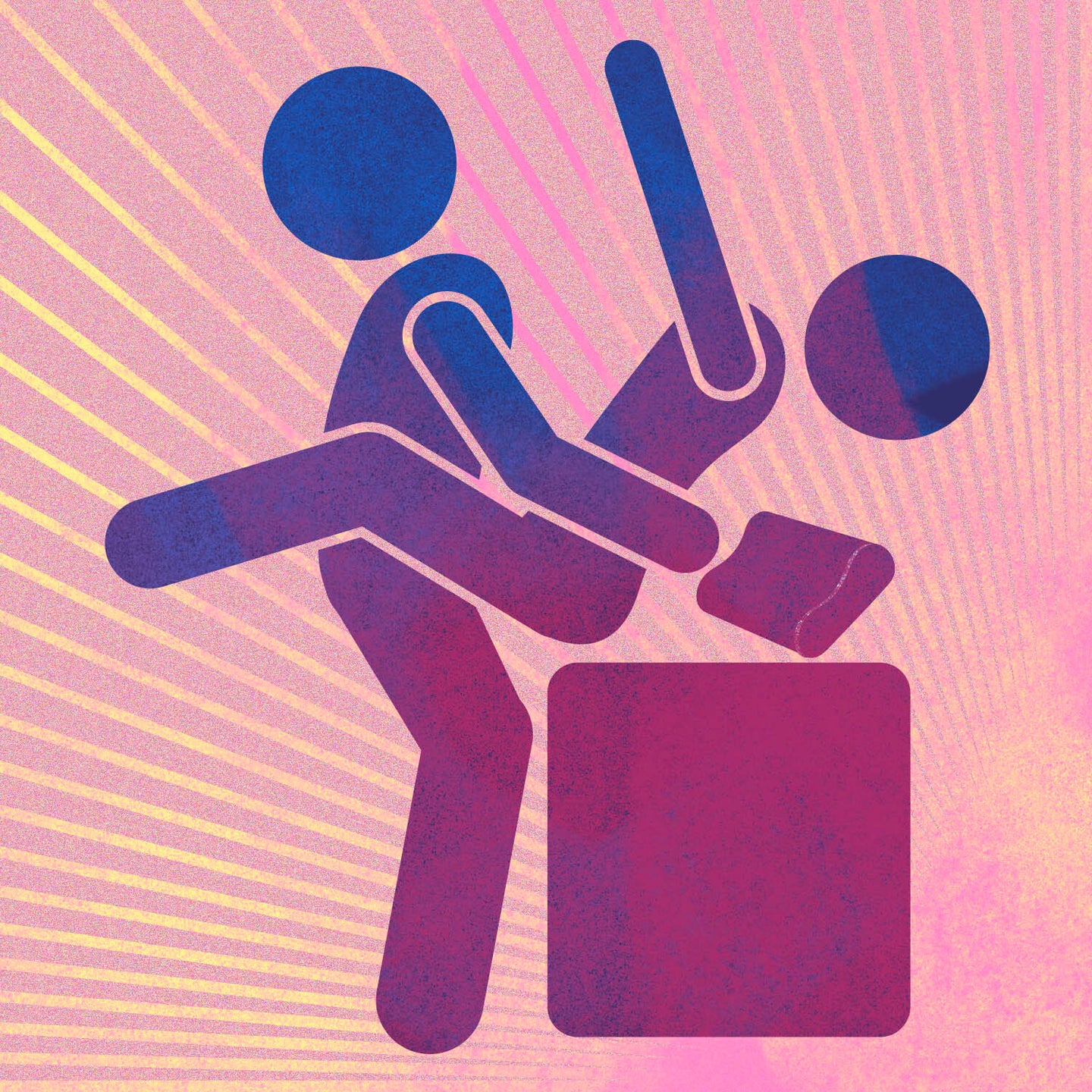
Intimacy evolves over time, and maintaining a fulfilling sex life as an older woman often requires adapting to physical changes, comfort needs, and shifting flexibility. Exploring positions that minimize strain while maximizing stimulation can transform intimacy, ensuring it remains pleasurable, comfortable, and deeply connecting.
As women age, physiological transitions such as menopause, vaginal dryness, pelvic floor shifts, and joint stiffness can alter how sex feels. Rather than signaling an end to an active sex life, these changes simply call for a more intentional approach to positioning and pacing. Adjusting angles, utilizing support pillows, and prioritizing communication can alleviate physical pressure on hips, knees, and the lower back while enhancing physical closeness and sensory pleasure.
Understanding the Physical Shifts of Intimacy in Later Life
Aging brings a natural evolution to the human body, affecting both men and women. For older women, hormonal shifts during and after menopause can lead to reduced natural lubrication, decreased estrogen levels that affect pelvic tissue elasticity, and potential stiffness in joints like the hips and lower spine. These factors do not diminish the capacity for pleasure, but they do change the functional requirements of intimacy.
Traditional positions that require holding body weight for extended periods, deep joint flexion, or high-impact movement can cause discomfort or distraction. Shifting toward positions that emphasize stability, mutual support, and ergonomic alignment allows both partners to focus entirely on connection and sensation rather than physical strain.
Furthermore, acknowledging these changes opens the door to using assistive accessories. Ergonomic positioning aids, memory foam wedges, and regular pillows are valuable tools that change pelvic angles, reduce joint stress, and improve accessibility. Integrating these elements is a practical step toward sustainable, pain-free pleasure.
1. The Spooning Position (Side-by-Side Intimacy)
The spooning position is widely considered one of the most accessible and comfortable arrangements for older couples. In this side-lying position, both partners face the same direction, with one partner positioned behind the other.
- How it works: Both partners lie on their sides, curled together like spoons. The rear partner enters from behind while both maintain a relaxed, horizontal posture.
- Why it works for older women: This position eliminates body weight pressure on the arms, knees, and lower back. It requires minimal physical exertion, making it ideal for individuals with joint stiffness, arthritis, or fatigue.
- Enhancements: Placing a pillow between the knees of the front partner can align the hips and relieve lower back tension. The rear partner can easily use a hand to stimulate the clitoris, compensating for any changes in natural lubrication or sensitivity.
2. The Modified Missionary (The Pillow-Supported Classic)
The traditional missionary position can sometimes place heavy strain on a woman's hips and lower back, but a few simple adjustments transform it into a supportive, deeply intimate option.
- How it works: The woman lies on her back while her partner positions themselves on top or kneeling between her legs. To alter the angle, a firm pillow or wedge is placed directly underneath the woman’s lower back or hips.
- Why it works for older women: Elevating the hips tilts the pelvis, improving internal contact and depth without requiring extreme leg elevation or hip opening. It also reduces the weight burden on the woman's joints if the partner supports their own upper body weight on their hands or elbows.
- Enhancements: Partners can maintain continuous eye contact and deep kissing, preserving the emotional intimacy that many couples prioritize in later years. Adjusting the height of the hip support allows partners to find the exact angle that feels most comfortable.
3. The Edge of the Bed (Seated Control and Accessibility)
Gravity and angles play a major role in comfortable intimacy. Using the edge of a bed or a sturdy chair allows for upright postures that reduce floor-level strain and knee bending.
- How it works: The woman sits comfortably near the edge of the mattress, with her feet supported on the floor or resting on a low stool. Her partner stands or kneels directly in front of her.
- Why it works for older women: This position grants the woman significant control over the pace, depth, and rhythm of penetration. It completely removes the need to lie flat, which can be beneficial for individuals with acid reflux, respiratory concerns, or lower back pain.
- Enhancements: The seated partner can lean back against piled pillows on the headboard if they need extra upper body support, or wrap their legs lightly around the standing partner's waist if flexibility permits.
4. Woman-on-Top with Support (The Adapted Cowgirl)
Being on top allows complete autonomy over movement and pressure, but traditional straddling can tire out the knees and thighs. Adapting the posture ensures comfort without losing control.
- How it works: The woman straddles her seated or lying partner, but instead of kneeling upright, she can lean forward, resting her hands or forearms on her partner's chest or shoulders. Alternatively, she can sit further down the torso rather than deep at the base.
- Why it works for older women: This puts the woman entirely in the driver's seat regarding speed and depth, allowing her to avoid any movements that cause discomfort. Leaning forward distributes body weight away from the knees.
- Enhancements: Placing a folded blanket or small cushion under the partner’s pelvis underneath can soften the surface if kneeling or lying flat on a firm mattress causes discomfort.
5. The V-Shaped Vixen (Angled Support)
When hip abduction (spreading the legs wide) causes tightness or discomfort, angled variations provide an alternative that keeps the body relaxed.
- How it works: The woman lies on her back diagonal to the bed, with one leg extended straight and the other resting up on the bed or draped over her partner's hip. Her partner kneels or positions themselves in the resulting V-shaped space.
- Why it works for older women: It reduces the need for symmetrical hip opening, which can be difficult for individuals with hip replacements or arthritis. It also provides a stable base that requires minimal muscular tension.
- Enhancements: Use extra pillows to support the resting leg, ensuring that muscles remain completely relaxed throughout the experience.
6. Doggy Style with Torso Support (The Comfort-First Rear Entry)
Traditional rear-entry positions can place uncomfortable pressure on wrists, knees, and lower backs. Adding torso support makes this angle accessible and pleasurable.
- How it works: Instead of supporting body weight on hands and knees, the woman rests her upper body flat or slightly elevated on a stack of pillows, a wedge, or the edge of the mattress, keeping her hips elevated.
- Why it works for older women: By transferring upper body weight onto supportive cushions, the wrists, shoulders, and lower back are relieved of strain. This position also allows for deep stimulation while maintaining a completely relaxed spine.
- Enhancements: Adjust the height of the pillow stack under the chest and torso to find an elevation that feels natural and completely free of muscular tension.
7. The Coital Alignment Technique (CAT)
The Coital Alignment Technique is a variation of the missionary position specifically designed to maximize clitoral stimulation through continuous sliding contact rather than thrusting.
- How it works: The partners lie in a modified missionary position, but the male partner slides higher up so that his lower abdomen and pelvic bone maintain continuous, gliding friction against the clitoral area during movement.
- Why it works for older women: Because natural lubrication can decrease with age, positions that rely on friction-free or sliding contact rather than deep, repetitive thrusting can be significantly more comfortable and pleasurable.
- Enhancements: Using a high-quality, silicone- or water-based personal lubricant alongside this position ensures smooth movement and eliminates friction-related irritation.
Comparison of Positions for Specific Physical Needs
| Position | Primary Benefit | Best For Managing | Assistance Needed |
|---|---|---|---|
| Spooning | Zero body weight strain | Joint stiffness, back pain | Pillow between knees |
| Modified Missionary | Adjustable pelvic angle | General hip/back discomfort | Wedge or firm pillow |
| Edge of the Bed | Upright posture & control | Knee pain, acid reflux | Sturdy bed edge or stool |
| Adapted Cowgirl | Full autonomy of motion | Fatigue, pacing needs | Arm support on partner |
| V-Shaped Vixen | Asymmetrical hip ease | Limited hip flexibility | Leg support pillows |
| Torso-Supported Rear | Relieves wrist/knee pressure | Lower back strain | Wedge or pillow stack |
| Coital Alignment | Continuous friction focus | Dryness or sensitive tissues | Quality lubricant |
Practical Tips for Enhancing Intimacy Later in Life
Adapting physical positions is only one component of a fulfilling intimate life. Integrating practical habits can significantly enhance comfort and pleasure:
- Prioritize Lubrication: Incorporating a reliable, body-safe personal lubricant compensates for hormonal changes and prevents friction, making any position more enjoyable.
- Communicate Openly: Talk with your partner about what feels good, what causes tension, and when adjustments are necessary. Comfort is dynamic and can change from day to day.
- Warm Up Slowly: Allow more time for foreplay and physical relaxation. Older bodies benefit from extended warming up to increase blood flow and natural responsiveness.
- Embrace Flexibility in Timing: Intimacy does not need to follow a rigid schedule or format. Exploring affection, massage, and touch outside of penetrative intercourse keeps intimacy vibrant and low-pressure.
If physical discomfort persists despite trying supportive positions and lubricants, consulting a gynecologist, urogynecologist, or a certified sex therapist can provide personalized medical guidance and pelvic floor physical therapy options.