60 Minutes is the longest-running and most influential investigative newsmagazine in American television history, airing on CBS since 1968. As of 2026, it remains a pillar of Sunday night broadcasting, offering a blend of hard-hitting journalism, character profiles, and human-interest features accessible via traditional airwaves, Paramount+, and various digital platforms.
For over half a century, the 60 Minutes news cast has defined the "newsmagazine" genre. Created by Don Hewitt, the program’s central philosophy was to "tell me a story." Instead of simply reporting facts, the show focuses on the narrative arc of events, the personalities driving them, and the systemic issues underlying global headlines. In 2026, the broadcast continues to command high viewership by adapting its prestige format to a fragmented digital landscape while maintaining the rigorous editorial standards that have earned it more Emmy Awards than any other primetime program.
The Evolution of the 60 Minutes News Cast
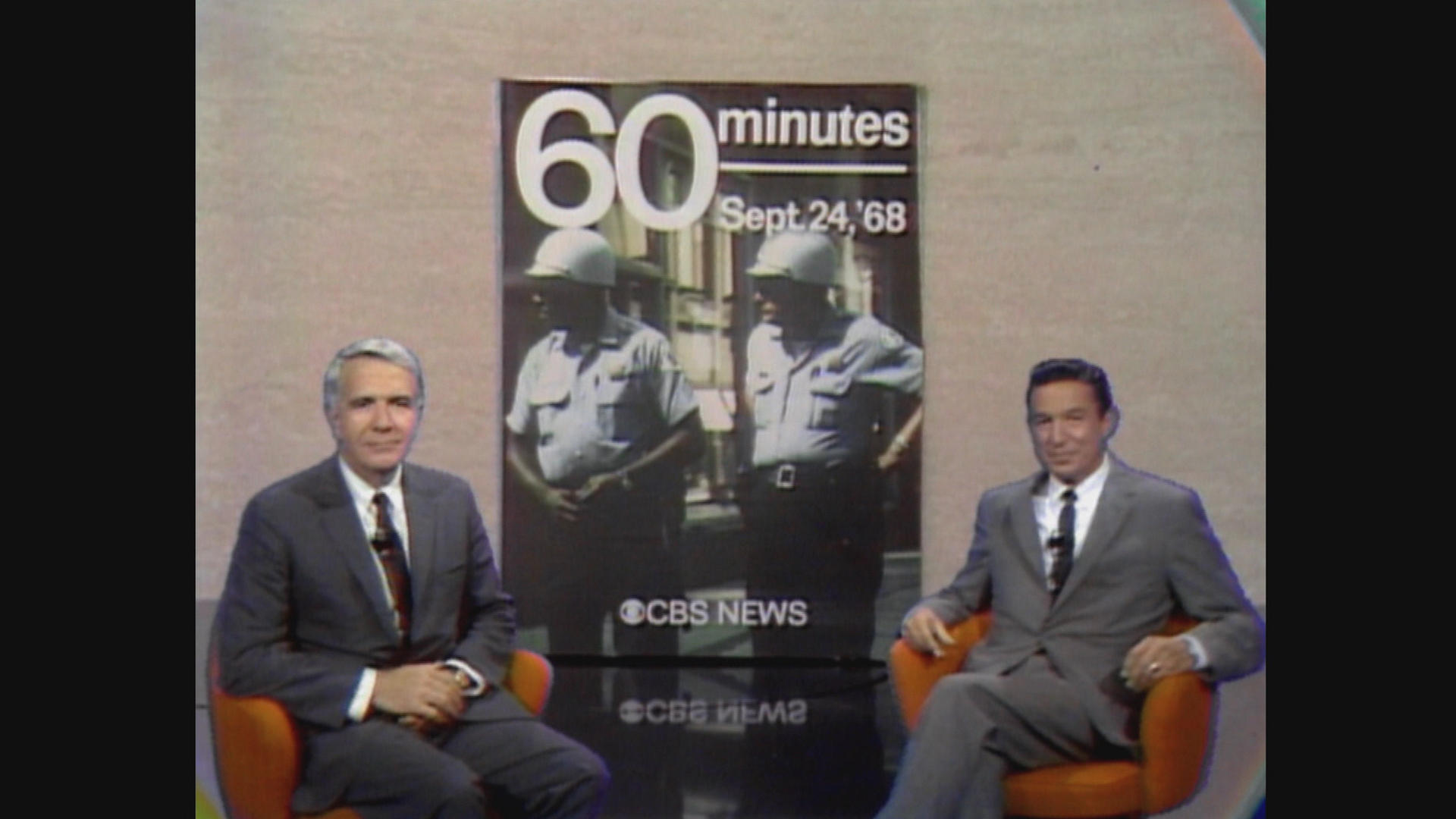
The history of 60 Minutes is a history of broadcast innovation. When it debuted on September 24, 1968, it introduced a format that was radically different from the nightly news. Rather than a single anchor reading short clips, 60 Minutes utilized a "magazine" format with three distinct segments per episode, each introduced by a correspondent who had spent weeks or months investigating the topic.
The Don Hewitt Legacy
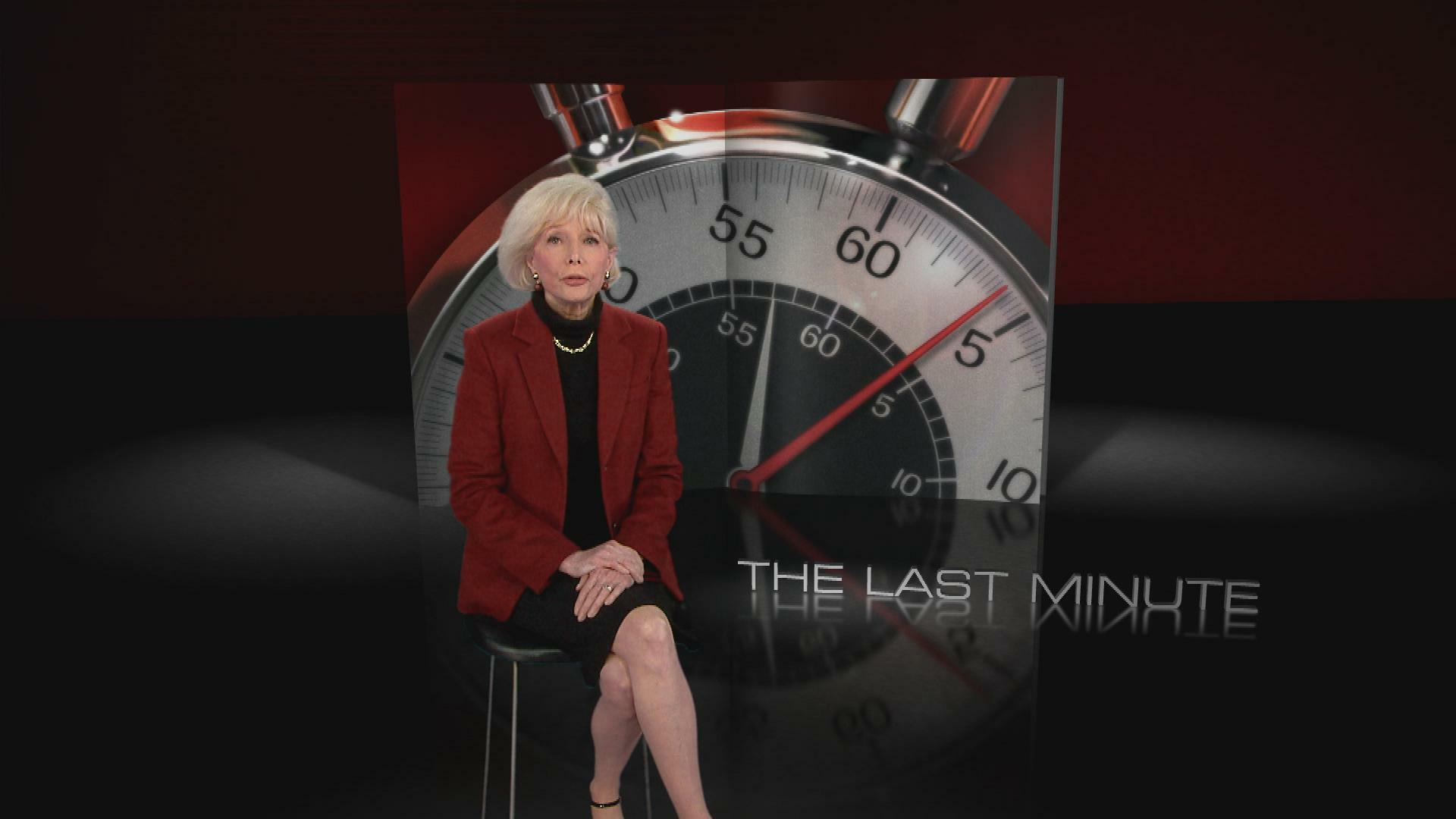
Don Hewitt, the show’s executive producer for its first 36 years, believed that news could be as engaging as drama if it focused on the "who" and the "why" rather than just the "what." This led to the development of the iconic stopwatch—the Aristo stopwatch that ticks at the beginning of each segment—which has become one of the most recognizable brands in media. Hewitt’s insistence on high production values and narrative tension turned the show into a Top 10 program for decades, a feat rarely achieved by a news broadcast.
Adapting to the Digital Era
As television consumption shifted toward streaming and on-demand content in the 2010s and 2020s, 60 Minutes successfully expanded its footprint. By 2026, the broadcast is no longer just a 7:00 PM ET Sunday ritual. It is a multi-platform brand. The program has integrated advanced data journalism and high-definition cinematography, ensuring that its visual storytelling matches the sophistication of modern prestige television.
How to Watch 60 Minutes in 2026
Accessing the 60 Minutes news cast has become more flexible than ever, catering to "cord-cutters" and traditional viewers alike. Depending on your location and preference for live or on-demand content, there are several primary ways to engage with the broadcast.
Traditional Broadcast and Live TV
The primary home for 60 Minutes remains the CBS Television Network. In most U.S. markets, the show airs at 7:00 PM Eastern and Pacific Time on Sunday evenings. However, it is important to note that sports broadcasts, particularly late-afternoon NFL games, frequently cause delays in the Eastern and Central time zones.
For those using digital antennas or cable subscriptions, CBS remains the most direct way to watch the full program as it premieres. Many local affiliates also offer their own news summaries following the broadcast, providing a bridge between national investigative pieces and local headlines.
Streaming and On-Demand Options
In 2026, Paramount+ serves as the exclusive streaming home for full episodes of 60 Minutes. Subscribing to the service allows viewers to watch the show live (via the local CBS feed) or catch up on episodes immediately after they air.
- Paramount+ with Showtime: Usually includes a live feed of the local CBS affiliate and ad-free on-demand viewing for 60 Minutes episodes.
- Paramount+ Essential: Provides on-demand access to the latest episodes, typically available the day after the original broadcast.
- 60 Minutes Overtime: This digital-only feature provides behind-the-scenes content, additional interviews, and "how we got the story" segments. It is available on the official 60 Minutes website and the CBS News app.
Free Digital Platforms
While full, current episodes often require a subscription, CBS News provides significant portions of the 60 Minutes news cast for free.
- YouTube: The official 60 Minutes YouTube channel uploads individual segments shortly after the Sunday broadcast. This is an excellent resource for viewers who only want to see specific reports.
- Pluto TV: The "60 Minutes" channel on Pluto TV (a free, ad-supported streaming service) runs a continuous loop of classic and recent segments 24/7.
- CBSNews.com: The "60 Minutes" section of the CBS News site hosts transcripts and video clips for a wide range of stories dating back several years.
| Feature | CBS Broadcast | Paramount+ | Pluto TV | YouTube |
|---|---|---|---|---|
| Cost | Free (Antenna) / Cable | Subscription | Free (Ad-supported) | Free |
| Live Viewing | Yes | Yes (Showtime tier) | No (Linear loop) | No |
| Full Episodes | Yes | Yes | Classic/Recent Mix | Segments Only |
| Availability | Sunday 7:00 PM | Anytime | 24/7 | Anytime |
| Archives | Limited | Extensive | curated | Individual Segments |
The Investigative Methodology of 60 Minutes
The "gold standard" reputation of the 60 Minutes news cast is built upon a rigorous editorial process. Unlike breaking news, which focuses on speed, 60 Minutes focuses on depth and verification.
Long-Form Reporting
A single 12-to-15-minute segment on 60 Minutes can take months to produce. The team typically consists of a correspondent, a producer, and a team of researchers. The production cycle involves:
- Deep Research: Vetting sources, reviewing court documents, and conducting off-camera interviews to ensure the story has merit.
- The "Double-Check": 60 Minutes is famous for its internal fact-checking. Producers must defend every claim made in a script before a story is cleared for air.
- Cinematic Interviews: The show is known for its "tight" camera shots during interviews, capturing every facial expression and reaction of the subject, which adds a layer of psychological depth to the reporting.
Editorial Independence
Throughout its history, 60 Minutes has maintained a reputation for editorial independence, often reporting on the very corporations that advertise on the network or the government agencies that regulate it. This independence is protected by the high profitability of the show, which gives the news division significant leverage within the CBS/Paramount corporate structure.
Notable Correspondents and Personalities
The success of the 60 Minutes news cast has always been tied to the credibility and tenacity of its correspondents. In 2026, the roster includes a mix of veteran journalists and newer voices who continue the tradition of tough, fair questioning.
The Current Roster (2026)
- Lesley Stahl: A mainstay since 1991, Stahl is known for her insightful political interviews and her ability to simplify complex foreign policy issues.
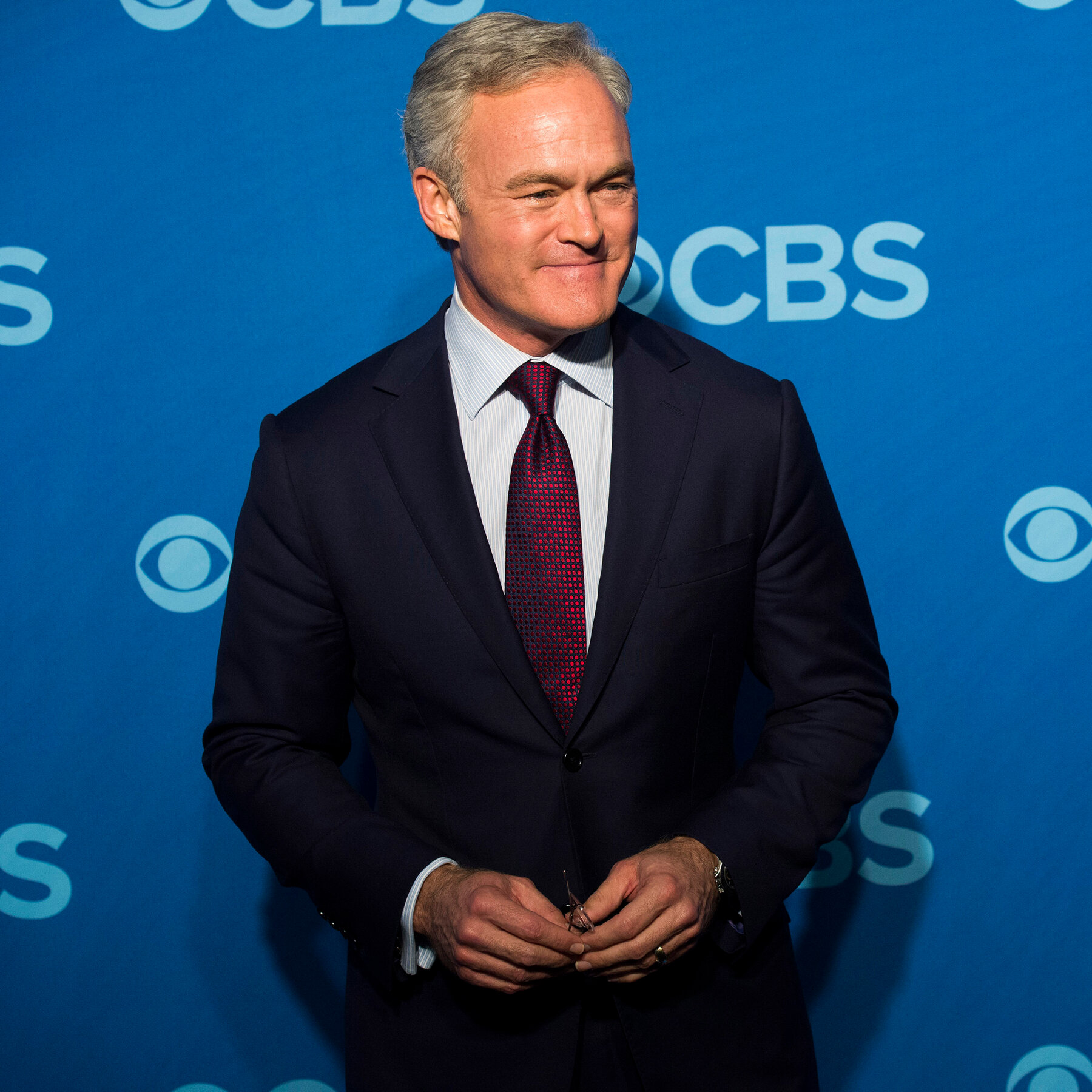
- Scott Pelley: Bringing a background in hard news and combat reporting, Pelley often handles stories related to national security, the economy, and climate change.
- Bill Whitaker: Known for his versatility, Whitaker covers everything from domestic social justice issues to international wildlife conservation.
- Anderson Cooper: Balancing his duties at CNN, Cooper contributes regular segments to 60 Minutes, often focusing on human rights and extraordinary human achievements.
- Sharyn Alfonsi: A lead voice on investigative pieces, Alfonsi has broken significant stories regarding corporate fraud and government inefficiency.
- Jon Wertheim: Handling the "sports and culture" beat, Wertheim provides the program with high-level profiles of athletes and artists.
- Cecilia Vega: A recent addition to the team, Vega brings a deep background in White House reporting and investigative journalism.
The Pioneers
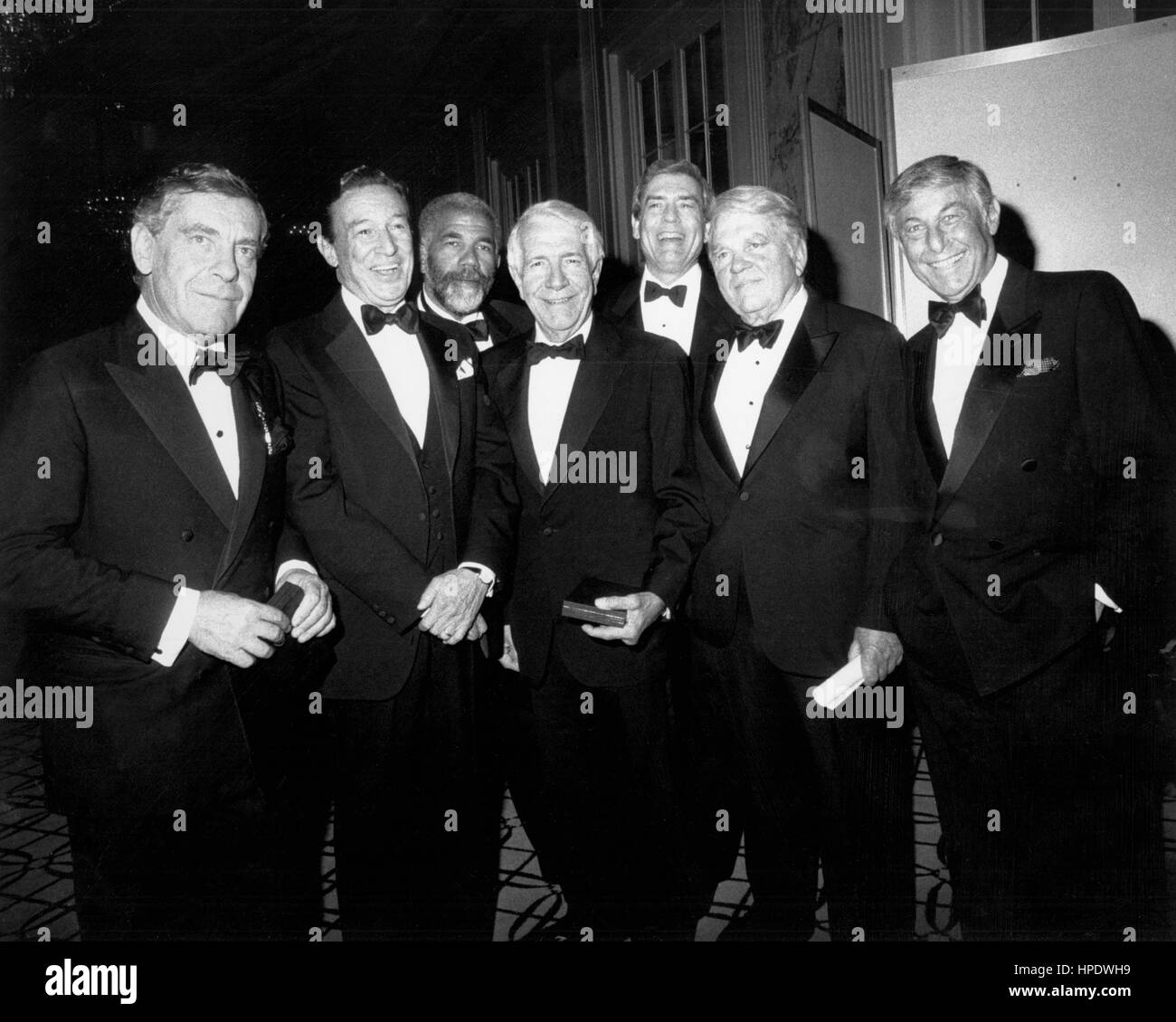
The legacy of the show was built by giants like Mike Wallace, whose confrontational style defined the investigative interview; Morley Safer, known for his elegant writing and cultural observations; and Ed Bradley, who brought a unique blend of coolness and gravitas to his reporting. The standards set by these pioneers continue to be the benchmark for current correspondents.
Impact on Public Policy and Culture
The 60 Minutes news cast is not merely a source of information; it is often a catalyst for change. When a story airs on 60 Minutes, it frequently leads to congressional hearings, legal investigations, or shifts in public opinion.
Landmark Investigations
Over the decades, 60 Minutes has tackled some of the most sensitive topics in American life:
- The Tobacco Industry: The 1996 interview with whistleblower Jeffrey Wigand exposed how tobacco companies manipulated nicotine levels, leading to massive legal settlements.
- Watergate: The show provided some of the most detailed televised accounts of the scandal that eventually led to President Nixon's resignation.
- Government Waste: Frequent segments on defense spending and healthcare fraud have prompted audits and legislative reforms.
- Scientific Breakthroughs: The program often introduces the general public to cutting-edge technology, from early artificial intelligence research to the latest in gene-editing therapy.
Awards and Recognition
The program's commitment to excellence is reflected in its trophy case. By 2026, 60 Minutes has secured over 170 Emmy Awards and more than 20 Peabody Awards. These accolades are a testament to the show’s ability to maintain high-quality journalism in an era of "clickbait" and rapid-fire news cycles.
60 Minutes Overtime and Digital Content
In 2026, the 60 Minutes experience extends beyond the 60-minute television window. The "60 Minutes Overtime" brand serves as a digital companion that provides context and transparency for the show's reporting.
Behind-the-Scenes Access
Overtime segments often show the logistics of an investigation—the long flights, the stakeouts, and the challenges of filming in hostile environments. This content is crucial for building trust with a modern audience that values transparency. Viewers can see how a correspondent prepared for a difficult interview or why a certain visual was chosen for a story.
Podcasts and Audio Versions
Recognizing the growth of the audio market, CBS offers the "60 Minutes Podcast." This is essentially the audio track of the Sunday broadcast, allowing commuters and travelers to keep up with the news cast without needing a screen. Additionally, specialized podcasts delve deeper into the archives, revisiting "classic" 60 Minutes stories and providing updates on where the subjects are today.
Comparison with Other News Programs
While there are many newsmagazines on television, such as ABC’s 20/20 or NBC’s Dateline, 60 Minutes occupies a unique space.
- Focus: While Dateline and 20/20 often focus on "true crime" and singular long-form narratives, 60 Minutes maintains a broader focus on politics, international affairs, and science.
- Tone: 60 Minutes maintains a more formal, "prestige" tone, avoiding the sensationalism often found in tabloid-style news programs.
- Pace: The show uses its three-segment structure to cover three completely different topics in one hour, providing a varied viewing experience that appeals to a wide demographic.
Common Challenges and Criticisms
No program as influential as 60 Minutes is without controversy. Over the years, the show has faced criticism regarding its editing choices and its choice of subjects.
- Selective Editing: Critics occasionally argue that the show's desire for a "compelling story" can lead to oversimplified narratives. However, the program's robust correction policy and the "Letters to the Editor" segment at the end of each broadcast provide a mechanism for accountability.
- Diversity and Representation: Historically criticized for a lack of diversity among its correspondents and producers, the show has made significant strides in the 2020s to ensure its team reflects a more global and diverse perspective.
- The "60 Minutes Effect": The sheer power of the show means that being featured can be life-changing for a subject, for better or worse. The editorial team must balance the public’s right to know with the potential impact on individuals’ lives.
FAQs about the 60 Minutes News Cast
What time does 60 Minutes air?
In 2026, 60 Minutes typically airs at 7:00 PM Eastern/Pacific and 6:00 PM Central on CBS. Because it follows NFL doubleheaders in the autumn and winter months, the start time in the Eastern and Central time zones is frequently delayed by several minutes. It is advisable to check local listings or the CBS Sports schedule if a game is running late.
How can I watch 60 Minutes if I missed the Sunday broadcast?
If you miss the live airing, you can watch the full episode on Paramount+ (usually available shortly after the West Coast airing). Alternatively, individual segments are uploaded to the 60 Minutes YouTube channel and the CBS News website. 60 Minutes Overtime also offers additional digital content that complements the missed episode.
Is there a 60 Minutes archive available for older episodes?
Yes, Paramount+ hosts an extensive archive of 60 Minutes segments. For researchers and fans of historical journalism, the "60 Minutes Archive" (often accessible through educational institutions or specific CBS digital subscriptions) provides access to decades of reporting, including some of the most famous interviews in television history.
Who is the executive producer of 60 Minutes in 2026?
Bill Owens continues to serve as the executive producer of 60 Minutes in 2026. Having taken the helm in 2019, Owens has focused on maintaining the show’s traditional strengths while expanding its digital reach and ensuring the program remains relevant in a fast-paced media environment.
Can I submit a story idea to 60 Minutes?
While 60 Minutes primarily relies on its internal team of producers and researchers, they do receive story tips. Interested parties can typically submit tips via the "Contact Us" section on the CBS News website. However, due to the volume of inquiries, they generally only respond to tips that align with their specific investigative or profile-based format.
Does 60 Minutes air during the summer?
Yes, 60 Minutes airs year-round. During the summer months (June through August), the program often features "60 Minutes Presents" episodes. These episodes typically consist of updated versions of the best segments from the previous season, often with new introductions or "Where are they now?" follow-ups.
Recommendation for New Viewers
To get the most out of the 60 Minutes news cast, it is recommended to utilize a hybrid viewing approach. Watch the main broadcast on Sunday evenings for the high-production experience, but follow the official 60 Minutes social media accounts and 60 Minutes Overtime digital segments during the week. This provides a 360-degree view of the reporting process and allows you to engage with the stories that are most relevant to your interests. If you are a student of journalism or history, exploring the "Classic" segments on Paramount+ or Pluto TV is essential for understanding the evolution of modern investigative techniques.