Finding reasonably priced automobile insurance requires balancing statutory liability requirements, comprehensive protection, and overall premium costs. For consumers evaluating value options, a handful of providers consistently stand out for balancing competitive rates, robust digital tools, and customer satisfaction metrics. Securing affordable coverage involves understanding how insurers calculate risk, evaluating available discounts, and comparing policy structures across major national carriers to identify the best fit for individual driving histories and vehicle types.
Understanding the Landscape of Auto Insurance Affordability
Evaluating auto insurance options requires looking past basic monthly quotes to understand how financial stability, claims processing efficiency, and coverage customization affect long-term value. The automobile insurance marketplace features various providers catering to different consumer profiles, from clean-record commuters to high-risk drivers seeking non-standard policies.
When searching for reasonable coverage, policyholders must look at the total cost of ownership. This includes evaluating deductibles, policy limits, and the availability of accident forgiveness programs. A low upfront premium can quickly become expensive if a carrier imposes steep surcharges after a minor fender-bender or charges excessive fees for monthly payment processing. Consumers must also weigh the financial strength ratings of carriers, typically issued by agencies like AM Best, to ensure the company can reliably pay out major claims during economic downturns or severe weather events.
Key Factors That Influence Auto Insurance Rates
Car insurance premiums are calculated using complex actuarial algorithms that assess the statistical likelihood of a policyholder filing a claim. Recognizing these variables helps consumers understand why certain quotes vary widely between providers:
- Driving Record and History: Violations, speeding tickets, and at-fault accidents signal higher risk to underwriters, leading to elevated rates. Conversely, a clean driving record spanning three to five years generally unlocks preferred pricing tiers.
- Vehicle Make, Model, and Year: Luxury vehicles, sports cars, and models with expensive electronic sensors or specialized parts cost more to repair or replace, driving up comprehensive and collision insurance costs.
- ZIP Code and Location: Urban areas with high traffic density, vandalism rates, and uninsured motorist percentages typically feature higher base rates than rural or suburban locales.
- Coverage Limits and Deductibles: Choosing higher deductibles (e.g., $1,000 instead of $500) lowers monthly premiums, but increases out-of-pocket expenses during a claim. Similarly, selecting state-minimum liability limits reduces costs but exposes the driver to severe financial risk in a major accident.
- Credit-Based Insurance Score: In most states, insurers use a credit-based insurance score to predict claim frequency. Statistically, consumers with higher credit scores file fewer claims.
Top 5 Reasonable Auto Insurance Providers
While specific quotes depend heavily on individual demographics, several national insurance companies consistently rank well for affordability, discount availability, and consumer satisfaction.
| Provider | Primary Advantage | Notable Discount Opportunities | Best Suited For |
|---|---|---|---|
| GEICO | Low base rates, robust app | Military, Good Student, Safe Driver | Budget-conscious drivers |
| Progressive | Name Your Price tool, tools | Snapshot (telematics), Bundling | Tech-savvy and high-risk drivers |
| State Farm | Extensive agent network | Steer Clear (youth), Good Student | Drivers wanting local human support |
| Allure/Alternative | Specialized niche markets | Low-mileage, Defensive Driving | Specialized or low-mileage drivers |
| USAA | Exceptional customer care | Military deployment, Storage | Military members, veterans, families |
1. GEICO (Government Employees Insurance Company)
GEICO is widely recognized for competitive baseline pricing, particularly for drivers with clean records. Originally established to serve government employees and military personnel, the company expanded to the general public and built a reputation for efficient digital claims processing.
- Pros: Consistently lower-than-average base rates; intuitive mobile application for policy management; robust discounts for military members, federal employees, and multi-vehicle households.
- Cons: Rates can increase significantly following an at-fault accident or major traffic violation; limited physical branch network for face-to-face customer service.
2. Progressive Casualty Insurance Company
Progressive stands out for its digital transparency tools, most notably the "Name Your Price" tool, which helps budget-conscious consumers find coverage options that align with a specific monthly payment target. Progressive also pioneered widespread usage-based telematics through its Snapshot program.
- Pros: Highly customizable coverage tiers; innovative online budgeting tools; competitive pricing for drivers with less-than-perfect records.
- Cons: Telematics programs can sometimes raise rates for drivers with aggressive braking or late-night driving habits; customer satisfaction scores vary depending on the local independent agent.
3. State Farm Mutual Automobile Insurance Company
As one of the largest property and casualty insurers in the United States, State Farm combines competitive pricing with an extensive network of local, exclusive agents. This structure appeals to policyholders who prefer personalized guidance when adjusting coverage limits or filing claims.
- Pros: Strong financial stability; vast network of local agents; excellent discount programs for young drivers and students, such as Steer Clear.
- Cons: Digital experience and policy management tools can feel less modern compared to direct-to-consumer digital-first competitors.
4. Nationwide Mutual Insurance Company
Nationwide offers flexible policy structures and strong bundling options for individuals looking to combine auto, homeowners, and life insurance. Their SmartRide and SmartMiles programs cater to safe drivers and those who log fewer annual miles, providing targeted opportunities for cost reduction.
- Pros: Usage-based programs that reward low-mileage drivers; customizable add-ons like vanishing deductibles and accident forgiveness.
- Cons: Base rates without discounts can sometimes run higher than specialized budget carriers; availability of certain telematics programs varies by state.
5. USAA (United Services Automobile Association)
For individuals who qualify through military service—active duty, veterans, and eligible family members—USAA routinely ranks near the top for customer satisfaction, claims handling, and overall value.
- Pros: Exceptional customer service ratings; specialized coverage options for military deployments and vehicle storage; competitive pricing that often undercuts standard commercial carriers.
- Cons: Strict membership eligibility requirements exclude the general public.
Maximizing Savings and Securing Discounts
Finding a reasonable auto insurance rate goes beyond selecting the right carrier. Policyholders must actively manage their policy features and leverage available discounts to minimize expenses without sacrificing necessary protection.
Leveraging Telematics and Usage-Based Programs
Modern insurance providers increasingly utilize plug-in devices or mobile apps to monitor driving habits in real-time. Programs like Progressive Snapshot, GEICO DriveEasy, and Nationwide SmartRide track metrics such as speed, acceleration, braking harshness, and phone usage while driving. For safe drivers who avoid late-night commutes and sudden stops, these programs can yield substantial discounts. However, policyholders should review program terms carefully, as poor driving habits monitored via telematics can occasionally result in premium surcharges.
Bundling Policies and Optimizing Deductibles
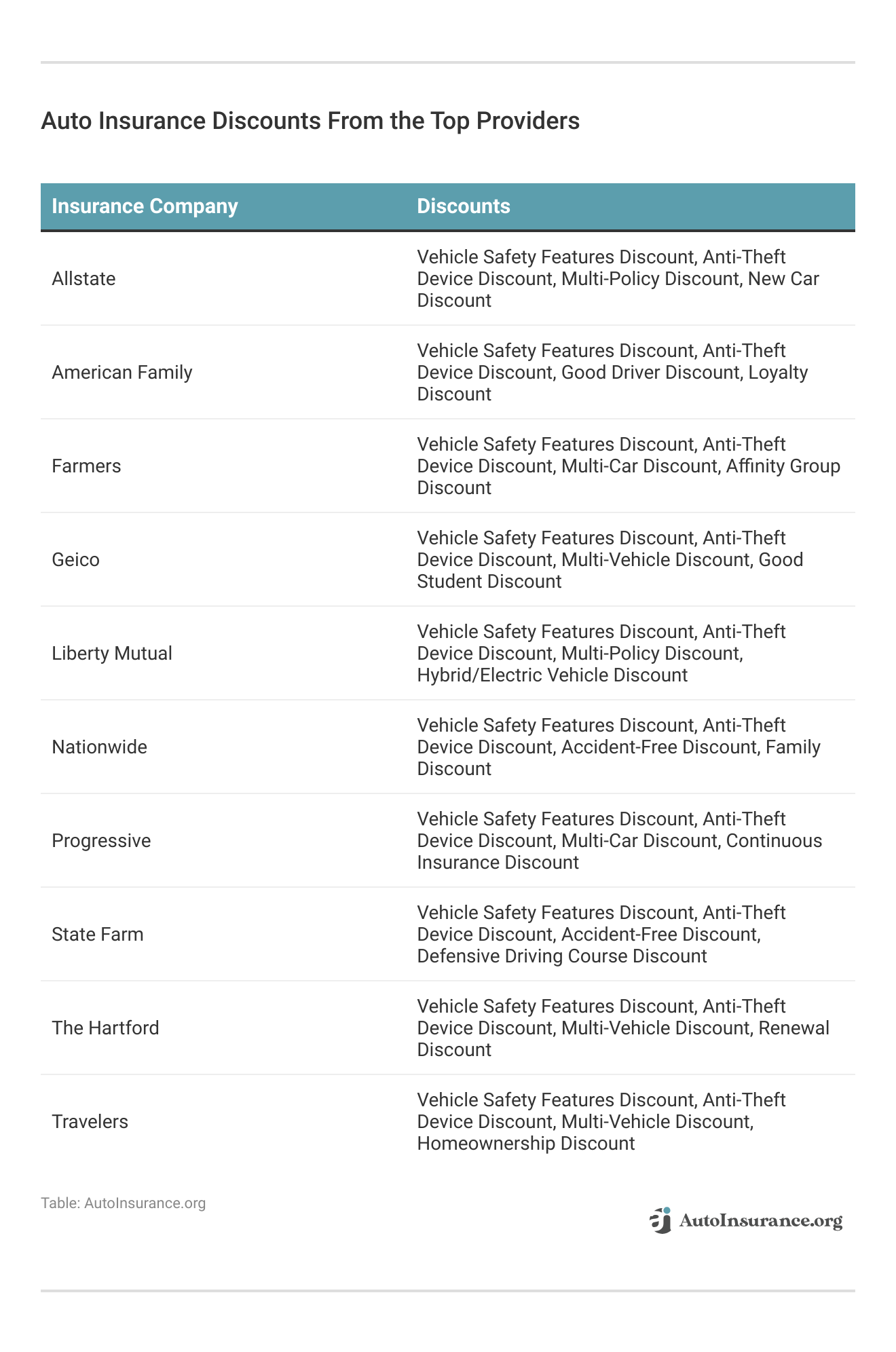
Combining auto insurance with homeowners, renters, or umbrella policies through a single provider is one of the most reliable ways to secure a multi-policy discount, often reducing total premiums by 10% to 25%. Additionally, reviewing deductibles annually ensures that policyholders are not overpaying for collision or comprehensive coverage on older vehicles whose market value has depreciated significantly.
Frequently Asked Questions
How can I lower my auto insurance premium without reducing my coverage limits?
You can lower your premium by bundling multiple insurance policies, maintaining a clean driving record, enrolling in paperless billing and automatic payments, and asking your provider about specialized discounts such as defensive driving course completions or low-mileage discounts.
Do usage-based insurance apps actually save money?
Yes, for safe drivers who maintain steady speeds, smooth braking habits, and low annual mileage, usage-based apps can provide significant discounts. However, if you frequently drive late at night, commute in heavy traffic with frequent braking, or handle your smartphone while operating the vehicle, these programs may increase your rates.
What is the difference between liability coverage and full coverage?
Liability coverage pays for bodily injury and property damage you cause to other drivers in an accident. "Full coverage" is an industry term that typically combines liability protection with collision coverage (for damage to your own car from an accident) and comprehensive coverage (for non-collision events like theft, fire, or weather damage).
Why do insurance rates vary so much between different zip codes?
Insurers evaluate localized risk factors, including historical accident frequency, vehicle theft rates, uninsured motorist percentages, and the average cost of vehicle repairs or medical care in a specific geographic area.
How often should I shop around for a new auto insurance policy?
It is generally recommended to review your auto insurance policy and compare quotes from competing carriers once a year, or whenever you experience a major life event such as moving, buying a new car, adding a teen driver, or experiencing a change in your credit score.
Next Steps for Policyholders
To secure the most reasonable auto insurance policy for your specific circumstances, gather your current declaration page, driving history, and vehicle identification numbers (VIN). Request quotes from at least three different national and regional providers, ensuring that you compare identical coverage limits and deductibles across all options. Evaluate each carrier's customer service reputation and financial stability ratings before finalizing your selection to ensure long-term value and reliable protection.