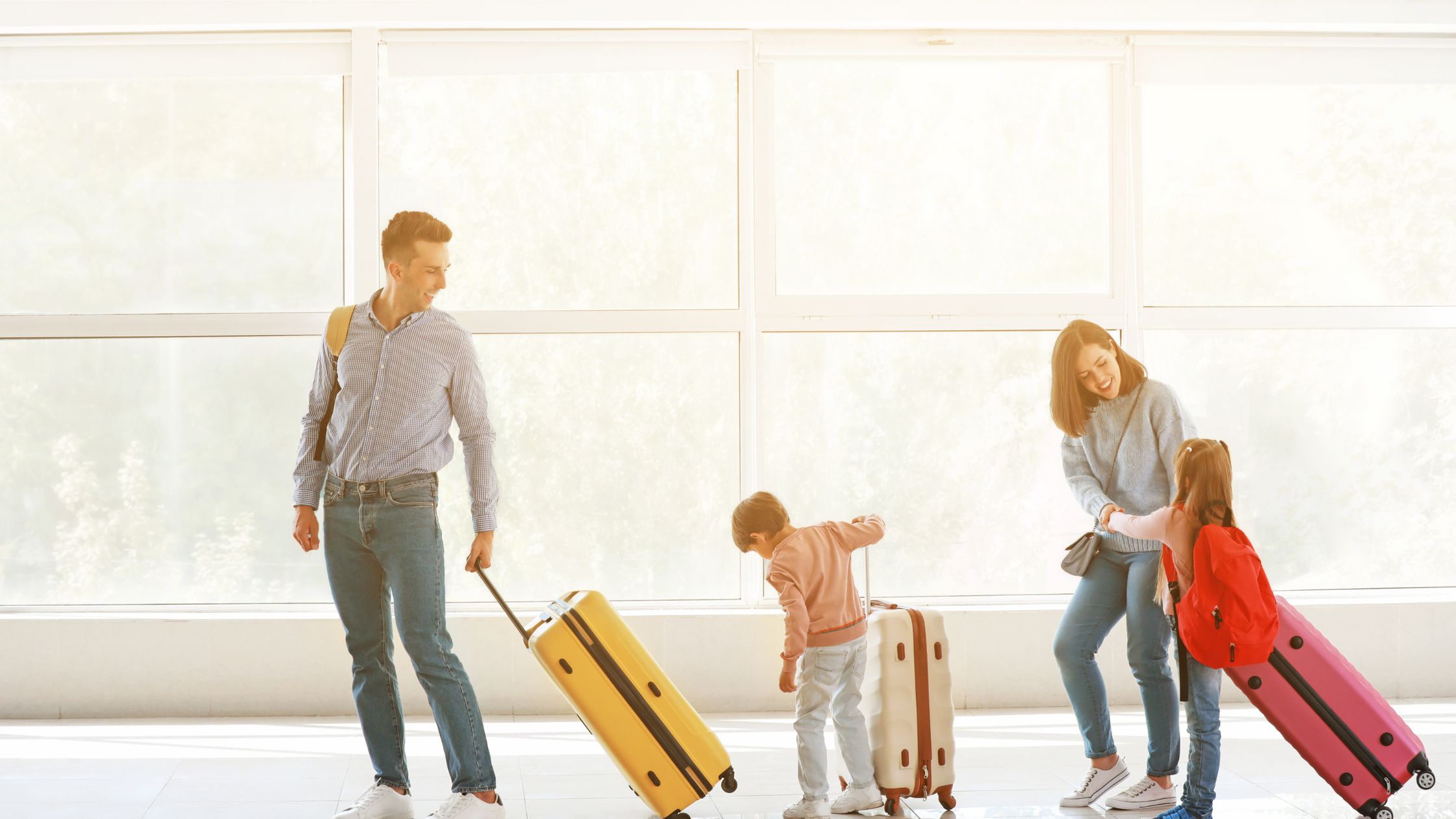
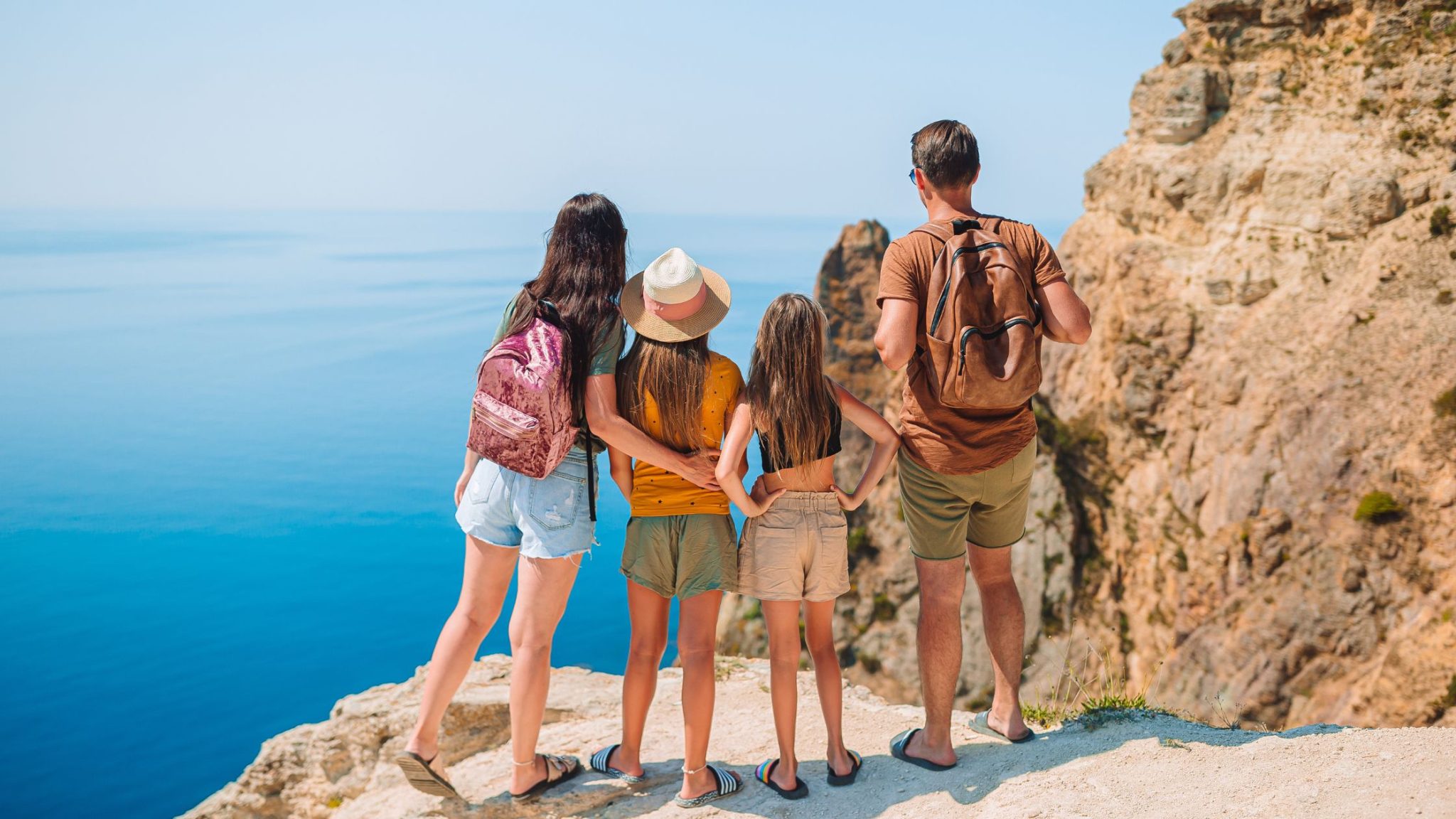
Choosing the best international destination for a family trip requires balancing diverse interests, logistical accessibility, safety standards, and the overall educational or recreational value provided to children and adults alike. In 2026, the most effective travel choices prioritize infrastructure, cultural accessibility, and a mixture of structured activities and downtime, ensuring that diverse age groups remain engaged without excessive travel fatigue.
Criteria for Selecting Family-Friendly Destinations
Before finalizing an itinerary, families must evaluate potential destinations through a lens of practicality. The "best" location is not merely defined by scenery, but by the efficiency of local transit, the availability of medical services, and the adaptability of local customs to include younger travelers.
Infrastructure and Accessibility
Accessibility refers to the ease of navigating a country with children. This includes the availability of stroller-friendly walkways, efficient public transportation systems that do not require complex transfers, and proximity to international flight hubs. Countries that utilize high-speed rail, for instance, often provide a less stressful environment for families than those relying solely on regional bus networks or car rentals, which may require specific child-seat safety compliance.
Safety and Healthcare Standards
For families, access to high-quality pediatric care and stable safety environments is non-negotiable. Destinations in the European Union, Japan, and parts of the Oceania region maintain international standards for healthcare, ensuring that travelers have access to facilities that accept international travel insurance and maintain English-speaking staff.
Cultural and Educational Value
A destination becomes memorable when it offers learning opportunities that complement a child's development. This could involve historical sites that present information through interactive exhibits rather than static displays, or natural reserves that allow for wildlife observation in a controlled, safe environment.
1. Japan: The Benchmark for Convenience and Safety
Japan remains a premier choice for families due to its unparalleled public safety, cleanliness, and the sophisticated nature of its transport network. The Japan Rail Pass, combined with a highly punctual train system, allows families to move between major cities like Tokyo, Kyoto, and Osaka with minimal effort.
In Tokyo, the concentration of family-oriented activities—ranging from the Ghibli Museum to the interactive teamLab Borderless digital art installations—caters to both young children and teenagers. Kyoto offers a more traditional experience, where the walking paths of the Fushimi Inari Shrine provide a manageable physical activity that can be adjusted based on the family's endurance. Furthermore, Japanese convenience stores (konbini) provide high-quality, pre-packaged meals, which is an invaluable asset when dealing with picky eaters or irregular feeding schedules.
2. Denmark: A Leader in Child-Centric Urban Planning
Denmark, particularly Copenhagen, is frequently cited as one of the most family-friendly capital cities in the world. The city’s urban planning prioritizes pedestrians and cyclists, making it significantly safer and quieter than many major metropolitan areas.
The primary draw for families is the culture of hygge (coziness) and the high value placed on outdoor play. Tivoli Gardens, one of the world’s oldest amusement parks, offers a blend of historical charm and modern thrill rides. Moreover, the city’s educational museums, such as the Experimentarium, are designed specifically for hands-on, tactile learning, ensuring that children are active participants in their exploration of the city rather than passive observers.
3. Costa Rica: Adventure and Wildlife Education
For families looking for an outdoor-centric vacation, Costa Rica provides a stable and accessible environment for experiencing tropical biodiversity. The country has a well-developed eco-tourism industry, which makes navigating national parks like Manuel Antonio both safe and informative.
Costa Rica is ideal for families with older children who are interested in wildlife spotting—such as sloths, monkeys, and toucans—and adventure sports like canopy ziplining. The focus here is on immersion; travel within the country is often facilitated by professional tour operators who handle logistics, ensuring that families do not have to manage the complexities of driving on unpaved or mountainous rural roads.
4. Portugal: Mediterranean Accessibility and Value
Portugal has emerged as a top-tier European destination due to its relatively lower cost of living compared to neighbors like France or Switzerland, combined with a high level of English proficiency among the service sector. The coastline, particularly the Algarve region, is equipped with numerous resorts designed specifically for families, featuring childcare services and kid-focused pools.
Lisbon’s topography, while hilly, is mitigated by the city’s iconic yellow trams and modern funiculars, which children often view as an attraction in themselves. The Oceanário de Lisboa is consistently ranked as one of the best public aquariums globally, providing a substantial educational component to the trip. Portugal’s cultural emphasis on family means that children are generally welcomed in restaurants at all hours, reducing the social anxiety often felt by traveling parents.
5. Canada: Nature-Focused Stability
For families who prefer to stay within a familiar legal and linguistic framework while still experiencing the scale of the North American wilderness, Canada offers a wide range of national parks and urban centers. Vancouver, in British Columbia, serves as an excellent base, providing proximity to both the Pacific Ocean and the coastal mountains.
Stanley Park is a prime example of accessible nature, featuring paved trails that are suitable for families with strollers or those looking to rent bicycles. The ease of access to emergency services and the prevalence of North American standard infrastructure means that families face few logistical "surprises," allowing them to focus on the vacation itself rather than troubleshooting travel-related obstacles.
Comparative Summary of Destinations
| Destination | Best For | Primary Transport | Key Advantage |
|---|---|---|---|
| Japan | Infrastructure | High-Speed Rail | Unmatched safety and cleanliness |
| Denmark | Urban Exploration | Bicycle/Walking | Child-centric city design |
| Costa Rica | Eco-Tourism | Organized Tours | High biodiversity accessibility |
| Portugal | Coastal Resorts | Regional Train/Car | Family-welcoming culture |
| Canada | Nature/Outdoors | Rental Vehicle | Ease of navigation and services |
Frequently Asked Questions
How do I decide between an urban or nature-focused destination? Focus on your children's temperament and current stamina. Urban destinations offer frequent rest stops, indoor climate control, and easy transitions if plans change. Nature-focused trips often require more physical exertion and may limit access to immediate amenities like medical care or specialized food, making them better suited for families with older or more adventurous children.
When is the best time to book international travel for 2026? To secure the best rates for flights and high-demand family accommodation, aim to book between four to six months in advance. For peak seasons, such as summer or the winter holidays, early booking is critical to ensure that adjacent rooms or suite-style lodging remain available.
Are there specific travel insurance requirements for families? Yes. You should prioritize policies that include "cancel for any reason" coverage and high limits for emergency medical evacuation. Ensure the policy covers all family members explicitly and check if your domestic health insurance offers any international portability, though rarely is this sufficient on its own.
How can we minimize travel fatigue for children? Plan for "slow travel" days. Do not schedule more than one major activity per day, and ensure that your accommodation allows for downtime, such as a pool or nearby park. Maintaining a consistent sleep routine, even if shifted by time zones, helps stabilize energy levels over a week-long trip.
What is the best way to handle finances while abroad? Use a travel-friendly debit card that does not charge foreign transaction fees. It is advisable to carry a small amount of local currency for small purchases, but rely on digital payments or credit cards for larger expenses to maintain a clear record of spending and benefit from fraud protection.
Practical Recommendations for Your Next Trip
Before confirming your destination, review the official travel advisories issued by your government for 2026, as these provide the most accurate assessment of current local conditions. Once your destination is chosen, create a digital folder containing copies of all passports, travel insurance documents, and hotel confirmations. Finally, involve your children in the planning process by letting them choose one activity or site they wish to visit; this inclusion often increases their engagement and patience during the actual travel experience.