Navigating the market for commercial vehicle insurance requires balancing policy flexibility, financial stability, and cost-effectiveness across providers that cater to distinct business fleets. Choosing the right insurer ensures your enterprise remains legally compliant while adequately protected against liability, property damage, and specialized operational risks.
Commercial vehicle insurance is a critical safeguard for any business that relies on automobiles, vans, trucks, or specialized machinery to transport goods, provide services, or travel between job sites. Unlike personal auto policies, commercial policies account for higher liability limits, heavier vehicle weights, multiple drivers, and specialized business equipment. Business owners must evaluate carriers not just on baseline monthly premiums, but on their claims processing efficiency, industry-specific endorsements, risk management resources, and geographic coverage footprints. With numerous national carriers and specialized regional underwriters operating in the market, comparing options systematically allows fleet managers and small business owners to secure comprehensive protection without overpaying.
Understanding Commercial Vehicle Insurance Basics
Before examining individual providers, understanding the core components of commercial vehicle insurance helps establish a baseline for what a comprehensive policy should include. Commercial vehicle insurance differs fundamentally from personal auto coverage because it covers vehicles registered to a business, driven by employees or contractors, and subjected to heavier wear and tear.
Key Coverage Types
- Liability Coverage: Pays for bodily injury and property damage you or your drivers cause to others in an accident. This is typically split into bodily injury per person, bodily injury per accident, and property damage.
- Physical Damage Coverage: Includes collision coverage (for damage from collisions with other vehicles or objects) and comprehensive coverage (for non-collision incidents such as theft, fire, vandalism, hail, or animal strikes).
- Medical Payments (MedPay) or Personal Injury Protection (PIP): Covers medical expenses for you and your passengers regardless of fault.
- Uninsured and Underinsured Motorist Coverage: Protects your business if your vehicle is struck by a driver who lacks adequate insurance or flees the scene.
- Inland Marine or Cargo Insurance: Crucial for freight haulers and contractors, this protects the goods, tools, and equipment being transported inside or on the vehicle.
Factors That Influence Premium Costs
Insurers determine rates by analyzing multiple risk factors. Radius of operation—whether local, intermediate, or long-haul—heavily impacts pricing. Vehicle type and classification (light-duty passenger cars versus heavy-duty semi-trucks) dictate replacement costs and potential impact severity. Driver motor vehicle records (MVRs), training programs, and tenure also play a massive role. Finally, policy limits, deductibles, and chosen endorsements shape the final cost.
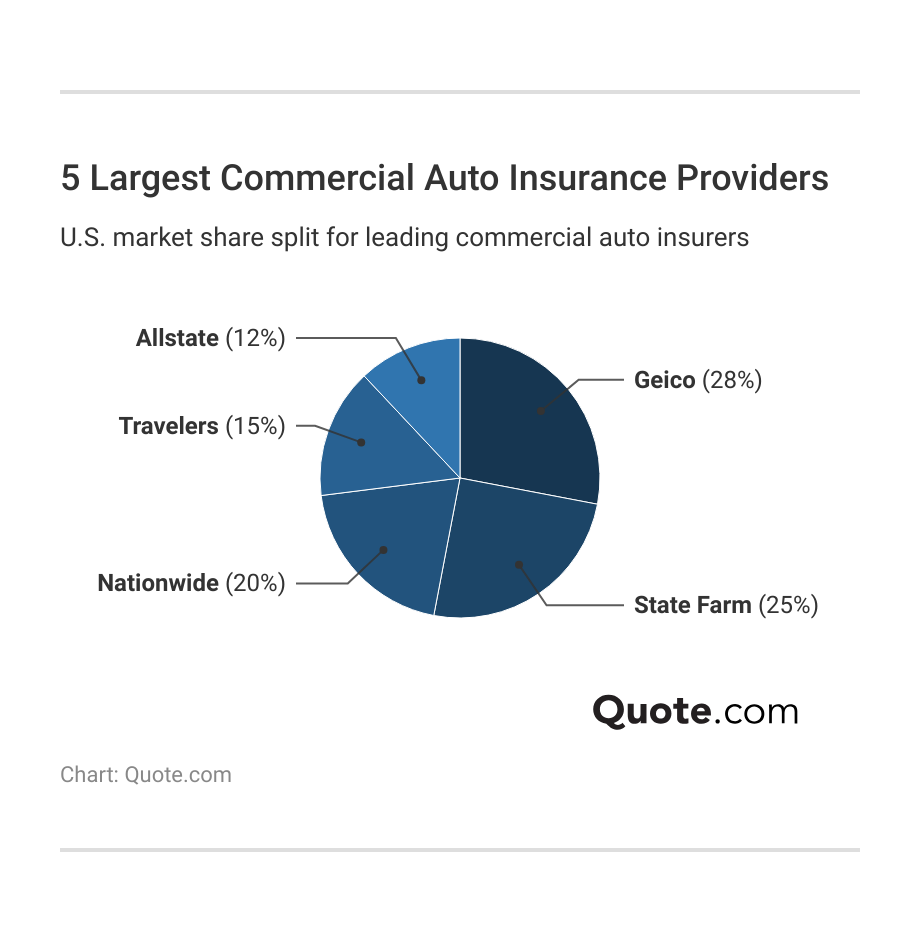
Comparative Overview of the Top 5 Commercial Vehicle Insurance Providers
The following evaluation compares five leading commercial vehicle insurance companies known for financial strength, breadth of coverage, and customer satisfaction.
| Insurance Provider | Best Suited For | Key Strengths | Potential Limitations |
|---|---|---|---|
| Progressive Commercial | Small business flexibility and instant online quotes | Broad industry eligibility, strong digital tools, flexible payment plans | Rates can spike significantly following minor claims or violations |
| Travelers | Large and medium fleets seeking tailored risk control | Excellent loss control services, robust umbrella policies, scalable options | Less intuitive for micro-businesses wanting purely self-service digital setups |
| State Farm | Local service businesses and agents-driven support | Personalized local agent relationships, stable pricing, bundling options | Limited availability for heavy long-haul trucking and hazardous cargo |
| Liberty Mutual | Customizable coverage and specialized commercial endorsements | Flexible deductible savings programs, strong commercial property add-ons | Customer service experiences can vary depending on regional office handling |
| Nationwide | Comprehensive business packages and agricultural fleets | Strong farm and ranch vehicle options, vanishing deductibles, responsive claims | Online quoting can be less robust for complex multi-state commercial fleets |
Detailed Reviews of the 5 Best Commercial Vehicle Insurance Companies
1. Progressive Commercial
Progressive stands out as a dominant force in the commercial vehicle insurance sector, largely due to its accessibility and digital-first approach. It caters to a vast spectrum of industries, ranging from independent contractors with a single pickup truck to large commercial fleets operating dozens of vehicles.
- Coverage Flexibility: Progressive offers tailored policies for diverse commercial niches, including delivery services, landscapers, food trucks, and long-haul truckers.
- Technology and Usability: Their online platform allows business owners to generate quotes, modify policies, and print proof of insurance certificates without calling an agent. Their electronic logbook integration and commercial auto app also help fleet managers track vehicle metrics.
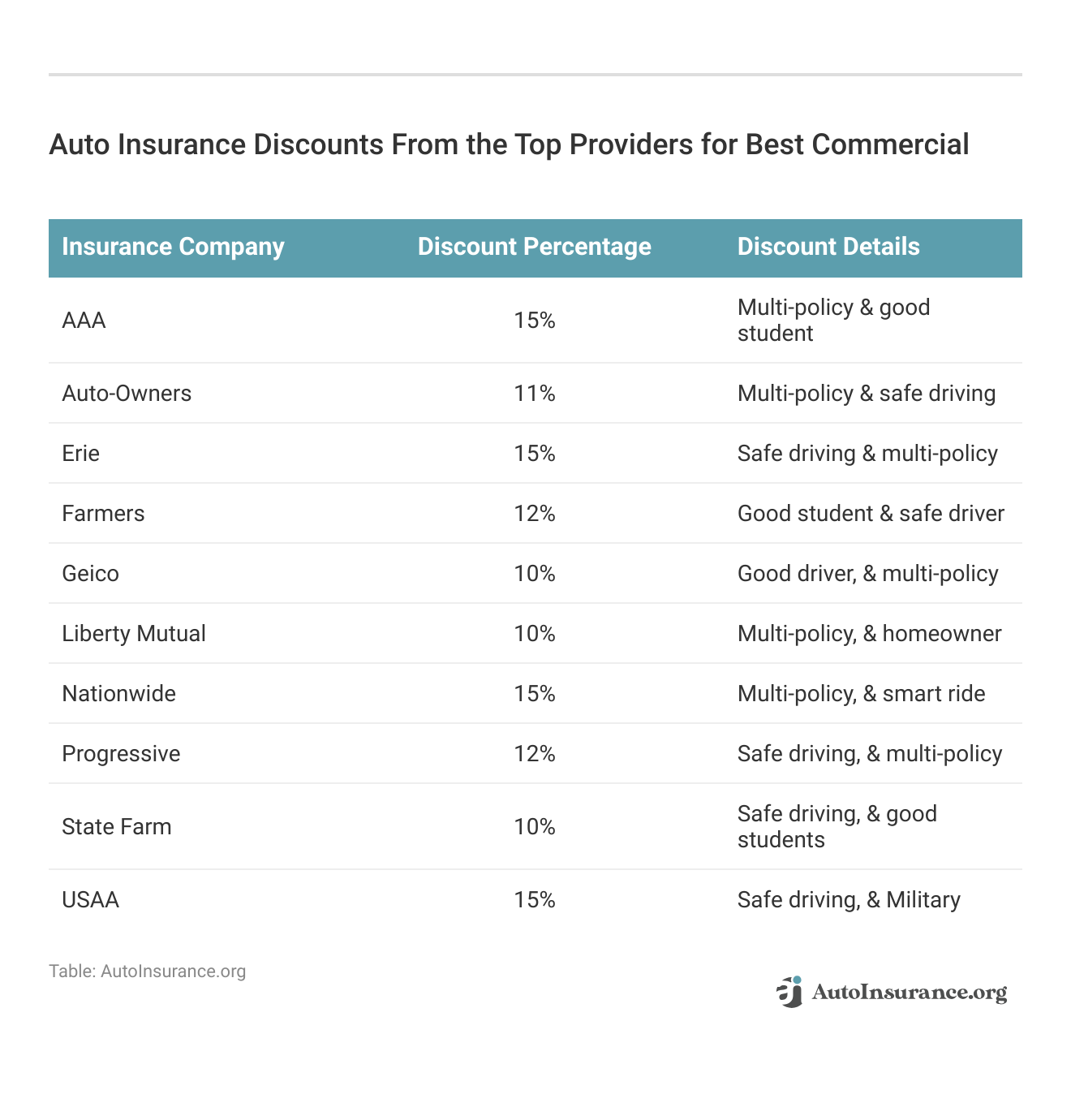
- Discounts: Progressive provides competitive pricing incentives, including commercial auto bundling, continuous coverage discounts, and sign-up savings for paying in full.
2. Travelers
Travelers is an industry titan known for serving mid-sized to large commercial fleets that require sophisticated risk engineering and extensive liability protection. Their focus leans heavily toward structured safety programs and loss prevention.
- Risk Control Services: Travelers provides clients with access to dedicated risk control consultants. These professionals evaluate fleet safety practices, offer driver training resources, and assist businesses in implementing loss-prevention strategies that ultimately lower long-term insurance expenditures.
- Policy Scalability: For businesses growing rapidly, Travelers scales seamlessly, offering commercial umbrella policies that seamlessly bridge gaps between primary auto liability and catastrophic loss thresholds.
- Comprehensive Endorsements: They offer robust specialized endorsements such as non-owned and hired auto liability, rental reimbursement with zero downtime allowances, and customized equipment coverage.
3. State Farm
State Farm remains a premier choice for small business owners who value a relationship-driven approach through a dedicated local agent. While they may not specialize in heavy commercial long-haul trucking, they excel at protecting local service fleets and light commercial vehicles.
- Local Agent Network: The primary advantage of State Farm is personalized service. A local agent can evaluate your business in person, review your overall commercial package (including general liability and property insurance), and ensure no coverage overlaps or gaps exist.
- Financial Stability: State Farm maintains exceptional financial strength ratings, giving policyholders confidence that claims will be paid promptly even during severe economic downturns.
- Simplicity: For contractors, plumbers, electricians, and real estate professionals utilizing standard commercial cars or vans, State Farm keeps the underwriting and claims process straightforward and transparent.
4. Liberty Mutual
Liberty Mutual offers extensive commercial insurance solutions with a strong emphasis on customizable protection. They cater well to businesses with unique asset configurations or hazardous operational exposures.
- Deductible Savings Programs: Liberty Mutual often features programs where businesses can earn deductible credits for maintaining clean driving records and implementing safety protocols over time.
- Specialized Endorsements: Their portfolio includes broad options for towing and labor, customized decals and wraps coverage, and specialized cargo protection. This makes them ideal for service providers carrying expensive tools or inventory.
- Claims Management: Liberty Mutual provides dedicated commercial claims representatives who understand the nuances of business vehicle downtime and work to expedite repairs to keep operations moving.
5. Nationwide
Nationwide is widely recognized for its versatility across commercial, agricultural, and personal lines. They hold a particularly strong reputation in rural markets, farm operations, and regional delivery networks.
- Agricultural and Utility Focus: Nationwide provides exceptional coverage options for farm trucks, utility trailers, and specialized agricultural transport vehicles that standard auto insurers often decline.
- Vanishing Deductibles: Similar to some of their personal lines products, Nationwide offers select commercial clients opportunities to reduce their deductibles over time for every year of safe driving.
- Multi-Policy Integration: Business owners can easily bundle commercial auto with business owner's policies (BOP), commercial property, and workers' compensation, simplifying administration and often yielding multi-policy discounts.
How to Choose the Right Commercial Vehicle Insurance Company
Selecting the best provider requires a methodical approach that aligns your company’s operational footprint with the insurer’s underwriting strengths. Follow these core steps to make an informed decision:
- Audit Your Fleet and Operations: List every vehicle, its exact use, primary drivers, and typical operating radius. Differentiate between local service routes and regional freight hauling.
- Determine Necessary Coverage Limits: Standard state minimums are rarely sufficient for commercial enterprises. Consult with legal or financial advisors to establish appropriate liability thresholds (often $1 million or higher for commercial operations).
- Compare Quotes from at Least Three Carriers: Rates fluctuate based on underwriting algorithms. Solicit quotes from a mix of digital-forward insurers (like Progressive) and agent-driven carriers (like State Farm or Travelers).
- Evaluate Claims Reputation: Read independent customer reviews and industry ratings focusing specifically on commercial claims handling speed and dispute resolution.
- Review Safety and Risk Management Perks: Prioritize insurers that offer telematics programs, driver safety courses, or loss-control consulting, as these tools reduce accidents and lower long-term premiums.
Frequently Asked Questions
Do I really need commercial vehicle insurance if I use my personal car for business?
Yes. Personal auto insurance policies typically contain exclusions for business use. If you transport tools, deliver goods, or visit clients regularly using a vehicle registered in your name or your business's name, a personal policy may deny coverage entirely if an accident occurs during work-related travel.
What is hired and non-owned auto liability (HNOA)?
HNOA insurance protects your business when employees drive their personal vehicles (non-owned) or rented/leased vehicles (hired) on company business. Standard commercial auto policies only cover vehicles specifically listed on the declarations page, making HNOA an essential add-on for comprehensive protection.
How can my business lower its commercial vehicle insurance premiums?
You can reduce premiums by hiring drivers with clean motor vehicle records, installing dash cams and GPS telematics tracking devices, increasing your deductibles, bundling commercial auto with general liability or property policies, and paying your annual premium upfront rather than in monthly installments.
Are trailers and attached equipment covered under standard commercial auto policies?
Basic commercial auto policies cover the towing vehicle and sometimes a limited amount of permanent equipment. However, specialized trailers, high-value tools, and transported cargo usually require specific endorsements or separate inland marine coverage to be fully protected against theft or damage.
Does commercial vehicle insurance cover personal use of company vehicles?
It depends on the policy terms and who is driving. Many policies permit incidental personal use by designated employees, but allowing unauthorized drivers or heavy personal use outside business hours can complicate claims or require specific policy endorsements. Always clarify personal use provisions with your underwriter.
Conclusion and Next Actions
Securing the right commercial vehicle insurance policy is a foundational operational decision that protects your company’s financial health, physical assets, and legal standing. Begin by cataloging your vehicles, assessing your operational risks, and requesting competitive quotes from top-rated providers such as Progressive, Travelers, State Farm, Liberty Mutual, and Nationwide. Compare not only the upfront premiums but also the claims reputation, risk management support, and policy flexibility of each carrier to ensure your enterprise remains resilient against unforeseen road hazards.