Accessing your credit reports from Equifax, Experian, and TransUnion is the most effective way to verify your financial standing, monitor for identity theft, and ensure lenders see accurate information. By utilizing official channels, consumers can obtain these comprehensive financial histories efficiently, securely, and completely free of charge.
Navigating the landscape of credit reporting can sometimes feel overwhelming, particularly when dealing with multiple independent agencies that maintain separate databases on your financial behavior. However, federal law and industry practices have standardized the process, making it straightforward for consumers to review their data. Whether you are preparing to apply for a major mortgage, shopping for an auto loan, or simply conducting routine financial maintenance, knowing how to secure and review your documentation from Equifax, Experian, and TransUnion is an essential life skill. This guide breaks down the process into manageable phases, outlines what you will need before you begin, and provides actionable advice for interpreting and disputing what you find.
Understanding the Three Major Credit Bureaus
Before initiating your request, it helps to understand the entities holding your financial data. Equifax, Experian, and TransUnion are independent, private consumer reporting agencies. They collect data from lenders, creditors, public records, and collection agencies to compile your credit history. Because different lenders report to different bureaus—or sometimes to all three—your report from Equifax might contain slightly different information than your report from Experian or TransUnion.
This variation is entirely normal. A local credit union might report your auto loan exclusively to TransUnion, while your credit card issuer might report your revolving balance to all three. Therefore, examining a single report gives you only a partial view of your financial health. To get a complete picture, you must check all three major repositories.
Why All Three Reports Matter
- Lender Discretion: You never know which bureau a future lender, landlord, or employer will pull when evaluating your application.
- Error Isolation: An error, such as a fraudulent account or an incorrectly reported late payment, might appear on only one bureau’s file rather than all three.
- Identity Monitoring: Unauthorized inquiries or fraudulent accounts often appear on one report long before the victim notices discrepancies elsewhere.
Step 1: Gather Your Personal Verification Information
Before you attempt to access your credit files online or through alternative channels, you must assemble the necessary documentation to verify your identity. Because credit reports contain sensitive financial data, security protocols are strict. The bureaus and official distribution channels will ask you to prove who you are by providing specific personal identifiers.
Having this information readily available prevents frustrating interruptions during the verification process. Prepare the following details before you start:
- Full Legal Name: Include your first, middle, and last name, as well as any relevant suffixes like Jr. or III.
- Current Address: Your complete street address, along with your previous addresses if you have moved within the past two years.
- Date of Birth: Verified by month, day, and year.
- Social Security Number: Your full nine-digit Social Security number.
Security Questions and Identity Verification
In addition to basic identifiers, online systems typically generate security questions based on your credit history to confirm your identity. These are often referred to as "knowledge-based authentication" questions. They might ask you to identify a monthly payment amount for a loan you held several years ago, select the name of a mortgage lender you previously utilized, or choose a former street name associated with your file.
If you cannot answer these questions correctly—perhaps because you do not have an established credit history or because you draw a blank on an old account—the system may require you to verify your identity by mailing physical copies of documents, such as a driver's license, utility bill, or W-2 form.
Step 2: Access Your Files via the Official Central Source
The most streamlined and secure method to obtain your reports from all three major credit bureaus is through the federally authorized centralized portal, AnnualCreditReport.com. Established under the Fair Credit Reporting Act (FCRA), this website is the official platform mandated to provide consumers with free weekly access to their credit documentation.
While the platform has historically offered one free report per bureau annually, permanent federal provisions and subsequent operational updates have maintained free weekly online access for all consumers residing in the United States.
How to Navigate the Request Process
- Navigate to the Official Site: Go directly to AnnualCreditReport.com. Be cautious of lookalike websites designed to resemble the official portal but which attempt to charge hidden fees or sell recurring subscription services.
- Complete the Request Form: Provide your legal name, Social Security number, birth date, and address information. If you have moved recently, you may be asked to provide your previous address.
- Select the Bureaus: Check the boxes for Equifax, Experian, and TransUnion. You can request all three at once or stagger them throughout the year to monitor your credit on an ongoing basis.
- Answer Security Challenges: Complete the multi-factor authentication questions accurately within the allotted time window.
- View and Save: Once authenticated, review each report on your screen. Because these files contain sensitive information, download and save the PDF versions to a secure, password-protected device rather than viewing them on a public or shared computer.
Summary of Official Access Methods
| Access Method | Cost | Frequency | Best Used For |
|---|---|---|---|
| AnnualCreditReport.com | Free | Weekly online access | Comprehensive review of all three bureaus at once |
| Equifax Direct Portal | Free / Paid | Varies by subscription | Direct monitoring of Equifax-specific data |
| Experian Direct Portal | Free / Paid | Varies by subscription | Direct monitoring of Experian-specific data |
| TransUnion Direct Portal | Free / Paid | Varies by subscription | Direct monitoring of TransUnion-specific data |
| By Mail Request | Free | Annual entitlement | Consumers without internet access or complex identity verification |
Step 3: Review, Verify, and Dispute Inaccuracies
Once you have successfully downloaded or printed your reports from Equifax, Experian, and TransUnion, your work is only half finished. The final step requires a meticulous line-by-line audit of the data contained within each document. Mistakes do happen, ranging from misspelled employer names to serious errors regarding delinquent accounts that do not belong to you.
Set aside uninterrupted time to examine several key sections across all three reports.
Key Sections to Audit
- Personal Information Section: Check your name variants, current and past addresses, phone numbers, and employment history. While minor spelling errors here rarely impact financial standing, outdated addresses or unfamiliar names can be early indicators of identity theft or mixed credit files.
- Account History (Trade Lines): Review every open and closed account listed. Verify that the payment history, credit limits, loan amounts, and account statuses (current, late, paid off) match your records. Pay close attention to any marks indicating past-due payments.
- Inquiries Section: Look at both hard inquiries (generated when you apply for credit and a lender reviews your file) and soft inquiries (generated by background checks, pre-approved offers, or your own credit monitoring). Ensure you recognize every hard inquiry from the past two years.
- Public Records and Collections: Check for bankruptcies, tax liens, civil judgments, or collection agency accounts. Verify that older negative information has fallen off your report according to federal retention timelines (typically seven years for most negative marks and ten years for Chapter 7 bankruptcy).
Filing a Dispute for Found Errors
If you discover an inaccuracy on one or more of your credit reports, you have the legal right to challenge it. Under the FCRA, both the credit bureau and the information provider (the lender or creditor who furnished the data) are obligated to investigate the dispute and correct or delete verified errors.
- Contact the Specific Bureau: File your dispute directly with the bureau reporting the error (Equifax, Experian, or TransUnion). You can typically do this online through their respective dispute portals, or by drafting a formal letter via certified mail.
- Provide Supporting Evidence: Include copies—never originals—of documents supporting your claim, such as canceled checks, bank statements, or letters from the creditor acknowledging an error.
- Wait for the Investigation Window: Bureaus generally have 30 to 45 days to investigate your claim, contact the furnisher, and report their findings back to you in writing. If the furnisher cannot verify the account or fails to respond, the bureau must remove or modify the disputed item.
Frequently Asked Questions
Do checking all three credit reports lower my credit score?
No. Pulling your own credit reports through AnnualCreditReport.com or directly from the bureaus constitutes a "soft inquiry." Soft inquiries do not impact your credit scores in any way, regardless of how often you check them. Only "hard inquiries," which occur when you apply for new credit and a lender checks your file, can cause a temporary, minor dip in your score.
Can I get my credit scores for free along with my reports?
While federal law guarantees free access to your credit reports, it does not mandate free access to your credit scores. However, many credit card issuers, personal finance apps, and banking institutions now provide free educational credit scores as a perk to customers. Additionally, some bureaus offer free score tracking through their basic consumer memberships.
What should I do if I am locked out of the online request system?
If the online verification system fails to authenticate your identity—often due to a thin credit file, a recent move, or incorrect security question answers—you will be instructed to request your reports by mail. You can download and print a standardized request form from AnnualCreditReport.com, attach photocopies of required identification documents (such as a government-issued ID and a utility bill), and mail the packet to the centralized processing center.
How long do negative marks remain on my credit reports?
Most negative information, including late payments, missed mortgage installments, charge-offs, and collection accounts, legally remains on your credit reports for up to seven years from the original delinquency date. Chapter 7 bankruptcies can remain for up to ten years, while unpaid tax liens or satisfied judgments follow specific historical guidelines depending on state regulations and recent reporting reforms.
Is it necessary to check all three bureaus every week?
While the option for weekly free access exists, reviewing all three files every single week is usually unnecessary for most consumers. A practical cadence for routine financial health checks is every three to four months—either by pulling all three reports at once annually or by staggering one bureau report every four months to maintain year-round oversight.
Next Actions and Ongoing Monitoring
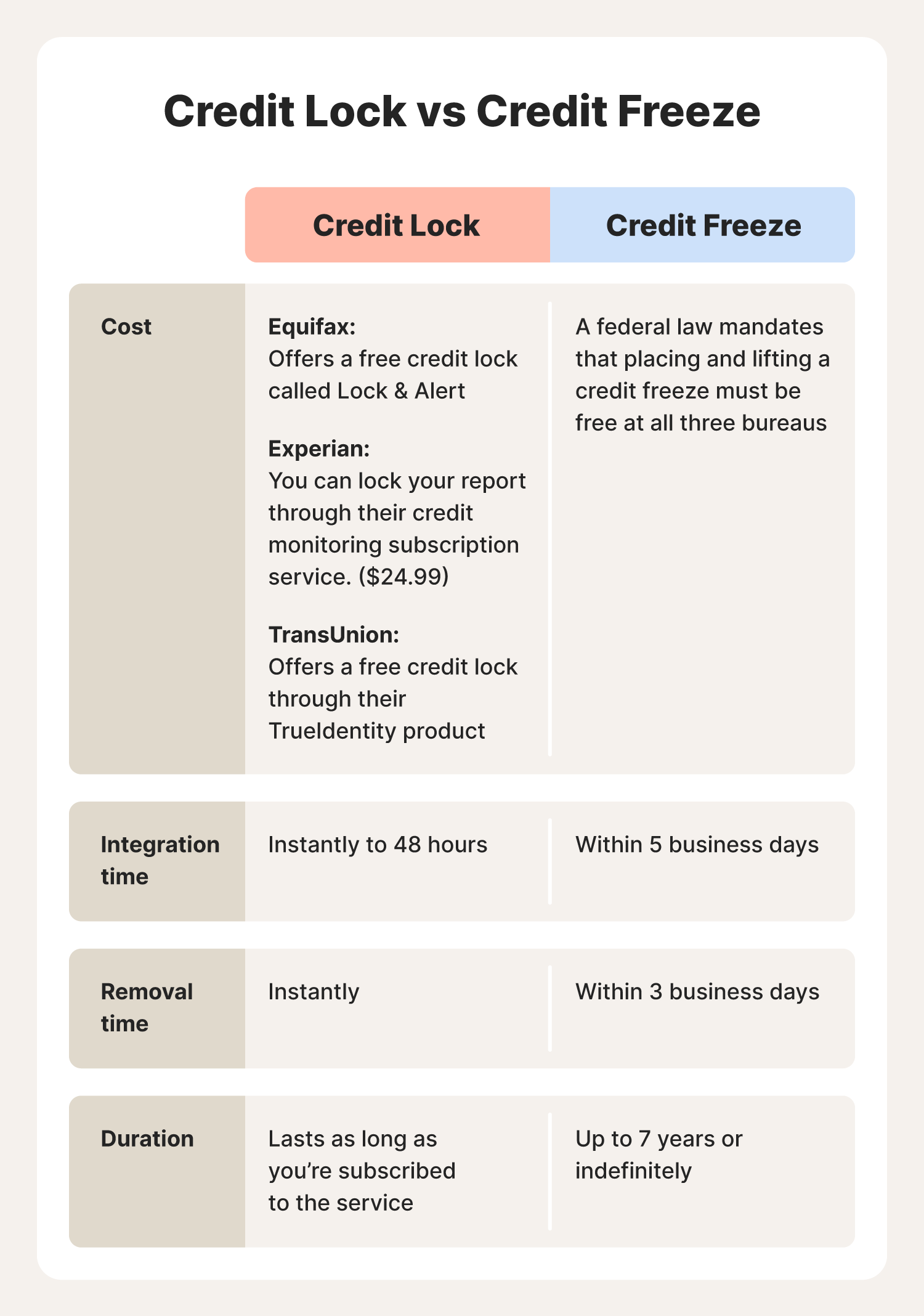
Securing and reviewing your credit reports from Equifax, Experian, and TransUnion is a foundational practice for maintaining financial wellness. Now that you know how to access your documents, make a calendar reminder to check your files regularly. If you identify unauthorized activity or suspect your personal information has been compromised, consider placing a security freeze on your credit files across all three bureaus. A security freeze restricts access to your credit report, making it much harder for identity thieves to open fraudulent accounts in your name while remaining entirely free to lift or temporarily thaw when you legitimately apply for credit.