Selling a diamond ring successfully requires balancing financial return, speed, and security through three primary avenues: specialized online diamond marketplaces, local independent jewelers or consignment shops, and peer-to-peer selling platforms. Each path offers distinct advantages regarding payout velocity, risk management, and the final price realized compared to the item's retail value.
Liquidating fine jewelry is rarely as straightforward as walking into a storefront and receiving a check for what the piece originally cost. Retail markups, fluctuations in precious metal and gemstone markets, and the distinct nature of liquidity in the secondary luxury market mean sellers must navigate a landscape full of varied business models. Whether you have inherited a vintage family heirloom, dissolved an engagement, or simply wish to upgrade your collection, choosing the right method depends on your timeline, your appetite for risk, and how much effort you are willing to invest into grading, photographing, and negotiating. Understanding the mechanics behind each path ensures you retain maximum value while avoiding common pitfalls.
Path 1: Specialized Online Diamond Marketplaces
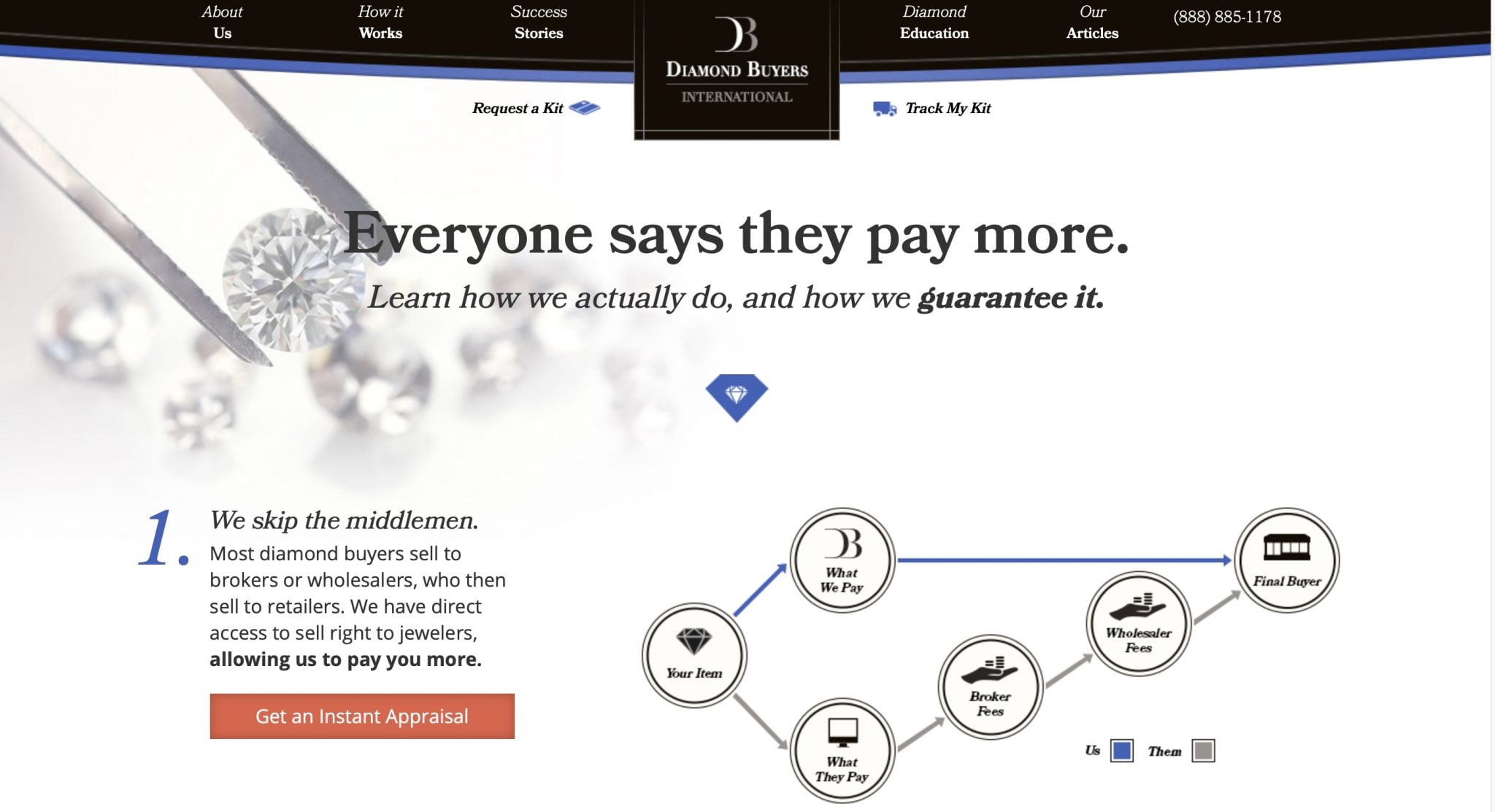
Specialized online diamond marketplaces bridge the gap between private sellers and a global network of professional diamond buyers, pawn brokers, and trade dealers. Platforms like Worthy, WP Diamonds, and specialized online auction houses operate on a consignment or auction model designed to create competitive bidding among verified trade buyers.
How Specialized Platforms Work
The process typically begins with an online submission where you provide details about your ring, such as the carat weight, metal type, and any existing laboratory certification from institutions like the Gemological Institute of America (GIA) or the American Gem Society (AGS).
- Shipping and Insurance: Once you accept an initial preliminary estimate, the platform sends a secure, fully insured mail-in kit (often tracked and guarded by armored transport services like Brinks or FedEx Express with specialized insurance riders).
- Physical Evaluation: Upon arrival at their grading facility, expert gemologists inspect, clean, and formally evaluate the diamond and setting. They verify whether the stone matches its grading report or assess its characteristics if no certification exists.
- Bidding and Sale: The item is then placed into a curated online auction or offered directly to a network of pre-screened professional buyers. These buyers compete for the inventory, driving up the wholesale price.
- Payout: Once the auction closes and you approve the highest bid, the platform deducts its commission or service fee and transfers the remaining funds directly to your bank account.
Advantages and Disadvantages
Pros:
- Competitive Bidding: Exposure to multiple buyers creates a competitive environment that often yields higher offers than a single local pawnshop or high street jeweler.
- Security and Insurance: High-value transit insurance and secure facility handling protect your asset while it is out of your possession.
- Convenience: The entire transaction can be managed from home without the need to visit multiple brick-and-mortar locations.
Cons:
- Platform Fees: Commissions can be substantial, often ranging from 10% to 30% of the final sale price depending on the value of the ring.
- Timeline: The shipping, evaluation, auction, and payout process typically takes anywhere from one to three weeks.
- Lack of Immediate Cash: If you need funds within 24 hours, the logistical turnaround time of online platforms may be too slow.
Path 2: Local Independent Jewelers, Consignment, and Estate Buyers
If you prefer a face-to-face transaction with immediate payout or wish to leverage a trusted local business, visiting independent jewelers, estate buyers, or consignment shops is a traditional and reliable route.
Direct Sale vs. Consignment
When working with a local professional, you generally choose between two distinct arrangements:
- Direct Sale (Outright Purchase): The jeweler evaluates your ring on the spot and makes a cash or check offer to buy it outright. This provides immediate liquidity. However, because the jeweler must factor in their overhead, refurbishment costs, and the risk of holding inventory, the offer will reflect wholesale or trade-in value rather than retail market value.
- Consignment: The jeweler displays your ring in their showcase alongside their own inventory while it remains your legal property. When the ring sells, the jeweler takes an agreed-upon commission (typically 20% to 40%), and you receive the remainder. While this can yield a higher return than a direct sale, it requires patience, as the piece may sit in the display case for months.
Preparing for a Local Evaluation
To ensure a smooth interaction with a local gemologist or buyer, proper preparation is essential:
- Gather Documentation: Bring original GIA, AGS, or IGI certificates, as well as original purchase receipts and appraisal documents. While an appraisal establishes replacement value for insurance purposes rather than resale value, it provides a helpful baseline history of the stone.
- Clean the Ring: Clean the diamond thoroughly using warm water, mild dish soap, and a soft-bristled toothbrush to remove skin oils and debris. A sparkling diamond is easier for a buyer to evaluate accurately under a loupe or microscope.
- Shop Around: Visit at least two or three different buyers—avoiding general pawn shops if you want a higher-end valuation—to compare offers and gauge the true market demand for your specific piece.
Path 3: Peer-to-Peer Marketplaces and Direct Private Sales
Selling directly to an end consumer through peer-to-peer (P2P) marketplaces—such as eBay, specialized fine jewelry listing sites, or local classified networks—eliminates intermediary fees, allowing you to capture the highest possible price. However, it also places the burden of marketing, security, and negotiation entirely on your shoulders.
Managing Risk and Logistics in Private Sales
Because high-value jewelry transactions attract sophisticated fraudsters, implementing strict security measures is non-negotiable.
- Escrow Services: For online remote sales, utilize reputable online escrow services (such as Escrow.com) where the buyer’s funds are held securely until you ship the item and the buyer verifies its authenticity. Never ship a ring based solely on a digital screenshot of a wire transfer confirmation.
- In-Person Safety: If selling locally through classified platforms, meet in a secure, public environment. Many local police departments offer designated "safe exchange zones" in their lobbies or parking lots equipped with 24/7 video surveillance specifically for online marketplace transactions.
- Authentication and Certification: Buyers on P2P platforms are naturally wary of counterfeits or treated stones sold under false pretenses. Having a recent, independent third-party grading report drastically increases buyer confidence and justifies a higher asking price.
Comparing the Three Paths
To help determine which route best aligns with your financial goals and timeline, the following comparison matrix breaks down the core characteristics of each path:
| Feature | Specialized Online Marketplaces | Local Jewelers & Consignment | Peer-to-Peer Marketplaces |
|---|---|---|---|
| Speed to Payout | Moderate (1–3 weeks) | Fast (Immediate for direct sale; Slow for consignment) | Variable (Days to months depending on buyer demand) |
| Potential Return | Moderate to High (Wholesale-to-trade auction) | Low to Moderate (Wholesale for cash; Higher for consignment) | Highest (Retail-adjacent pricing without middleman fees) |
| Fees & Costs | 10%–30% commission or sliding scale | 20%–40% consignment fee or built into lower cash offers | Platform listing fees, payment processing, or escrow fees |
| Security Risk | Low to Moderate (Insured transit and secure facilities) | Very Low (In-person or established business premises) | Moderate to High (Scams, chargeback fraud, personal safety risks) |
| Effort Required | Low (Shipping handled by platform) | Low to Moderate (Visiting shops or managing a consignment contract) | High (Photography, descriptions, buyer vetting, negotiations) |
Understanding Diamond Valuation Factors
Regardless of which path you choose, understanding the fundamental economics of diamond resale is critical to managing your expectations. The secondary market operates primarily on wholesale values rather than retail replacement costs.
The 4Cs in the Secondary Market
Buyers evaluate your diamond using the universally recognized 4Cs established by the GIA:
- Carat Weight: Larger stones (1 carat and above, particularly those exceeding 2 carats with high color and clarity grades) command stronger demand and liquidity in professional trade markets.
- Cut Quality: A well-cut diamond reflects light brilliantly. Even if a stone has lower color or clarity, an "Excellent" or "Very High" cut grade preserves its visual appeal and market desirability.
- Color and Clarity: Diamonds graded near the colorless end (D-F) and those with eye-clean clarity grades (VS1 to VVS2 or higher) hold their value significantly better than heavily included or visibly yellow stones.
The Retail Markup Reality Check
When you purchase a new ring from a traditional retail jewelry store, the price includes a substantial markup that covers brand prestige, store overhead, marketing, and profit margins. Once a ring leaves the store, it immediately enters the secondary market, where it sheds that retail markup. Consequently, receiving an offer equivalent to 30% to 60% of the original retail purchase price is common, depending on market conditions, current gold and platinum spot prices, and diamond demand.
Common Mistakes to Avoid
Avoiding missteps during the selling process protects your asset and ensures you do not leave money on the table.
- Accepting the First Offer: Never rush into a sale without gathering multiple independent appraisals or competing bids.
- Removing the Setting Prematurely: Do not remove a diamond from its mounting unless advised to do so by a certified gemologist for specific grading purposes. Sometimes the combined artistic value of the vintage setting or designer brand stamp (such as Tiffany & Co., Cartier, or Harry Winston) adds more value than the loose stone alone.
- Neglecting to Check Escrow Security: In private sales, never hand over the ring or ship it until funds are definitively verified as settled in your account or secured by an authorized neutral escrow service.
Frequently Asked Questions
Why are diamond resale offers so much lower than retail prices?
Retail prices include high markups for store overhead, brand marketing, and profit margins. The secondary market values jewelry based on wholesale commodity prices, trade demand, and the cost of refurbishing or resetting the piece for a new buyer.
Should I get a new appraisal before selling my ring?
An insurance appraisal reflects retail replacement value and is generally not useful for resale pricing. Instead, you should seek a formal diamond grading report from an independent laboratory like the GIA if the stone is uncertified, or rely on trade evaluations from specialized buyers.
Is it better to sell the diamond loose or keep it in the setting?
It depends on the piece. If the ring features a high-end designer mounting or an antique/vintage setting of artistic merit, selling it intact usually yields a higher return. If the setting is generic, damaged, or out of style, buyers primarily value the center diamond.
What documents do I need to sell my diamond ring?
Essential documents include any original laboratory grading reports (GIA, AGS), original purchase receipts, and service history records. While not strictly mandatory, having these documents accelerates the evaluation process and builds buyer trust.
How are taxes handled when selling a diamond ring?
In many jurisdictions, selling personal property like a diamond ring for less than its original purchase price is considered a capital loss, which is generally not tax-deductible. However, if you sell the ring for a profit above your original cost basis, that gain may be subject to capital gains tax. Consult a qualified tax professional regarding local regulations.
Next Steps for Liquidating Your Ring
Begin by assessing your personal priorities regarding speed and maximum financial return. If you want a secure, competitive process without dealing with individual buyers, request an estimate from a specialized online auction platform. If you prefer immediate cash and a personal touch, visit reputable local estate jewelers to compare direct purchase offers. Whichever path you select, secure your documentation, clean the piece professionally, and approach the market with a clear understanding of its wholesale valuation dynamics.