Maintaining an active life insurance license requires the periodic completion of 24 hours of Continuing Education (CE) credits within a designated renewal period. This mandatory curriculum ensures that licensed producers remain proficient in current regulatory standards, ethical practices, and evolving product knowledge, thereby safeguarding consumer interests and upholding the professional integrity of the insurance industry.
Understanding the Continuing Education Framework
The requirement for 24 continuing education hours is a standardized regulatory mechanism employed by most state Departments of Insurance (DOI) to ensure professional competency. Insurance is a dynamic field; as legislative updates emerge and new policy structures are introduced, the state mandates that active agents engage in structured learning to stay current.
In the vast majority of jurisdictions, this requirement applies to resident producers who hold a license in life, accident, and health insurance. While the specific number of hours can occasionally vary by state—with some requiring 20, 24, or even 30 hours—the "24 CE hour" standard is the most common benchmark in the United States.
It is important to clarify that "CE hours" are not synonymous with "clock hours." A single credit hour is typically defined as 50 minutes of instructional time. Therefore, to satisfy a 24-hour requirement, you are looking at approximately 20 hours of actual seat time or study time. Always verify your specific state’s administrative code to determine if your license renewal cycle is biennial (every two years) or annual, as this dictates the frequency with which you must complete these credits.
Core Components of the 24-Hour Curriculum
State regulators generally dictate that a portion of your 24 hours must be comprised of specific, non-negotiable topics. While the remaining credits can often be satisfied by elective courses relevant to your line of authority, the mandatory core usually includes the following:
1. Ethics and Regulatory Compliance
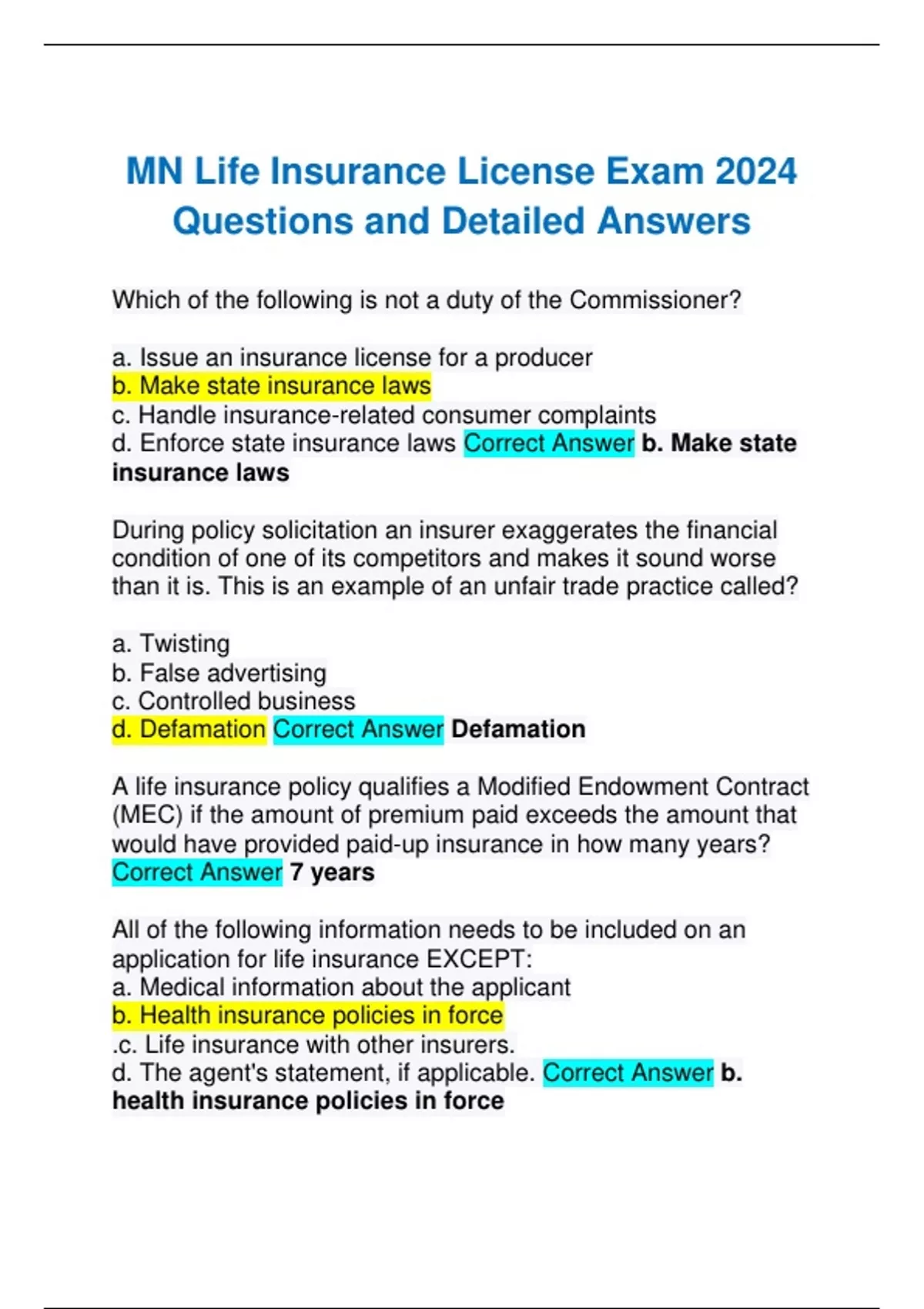
Ethics courses are mandatory in almost every state. These modules are designed to ground agents in their fiduciary duties to the client. This includes instruction on misrepresentation, defamation, twisting, churning, and the handling of premiums. Failure to complete the designated number of ethics hours often results in the rejection of your entire CE filing, even if you have completed the other required hours.
2. Line-of-Authority Specifics
If you are licensed in life insurance, you are expected to consume content relevant to life insurance products, such as universal life, whole life, term variations, and annuity contracts. Elective hours allow you to dive into specialized areas like estate planning, tax implications of life insurance, or business continuation strategies.
3. State-Specific Requirements
Some states require specialized training for specific products. For example, if you sell long-term care (LTC) insurance or indexed annuities, the state may mandate a one-time "partnership" training course or a product-specific suitability training. These are often integrated into your total 24-hour requirement, but failing to include the specific state-mandated certificate can lead to administrative non-compliance.
The Lifecycle of CE Compliance: A Practical Roadmap
Managing your CE requirements requires a proactive approach. Waiting until the final month of your license cycle is a common mistake that often leads to lapsed licenses and the potential for late fees or disciplinary action.
- Verify Your Expiration Date: Use your state’s Insurance Department portal to verify exactly when your license expires. In most states, CE credits must be submitted and processed before your renewal date.
- Review State-Specific Mandates: Check the state website for the exact breakdown of "required" vs. "elective" hours. Some states demand a certain number of hours to be completed in a classroom setting, while others allow 100% online self-study.
- Select an Accredited Provider: Ensure that the education provider you choose is approved by your state. Using an unaccredited provider means your hours may not be recognized by the DOI.
- Complete the Coursework and Pass the Exam: Most CE courses require the successful completion of a final examination. These exams are generally open-book, but they do require a passing score (usually 70% or higher).
- Monitor Reporting: Most providers report credits directly to the state or a third-party administrator (such as Sircon or NIPR). Always save your Certificate of Completion for your personal records, even after the credits are posted to your account.
Comparison of Delivery Methods
The method by which you acquire your 24 hours can impact both the cost and the effectiveness of the training.
| Delivery Method | Convenience | Cost Profile | Best For |
|---|---|---|---|
| Self-Study Online | High | Low | Independent agents needing flexibility |
| Live Webinar | Medium | Moderate | Agents who prefer instructor interaction |
| Classroom Instruction | Low | High | Networking and deep-dive technical topics |
| On-Demand Video | High | Low | Visual learners who need to start/stop |
Common Pitfalls and Troubleshooting
Even experienced agents encounter issues during the renewal process. Understanding these common errors can save significant time and stress.
- Non-Reported Credits: If your hours do not appear on your state’s licensee portal within 10 business days of completion, contact your education provider immediately. Do not wait until the renewal deadline.
- Duplicate Credits: You generally cannot claim the same course for credit in a single renewal cycle. If you took a course in 2024, you cannot take it again in 2026 for the same renewal period.
- Jurisdictional Differences: If you are a non-resident agent, check if your state allows for "reciprocity." In many cases, if you meet the CE requirements in your home state, you satisfy the requirements for your non-resident states, but this is not a universal rule.
- Expired Licenses: If you miss your deadline, most states provide a grace period, but this almost always involves a monetary penalty. In extreme cases, your license may be suspended, requiring you to re-take the licensing exam and re-apply for licensure.
Why Quality Matters Beyond Compliance
While the 24-hour requirement is a regulatory hurdle, it serves a secondary, more vital purpose: professional development. Insurance products are increasingly sophisticated. Modern life insurance policies often function as complex financial instruments that overlap with investment vehicles and tax-advantaged estate planning tools.
By choosing high-quality CE providers—those that focus on case studies, current court rulings, and economic shifts—you transform a compliance burden into a competitive advantage. Agents who view the 24-hour requirement as an opportunity to sharpen their technical advisory skills often see higher client retention and lower rates of professional liability claims.
Frequently Asked Questions (FAQ)
Can I carry over excess CE hours to the next renewal period? Most states do not allow for the carry-over of excess credits. If your state requires 24 hours, completing 30 will typically result in the extra 6 hours being discarded when the cycle resets. Always check your state’s specific policy on "excess credit carry-over."
What happens if I fail the final exam for a CE course? Most online CE providers allow for unlimited retakes of the final exam until you achieve a passing grade. Because these courses are designed to be educational rather than exclusionary, the focus is on mastering the material.
Do I need to send my certificates to the Department of Insurance? In most modern jurisdictions, you do not need to proactively send certificates to the DOI. The education provider reports the completion directly to the state's database. However, you are legally obligated to retain your physical or digital certificates for several years in case of a random audit.
Are there exemptions from the 24-hour requirement? Some states offer exemptions based on longevity (e.g., if you have been licensed for over 20–25 years) or professional designations (e.g., CLU or CPCU). You must apply for these exemptions; they are rarely granted automatically.
Does the 24-hour requirement change if I hold multiple licenses? Usually, the requirement is "per licensee," not "per line of authority." If you hold both a life license and a property and casualty license, you are still generally only required to complete a total of 24 hours, provided that the courses chosen satisfy the requirements for both lines.
Final Next Action
If you are within 90 days of your license expiration date, log in to your state’s Department of Insurance licensee portal today. Verify your total credit count, ensure all reported hours are accurate, and identify any missing mandatory ethics or state-specific courses. If you are short on hours, register for an approved online provider immediately to ensure completion well before your deadline. Prioritize the completion of any state-mandated special requirements first, as these are the most common source of rejection for renewal applications.