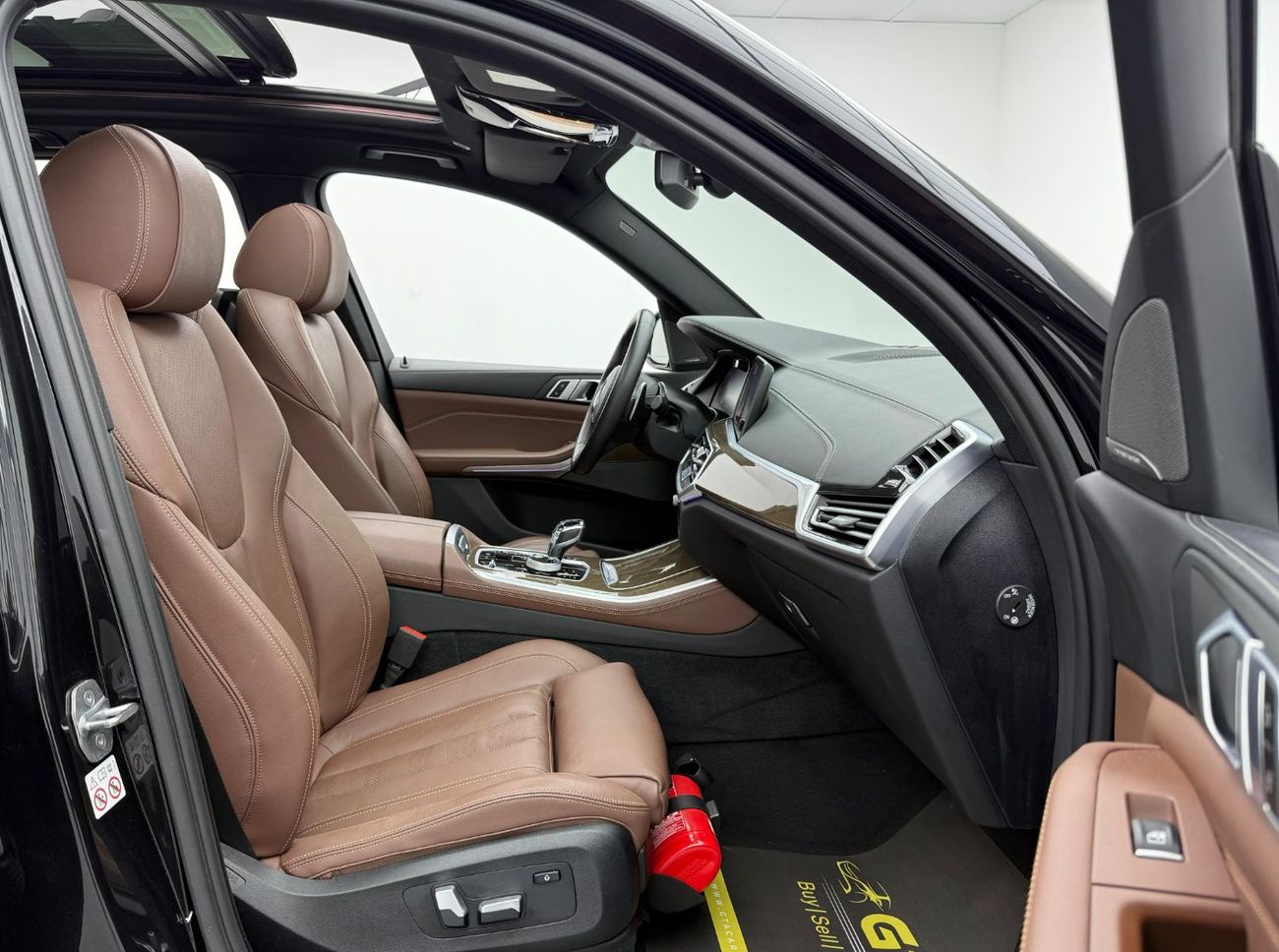
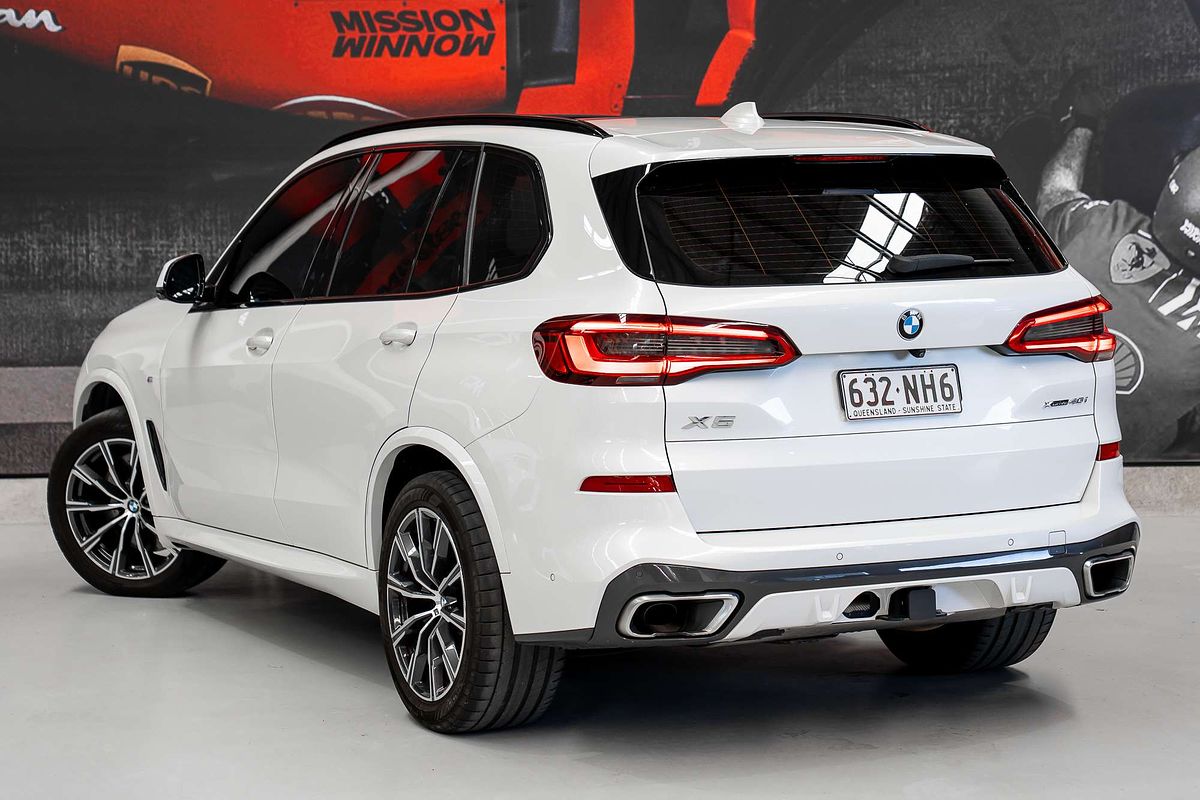
The 2020 BMW X5 xDrive40i balances luxury, everyday utility, and engaging driving dynamics through its 3.0-liter turbocharged inline-six engine, standard all-wheel-drive system, and expansive suite of advanced safety and infotainment technologies.
Navigating the market for a pre-owned luxury midsize SUV requires looking past the badge and examining how a vehicle’s engineering, specifications, and option packages hold up over time. As the fourth generation of BMW’s flagship Sports Activity Vehicle (SAV), the 2020 BMW X5 xDrive40i introduced a mature blend of rugged capability and refined technology. Understanding its standard features, available packages, performance characteristics, and common ownership considerations helps prospective buyers make an informed investment.
Identity, Scope, and Powertrain Engineering
The 2020 BMW X5 xDrive40i sits in the middle of the luxury midsize crossover segment, competing directly against vehicles like the Mercedes-Benz GLE 450, Audi Q7, and Volvo XC90. Built on BMW’s flexible Cluster Architecture (CLAR) platform, this generation of the X5 grew larger, stiffer, and quieter than its predecessors while shedding unnecessary weight through the strategic use of aluminum and high-strength steel.
At the heart of the xDrive40i is BMW’s acclaimed B58 3.0-liter turbocharged inline-six engine. Producing 335 horsepower between 5,500 and 6,500 rpm and 331 lb-ft of torque from 1,500 to 5,200 rpm, this powerplant is widely regarded by automotive engineers and enthusiasts for its smooth power delivery and robust mechanical durability. Mated to a ZF eight-speed automatic transmission, the powertrain routes power through BMW's intelligent xDrive all-wheel-drive system, which can continuously and variably split torque between the front and rear axles depending on road conditions and driver inputs.
| Specification | 2020 BMW X5 xDrive40i Detail |
|---|---|
| Engine Type | 3.0L Turbocharged Inline-6 (B58) |
| Horsepower | 335 hp @ 5,500 – 6,500 rpm |
| Torque | 331 lb-ft @ 1,500 – 5,200 rpm |
| Transmission | 8-Speed Automatic with Sport and Manual Shift Modes |
| Drivetrain | Rear-Biased xDrive Intelligent All-Wheel Drive |
| EPA Fuel Economy (City/Hwy/Combined) | 20 / 26 / 22 mpg |
| Cargo Capacity (Seats Up / Folded) | 33.9 cubic feet / 72.3 cubic feet |
Standard Features and Interior Technology
Stepping inside the 2020 X5 xDrive40i reveals a cabin designed around driver ergonomics and digital integration. BMW’s Live Cockpit Professional comes standard, featuring a 12.3-inch digital instrument cluster directly ahead of the driver and a matching 12.3-inch central touchscreen running iDrive 7.0. Unlike older iterations, iDrive 7.0 supports touch input, voice commands via the "Hey BMW" intelligent personal assistant, steering wheel controls, and the traditional center console iDrive rotary controller.
Standard creature comforts for the model year include Vernasca leather upholstery, 16-way power-adjustable heated front sport seats with lumbar support, a panoramic glass sunroof, dual-zone automatic climate control, and ambient interior lighting. Practicality remains a strong suit: the vehicle features a split-tailgate design (powered upper and manual lower sections) making loading cargo straightforward. Cargo capacity measures 33.9 cubic feet behind the second row, expanding to 72.3 cubic feet with the rear seats folded flat.
Notable Optional Packages and Upgrades
While the baseline equipment list is comprehensive, the majority of X5 models on the secondary market feature factory add-ons bundled into packages. Identifying which packages are installed is essential when evaluating a vehicle's value and capabilities.
Convenience and Premium Packages
The baseline Convenience Package added items like wireless device charging, a Wi-Fi hotspot, and SiriusXM satellite radio. Stepping up to the Premium or Executive packages introduced features such as a Harman Kardon surround sound system, gesture control for the infotainment screen, a head-up display, heated and cooled front cup holders, and remote engine start.
Driver Assistance Professional Package
For buyers prioritizing safety and semi-autonomous capabilities, this package is a critical find. It includes extended traffic jam assist (allowing for hands-off driving at lower speeds on limited-access highways), active cruise control with stop-and-go functionality, lane-keeping assist, and evasion aid.
Dynamic Handling and Off-Road Packages
Driving enthusiasts should look for models equipped with the Dynamic Handling Package, which adds integral active steering (rear-wheel steering) and active roll stabilization to flatten cornering behavior. Conversely, the Off-Road Package (relatively rare on the xDrive40i) introduced a two-axle air suspension, an electronically controlled rear differential lock, and underbody skid plates, alongside selectable terrain driving modes.
Performance, Ride Quality, and Efficiency
On the road, the X5 xDrive40i delivers a composed ride that balances traditional BMW agility with long-distance cruising comfort. The standard suspension utilizes steel springs and dynamic damper control, absorbing highway expansion joints and minor road imperfections with ease. Upgrading to the optional two-axle air suspension allows drivers to manually raise or lower the ride height by up to 1.6 inches for loading cargo or tackling unpaved driveways.
The B58 engine propels the roughly 4,800-pound SUV from zero to 60 mph in approximately 5.3 seconds—impressive performance for a midsize family vehicle. Throttle response is linear, and the ZF transmission executes gear shifts nearly imperceptibly. Fuel economy is competitive for the class, earning EPA estimates of 20 mpg city, 26 mpg highway, and 22 mpg combined, though real-world figures will vary depending on driving style and cargo loads.
Common Ownership Considerations and Maintenance
When considering a 2020 model, prospective owners must weigh out-of-warranty ownership dynamics, routine maintenance intervals, and known operational quirks.
Mechanical Reliability and Maintenance Costs
The B58 engine in the 2020 X5 has earned a reputation for solid reliability compared to earlier BMW powerplants, provided it receives strict preventative maintenance. Oil change intervals should not exceed 10,000 miles (or annually), though many independent BMW specialists recommend halving that interval for vehicles driven hard or primarily in heavy city traffic.
Electronics and Software Complexity
The electronic architecture of the G05-generation X5 is dense. Early production models (such as late 2018 or early 2019 builds, though 2020 models benefited from refined software iterations) occasionally experienced glitches with the iDrive 7.0 system. Verifying that the vehicle’s software has been updated to the latest available version during service visits resolves most connectivity and instrument cluster bugs.
Consumables: Brakes and Tires
Due to the vehicle's substantial weight and performance capabilities, brake pads and rotors wear relatively quickly. Depending on driving habits, front brake service may be required anywhere from 30,000 to 50,000 miles. Furthermore, models equipped with staggered wheel setups (wider rear tires) cannot perform traditional tire rotations, which can shorten the overall lifespan of performance-oriented rubber.
Frequently Asked Questions
Does the 2020 BMW X5 xDrive40i have a third-row seat option?
Yes, the 2020 X5 xDrive40i was available with an optional third-row seat package. However, this third row is exceptionally cramped and primarily suited for small children. Selecting the third-row package also reduces second-row legroom and eliminates the under-floor storage compartment in the trunk, making it relatively rare on the used market.
Can the xDrive40i tow a trailer?
When properly equipped with a factory-installed trailer hitch, the 2020 BMW X5 xDrive40i has a maximum towing capacity of up to 7,200 pounds. Buyers should verify that the vehicle was ordered with the factory hitch package, as aftermarket retrofits can be complex and expensive due to wiring integration requirements with the vehicle's stability control systems.
What is the difference between sDrive40i and xDrive40i?
The primary difference lies in the drivetrain layout. The sDrive40i model features rear-wheel drive, while the xDrive40i features BMW’s intelligent all-wheel-drive system. In regions subject to heavy winter snow or frequent rain, the xDrive40i provides superior traction and stability, making it the more popular choice for buyers in variable climates.
How does Apple CarPlay and Android Auto integration work?
The 2020 X5 supports wireless Apple CarPlay through its iDrive 7.0 system. For Android users, standard support depends on the vehicle's manufacturing date and software version, as Android Auto integration was rolled out via over-the-air updates or dealer software flashes for the 2020 model year. Buyers should pair an Android device during a test drive to verify compatibility.
What are the main mechanical failure points to check on a used 2020 X5?
While major mechanical failures are rare, buyers should inspect the cooling system hoses for minor coolant weeping, check for oil filter housing leaks (a historical BMW trait that technicians monitor), and ensure the 48-volt mild-hybrid battery system (if equipped on late-build 2020 models) and starter-generator function correctly without throwing diagnostic trouble codes.
Next Actions for Prospective Buyers
For those actively shopping for a 2020 BMW X5 xDrive40i, the most critical step is obtaining a comprehensive pre-purchase inspection (PPI) from an independent BMW specialist rather than a generic service garage. Request the vehicle’s service history via the VIN to confirm regular oil changes and check for any open recall campaigns. Prioritize models with documented service records and well-chosen factory packages—such as the Driving Assistance Professional or Premium packages—to ensure long-term satisfaction with daily driving comfort and utility.