The 2018 Honda Civic air conditioning system commonly suffers from a manufacturer-acknowledged defect involving the air conditioning condenser, which is prone to refrigerant leaks. While Honda extended the warranty on the condenser for affected vehicles to 10 years from the original purchase date without a mileage limit, other issues such as compressor failure, evaporator leaks, or electrical relay glitches can also cause the climate control to blow warm air.
Understanding the 2018 Honda Civic Climate Control Architecture
The 2018 Honda Civic utilizes a sophisticated automatic or manual climate control system designed to regulate cabin temperature, humidity, and airflow. Understanding how these components interact is the first step in diagnosing why an air conditioning system fails to cool efficiently.
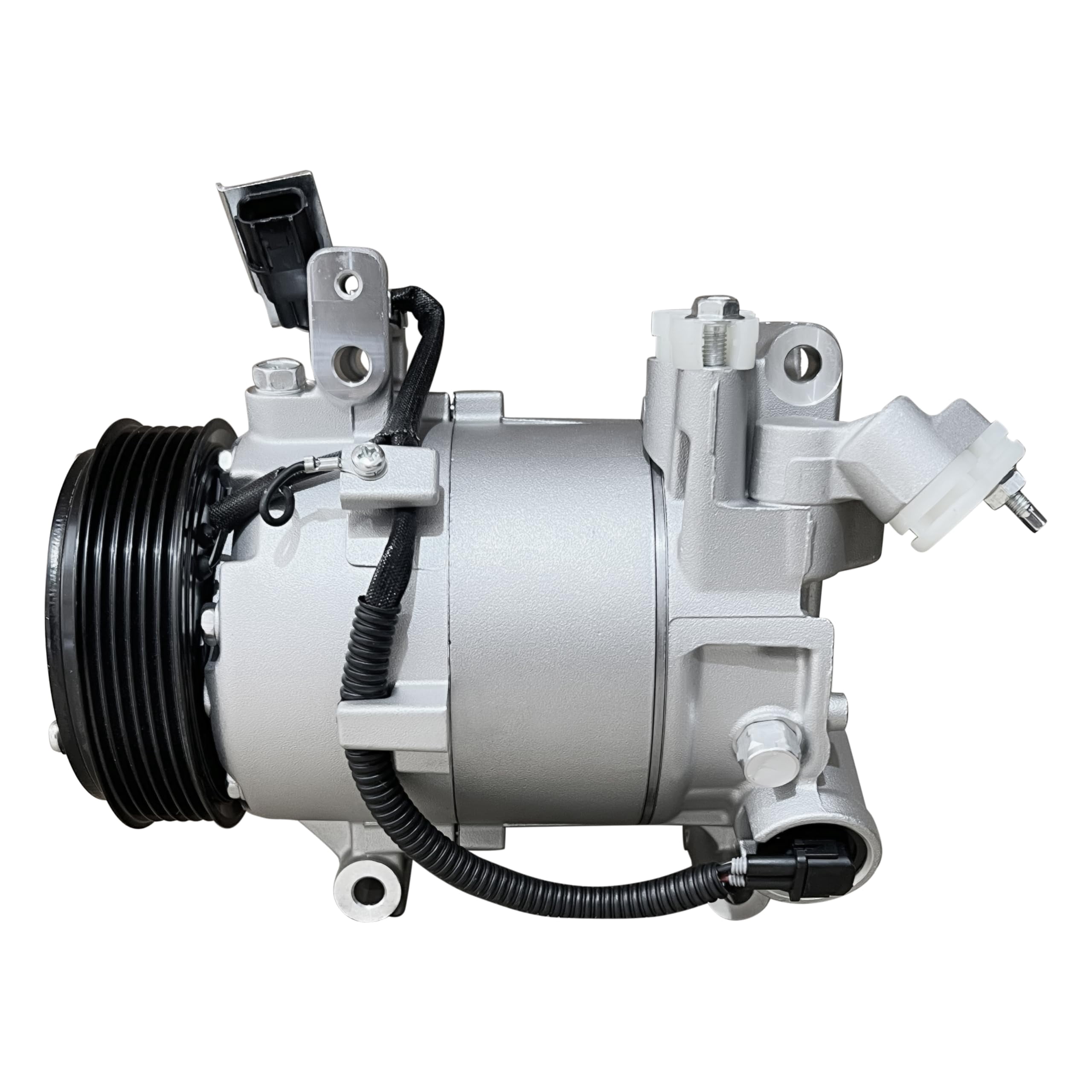
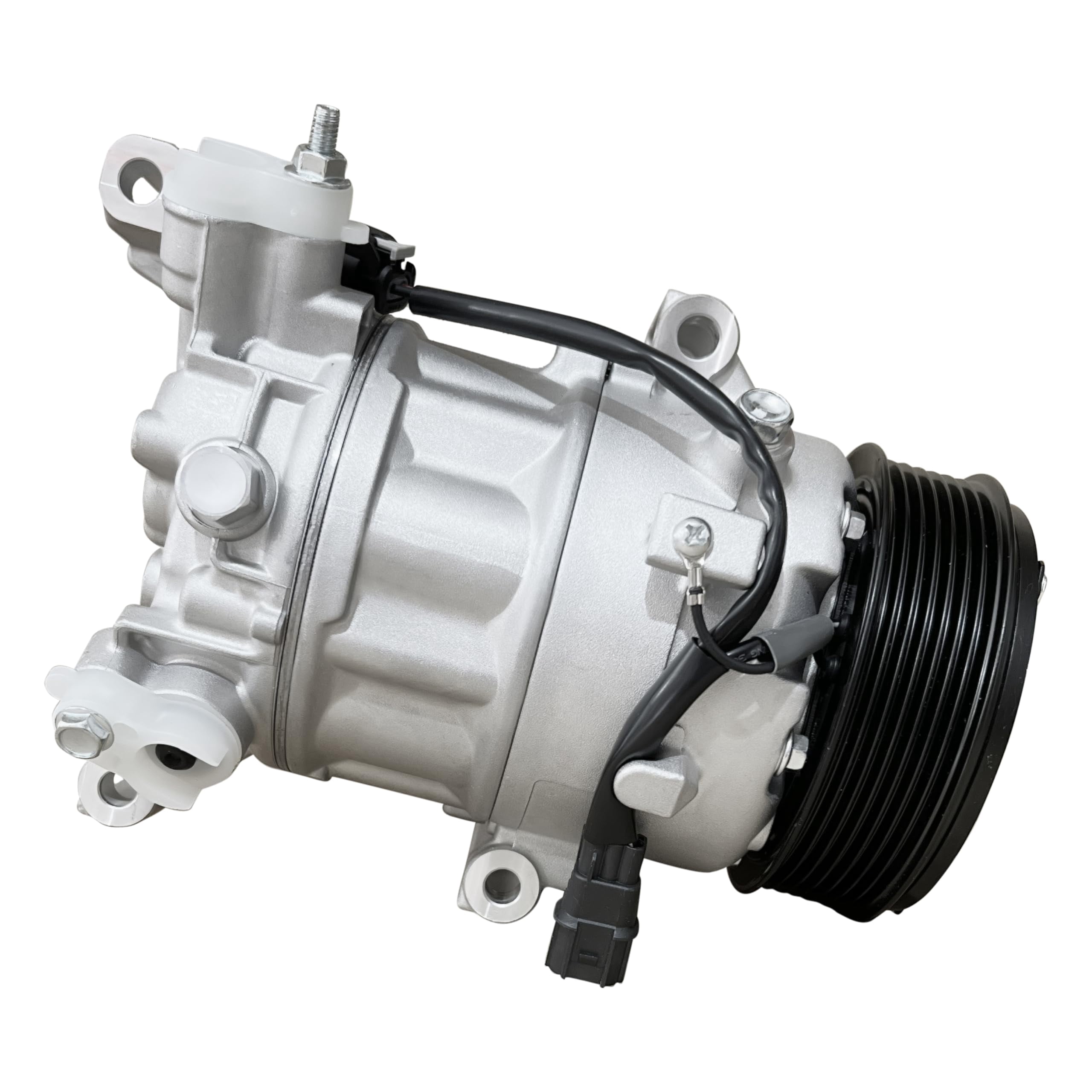
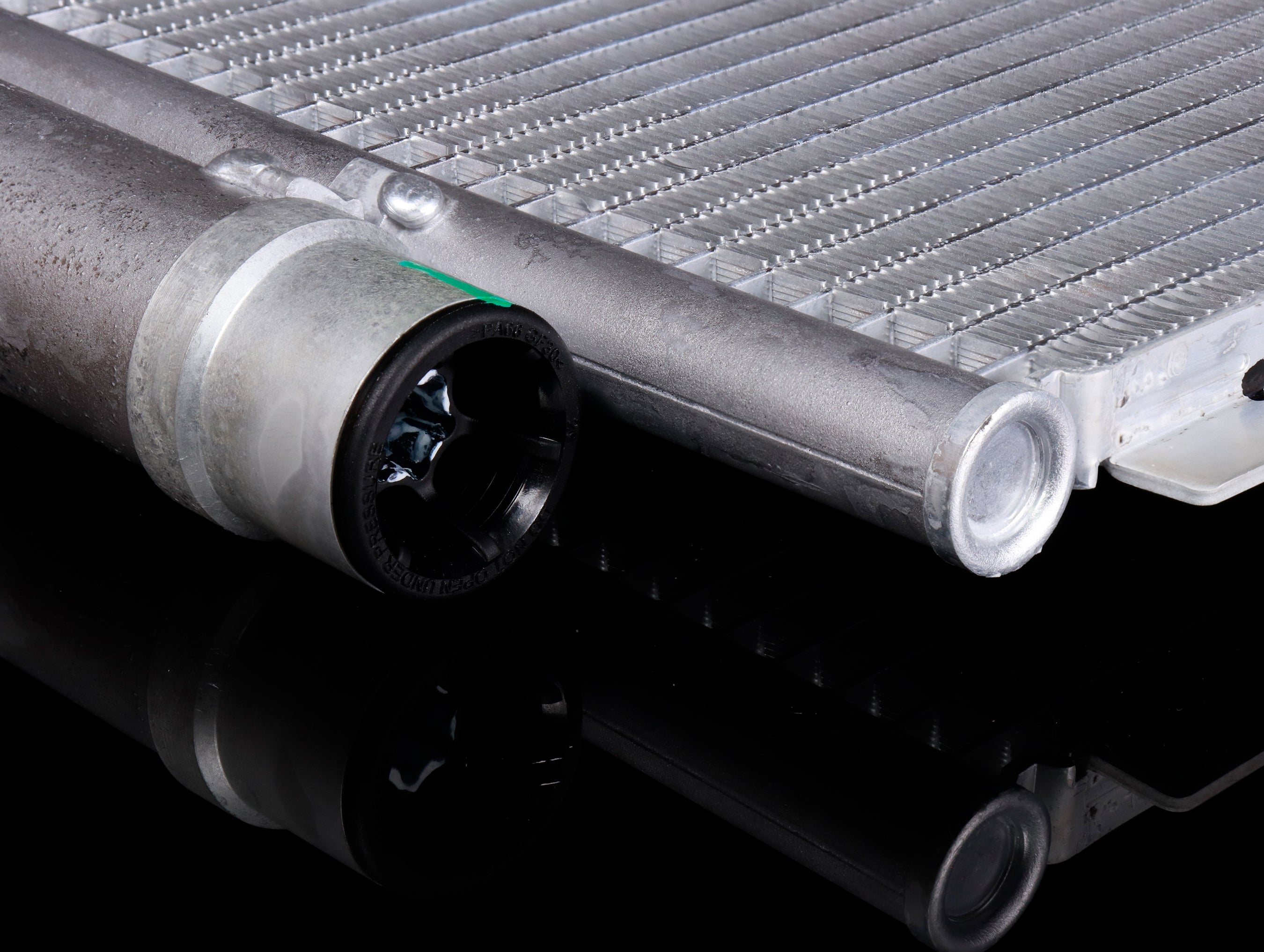
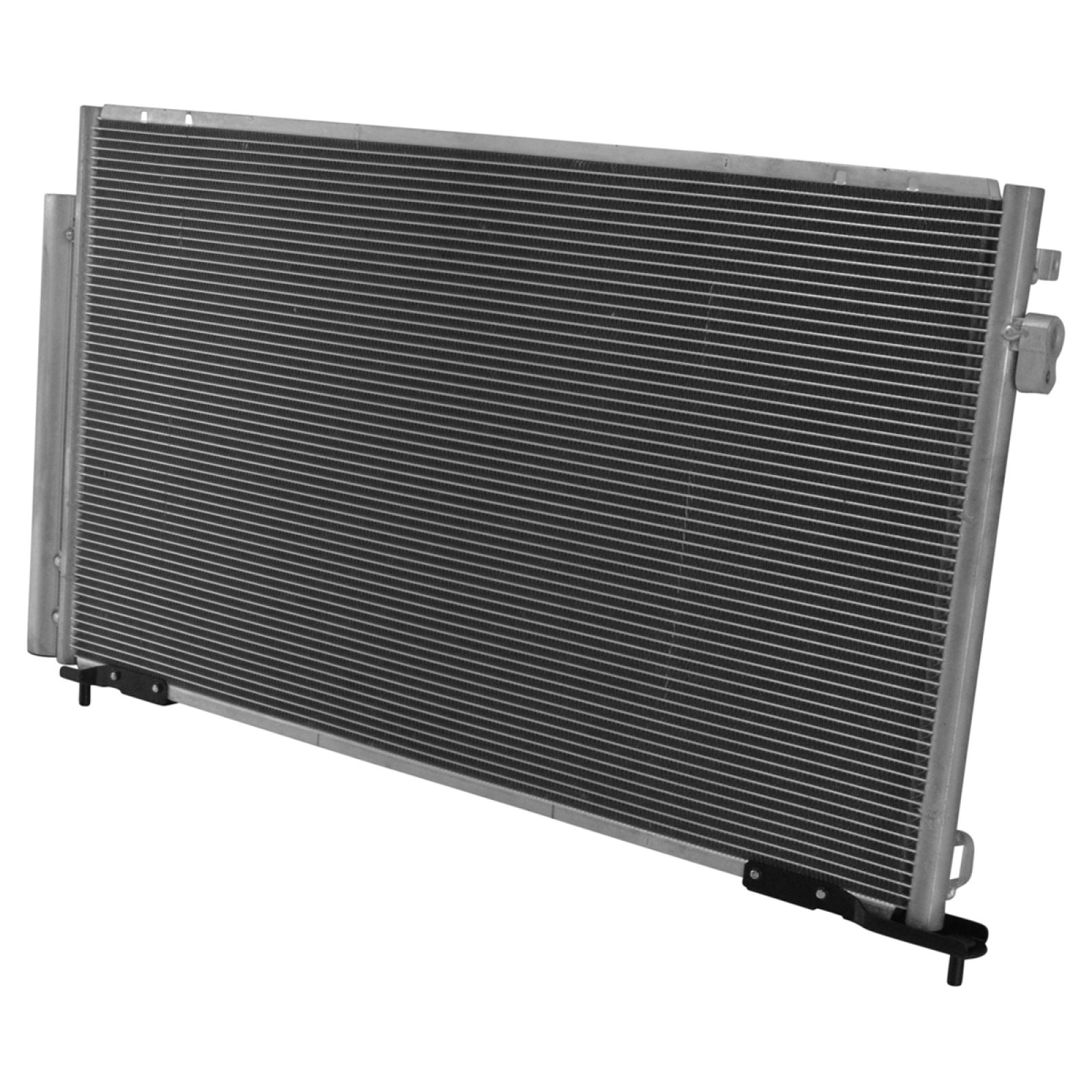
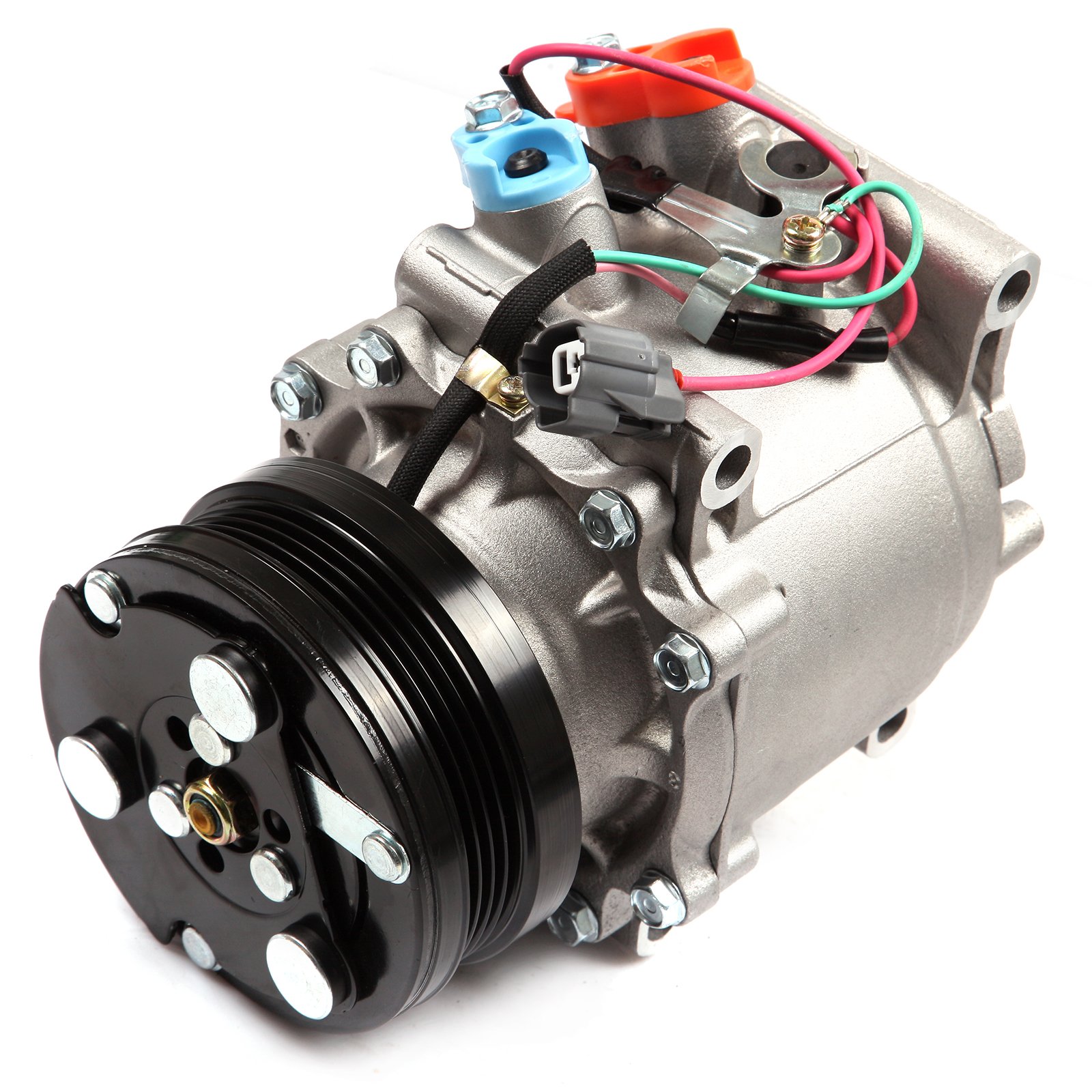
At the heart of the system is a variable-displacement compressor driven by the engine's serpentine belt. Unlike older fixed-displacement compressors that cycle entirely on and off, modern Honda compressors continuously adjust their stroke to match cooling demand, improving fuel efficiency. From the compressor, high-pressure refrigerant gas flows into the condenser located directly in front of the radiator. Here, ambient air passing through the vehicle's grille cools the refrigerant, causing it to condense into a high-pressure liquid.
This liquid refrigerant then passes through an expansion valve or orifice tube, dropping sharply in pressure and temperature before entering the evaporator core inside the dashboard. As warm cabin air is blown across the cold evaporator fins, heat is absorbed into the refrigerant, and the chilled air is redistributed throughout the interior.
In a 2018 Honda Civic, this layout is managed by an Electronic Control Unit (ECU) that monitors multiple sensors, including the ambient air temperature sensor, in-car temperature sensor, sunload sensor, and evaporator temperature sensor. If any of these sensors fail, or if the refrigerant charge drops below a specific threshold, the system may disable the compressor clutch to prevent internal damage.
The Recognized 2018 Honda Civic A/C Condenser Defect
One of the most widely documented issues affecting the 2018 Honda Civic air conditioning system is a defective A/C condenser. Owners frequently report that the air conditioning functions normally for a few years before gradually losing its cooling capability, eventually blowing ambient or heated air.
Root Cause of the Condenser Failure
The failure stems from a manufacturing defect in the aluminum tubing of the original factory condenser. The material used is susceptible to microscopic porosity and cracking under normal operating pressures and vibration. Over time, these microscopic fissures allow the R-1234yf refrigerant and PAG oil to escape into the atmosphere. Because modern automotive air conditioning systems require a precise, pressurized charge to operate, even a minor leak will quickly trip low-pressure safety switches, shutting down the compressor entirely.
Honda's Extended Warranty Policy
Recognizing the widespread nature of this failure, American Honda Motor Co. issued a technical service bulletin and extended the warranty coverage for the A/C condenser on specific vehicles, including the 2018 Honda Civic. Under this extended policy, the warranty for the condenser is extended to 10 years from the original date of purchase, with unlimited mileage.
If a diagnostic evaluation at an authorized Honda dealership confirms that the A/C condenser is leaking from the condenser body due to a manufacturing defect, the part and labor for replacement are covered free of charge. However, if the leak is located elsewhere—such as a punctured condenser caused by road debris or a damaged evaporator line—the repair may fall outside the scope of this specific extended warranty.
Step-by-Step Diagnostic Procedures for A/C Failure
When a 2018 Honda Civic air conditioning system stops blowing cold air, a systematic diagnostic approach prevents unnecessary parts replacement and ensures the root cause is identified accurately.
- Check Compressor Clutch Engagement
- Does not engage
- Check Fuses & Relays
- Blown: Replace
- Good: Diag Switch
- Check Fuses & Relays
- Engages, but warm
- Check Refrigerant Level
- Low: Leak Test
- Normal: Blend Door
- Check Refrigerant Level
- Does not engage
1. Visual Inspection and Basic Checks
Begin by turning on the engine, setting the climate control to the lowest temperature setting, and engaging the blower fan on high.
- Listen closely for the audible click of the A/C compressor clutch engaging.
- Open the hood and observe the front of the compressor pulley. The outer hub should spin in unison with the pulley when the A/C is activated. If the hub remains stationary while the interior light indicates A/C is on, the system is either low on refrigerant, experiencing an electrical fault, or suffering from a seized compressor.
2. Inspecting for Refrigerant Leaks
Because refrigerant leaks are common on the 2018 model, checking for physical signs of leakage is essential.
- Look closely at the A/C condenser through the front bumper grille. Look for oily residue or wet spots on the aluminum fins. Because PAG oil circulates with the refrigerant, any refrigerant leak will leave an oily trail that attracts dirt and road grime.
- Use a UV leak detection light if UV dye has previously been added to the system during a service.
3. Checking Fuses, Relays, and Pressure Switches
Electrical components can also disrupt A/C operation.
- Locate the under-hood fuse box and inspect the fuses and relays associated with the magnetic clutch and blower motor. A blown fuse indicates an electrical short, often caused by a failing compressor coil.
- Test the A/C pressure transducer. If the transducer fails or sends an erroneous signal to the ECU indicating dangerously high or low pressure, the computer will refuse to engage the compressor.
Alternative Causes of A/C Malfunction
While the condenser is the primary suspect in a 2018 Honda Civic, several other components can fail and mimic the symptoms of a condenser leak.
| Component | Common Symptom | Diagnostic Method |
|---|---|---|
| Evaporator Core | Sweet chemical smell inside cabin, fogging windows, slow refrigerant loss. | Nitrogen pressure test, dashboard disassembly for visual dye check. |
| A/C Compressor | Loud grinding or squealing noises, metallic shavings in system. | Visual inspection of compressor housing, gauge manifold pressure test. |
| Expansion Valve | One A/C line freezing up, inconsistent cooling, erratic pressures. | Temperature differential check across valve inlet and outlet. |
| Blend Door Actuator | Air temperature does not change when adjusting climate control dial. | OBD-II scanner monitoring climate control module live data codes. |
| Cabin Air Filter | Extremely weak airflow from vents, musty odor. | Physical inspection behind the glove box. |
Evaporator Core Leaks
The evaporator core sits inside the HVAC housing beneath the center of the dashboard. While less frequent than condenser failures, evaporator cores can develop leaks due to corrosion or manufacturing defects. A leak here is often harder to detect visually without pressurizing the system with nitrogen and using an electronic refrigerant leak detector inside the cabin vents.
Compressor and Clutch Failure
Internal mechanical wear can cause the A/C compressor to fail. If the compressor pistons or swashplate score the housing, metallic debris circulates throughout the entire A/C plumbing. Repairing a failed compressor requires not just replacing the compressor itself, but thoroughly flushing the lines, replacing the expansion valve, and installing a new receiver-dryer to remove all metallic contamination.
Blend Door Actuator Issues
Sometimes the air conditioning system is mechanically sound and producing cold air, but a faulty blend door actuator prevents that cold air from reaching the cabin. If the electric motor controlling the mixing flap fails, the vehicle may blow ambient outside air or heater core heat regardless of the digital temperature setting selected on the dashboard.
Professional Repair Costs and Options
Repairing a 2018 Honda Civic air conditioning system varies significantly depending on the failed component and warranty eligibility.
- Condenser Replacement (Under Warranty): $0. Authorized Honda dealerships perform this repair completely free of charge if the leak is verified as a manufacturing defect covered under the extended warranty extension.
- Condenser Replacement (Out of Pocket / Third-Party): $550 to $900. If the vehicle has structural damage to the condenser from road debris (which voids the warranty), independent shops charge for parts, labor, and a complete R-1234yf refrigerant recharge.
- Compressor Replacement: $1,000 to $1,800. This intensive service includes recovering refrigerant, replacing the compressor, flushing lines, replacing the expansion valve, and recharging the system.
- Evaporator Core Replacement: $1,200 to $2,000. Because the dashboard must be completely removed to access the evaporator housing, labor costs make up the majority of this repair expense.
Maintenance and Preventive Best Practices
Extending the lifespan of your 2018 Honda Civic air conditioning system requires regular operational habits and basic upkeep.
- Run the A/C Regularly: Even during winter months, run the defroster or A/C system for 10 to 15 minutes every couple of weeks. This keeps the internal seals lubricated with circulating PAG oil, preventing them from drying out and cracking.
- Replace the Cabin Air Filter: A clogged cabin air filter restricts airflow across the evaporator core, forcing the blower motor to work harder and potentially causing the evaporator to freeze into a solid block of ice. Replace this filter every 15,000 to 30,000 miles.
- Keep the Condenser Clean: Periodically wash out the front grille and condenser fins with low-pressure water to remove accumulated bugs, dirt, and road salt that can accelerate aluminum corrosion.
Frequently Asked Questions
Is the 2018 Honda Civic A/C condenser warranty extension transferable to a second owner?
Yes, Honda's extended warranty coverage for the A/C condenser is tied to the Vehicle Identification Number (VIN) rather than the original purchaser. If you purchased a used 2018 Honda Civic, you remain fully eligible for the free repair at an authorized dealership, provided the vehicle falls within the 10-year timeframe and has a qualifying manufacturing defect.
Can I recharge the R-1234yf refrigerant myself using a DIY kit from an auto parts store?
While DIY refrigerant cans are available, they should be used with extreme caution. The 2018 Honda Civic uses R-1234yf refrigerant, which is more expensive and environmentally regulated than older R-134a. Furthermore, if your system has a physical leak like a cracked condenser, adding refrigerant will only result in it escaping into the atmosphere within days or weeks, wasting money and potentially overcharging or damaging the system components.
Why is my A/C blowing cold on the passenger side and warm on the driver's side?
This symptom typically points to a dual-zone climate control calibration issue, a failing blend door actuator, or a low refrigerant charge. In modern Honda vehicles, when the refrigerant charge drops to a critical level, the evaporator core cools unevenly, often chilling only a fraction of the core surface corresponding to the passenger side before the heat load overwhelms the remaining liquid.
Does turning off the A/C before shutting off the engine protect the system?
Turning off the A/C compressor a minute or two before turning off the engine can help reduce moisture buildup inside the evaporator housing by allowing ambient air to dry the condensation. While not strictly mandatory for preventing major mechanical failure, it is an effective practice for preventing musty odors and mold growth in the HVAC ducts.
How do I know if my A/C compressor is completely ruined?
A failing or seized compressor will often produce loud squealing noises from the accessory belt slipping over a locked pulley, or a harsh metallic rattling sound when engaged. If you see metal shavings in the refrigerant service ports or if a mechanic recovers metallic debris during system evacuation, the compressor has suffered internal mechanical failure.
Next Steps and Action Plan
If your 2018 Honda Civic air conditioning is failing, your immediate priority should be checking whether your vehicle qualifies for warranty coverage. Contact an authorized Honda dealership, provide your VIN, and schedule a diagnostic appointment. If the dealer confirms a defective condenser, the repair will be performed under warranty at no cost. If the diagnostic reveals a non-warranty issue, request a detailed written estimate before authorizing any independent or dealership repairs.