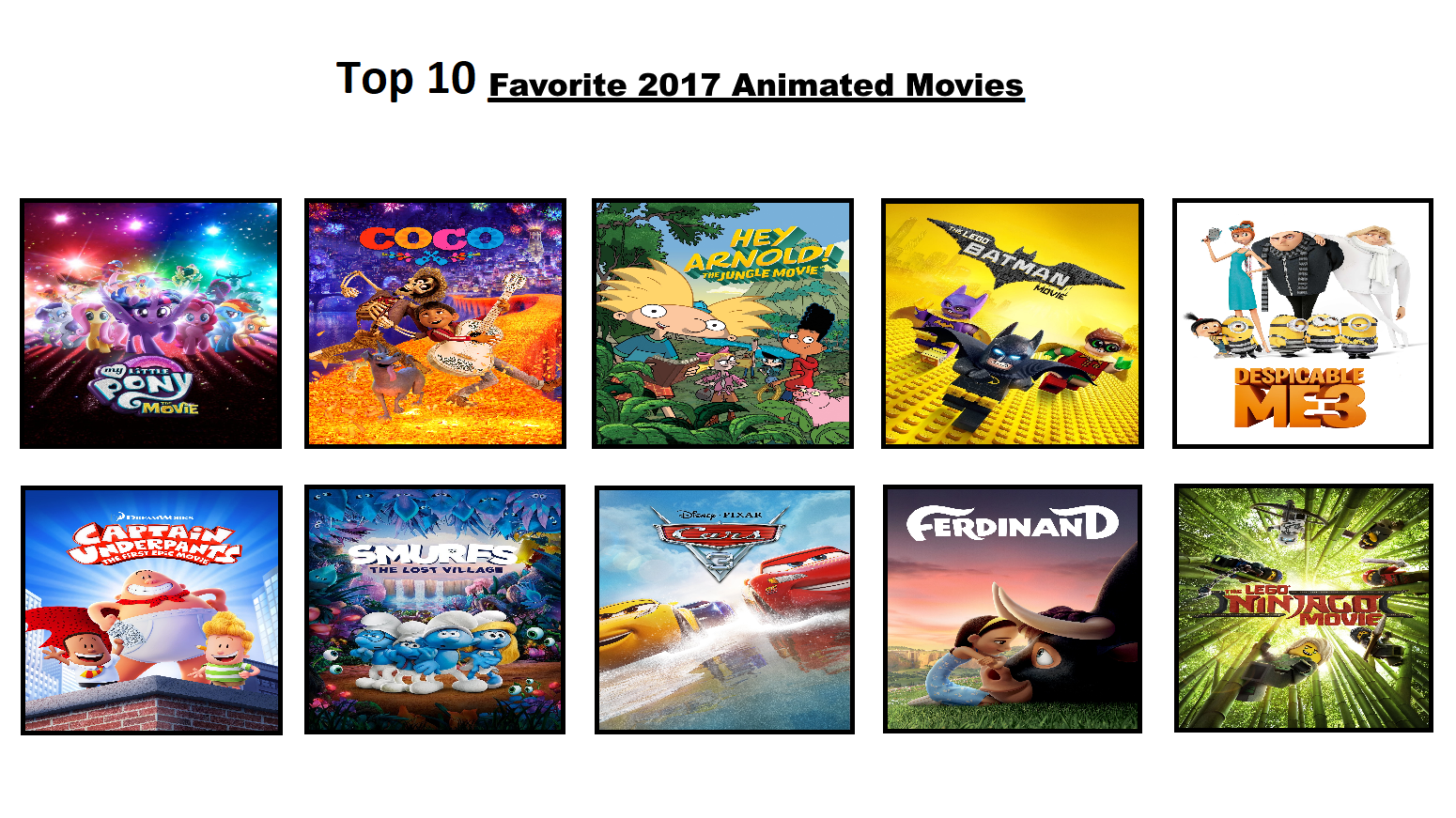
2017 was a transformative year for American cinema, defined by a shift toward socially conscious storytelling and massive franchise dominance. Major highlights included the cultural phenomenon of Get Out, the groundbreaking success of Wonder Woman, and the visual mastery of The Shape of Water, which eventually secured the Academy Award for Best Picture.
The cinematic landscape of 2017 stands as a bridge between the traditional blockbuster era and the contemporary focus on diverse perspectives and streaming integration. For audiences and historians alike, the films of 2017 represent a moment where independent spirit successfully merged with commercial viability, producing a year of high-quality content across all genres.
The Commercial Landscape: Dominance of the Franchise
The 2017 domestic box office was largely a story of "the sequels and the reimagined." Disney continued its unprecedented run of dominance, claiming the top spots with both live-action remakes and established cinematic universes. The year proved that while original storytelling was thriving in the independent scene, the general public remained deeply invested in serialized narratives.
Star Wars: Episode VIII – The Last Jedi was the undisputed commercial heavyweight of the year. Directed by Rian Johnson, it pushed the boundaries of the Star Wars mythos, sparking intense debate among fans that continues to influence the franchise's direction in 2026. Despite the online discourse, its financial success was undeniable, grossing over $600 million in North America alone.
Following closely was Disney’s live-action Beauty and the Beast. This film solidified the studio’s strategy of adapting its animated catalog for a new generation. By blending nostalgia with modern visual effects and a star-studded cast led by Emma Watson, Disney demonstrated that established intellectual property (IP) was the safest bet for billion-dollar global returns.
Top 10 Highest-Grossing American Movies of 2017 (Domestic)
The following table outlines the financial performance of the leading domestic releases. These figures represent the primary theatrical run in the United States and Canada.
| Rank | Title | Studio | Domestic Gross (Approx.) | Primary Genre |
|---|---|---|---|---|
| 1 | Star Wars: The Last Jedi | Disney/Lucasfilm | $620,181,382 | Sci-Fi/Action |
| 2 | Beauty and the Beast | Disney | $504,014,165 | Musical/Fantasy |
| 3 | Wonder Woman | Warner Bros./DC | $412,563,408 | Superhero |
| 4 | Jumanji: Welcome to the Jungle | Sony/Columbia | $404,515,480 | Adventure/Comedy |
| 5 | Guardians of the Galaxy Vol. 2 | Disney/Marvel | $389,813,101 | Superhero/Sci-Fi |
| 6 | Spider-Man: Homecoming | Sony/Marvel | $334,201,140 | Superhero |
| 7 | IT | Warner Bros./New Line | $327,481,748 | Horror |
| 8 | Thor: Ragnarok | Disney/Marvel | $315,058,289 | Superhero/Comedy |
| 9 | Despicable Me 3 | Universal/Illumination | $264,624,300 | Animation |
| 10 | Justice League | Warner Bros./DC | $229,024,295 | Superhero |
The Renaissance of Modern Horror
One of the most significant shifts in 2017 was the elevation of the horror genre. No longer relegated to "niche" status, horror films became some of the most talked-about and profitable ventures of the year. This was led by Jordan Peele’s directorial debut, Get Out.
Get Out was more than just a box office hit; it was a cultural touchstone. By using the framework of a psychological thriller to explore systemic racism and the "sunken place" of the American psyche, Peele created a new sub-genre: the social thriller. The film’s success (grossing $255 million worldwide on a $4.5 million budget) proved that audiences were hungry for horror that offered intellectual depth alongside its scares.
The year also saw the release of IT, an adaptation of Stephen King’s classic novel. The film broke records for the highest-grossing R-rated horror movie at the time, driven by Bill Skarsgård’s haunting performance as Pennywise. The success of IT sparked a renewed interest in big-budget Stephen King adaptations that lasted well into the 2020s.
Superheroes and the Evolution of the Genre
In 2017, the superhero genre began to diversify its tone and representation. After a decade of the "Marvel formula," several films broke the mold to offer something distinct.
- Wonder Woman (Warner Bros.): Directed by Patty Jenkins, this was a watershed moment for female-led superhero films. After years of industry skepticism regarding the marketability of female heroes, Gal Gadot’s portrayal of Diana Prince became a symbol of empowerment and a massive financial win for the DC Extended Universe (DCEU).
- Logan (20th Century Fox): James Mangold’s gritty, R-rated conclusion to Hugh Jackman’s tenure as Wolverine was a departure from standard cape-and-cowl fare. Drawing heavily from the Western genre (specifically Shane), Logan focused on mortality and legacy, earning an Academy Award nomination for Best Adapted Screenplay—a rarity for the genre.
- Thor: Ragnarok (Marvel Studios): Director Taika Waititi infused the Thor franchise with vibrant colors, 80s synth-pop aesthetics, and improvisational comedy. This reinvention saved the character from the somewhat somber tone of previous installments and influenced the "comedic-action" balance of the MCU for years to come.
Critical Darlings and Independent Success
While blockbusters paid the bills, the "prestige" films of 2017 provided the emotional and artistic backbone of the year. The 2017 slate was particularly strong in the "Coming-of-Age" and "Unique Romance" categories.
The Shape of Water, directed by Guillermo del Toro, was a lavish, monster-movie-inspired romance that captured the hearts of critics. Its win for Best Picture at the 90th Academy Awards was a victory for "weird" cinema, celebrating a story about a mute janitor who falls in love with an amphibious creature. The film was praised for its production design, Alexandre Desplat's score, and Sally Hawkins' evocative performance.
Greta Gerwig made her solo directorial debut with Lady Bird, a poignant and humorous look at a mother-daughter relationship in Sacramento. The film achieved a near-perfect score on review aggregators and established Gerwig as one of the most important voices in modern American filmmaking. Similarly, Call Me by Your Name offered a lush, sensory-driven depiction of first love, launching Timothée Chalamet into superstardom.
Other notable critical successes included:
- Three Billboards Outside Ebbing, Missouri: A dark comedy-drama that won several acting awards for Frances McDormand and Sam Rockwell.
- The Florida Project: A vibrant but heartbreaking look at poverty through the eyes of a child living in the shadow of Disney World.
- Dunkirk: Christopher Nolan’s non-linear war epic that redefined the technical possibilities of the genre through its use of IMAX and practical effects.
The Technological and Distribution Shift
By 2017, the battle between traditional theatrical releases and streaming services was beginning to heat up. While Netflix had been producing original content for years, 2017 marked a push toward higher-budget features.
Films like Bright, starring Will Smith, showed that streaming platforms were willing to spend $100 million on a single movie to attract subscribers. Although Bright received mixed critical reviews, its high viewership numbers signaled a change in how "American movies" were defined—no longer strictly by their theatrical presence, but by their digital reach.
Additionally, 2017 saw the continued refinement of "De-aging" technology. In Guardians of the Galaxy Vol. 2, the technology used to make Kurt Russell look like his 1980s self was a significant leap forward, a precursor to the extensive use of the tech in later films like The Irishman and various Star Wars projects seen throughout the early 2020s.
Cultural Impact and Industry Reckoning
It is impossible to discuss 2017 American movies without acknowledging the industry shift that occurred in the final quarter of the year. The late-2017 emergence of the #MeToo movement, following investigative reporting on Harvey Weinstein, fundamentally altered the production landscape.
This movement led to the cancellation or recasting of several projects and sparked a long-overdue conversation about safety, equity, and representation on set. The impact was felt in the films released in subsequent years, which saw a marked increase in female directors and a more rigorous approach to workplace ethics in Hollywood.
Frequently Asked Questions
What movie won the Best Picture Oscar for the 2017 film year?
The Shape of Water won the Academy Award for Best Picture. The ceremony took place in March 2018 (the 90th Academy Awards), honoring the best films released between January 1 and December 31, 2017. It beat out strong contenders like Get Out, Lady Bird, and Three Billboards Outside Ebbing, Missouri.
Was 2017 a good year for original movies?
Yes, 2017 is often cited as one of the best years for original (non-franchise) content in the 21st century. While sequels dominated the box office, films like Get Out, Baby Driver, The Florida Project, and Coco (though from Pixar, an original story) provided fresh narratives that were both critical and commercial successes.
Which 2017 movie had the most cultural impact?
While subjective, Get Out and Wonder Woman are generally considered the most culturally impactful. Get Out changed the conversation around horror and social commentary, while Wonder Woman broke the "glass ceiling" for female-led superhero blockbusters, influencing studio greenlight decisions for the next decade.
How did Star Wars: The Last Jedi perform?
The Last Jedi was the highest-grossing film of 2017 in the United States. Financially, it was a massive success, earning over $1.3 billion worldwide. However, it was also one of the most polarizing films in the franchise, with a significant divide between critical praise (91% on Rotten Tomatoes) and a more mixed audience reception.
Were there any major box office bombs in 2017?
Several high-profile films struggled at the box office in 2017. King Arthur: Legend of the Sword and Monster Trucks were notable financial disappointments. Additionally, while Justice League grossed over $650 million worldwide, it was considered a disappointment relative to its massive production budget and expectations.
Final Recommendation for Viewers
If you are looking to revisit the best of 2017, start with a "Triple Feature" that captures the year's range: Get Out for its brilliant social commentary, Lady Bird for its emotional resonance, and Blade Runner 2049 for its unparalleled technical and visual achievement. These three films represent the pinnacle of how American cinema in 2017 balanced entertainment with profound artistic ambition. For those interested in the historical progression of the industry, these titles offer the clearest window into the themes and styles that would come to define the decade.