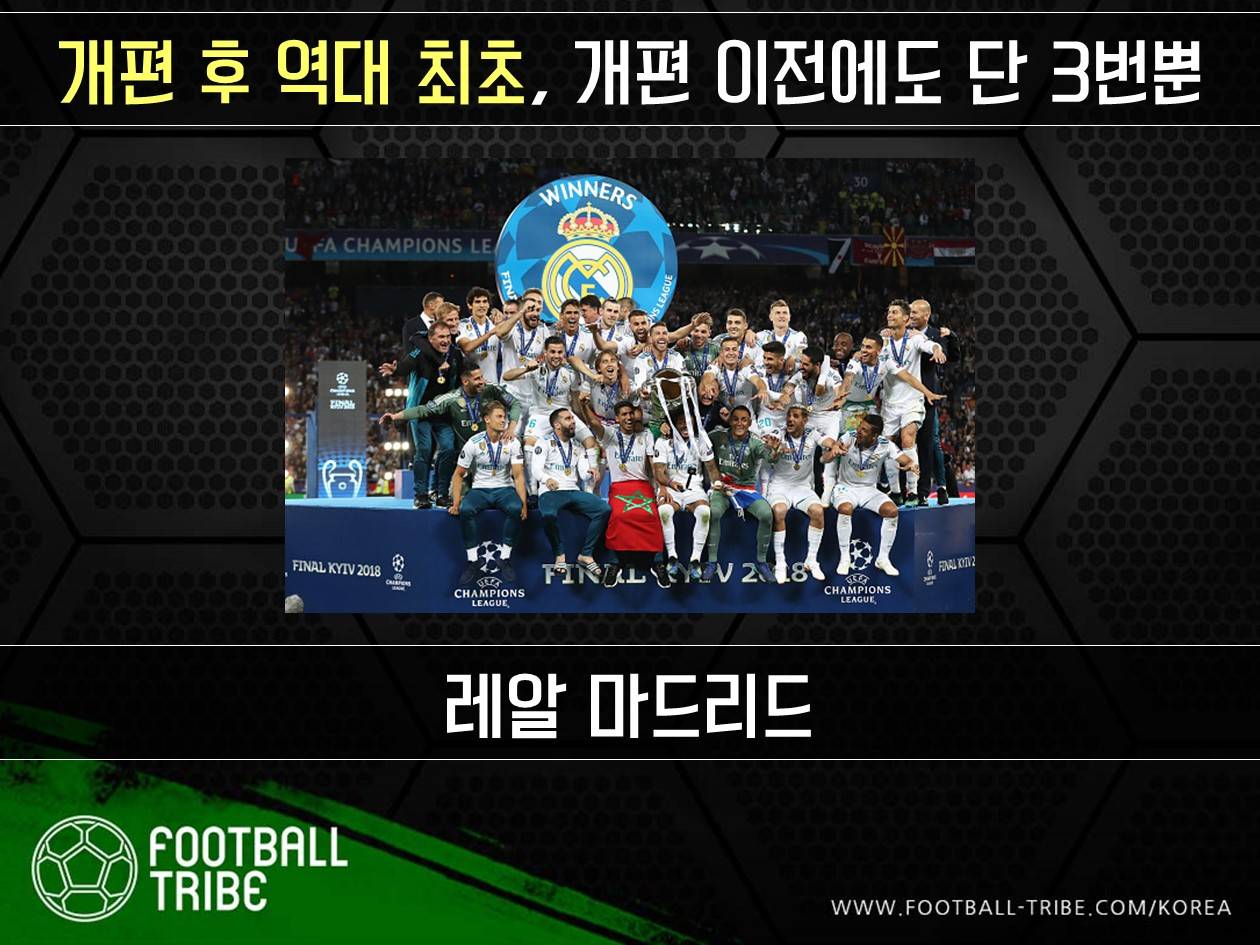
The 2017-18 UEFA Champions League (UCL) concluded with Real Madrid securing their 13th title and third consecutive trophy, a feat unmatched in the modern era. Defined by Cristiano Ronaldo’s scoring dominance, Liverpool’s high-octane resurgence, and dramatic underdog comebacks, the season remains a pivotal chapter in football history, marking the end of the second "Galacticos" era.
The Landscape of European Football in 2017-18
To understand the 2017-18 UCL season, one must look at the prevailing hierarchy of European football at the time. Real Madrid entered as the defending champions, having won back-to-back titles under Zinedine Zidane. However, they were not the domestic favorites, as Barcelona dominated La Liga. Meanwhile, the Premier League was beginning its era of continental dominance, with Manchester City and Liverpool emerging as tactical innovators under Pep Guardiola and Jürgen Klopp, respectively.
This season was the final year before the widespread implementation of the Video Assistant Referee (VAR) in major European competitions, a factor that influenced several high-stakes knockout moments. It was also the peak of the "Away Goals Rule," which dictated the tactical approach of many managers during the two-legged ties.
The Group Stage: Shifting Power Dynamics
The group stage set the tone for the drama to follow. While the traditional giants largely progressed, there were significant indicators of the shifts in power that would define the knockout rounds.
Group H: The Tottenham Statement
Group H was widely considered the "Group of Death," featuring Real Madrid, Tottenham Hotspur, and Borussia Dortmund. Tottenham, led by Mauricio Pochettino, delivered a tactical masterclass, finishing top of the group. Their 3-1 victory over Real Madrid at Wembley Stadium was a signal that the Spanish giants were vulnerable, despite their eventual success.
The Rise of Liverpool’s Front Three
In Group E, Liverpool signaled their offensive intent. The trio of Mohamed Salah, Roberto Firmino, and Sadio Mané began their ascent as the most feared attacking unit in Europe. Liverpool scored 23 goals in the group stage, including two 7-0 victories over Maribor and Spartak Moscow. This high-pressing "Gegenpressing" style became the blueprint for their run to the final.
The Knockout Phase: A Series of "Miracles"
The knockout phase of the 2017-18 season is remembered for some of the most improbable comebacks and individual performances in the tournament's history.
Round of 16: Real Madrid vs. PSG
This was the "clash of the titans." Paris Saint-Germain, having recently signed Neymar and Kylian Mbappé, were the favorites to dethrone Madrid. However, Real Madrid’s "Champions League DNA" prevailed. Cristiano Ronaldo scored three goals across the two legs, and Madrid’s midfield trio of Casemiro, Toni Kroos, and Luka Modric stifled the Parisian attack, leading to a 5-2 aggregate victory.
The Quarter-Finals: The Roma Miracle and the Juventus Penalty
The quarter-finals provided two of the most iconic moments in UCL history:
- The Roma Miracle: After losing 4-1 to Barcelona at the Camp Nou, Roma achieved the unthinkable in the second leg. A 3-0 victory at the Stadio Olimpico, capped by Kostas Manolas’s late header, sent Barcelona crashing out. This match highlighted the tactical rigidity of Ernesto Valverde’s Barcelona and the emotional power of a home crowd under the away goals rule.
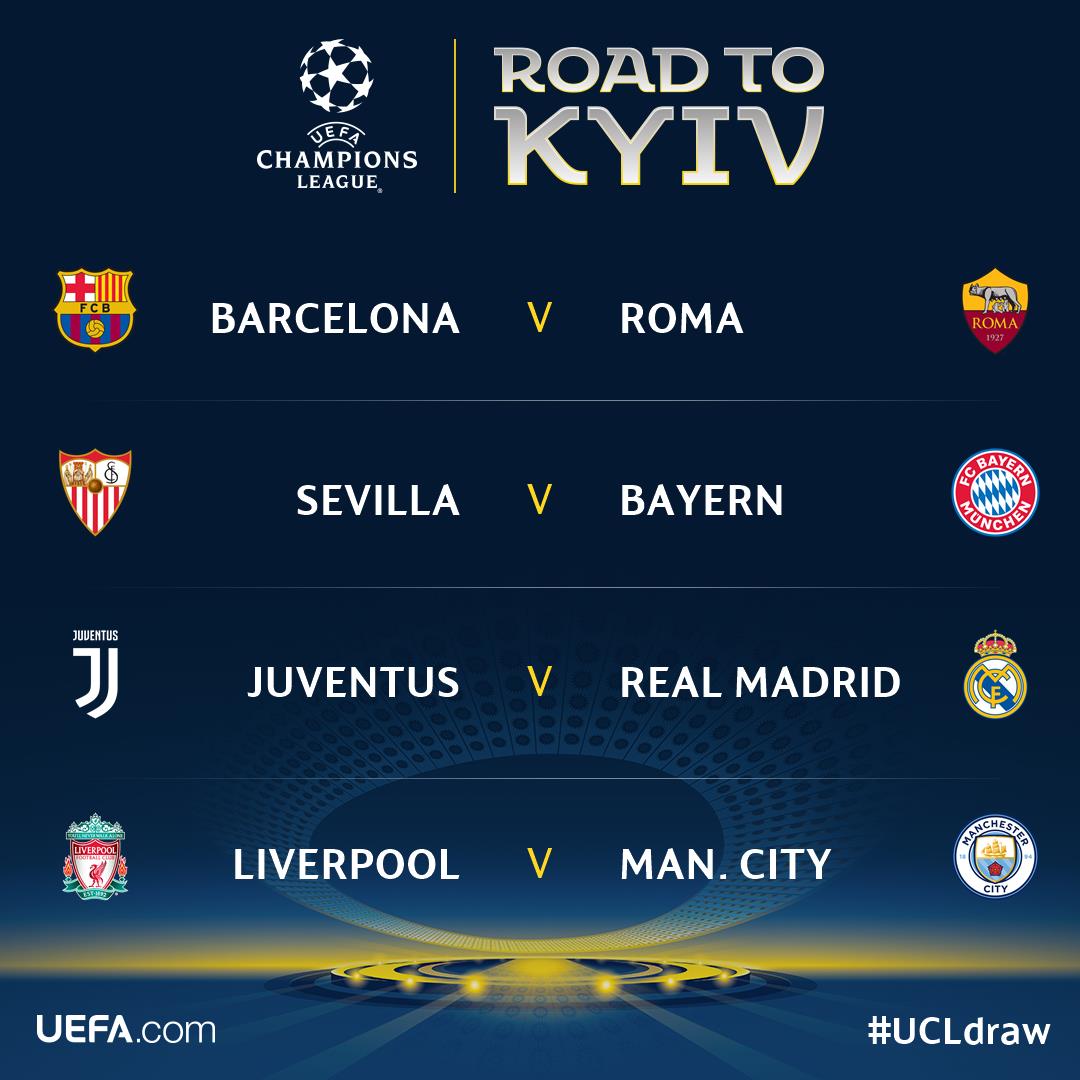
- Real Madrid vs. Juventus: Real Madrid won the first leg 3-0 in Turin, featuring Cristiano Ronaldo’s legendary overhead kick. However, Juventus fought back to 3-3 on aggregate at the Bernabéu. In the final minute of stoppage time, a controversial penalty was awarded to Madrid. Gianluigi Buffon was sent off for his protests, and Ronaldo converted the penalty to send Madrid through. This remains one of the most debated officiating decisions in the pre-VAR era.
Tactical Breakdown: Zidane’s Diamond vs. Klopp’s Heavy Metal
The tactical evolution of the 2017-18 season was a battle between established control and chaotic energy.
Zinedine Zidane’s Tactical Flexibility
Zidane frequently utilized a 4-3-1-2 formation with a midfield diamond. This allowed Isco to operate in the "hole" between the opposition’s midfield and defense, while Cristiano Ronaldo and Karim Benzema occupied the center-backs. The width was provided by the full-backs, Marcelo and Dani Carvajal, who were arguably the best in the world at their positions. This system relied on the technical superiority of Modric and Kroos to retain possession and weather periods of pressure.
Jürgen Klopp’s Gegenpressing
Liverpool operated in a 4-3-3 that prioritized rapid transitions. When Liverpool lost the ball, they immediately hunted it back in the opposition’s half. This "heavy metal football" overwhelmed teams that tried to build play from the back, such as Manchester City in the quarter-finals. The key was the industry of the midfield—Jordan Henderson, James Milner, and Georginio Wijnaldum—who facilitated the freedom of the front three.
The Final in Kyiv: A Night of Heroes and Heartbreak
The final, held at the NSC Olimpiyskiy in Kyiv on May 26, 2018, was a spectacle that encapsulated the entire season's narratives.
The Salah Injury
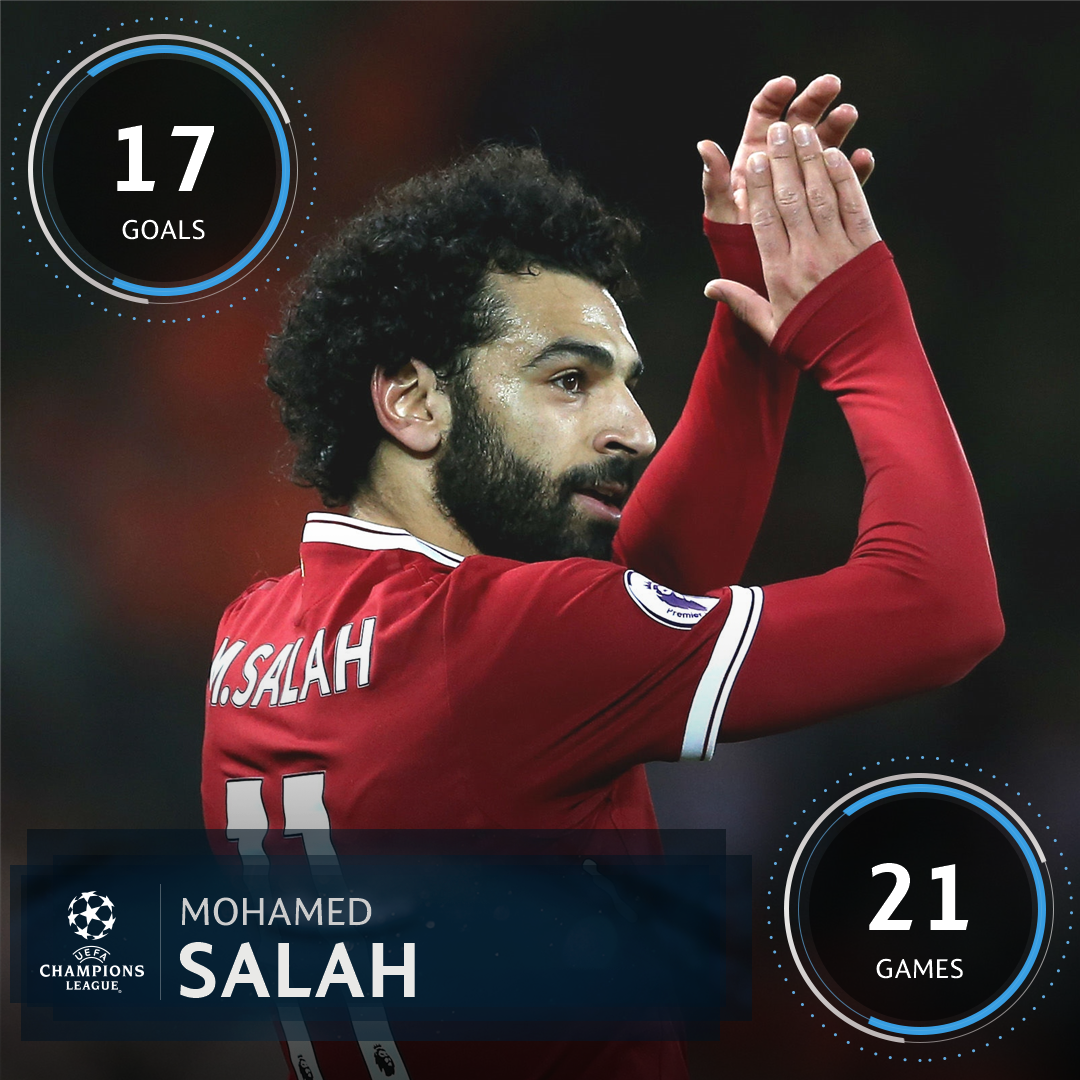
The game changed in the 30th minute when Mohamed Salah, who had scored 44 goals across all competitions that season, was forced off with a shoulder injury following a challenge by Sergio Ramos. The loss of Salah significantly blunted Liverpool’s attacking threat and shifted the psychological momentum toward Real Madrid.
The Gareth Bale Masterpiece
Coming off the bench in the 61st minute, Gareth Bale produced arguably the greatest goal in Champions League final history. Within two minutes of his arrival, he connected with a Marcelo cross to score a stunning bicycle kick from the edge of the box. Bale later added a second goal with a long-range strike that slipped through the hands of the goalkeeper.
The Karius Nightmare
The match was also defined by two catastrophic errors from Liverpool goalkeeper Loris Karius. The first involved a misplaced throw that Karim Benzema intercepted for a goal, and the second was the failure to handle Bale’s long-range shot. It was later reported by Massachusetts General Hospital that Karius had suffered a concussion during the match following a collision with Ramos, which likely impaired his performance.
2017-18 Champions League Statistical Leaders
The following table highlights the top performers of the 2017-18 UCL season, showcasing the statistical dominance of the finalists.
| Category | Player | Club | Statistic |
|---|---|---|---|
| Top Scorer | Cristiano Ronaldo | Real Madrid | 15 Goals |
| Most Assists | James Milner | Liverpool | 9 Assists |
| Most Clean Sheets | Marc-André ter Stegen | Barcelona | 6 Clean Sheets |
| Most Dist. Covered | Roberto Firmino | Liverpool | 134.5 km |
| Top Passing Acc. | Toni Kroos | Real Madrid | 93.8% |
| Most Saves | Alisson Becker | AS Roma | 47 Saves |
The Legacy of the 2017-18 Season
Looking back from 2026, the 2017-18 season stands as the end of an era. Shortly after the final, Zinedine Zidane resigned (for the first time), and Cristiano Ronaldo transferred to Juventus, signaling the breakup of the core that won four titles in five years.
For Liverpool, the defeat in Kyiv served as the catalyst for their future success. They addressed their goalkeeping issues by signing Alisson Becker and returned to win the trophy the following year in 2019. The 2017-18 season proved that while tactical systems (like Klopp's press) were evolving, the individual brilliance and tournament experience of Real Madrid remained the gold standard for European excellence.
Frequently Asked Questions
Who won the 2017-18 UEFA Champions League?
Real Madrid won the title, defeating Liverpool 3-1 in the final. This was their 13th European Cup/Champions League title and their third in a row under manager Zinedine Zidane.
Why was Gareth Bale’s goal in the final significant?
Gareth Bale’s bicycle kick is widely considered one of the greatest goals in the history of the competition. It was significant because he scored it just minutes after being substituted into the match, and it broke a 1-1 deadlock during a period where Liverpool was regaining confidence.
What record did James Milner break in the 2017-18 UCL?
James Milner set a new record for the most assists in a single Champions League season with 9 assists. This surpassed the previous record of 8 assists held by Wayne Rooney and Neymar.
What was the "Roma Miracle"?
The "Roma Miracle" refers to AS Roma's quarter-final comeback against Barcelona. After losing 4-1 in the first leg, Roma won 3-0 at home to progress on away goals. It is regarded as one of the biggest upsets in the history of the knockout stages.
Was VAR used in the 2017-18 Champions League?
No, VAR was not used in the 2017-18 season. It was officially introduced to the Champions League in the following 2018-19 season, starting from the Round of 16. The lack of VAR in 2017-18 led to several controversies, particularly regarding penalties and offside calls in the quarter-finals and semi-finals.
Who was the top scorer of the 2017-18 UCL?
Cristiano Ronaldo was the top scorer with 15 goals. This was the seventh time he finished as the tournament's top scorer, further cementing his legacy as one of the competition's greatest players.
Expert Recommendation for Retrospective Study
For those looking to analyze the 2017-18 UCL season for tactical or historical purposes, it is highly recommended to view the full match footage of the Real Madrid vs. Juventus (Quarter-final, 1st Leg) and Liverpool vs. Manchester City (Quarter-final, 1st Leg). These matches perfectly illustrate the two contrasting styles that dominated the era: Madrid’s clinical efficiency and Liverpool’s overwhelming intensity. Additionally, studying the official UEFA Technical Report for that season provides invaluable data on how the "Transition to Attack" became the most important statistical metric for success during that period.