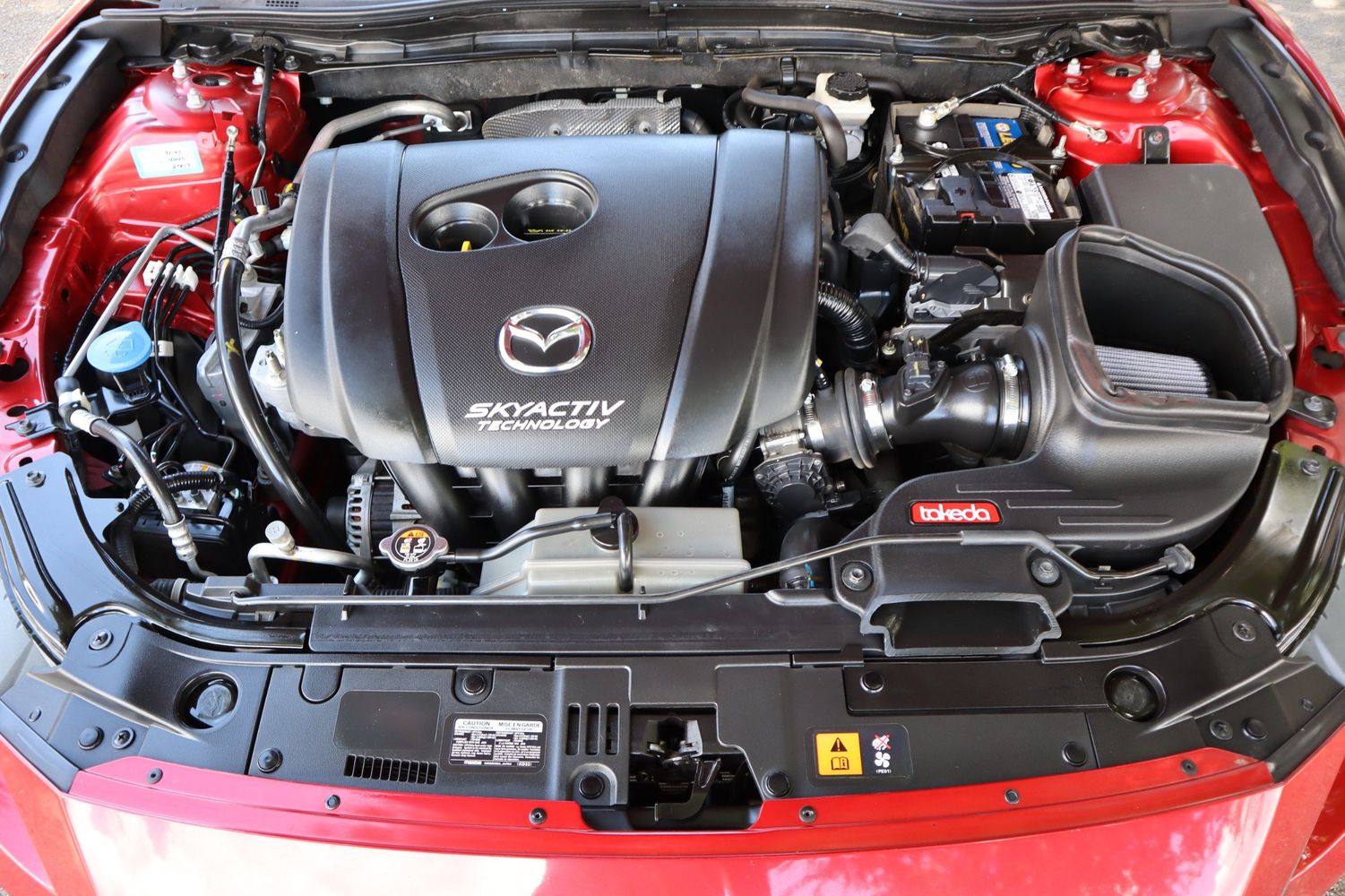
The 2016 Mazda3 i Sport is widely regarded as a reliable compact car, but it is not without its flaws. Common problems include infotainment system glitches (ghost touching), premature battery failure, leaking serpentine belt tensioners, and accelerated rear brake wear. While the 2.0L SkyActiv-G powertrain is mechanically robust, owners in 2026 should prioritize regular carbon cleaning and suspension inspections to maintain performance.
Overview of the 2016 Mazda3 i Sport in 2026
A decade after its initial release, the 2016 Mazda3 i Sport remains a popular choice on the used car market due to its engaging driving dynamics and impressive fuel efficiency. As the base trim level, the "i Sport" is equipped with the 2.0-liter SkyActiv-G four-cylinder engine, producing 155 horsepower. Unlike the higher "s" trims that featured the 2.5-liter engine, the i Sport focuses on economy without sacrificing the "Zoom-Zoom" philosophy Mazda is known for.
However, as these vehicles age into the ten-year mark, specific mechanical and electrical patterns have emerged. Understanding these issues is essential for current owners and prospective buyers who want to ensure their vehicle remains dependable. The problems associated with this model year range from minor cosmetic annoyances to significant components that require technical attention.
Infotainment and Electrical System Issues
The most frequent complaint regarding the 2016 Mazda3 involves the Mazda Connect infotainment system. By 2026, many of these units have reached the end of their optimal lifespan, leading to several documented failure modes.
The "Ghost Touch" Phenomenon
One of the most frustrating problems is known as "ghost touching." This occurs when the touchscreen digitizer begins to fail, sending phantom signals to the Connectivity Master Unit (CMU). The result is a screen that switches stations, changes navigation settings, or makes phone calls without driver input.
Technically, this is caused by the delamination of the layers within the touchscreen assembly. Heat and humidity often accelerate this process. While Mazda issued a technical service bulletin and extended the warranty for this specific part years ago, many vehicles in 2026 are now outside that coverage window. The fix usually requires replacing the lens or the entire screen assembly, which can cost between $400 and $800 at a dealership, though aftermarket DIY kits have become a popular, lower-cost alternative.
CMU Reboot Loops and Navigation Lag
The CMU itself can experience software corruption or hardware failure, leading to constant rebooting or a "black screen of death." In some cases, the culprit is the navigation SD card. If the card becomes corrupted, it can crash the entire system. Removing the SD card often restores functionality to the radio and Bluetooth, confirming that the card needs replacement.
Premature Battery Failure
Owners often report that the factory batteries and even subsequent replacements in the Mazda3 tend to last only 2–3 years. This is sometimes attributed to the parasitic draw from the vehicle’s various computer modules that do not fully enter "sleep mode" correctly. If you find your 2016 Mazda3 struggling to start on cold mornings, it is vital to check the health of the battery and the charging system, as low voltage can trigger a cascade of unrelated dashboard warning lights.
Engine and Powertrain Concerns
The 2.0L SkyActiv-G engine is a marvel of high-compression engineering, but it requires specific maintenance to avoid common pitfalls.
Serpentine Belt Tensioner Leaks
A common mechanical failure for the 2016 model year is the hydraulic serpentine belt tensioner. Unlike traditional spring-loaded tensioners, this unit uses a small hydraulic dampener that is prone to leaking oil. When the oil escapes, the tensioner loses its ability to keep the belt tight, leading to squealing noises and, eventually, belt failure. If you see a dark, oily residue around the tensioner on the passenger side of the engine bay, it should be replaced immediately to prevent the belt from snapping and leaving you stranded.
Intake Valve Carbon Buildup
As a direct-injection engine, the SkyActiv-G does not spray fuel over the intake valves. Over time, oil vapors from the crankcase ventilation system can bake onto the back of the intake valves, forming carbon deposits. This can lead to a loss of power, rough idling, and decreased fuel economy. By 2026, a 2016 Mazda3 with 100,000+ miles should ideally undergo a professional walnut blasting or specialized chemical cleaning to restore airflow and performance.
Ignition Coil Failure
While less frequent than the tensioner issue, some owners report premature failure of the ignition coils. This typically manifests as a "stutter" or "misfire" under heavy acceleration, often accompanied by a Check Engine Light (CEL) for codes P0300 through P0304. Replacing coils is a straightforward task, but it is recommended to replace spark plugs at the same time to ensure a consistent spark.
Braking System and Suspension Wear
The 2016 Mazda3 i Sport features a relatively sophisticated multi-link rear suspension that provides its signature handling, but this complexity comes with specific maintenance needs.
Accelerated Rear Brake Wear
A common grievance among Mazda3 owners is that the rear brake pads wear out significantly faster than the front pads. Under normal circumstances, front brakes do 70% of the work and should wear faster. However, the electronic brake distribution and the design of the rear calipers in this generation can cause the rear pads to drag or engage more aggressively. Furthermore, the sliding pins on the rear calipers are notorious for seizing if not lubricated regularly, leading to uneven pad wear and warped rotors.
Strut and Shock Longevity
By the time a car reaches ten years of age, the factory struts and shocks are often nearing the end of their functional life. In the 2016 Mazda3, the rear shock mounts are a known weak point. They are made of a cast alloy that can crack, especially in regions where road salt is used. A rattling noise from the rear over bumps is a primary indicator that the mounts or the shocks themselves need replacement.
Interior and Body Quality
Mazda vehicles from this era are often praised for their aesthetics but criticized for the durability of their materials.
Thin Paint and Corrosion
Mazda’s "Soul Red" and other metallic finishes are famously beautiful but also notoriously thin. Owners frequently report a high number of rock chips on the hood and front bumper. If these chips are not addressed with touch-up paint, they can lead to surface rust. Additionally, in the "salt belt" regions, the underbody and rear wheel arches are susceptible to corrosion. Regular undercarriage washes are essential for preserving the structural integrity of a 2016 model.
Interior Rattles and Seat Wear
The interior of the i Sport trim is functional but uses more hard plastics than the Grand Touring trim. Over time, the dashboard and door panels may develop rattles. Common culprits include the headliner near the sunglasses holder and the plastic trim around the infotainment screen. Furthermore, the seat bolsters on the i Sport’s cloth seats can begin to collapse or show significant fabric wear on the driver's side after 80,000 miles of use.
Summary of Maintenance Costs and Issues
The following table summarizes the most common problems, their symptoms, and the estimated repair costs as of 2026.
| Component | Common Problem | Symptoms | Estimated Cost (2026) |
|---|---|---|---|
| Infotainment | Ghost Touching / Delamination | Screen selects icons on its own | $400 - $850 |
| Engine | Serpentine Belt Tensioner Leak | Oily residue, belt squeal | $250 - $450 |
| Brakes | Rear Caliper Seizing | Uneven pad wear, burning smell | $300 - $600 |
| Engine | Carbon Buildup | Rough idle, loss of MPG | $350 - $600 |
| Electrical | Premature Battery Failure | Slow crank, dash warning lights | $180 - $250 |
| Suspension | Rear Shock Mount Failure | Clunking/rattling over bumps | $200 - $400 |
Recalls and Safety Bulletins
Before purchasing or performing major repairs on a 2016 Mazda3 i Sport, ensure that all safety recalls have been addressed. The most significant recalls for this generation included:
- Parking Brake Actuator: Some models were recalled because water could enter the brake caliper, causing the parking brake actuator shaft to corrode and bind. This could lead to the parking brake failing to engage or dragging while driving.
- Fuel Tank Issues: A limited number of vehicles were recalled due to a defect in the fuel tank's shut-off valve, which could allow fuel to enter the charcoal canister, potentially causing a stall or a leak.
- Wiper Motor: A recall was issued for certain 2016 models regarding a front wiper motor that could fail due to a defective relay, which is a critical safety issue during rain or snow.
Owners can verify their VIN on the National Highway Traffic Safety Administration (NHTSA) website to confirm if any of these campaigns remain open for their specific vehicle.
Frequently Asked Questions
Is the 2016 Mazda3 i Sport a reliable car for high mileage?
Yes, the 2016 Mazda3 i Sport is generally very reliable. Many owners report reaching 200,000 miles with only routine maintenance. The SkyActiv-G engine and 6-speed automatic (or manual) transmissions are overbuilt for the power they produce, meaning they are under relatively low stress. The primary concerns for high-mileage units are carbon buildup and suspension wear.
Does the 2016 Mazda3 have transmission problems?
The SkyActiv-Drive 6-speed automatic and the 6-speed manual transmissions are both considered very durable. Unlike some competitors that used CVTs (Continuously Variable Transmissions) during this era, Mazda’s traditional planetary automatic is robust. Some owners report a "harsh shift" between 1st and 2nd gear, which can often be resolved with a transmission software "re-learn" procedure or a fluid drain and fill.
Why is my Mazda3 screen ghosting or clicking by itself?
This is a physical failure of the touchscreen digitizer. Over time, the layers of the screen separate (delaminate), which the system interprets as a finger touching the screen. You can temporarily disable the touch functionality in the settings or by removing the screen and disconnecting the touch ribbon cable, but a permanent fix requires replacing the screen lens.
How often should I change the oil in my 2016 Mazda3?
While the manual may suggest longer intervals, most technicians recommend changing the oil every 5,000 to 7,500 miles using high-quality 0W-20 full synthetic oil. Because direct-injection engines can suffer from fuel dilution in the oil, regular changes are critical for protecting the timing chain and high-pressure fuel pump.
Can I add Apple CarPlay or Android Auto to a 2016 Mazda3 i Sport?
Yes. One of the best upgrades for this vehicle is the official Mazda retrofit kit. It requires a hardware swap of the USB hub and a software update to the CMU. Once installed, it allows you to use CarPlay and Android Auto through the existing screen and commander knob, which also bypasses the "ghost touch" issues on the factory interface.
Expert Recommendation
If you own or are looking at a 2016 Mazda3 i Sport in 2026, focus your attention on the serpentine belt tensioner and rear brake health. These are the most likely mechanical failures that can lead to more expensive repairs if ignored. If the infotainment screen is acting up, consider the CarPlay/Android Auto retrofit as a way to modernize the vehicle while addressing software-related frustrations.
Overall, the 2016 Mazda3 remains a top-tier choice in the compact segment for those who value driving feel and long-term mechanical simplicity. By staying ahead of carbon cleaning and electrical maintenance, you can expect this vehicle to remain a reliable daily driver well into the late 2020s.