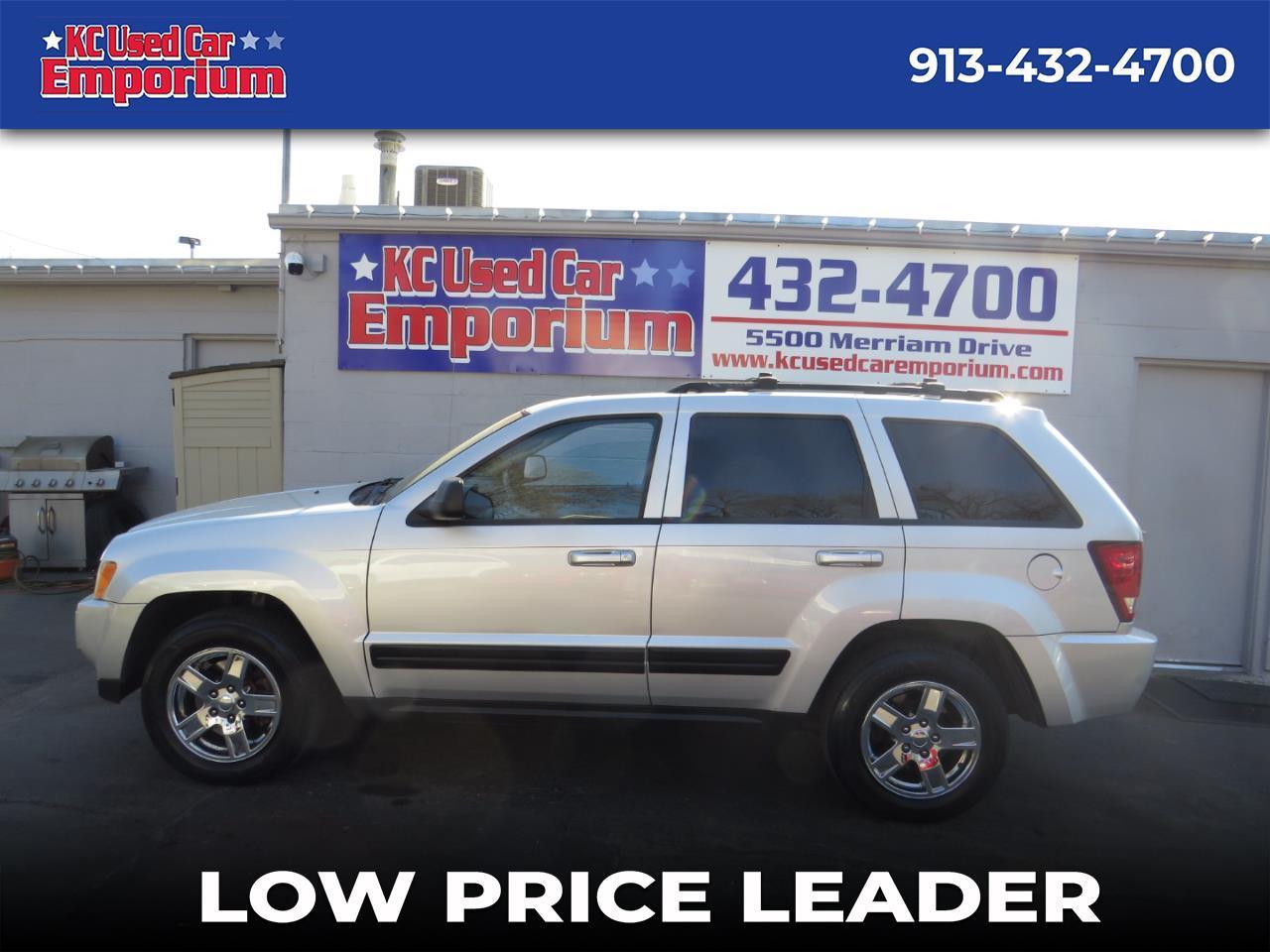
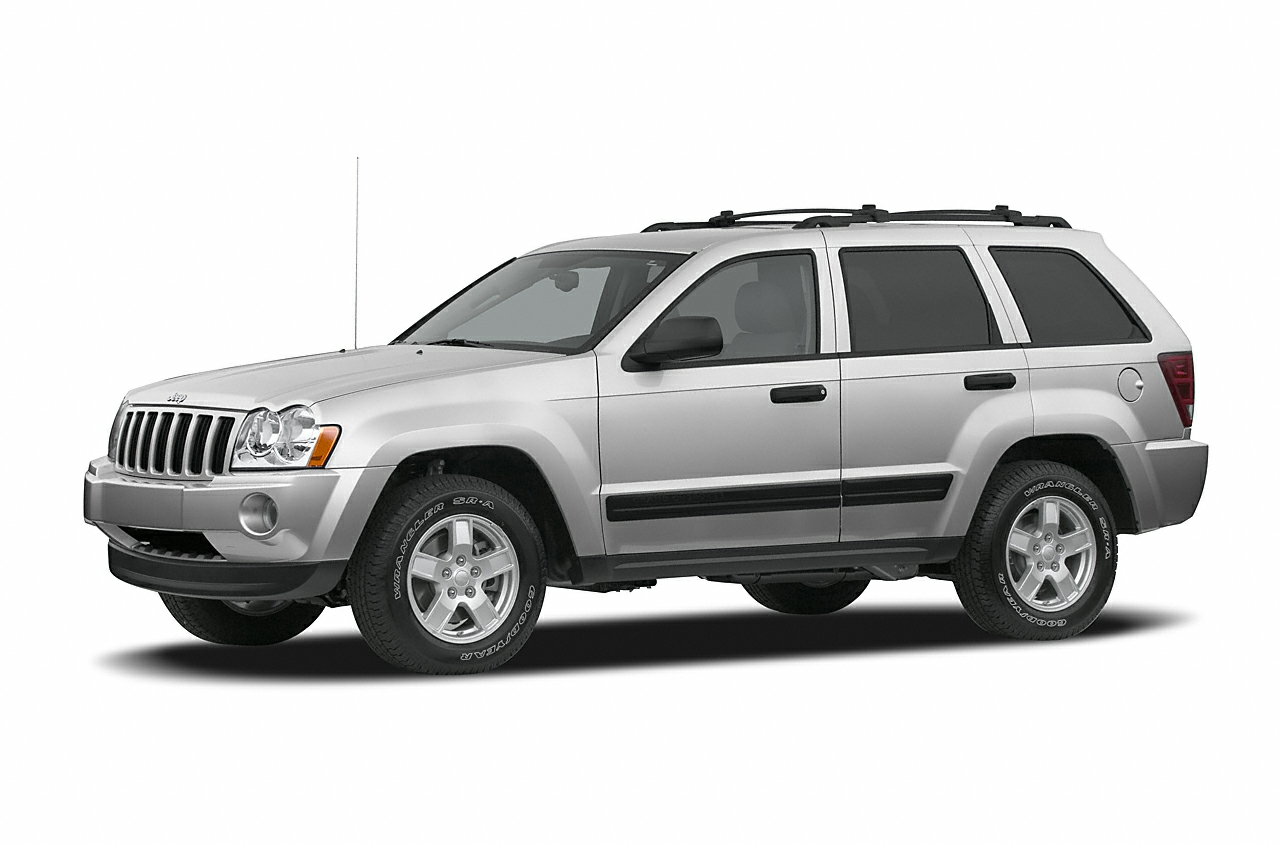
The 2006 Jeep Grand Cherokee Laredo is a staple of the WK generation, balancing off-road capability with mid-2000s comfort. While generally regarded as a robust workhorse, owners frequently encounter specific issues related to the 3.7L V6 engine’s cooling system, electrical gremlins within the Controller Area Network (CAN) bus, and premature wear in the front suspension components, all of which require proactive maintenance to ensure vehicle longevity.
Understanding the 2006 Jeep Laredo Platform
The 2006 model year represents the second year of the third-generation Grand Cherokee (WK). The Laredo trim served as the entry-level offering, typically equipped with the 3.7L PowerTech V6 engine and a Quadra-Trac I or II four-wheel-drive system. By 2026, these vehicles are well into their "legacy" phase. Most problems encountered today are not necessarily "factory defects" but are instead the cumulative result of two decades of thermal cycling, rubber degradation, and the natural oxidation of electrical connectors.
When assessing a 2006 Laredo, it is essential to distinguish between safety-critical mechanical failures and convenience-related electronic glitches. While a malfunctioning power window motor is an inconvenience, a failure in the Electronic Stability Program (ESP) or a compromised cooling system can render the vehicle unsafe or lead to catastrophic engine damage.
Common Engine and Cooling System Concerns
The 3.7L V6 engine is known for its durability, but it is sensitive to heat. The most common issues revolve around the cooling system and the valvetrain.
Cooling System Failures
The radiator and water pump on the 3.7L are frequent points of failure as the vehicle ages. If your temperature gauge fluctuates or you notice sweet-smelling coolant puddles under the engine bay, the culprit is often a failing water pump seal or a brittle plastic radiator end tank.
- The Overheating Risk: These engines do not tolerate overheating. If the engine reaches the "red" zone, the cylinder heads—which are aluminum—can warp, leading to blown head gaskets.
- Preventative Action: If your 2006 Laredo has over 150,000 miles, replacing the water pump, thermostat, and radiator hoses is a standard preventative maintenance step to avoid a roadside breakdown.
Valvetrain Ticking
Many owners report a distinct "ticking" noise coming from the cylinder heads. While often misdiagnosed as rod knock, this is frequently related to valve lash adjusters (lifters) or worn rocker arms. Using the manufacturer-recommended 5W-20 oil is critical. Thicker oils can restrict oil flow to the small passages of the hydraulic lifters, exacerbating the ticking sound.
Electrical System and CAN Bus Issues
The 2006 Grand Cherokee utilizes a complex CAN bus communication system. This allows various modules (like the Front Control Module, or FCM) to "talk" to each other. As the vehicle ages, the wiring harnesses—particularly those in the door jams and under the dashboard—can become brittle or suffer from corrosion.
The Front Control Module (FCM)
The FCM manages many of the vehicle’s electrical functions, including lighting, wipers, and horn. Symptoms of a failing or corroded FCM include:
- Headlights flickering or failing to turn on.
- Windshield wipers activating intermittently without input.
- Erratic dashboard warning lights (e.g., "Check Gauges" or ABS lights).
- Troubleshooting: Before replacing the module, check the power distribution center (fuse box) for moisture or green oxidation on the terminal pins. Cleaning these contacts with electronic contact cleaner often resolves the issue without the need for an expensive module replacement.
Ignition Switch Failures
A known issue involves the ignition switch lock cylinder. If your Jeep stalls unexpectedly or if the engine refuses to crank despite a fully charged battery, the internal pins of the ignition switch may be worn. This is a common failure point that can intermittently cut power to the PCM (Powertrain Control Module).
Suspension and Steering Components
Given the weight of the Grand Cherokee, the suspension components endure significant stress, especially if the vehicle is used for towing or light off-roading.
- Lower Ball Joints: These are notorious for premature wear. A failing ball joint will often produce a rhythmic "clunking" sound when traversing bumps at low speeds.
- Sway Bar Bushings: If you hear squeaking or clunking during cornering or over small road imperfections, the sway bar bushings have likely dried out and cracked.
- Steering Rack Sensitivity: Ensure that the power steering fluid is flushed regularly. Old, dark fluid can lead to a noisy pump and a "heavy" or "notchy" feeling in the steering wheel.
Troubleshooting and Diagnostic Table
The following table summarizes common issues, potential symptoms, and the typical diagnostic focus for the 2006 Laredo.
| Issue Area | Common Symptom | Initial Diagnostic Step |
|---|---|---|
| Cooling | Overheating or coolant loss | Pressure test the radiator and cooling system. |
| Electrical | Erratic lights or dash warnings | Inspect the Front Control Module (FCM) for corrosion. |
| Suspension | Clunking over bumps | Inspect lower ball joints and control arm bushings. |
| Engine | Ticking noise | Verify oil weight (5W-20) and check for exhaust leaks. |
| Drivetrain | Vibration during acceleration | Check the driveshaft center support bearing and U-joints. |
Transmission and Drivetrain Maintenance
The 2006 Laredo typically pairs the engine with the W5A580 automatic transmission. This is a robust unit, but it requires clean fluid to function correctly. If you experience "flaring" (a momentary jump in RPMs during gear shifts) or sluggish engagement, the transmission fluid may be degraded or the transmission filter may be clogged.
If your Laredo is equipped with Quadra-Trac II, ensure that the transfer case fluid is changed every 60,000 miles. Failure to service the transfer case can lead to binding during tight turns, which is often misidentified as a differential or steering issue.
Practical Expert Guidance: How to Handle Repairs in 2026
Since the 2006 Jeep Laredo is now a vintage vehicle by modern automotive standards, parts availability is generally excellent, as many components are shared with other Chrysler vehicles of that era. However, the quality of aftermarket parts varies significantly.
- Prioritize OEM or High-Quality Aftermarket: For sensors (crankshaft position sensors, oxygen sensors, and cam sensors), avoid "budget" generic parts found on online marketplaces. These engines rely on precise voltage signals to the PCM; cheap sensors often have poor tolerances, leading to "ghost" check engine codes that are difficult to diagnose.
- Rust Mitigation: If you live in a region where road salt is used, inspect the underside of the frame rails and the rocker panels. Corrosion here can compromise the structural integrity of the mounting points for the suspension. A wire brush and a coat of chassis paint or rust-inhibitor spray can extend the life of these areas significantly.
- Diagnostic Tools: In 2026, owning a mid-level OBD-II scanner that supports manufacturer-specific codes is invaluable. A standard code reader that only shows "P-codes" (generic powertrain codes) will not help you diagnose issues with the body control module or the airbag system. Look for a scanner that can communicate with the ABS and SRS modules specifically.
Frequently Asked Questions
1. Is the 3.7L V6 engine in the 2006 Laredo reliable? Yes, it is generally reliable, but it requires strict adherence to oil change intervals and cooling system maintenance. The biggest risk is the potential for overheating due to the aluminum cylinder heads, which makes maintaining the cooling system the single most important task for an owner.
2. Why do my dashboard lights flicker randomly? This is typically caused by electrical resistance in the Front Control Module (FCM) or corroded grounds. Check all major ground straps in the engine bay for signs of rust or looseness before assuming the module itself has failed.
3. Is there a way to fix the valve ticking sound? Start by using high-quality synthetic oil of the correct viscosity (5W-20). If the ticking persists, it may indicate worn rocker arms or a failing lifter. While annoying, many of these engines run for hundreds of thousands of miles with a mild valve tick, provided the oil pressure remains within factory specifications.
4. How often should I change the transmission fluid? Although some manuals suggested "lifetime" fluid, experienced technicians recommend a fluid and filter service every 60,000 to 80,000 miles to ensure the longevity of the W5A580 transmission, especially if the vehicle is used for towing or stop-and-go city driving.
5. What is the most important "next action" for a new 2006 Laredo owner? The most critical step is to inspect the radiator, water pump, and all coolant hoses. If there is any evidence of cracking or age-related hardening, replace these components immediately. Preventing an overheating event is the best way to ensure the long-term viability of the 3.7L engine.
Final Recommendation
The 2006 Jeep Grand Cherokee Laredo remains a capable and functional vehicle if you approach it with a preventative maintenance mindset. If you are experiencing persistent issues, focus your troubleshooting on the "Big Three": cooling system integrity, ground point cleanliness, and suspension bushings. By addressing these core areas, you can resolve the vast majority of problems associated with this platform. When in doubt, consult the factory service manual for your specific VIN to ensure you are referencing the correct electrical diagrams, as Jeep made several mid-year production changes to the wiring and sensors.