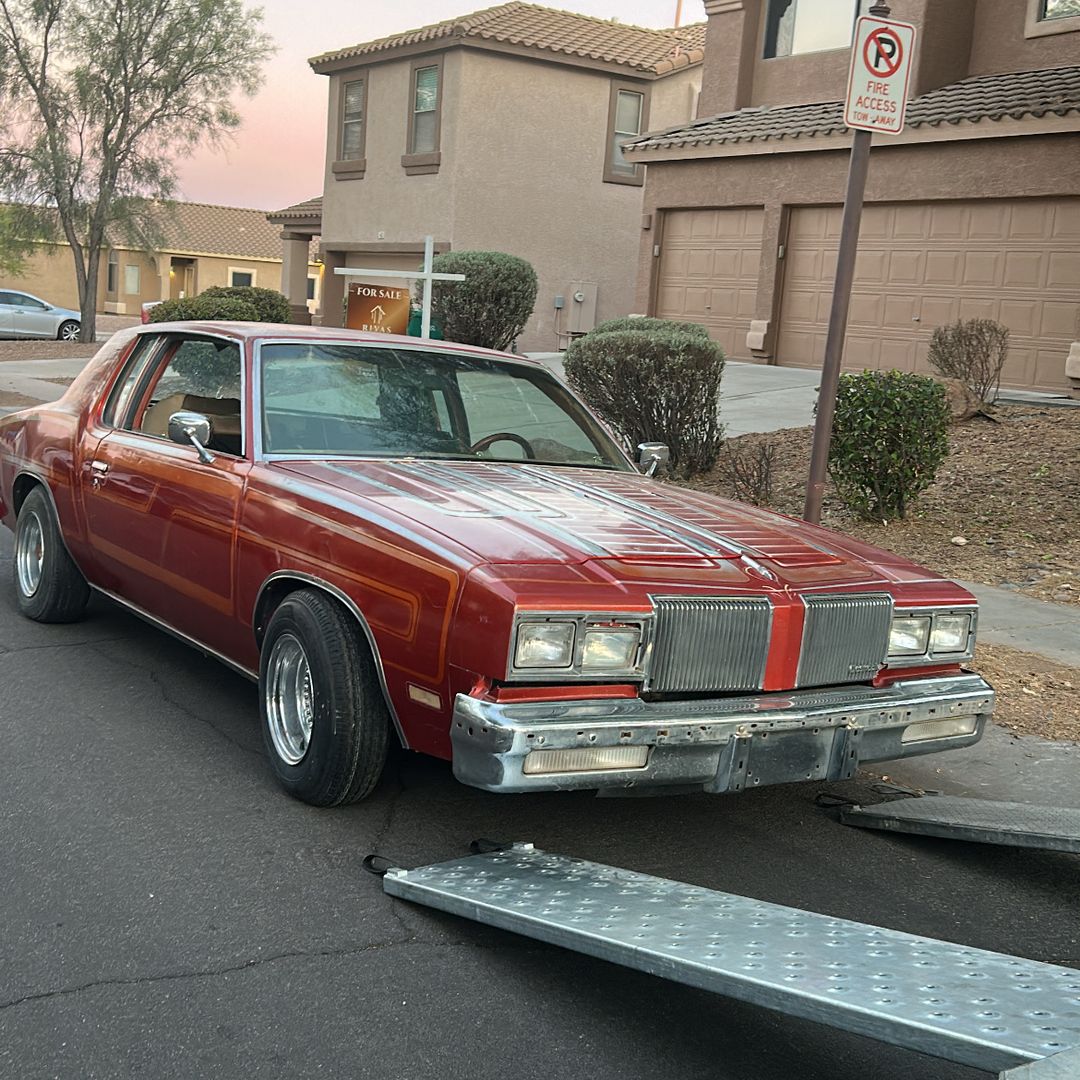
The 1980 Oldsmobile Cutlass Supreme stands as a definitive artifact of American automotive history, representing the transition from the bloated designs of the 1970s to the streamlined, fuel-conscious engineering of the 1980s. As a rear-wheel-drive icon, it offers a distinct driving experience that balances traditional comfort with a compact, maneuverable chassis, serving as a primary target for enthusiasts seeking an authentic piece of late-century Americana.
Understanding the 1980 Cutlass Supreme
To appreciate the 1980 Oldsmobile Cutlass Supreme, one must understand its position in the General Motors G-body lineage. By 1980, Oldsmobile had refined the "A-body" platform, which was rebranded as the G-body shortly thereafter. This model year is particularly significant because it reflects the industry's response to the fuel crises of the late 1970s without abandoning the V8 engine configurations that defined the brand's identity.
The "Cutlass" nameplate was an immense sales success during this era, often ranking as the best-selling car in the United States. The "Supreme" trim was the most desirable iteration, offering a notchback coupe design that signaled luxury and status. In 2026, finding a well-maintained example is a pursuit that requires an understanding of mechanical reliability, rust remediation, and the specifics of GM’s powertrain modularity during the early 1980s.
Technical Specifications and Performance
The performance profile of the 1980 Cutlass Supreme is defined by its modular options. Unlike modern vehicles with integrated computer systems, the 1980 model relies on mechanical simplicity.
Powertrain Options
Engine selection is the most critical factor for prospective owners or those maintaining an existing vehicle. The standard offering was a 3.8-liter (231 cubic-inch) Buick V6, though the 4.3-liter (260 cubic-inch) Oldsmobile V8 was a popular optional upgrade for those desiring a traditional American V8 feel.
- Buick 3.8L V6: Known for its durability and relatively efficient fuel consumption for the era.
- Oldsmobile 260 V8: Provided a smooth power delivery characteristic of the Oldsmobile "Rocket" engine heritage.
- Transmission: Most units were equipped with the TH350 3-speed automatic transmission, a legendary gearbox known for its ease of repair and widespread availability of parts.
Chassis and Handling
The G-body platform utilizes a full-frame construction, which provides a level of structural rigidity that many unibody cars of the era lacked. The front suspension features independent unequal-length control arms with coil springs, while the rear utilizes a four-link suspension system with coil springs. This configuration creates a "cushy" ride quality that is often described as nostalgic, though it lacks the precision steering found in modern vehicles.
Maintenance Requirements for the 2026 Owner
Operating a vehicle that is over 45 years old requires a shift in mindset. Maintenance is no longer about scheduled intervals dictated by a dealership; it is about proactive preservation.
- Cooling System Integrity: The cooling systems in early 80s GM vehicles are prone to buildup. In 2026, it is highly recommended to flush the radiator and replace the thermostat and heater core if there is any evidence of sludge.
- Vacuum Line Restoration: The 1980 model relies heavily on vacuum-operated systems, including emissions controls and heating/cooling dampers. Dry-rotted rubber lines are the most common source of "mystery" performance issues. Replacing these as a set is a standard task for any restorer.
- Brake System Overhaul: Ensure the master cylinder and wheel cylinders are inspected. If the vehicle has sat for extended periods, the brake fluid will have absorbed moisture, potentially causing internal corrosion in the steel lines.
Comparing the Trim and Utility
The following table outlines the differences between the common engine configurations found in the 1980 model year, which helps in identifying the specific "powerhouse" capabilities of a candidate vehicle.
| Feature | Buick 3.8L V6 | Oldsmobile 260 V8 |
|---|---|---|
| Configuration | 90-degree V6 | 90-degree V8 |
| Primary Advantage | Fuel Efficiency | Smooth Torque |
| Maintenance Difficulty | Moderate | Low |
| Parts Availability | High | High |
| Target Use | Daily Driving / Preservation | Performance Restoration |
Identifying Common Mechanical Pitfalls
When acquiring a 1980 Cutlass Supreme, buyers should be wary of specific areas prone to degradation over four decades.
Rust Vectors
The most critical issue is body rot. The rear wheel wells, the floor pans beneath the carpet, and the trunk area are classic collection points for road salt and moisture. A vehicle with heavy frame rot should be avoided regardless of how well the engine runs, as structural integrity is paramount for safety.
Electrical Reliability
The wiring harnesses of 1980 used insulation that can become brittle over time. If the vehicle experiences intermittent power loss or lighting issues, it is often due to oxidized ground connections or deteriorating plastic connectors at the fuse block. In 2026, there are many aftermarket vendors who provide complete replacement harnesses that are safer and more efficient than the original equipment.
The Cultural Significance of the "Nostalgic Powerhouse"
Why is there still a demand for the 1980 Oldsmobile Cutlass Supreme in 2026? It represents an era when style was distinct and engineering was transparent. Owners often report that the vehicle offers a tactile connection to the road that is absent in modern, sensor-laden cars. The "powerhouse" moniker is earned not through supercar speeds, but through the enduring capability of the platform to be customized—ranging from period-correct stock restorations to high-performance Pro Touring builds.
Frequently Asked Questions
Are parts still available for the 1980 Oldsmobile Cutlass Supreme in 2026? Yes. Because the G-body platform was shared across multiple GM models including the Chevrolet Monte Carlo and Buick Regal, there is a massive aftermarket for both new-old-stock (NOS) and reproduction parts. Most mechanical components can be sourced at standard automotive supply stores.
Is it difficult to convert the engine for more power? The G-body engine bay is famously accommodating. Many owners swap the original engines for GM "LS" series engines. Because of the popularity of this specific swap, engine mounts, transmission adapters, and wiring kits are readily available to complete the upgrade.
Does the 1980 model have significant emissions equipment that I must keep? This depends on your local jurisdiction's registration requirements. In many areas, vehicles of this age are classified as historic or classic, exempting them from modern smog check requirements. Always check with your local Department of Motor Vehicles before removing factory emissions components.
What is the best way to prevent interior fading? The interiors of 1980s GM cars are known for being susceptible to UV damage. Using high-quality ceramic tint on the windows is a common 2026 modification that protects the dashboard and upholstery from the sun without altering the vehicle's appearance.
How do I verify the authenticity of a Cutlass Supreme? Check the Vehicle Identification Number (VIN). The 1980 model year VIN structure will provide the plant code, engine code, and body style. You can cross-reference these codes with the Fisher Body plate located on the cowl to ensure the vehicle’s original configuration.
Recommendations for Next Steps
If you are currently evaluating a potential purchase, prioritize a physical inspection of the frame rails and body mounts. A "nostalgic powerhouse" is only as good as its foundation. Once you have confirmed the integrity of the chassis, your first task should be to perform a full fluid change—engine oil, transmission fluid, and differential gear oil—to establish a baseline for your ownership. Following this, focus on the rubber components of the suspension. Replacing the bushings will transform the handling of the vehicle, restoring that "factory fresh" driving feel that makes this Oldsmobile such a rewarding classic to own in the modern era.