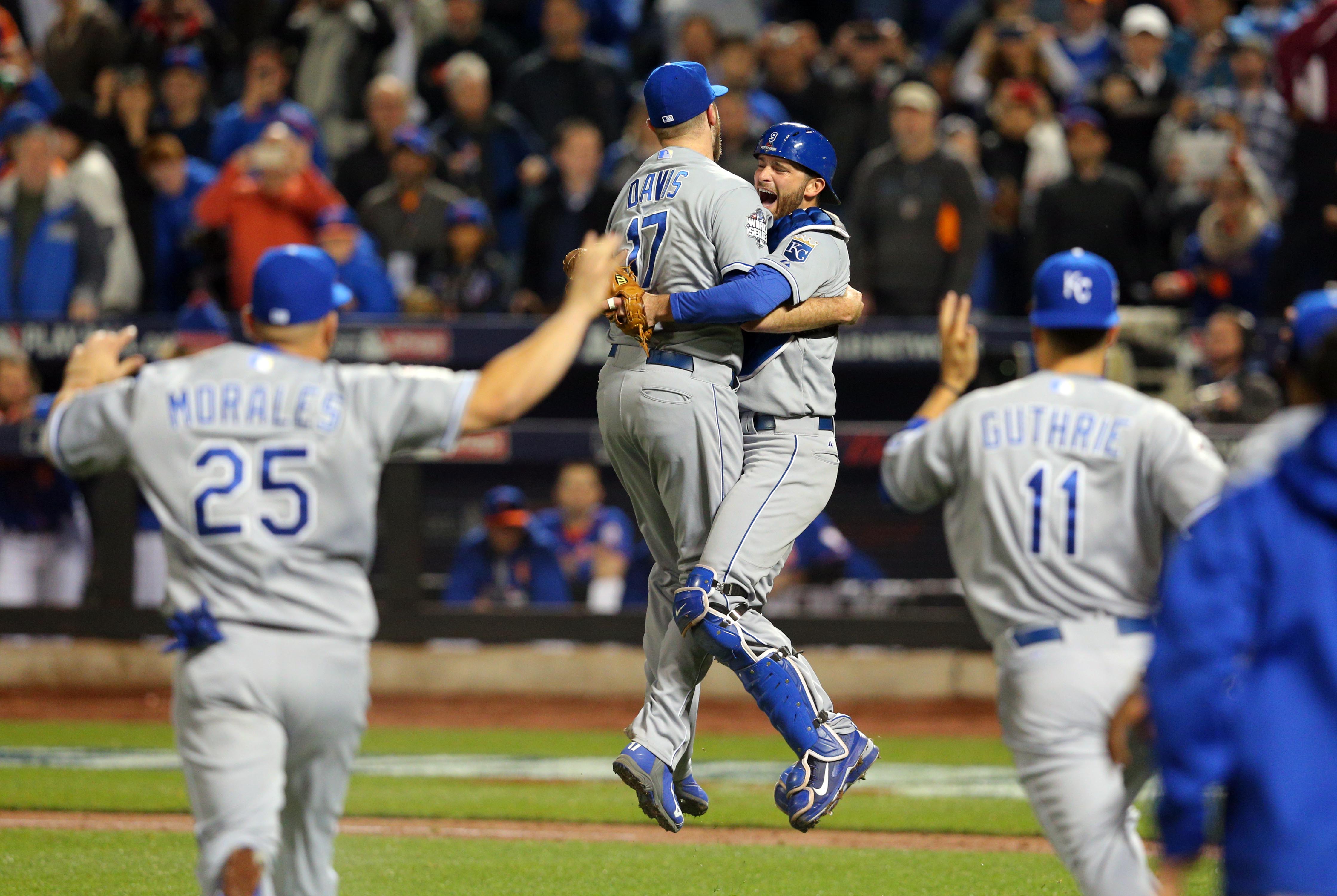
The 2015 World Series remains one of the most strategically fascinating and emotionally charged Fall Classics in modern baseball history. Contested between the New York Mets and the Kansas City Royals, this series was defined by a clash of styles: the Mets’ flamethrowing young starting rotation against the Royals’ relentless, high-contact offense and lockdown bullpen. Ultimately, the Kansas City Royals defeated the New York Mets four games to one, clinching their first championship in 30 years and cementing their legacy as one of the most resilient teams of the decade.
As we look back from the vantage point of 2026, the 2015 World Series stands as a pivotal moment that signaled a temporary shift in baseball philosophy. It proved that a team built on elite defense, speed, and the ability to put the ball in play could overcome a pitching staff capable of reaching triple digits on the radar gun.
The Path to the 2015 Fall Classic
To understand the intensity of the Mets vs. Royals matchup, one must look at the trajectories of both franchises leading into October 2015.
The Kansas City Royals: Unfinished Business
The Royals entered the 2015 season with a chip on their shoulder. In 2014, they had reached the World Series for the first time since 1985, only to lose a heartbreaking Game 7 to the San Francisco Giants, with the tying run left at third base. Under manager Ned Yost, the 2015 Royals were built to avenge that loss. They finished the regular season with a 95-67 record, the best in the American League. Their roster featured a core of homegrown talent, including Eric Hosmer, Mike Moustakas, Alex Gordon, and Salvador Perez, complemented by a bullpen that revolutionized how late innings were managed.
The New York Mets: The Rise of the Young Arms
The Mets, led by manager Terry Collins, were the surprise story of the National League. After years of rebuilding, their strategy of hoarding elite pitching prospects finally bore fruit. The "Four Aces"—Matt Harvey, Jacob deGrom, Noah Syndergaard, and Steven Matz—propelled the team to a 90-72 record and an NL East title. The mid-season acquisition of Yoenis Céspedes provided the offensive spark they desperately needed. In the postseason, Daniel Murphy went on a legendary tear, hitting home runs in six consecutive games to lead the Mets past the Dodgers and the Cubs.
Game-by-Game Breakdown of the 2015 World Series
The five-game series was much closer than the final 4-1 margin suggests. Three of the five games were decided by two runs or fewer, and two games went into extra innings.
Game 1: The 14-Inning Marathon
Game 1 set the tone for the entire series. It began with an electric atmosphere at Kauffman Stadium and an immediate highlight: Alcides Escobar hit an inside-the-park home run on the first pitch he saw from Matt Harvey. It was the first inside-the-park home run in a World Series since 1903.
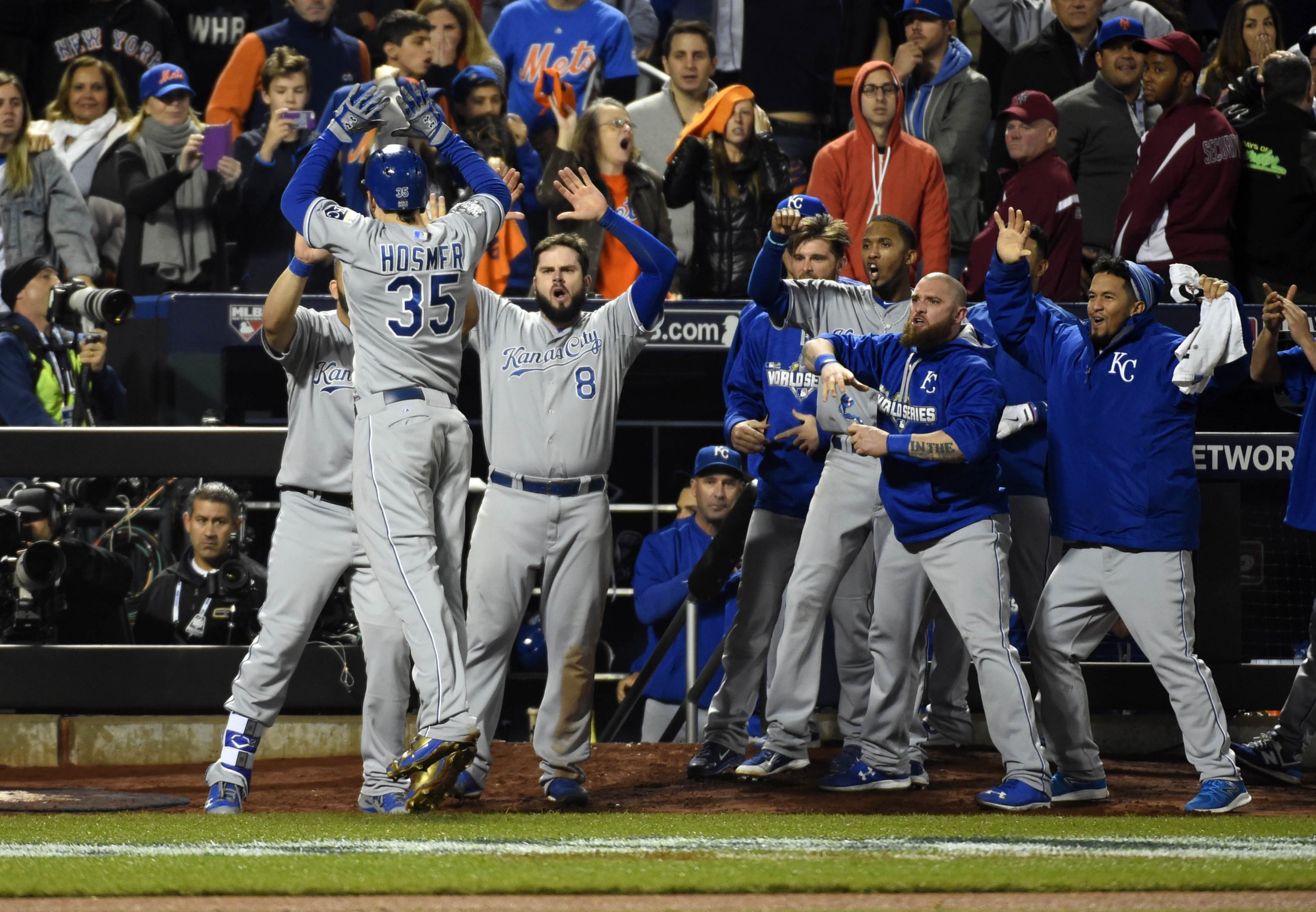
The Mets eventually took a 4-3 lead into the bottom of the ninth inning. Jeurys Familia, who had been nearly perfect as the Mets' closer, was one out away from securing the win. However, Alex Gordon launched a massive home run to center field, tying the game and sending it into extras. The game stretched 14 innings, lasting over five hours. The Royals finally won 5-4 on a sacrifice fly by Eric Hosmer, marking the longest Game 1 in World Series history.
Game 2: Johnny Cueto’s Masterclass
The Royals took a 2-0 lead in the series thanks to a dominant performance by trade-deadline acquisition Johnny Cueto. Cueto threw a complete-game two-hitter, stifling the Mets’ bats and allowing only one run. The Royals’ offense exploded in the fifth inning against Jacob deGrom, scoring four runs. The 7-1 victory sent the series to New York with the Royals in total control.
Game 3: The Mets Strike Back at Citi Field
Returning to Queens, the Mets regained some momentum. This game is famously remembered for Noah Syndergaard’s first pitch—a high-and-tight fastball that sent Alcides Escobar to the ground, signaling that the Mets wouldn't be intimidated by the Royals' aggressive hitting. David Wright, the Mets' captain, hit a two-run home run, and the Mets cruised to a 9-3 victory. This would be the Mets' only win of the series.
Game 4: The Turning Point
Game 4 was a heartbreaking loss for the Mets. They held a 3-2 lead in the eighth inning, but a critical fielding error by Daniel Murphy allowed the Royals to tie the game. The Royals' relentless "keep the line moving" offense then took over, scoring three runs in the eighth to win 5-3. This loss put the Mets on the brink of elimination and exposed the defensive vulnerabilities that would ultimately haunt them.
Game 5: The "Dark Knight" and the Heartbreak
Game 5 is one of the most debated games in modern baseball history. Matt Harvey, "The Dark Knight of Gotham," pitched the game of his life, carrying a 2-0 shutout into the ninth inning. With over 100 pitches thrown, Terry Collins initially intended to bring in closer Jeurys Familia. However, Harvey famously lobbied to stay in the game, and the Citi Field crowd chanted his name.
Collins relented, a decision that backfired. Harvey gave up a walk to Lorenzo Cain and an RBI double to Eric Hosmer. Familia was then brought in, but the damage was done. On a ground ball to third base, Hosmer made a "mad dash" for home plate. Lucas Duda’s throw home was wide, allowing the tying run to score. The game went to the 12th inning, where the Royals broke it open with five runs, winning 7-2 and securing the championship.
Key Statistical Comparison: 2015 World Series
The following table highlights the performance disparities that defined the series.
| Statistic | New York Mets | Kansas City Royals |
|---|---|---|
| Series Record | 1 Win - 4 Losses | 4 Wins - 1 Loss |
| Team Batting Average | .193 | .239 |
| Runs Scored | 19 | 27 |
| Stolen Bases | 2 | 7 |
| Errors Committed | 6 | 1 |
| ERA (Pitching) | 4.60 | 2.94 |
| Strikeouts (Pitching) | 40 | 36 |
The "Royals Way": Why Kansas City Won
The Royals' victory wasn't a fluke; it was the result of a specific organizational philosophy that was perfectly suited for the 2015 postseason.
1. The Death of the Strikeout
While the rest of the league was beginning to embrace the "three true outcomes" (home runs, walks, or strikeouts), the Royals prioritized contact. They were the hardest team in baseball to strike out. This frustrated the Mets' power pitchers, who were used to blowing hitters away. The Royals fouled off tough pitches and put balls in play, forcing the Mets' defense to make plays—which they often failed to do.
2. Bullpen Dominance
The trio of Kelvin Herrera, Wade Davis, and Luke Hochevar (along with Greg Holland, though he was injured in late 2015) essentially shortened games to six innings. If the Royals were leading after the sixth, the game was effectively over. Wade Davis, in particular, was untouchable, recording the final out of the series with a strikeout of Wilmer Flores.
3. Aggressive Baserunning
The Royals put constant pressure on the Mets' pitchers and catchers. Whether it was Escobar’s inside-the-parker or Hosmer’s daring run in Game 5, the Royals took risks that forced the opposition into mistakes. This "small ball" approach was a stark contrast to the Mets' reliance on the long ball.
The Legacy of the 2015 World Series
In the years following 2015, the paths of these two franchises diverged significantly. The Royals’ window of contention closed shortly after, as their core players reached free agency and the team moved into a rebuilding phase. However, their 2015 title remains a shining example of how a small-market team can build a sustainable, championship-caliber roster through scouting and development.
For the Mets, the 2015 series was a "what if" moment. The young pitching staff that looked like it might dominate the league for a decade was eventually dismantled by injuries and free agency. Matt Harvey’s career was never the same after that 2015 workload, and while Jacob deGrom went on to win multiple Cy Young awards, the Mets wouldn't return to the World Series in the immediate years following.
Frequently Asked Questions
Who was the 2015 World Series MVP?
Salvador Perez was named the World Series MVP. The Royals' catcher hit .364 with two doubles and played a vital role in managing the pitching staff throughout the five games. He was the first catcher to win the award since Pat Borders in 1992.
Why did Terry Collins let Matt Harvey stay in Game 5?
Terry Collins later admitted he let his "heart" get in the way of his "gut." Harvey was dominant through eight innings and vehemently argued to finish the game. Collins wanted to give his ace the chance to finish what he started, especially with the emotional crowd support at Citi Field. In hindsight, many analysts argue that Familia should have started the ninth inning fresh.
What happened to Daniel Murphy in the 2015 World Series?
After an unprecedented home run streak in the NLDS and NLCS, Murphy cooled off significantly in the World Series. He hit only .150 (3-for-20) and committed a pivotal fielding error in the eighth inning of Game 4 that allowed the Royals to tie the game.
How many games went into extra innings in the 2015 World Series?
Two games went into extra innings. Game 1 lasted 14 innings, making it one of the longest games in World Series history. Game 5 lasted 12 innings, which was the clinching game for the Kansas City Royals.
What was the significance of Alex Gordon's home run in Game 1?
Alex Gordon's ninth-inning home run off Jeurys Familia in Game 1 was the turning point of the series. Familia had not blown a save in months. The home run not only tied the game but also shattered the Mets' aura of late-inning invincibility, giving the Royals the psychological edge for the rest of the matchup.
Final Perspective on the 2015 Matchup
The 2015 World Series between the New York Mets and the Kansas City Royals was a masterclass in situational baseball. It served as a reminder that in a short series, defense and contact hitting can be just as lethal as 100-mph fastballs. For Royals fans, it was the culmination of a decade of rebuilding and a redemption story following their 2014 defeat. For Mets fans, it remains a bittersweet memory of a brilliant season that fell just three outs short of a different outcome in Game 5.
If you are looking to revisit this series, the full broadcasts and highlight reels remain essential viewing for any baseball tactician. Studying the Royals' 8th and 9th inning rallies provides a blueprint for how modern offenses can dismantle elite pitching through persistence and pressure.