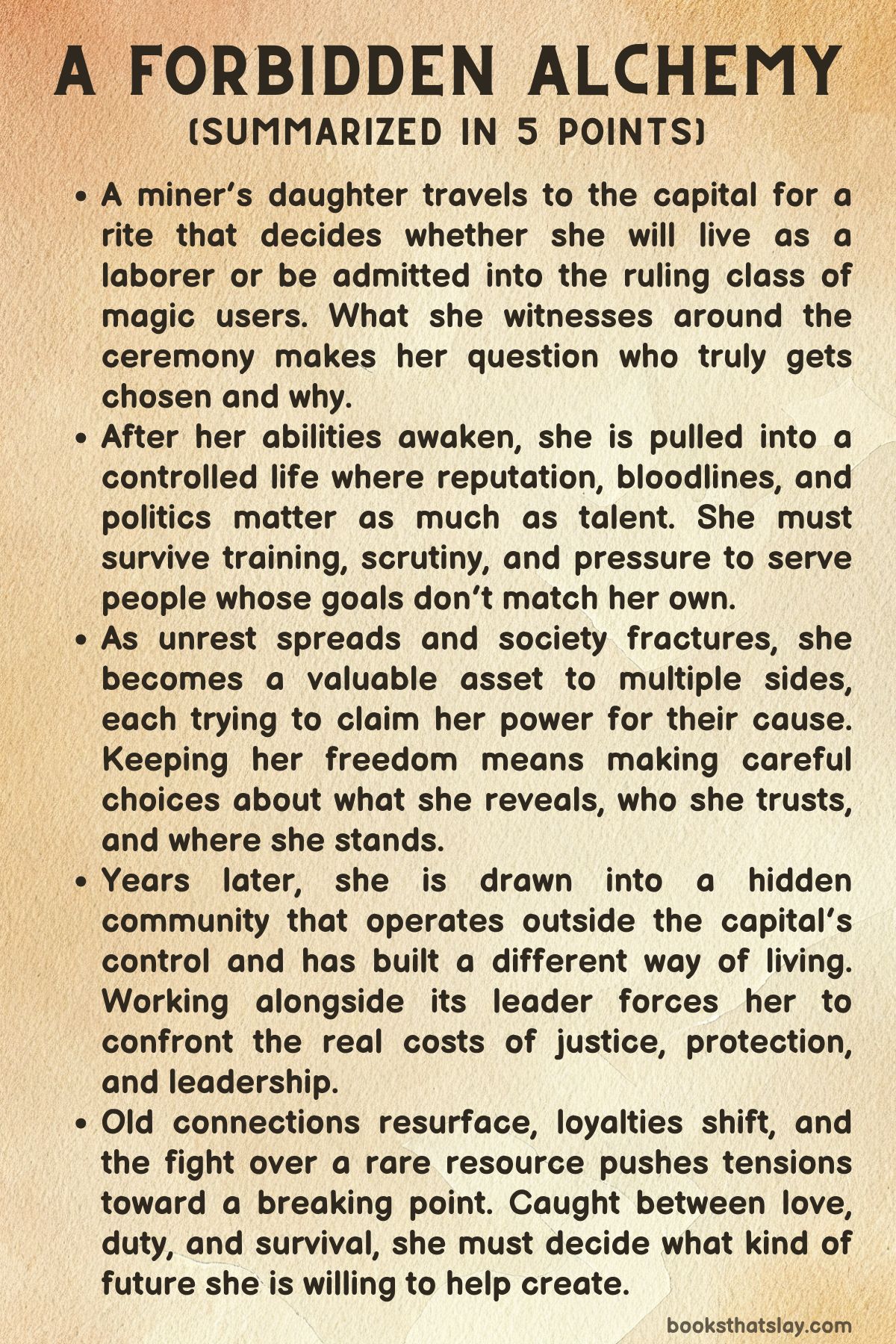
The second installment in the A Forbidden Alchemy series, titled The Ruined Garden by J.R. Erickson, is a gothic mystery that deepens the exploration of alchemical secrets and family trauma. This overview examines its intricate plot, character evolution, and the dark historical atmosphere that defines the continuation of Adelaide’s harrowing journey.
Navigating the Continuation of the Forbidden Alchemy Saga
In the landscape of modern gothic fiction, J.R. Erickson has carved out a niche that blends psychological suspense with historical atmosphere. As of 2026, the A Forbidden Alchemy series remains a significant recommendation for readers who enjoy slow-burn mysteries with supernatural undertones. Book Two, The Ruined Garden, serves not just as a sequel but as a structural expansion of the lore introduced in the first volume.
To understand the overview of Book Two, one must first recognize the stakes established in the debut. The series follows Adelaide, a woman trapped in the shadow of her father’s obsession with alchemy—a pursuit that is as much a scientific endeavor as it is an occult one. While Book One focused on the initial discovery and the stifling environment of the family estate, Book Two accelerates the narrative, forcing the characters to confront the tangible consequences of "forbidden" knowledge.
The Core Narrative and Plot Structure
The Ruined Garden picks up where the tension of the first book reached its breaking point. The narrative is structured around the revelation of a hidden history within the estate's grounds. The "garden" of the title is more than a setting; it is a metaphor for the neglected and decaying moral state of the family.
The plot revolves around several key pillars:
- The Hidden Laboratory: Much of the mystery in Book Two stems from the discovery of areas in the estate that were previously off-limits. These physical spaces mirror the psychological barriers Adelaide must break through.
- The Persistence of the Past: Erickson uses a non-linear sense of dread, where events from decades prior begin to manifest in the present day. This creates a dual-timeline feel even when the narrative stays in the present.
- The Alchemical Pursuit: The technical aspects of alchemy—transmutation, the search for the elixir of life, and the cost of human experimentation—move from the background to the foreground.
Character Development and Evolving Dynamics
A critical aspect of any book overview is the analysis of character arcs. In The Ruined Garden, the protagonist, Adelaide, undergoes a significant transformation. In the first book, she is often a victim of circumstance, reacting to the whims of her father and the oppressive atmosphere of her home. In Book Two, she becomes a proactive investigator.
Adelaide’s Journey from Observer to Agent
Adelaide’s development is characterized by her increasing literacy in the "forbidden" language of her father’s work. She is no longer just afraid of the bottles and scripts in the lab; she begins to understand them. This shift is vital because it changes the tone of the series from a "haunted house" vibe to a "dark intellectual mystery."
The Father Figure: An Antagonist of Ambition
The father remains a looming presence, whether physically present or felt through the legacy of his work. In Book Two, the reader gets a clearer view of his motivations. He is not a cartoonish villain but a man driven by the tragic belief that science can overcome death. This nuance makes the conflict in The Ruined Garden more poignant, as Adelaide struggles with the love she once had for him and the horror of what he has become.
Supporting Characters and New Entrants
Secondary characters, including the household staff and local figures from the nearby village, provide the necessary external perspective. They serve as the "chorus" that highlights how abnormal the family’s life truly is. Their fear and superstition contrast with Adelaide’s more analytical approach to the mysteries she uncovers.
Themes and Motifs in The Ruined Garden
J.R. Erickson uses specific motifs to reinforce the themes of the A Forbidden Alchemy series. In Book Two, these themes become more pronounced, focusing on the intersection of science, morality, and the feminine experience in the early 20th century.
The Ethics of Forbidden Knowledge
At its heart, the book asks: "What is the price of knowing too much?" Alchemy is treated as a precursor to modern chemistry, but one that lacks a moral compass. The "forbidden" nature of the alchemy in the book isn't just about societal taboos; it's about the erosion of the soul that occurs when one views people as components of an experiment.
Rot and Regeneration
The imagery of the garden is central. A garden requires care, sunlight, and a natural cycle of life and death. The "ruined" garden represents the subversion of nature. By trying to achieve immortality or transmutation through alchemy, the characters have caused a symbolic rot that affects the land and the people on it.
Gender and Agency
Set in a historical period where women’s roles were strictly defined, Adelaide’s pursuit of truth is an act of rebellion. Her father’s alchemy is a male-dominated, patriarchal pursuit of power. Adelaide’s entry into that world is a reclamation of her own narrative.
Technical Analysis of the Book's Setting
The setting of The Ruined Garden is almost a character itself. Erickson utilizes "Gothic Realism," a style that grounds supernatural or heightened dread in very specific, tangible details.
- The Architecture: The estate is described with architectural precision—the cold stone, the dampness of the cellar, and the overgrowth of the greenhouse. These details help the reader feel the claustrophobia that Adelaide experiences.
- The Sensory Experience: The overview of this book would be incomplete without mentioning the smells and sounds. The scent of sulfur, the clinking of glass vials, and the "heavy" silence of the ruined garden create an immersive reading experience.
Comparing Book One and Book Two
For readers deciding whether to continue the series, comparing the first and second volumes is essential. While the first book establishes the "why," the second book explores the "how."
| Feature | A Forbidden Alchemy (Book 1) | The Ruined Garden (Book 2) |
|---|---|---|
| Primary Theme | Isolation and Discovery | Consequence and Confrontation |
| Pacing | Slow-burn, Atmospheric | Moderate to Fast, Suspense-driven |
| Protagonist Role | Passive/Victimized | Active/Investigative |
| Scope of Mystery | Internal (Family Secrets) | External (Impact on the World/History) |
| Setting Focus | The Interior Manor | The Grounds and Secret Annexes |
| Conflict Resolution | Open-ended/Cliffhanger | Significant Revelations |
Accessing the Series in 2026
As of 2026, the A Forbidden Alchemy series is widely available across multiple platforms. J.R. Erickson’s works are frequently found on major digital retailers and through independent bookstore networks.
Available Formats
- E-book: The most accessible format, often available via Kindle Unlimited or similar subscription services.
- Paperback/Hardcover: Preferred by collectors of gothic fiction for the cover art, which typically features atmospheric, thematic illustrations.
- Audiobook: The series has gained a significant following in audio format, where narrators use a somber, measured tone to enhance the gothic feel.
Pricing and Bundling
In 2026, it is common to find "Series Bundles" where A Forbidden Alchemy and The Ruined Garden are sold together. For new readers, this is the most cost-effective way to engage with the story, as the narrative of Book Two is heavily dependent on the events of Book One.
Practical Guidance: Reading Requirements
To get the most out of The Ruined Garden, readers should approach the book with a specific mindset. This is not a "quick-fix" thriller; it is a dense, emotional journey.
- Prerequisite Reading: It is highly recommended to read Book One first. While Book Two provides some context clues, the emotional weight of Adelaide’s decisions is lost without the background of her initial struggles.
- Note the Details: Erickson often plants "seeds" (to use the garden metaphor) early in the prose that don't bloom until much later. Pay attention to the descriptions of alchemical symbols and old letters.
- Manage Expectations: If you are looking for a traditional horror novel with jump scares, you might be disappointed. This is psychological horror and gothic mystery. The "monsters" are often human ambitions.
Troubleshooting Common Reader Issues
Some readers encounter difficulties when progressing through the series. Here are common issues and how to resolve them:
- Confusion over Alchemical Terms: If the terminology becomes dense, remember that the feeling of the science is more important than the literal chemistry. The book uses alchemy as a literary device for transformation.
- Pacing Concerns: The middle of Book Two can feel slower as it builds the historical context. Stick with it; the final third of the book is where the primary "payoffs" occur.
- Character Likability: Some find Adelaide’s father or even Adelaide herself difficult to relate to due to their choices. It is helpful to view them as figures in a tragedy rather than traditional heroes.
Frequently Asked Questions
Do I need to read A Forbidden Alchemy before Book Two?
Yes, it is essential. The Ruined Garden is a direct continuation of the first book's narrative. Skipping the first volume will result in a lack of context for the character motivations and the significance of the alchemical discoveries found in the estate.
What is the central mystery of Book Two?
The central mystery involves the true purpose of the "Ruined Garden" and what was buried beneath it years ago. While Book One asks "What is my father doing?", Book Two asks "What did my father do to others in his quest for knowledge?"
Is the series finished?
By 2026, the primary arc of the Forbidden Alchemy series is generally considered complete, though J.R. Erickson frequently writes interconnected stories within the same "universe." Readers should check the author's official catalog for spin-offs or companion novellas.
How dark is the content in this overview?
The book contains themes of psychological abuse, historical trauma, and "body horror" related to alchemical experiments. It is intended for an adult audience or mature young adults who can handle heavy, atmospheric dread.
Where can I find a summary of the alchemy "rules" in the book?
The "rules" are never explicitly listed in a manual format within the book. Instead, they are revealed through Adelaide’s discovery of her father's journals. The primary rule is "Equivalent Exchange"—the idea that something must be given up to achieve a transformation.
Final Recommendation and Next Steps
For readers who have finished the first book, The Ruined Garden is a mandatory next step that provides much-needed answers while raising the stakes of the series. It successfully transitions from the internal claustrophobia of a family secret to the broader implications of a life dedicated to the "forbidden."
Next Actions for Readers:
- Verify your edition: Ensure you have the full version of The Ruined Garden, as some early digital previews only include the first few chapters.
- Join the community: Look for J.R. Erickson reader groups on platforms like Goodreads or specialized gothic fiction forums to discuss the complex theories regarding the ending.
- Explore the genre: If you enjoy this series, consider looking into other "Gothic Alchemy" titles that were prominent in the 2020s to see how Erickson’s work compares to the broader trend.