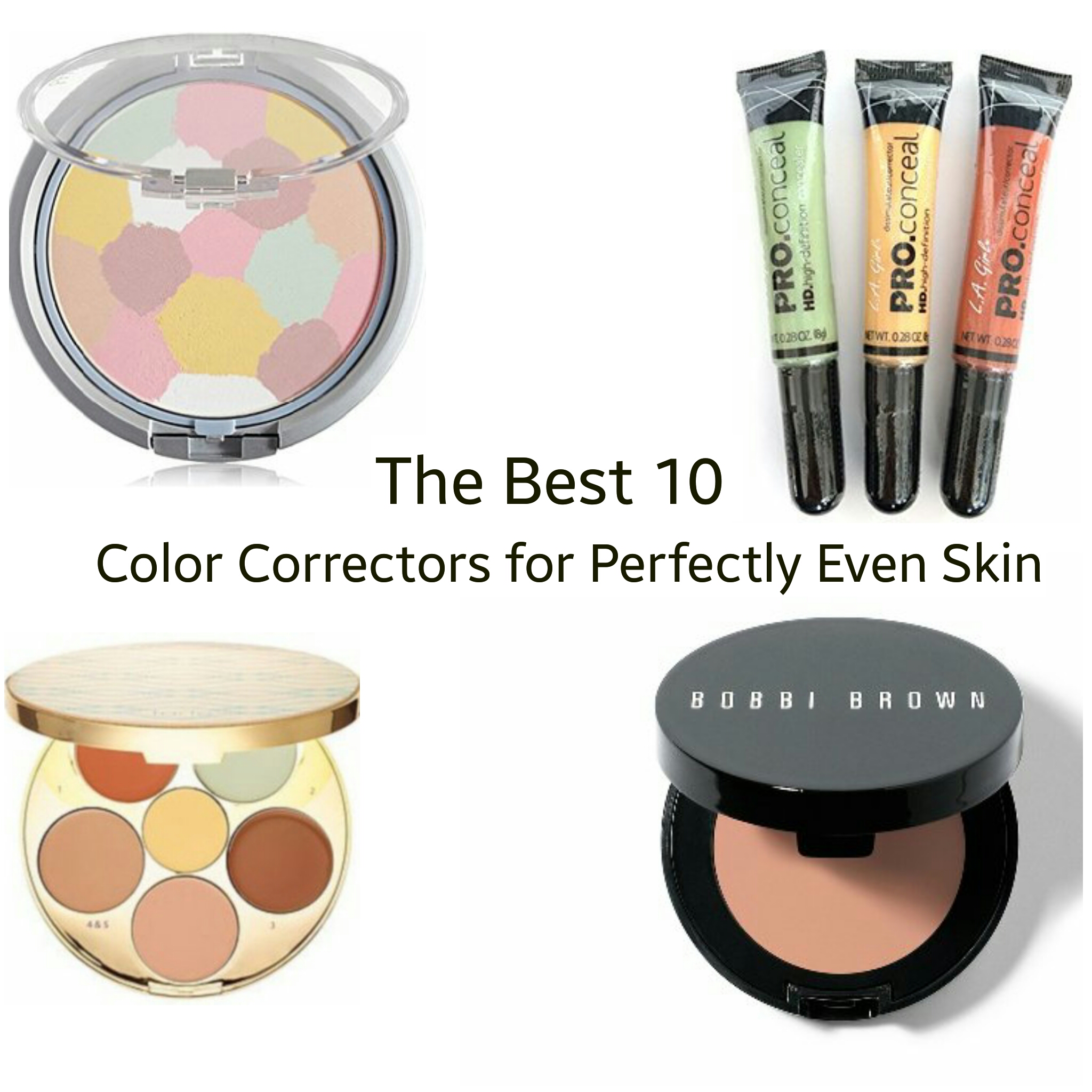
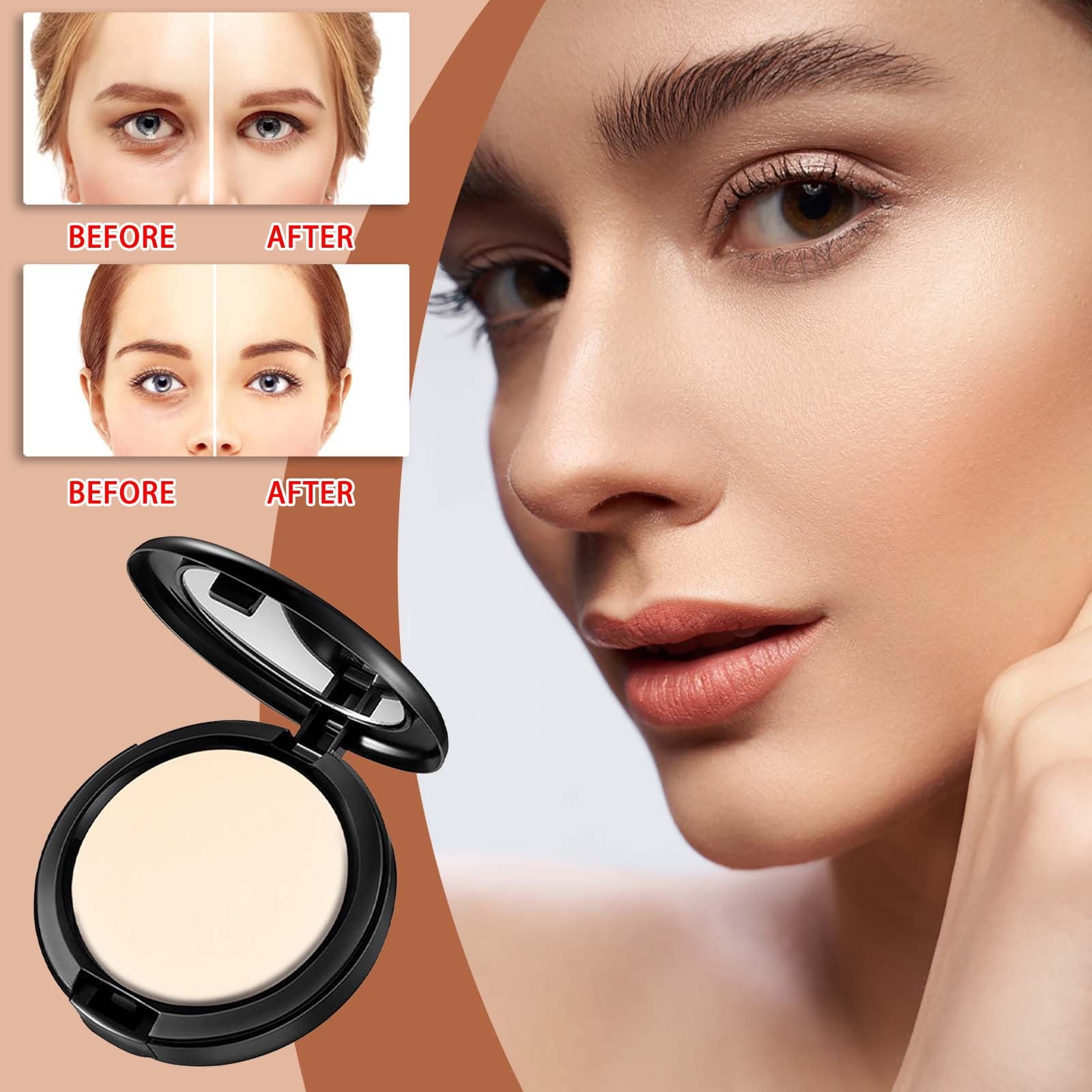
Finding the single best color corrector for mature skin requires looking beyond traditional heavy-duty cosmetics that settle into fine lines and exacerbate texture. The ideal choice is a lightweight, hydrating, and light-reflecting formula that neutralizes discoloration—such as dark circles, hyperpigmentation, or redness—while moving seamlessly with the skin. Rather than masking imperfections through sheer product thickness, top-tier correctors for aging skin rely on color theory, micro-pigments, and skin-conditioning ingredients to create an even, illuminated canvas.
Navigating the cosmetic market for mature skin can be daunting, particularly because formulas designed for younger, oilier skin types often emphasize a rigid, ultra-matte finish. As skin matures, it undergoes physiological shifts, including a reduction in natural lipid production, slower cell turnover, and a decrease in collagen and elastin. These changes mean that dry, heavily pigmented correctors tend to cake, crease, and emphasize micro-wrinkles.
This guide evaluates the structural requirements of mature complexion care, analyzes color theory applications for aging skin, contrasts leading product categories, and establishes clear criteria for selecting and applying the single best color corrector format to achieve a natural, youthful finish.
Understanding Mature Skin Dynamics and Discoloration
Before evaluating specific color-correcting products, it is essential to understand how mature skin behaves and why standard makeup techniques frequently fail. Skin aging is a complex biological process driven by both intrinsic factors (chronological aging) and extrinsic factors (such as UV exposure and environmental pollution). Together, these forces alter the skin's architecture, impacting moisture retention, elasticity, and surface uniformity.
Moisture Loss and Barrier Degradation
As the skin matures, the epidermal barrier weakens, leading to increased transepidermal water loss. The sebaceous glands also decrease their output, leaving the skin drier and more vulnerable to dehydration. When a standard, highly pigmented, or matte color corrector is applied to this dry environment, it absorbs whatever residual moisture is present in the stratum corneum. This causes the product to fracture, settle into fine lines around the eyes (crows' feet), and cling to dry patches. Consequently, the best color corrector for mature skin must incorporate humectants and emollients that actively maintain hydration levels throughout the day.
Changes in Vascularity and Pigmentation
Discoloration in mature skin often presents differently than in younger demographics. Under-eye circles frequently appear darker and more purplish or bluish due to thinning skin, which makes underlying blood vessels and orbital fat pads more visible. Concurrently, decades of cumulative sun exposure result in solar lentigines (age spots), melasma, or generalized hyperpigmentation, which require warm, peach, or orange corrective tones to neutralize.
Furthermore, chronic low-grade inflammation or broken capillaries (telangiectasia) can cause persistent facial redness, necessitating green or yellow correctors. Addressing these varied concerns requires a product that offers targeted pigmentation without requiring heavy layering.
Color Theory Applied to Aging Complexions
Color correction is rooted in the color wheel: opposite colors neutralize each other. Applying this principle incorrectly on mature skin, however, can result in a grayish or muddy appearance, especially when heavy opaque layers are used.
The Role of Peach and Salmon Tones
For the vast majority of mature individuals, the primary area requiring correction is the under-eye region. The prevalent discoloration is bluish-purple. On the color wheel, blue is neutralized by orange. However, a stark orange corrector is far too intense and dark for lighter mature skin tones, while a pale yellow may lack the depth to neutralize deep blues.
Therefore, a nuanced peach or salmon shade serves as the optimal middle ground. Peach corrects blue and purple undertones on fair to medium complexions, while rich apricot and deep peach serve deeper skin tones. Liquid and serum-based peach correctors melt into the thin under-eye skin without building up excess physical volume that can crease.
Neutralizing Redness with Green and Yellow
Facial redness caused by rosacea, broken capillaries, or general irritation is neutralized by green. On mature skin, traditional green correctors can look pasty if they are too opaque. Modern formulations utilize sheer, tint-corrected serums or green-infused primers that diffuse redness optically rather than painting over it with heavy pigment. Yellow correctors, conversely, work well to brighten dullness and neutralize mild purplish bruising or sallowness, imparting a warm, energized glow to sallow, aging skin.
Key Formulation Criteria for Mature Skin
When shopping for a color corrector, examining the ingredient deck and physical texture is vital. The market offers various formats—sticks, pots, creams, liquids, and serums. For mature skin, performance varies drastically across these categories.
| Corrector Format | Texture & Viscosity | Hydration Level | Creasing Risk | Best Suited For |
|---|---|---|---|---|
| Liquid / Serum | Fluid, lightweight | High (contains humectants) | Low | Under-eyes, fine lines, dry areas |
| Cream Pot | Thick, dense | Moderate to Low | High | Blemishes, stubborn spots (not eyes) |
| Stick Corrector | Waxy, firm | Low | High | Spot correction on oily or normal zones |
| Color-Correcting Primer | Gel-cream, spreadable | Moderate to High | Very Low | Overall facial redness and sallow zones |
Why Liquid and Serum Correctors Excel
Liquid and serum color correctors represent the optimal choice for mature skin. These formulations typically feature a water- or silicone-elastomer base infused with skincare ingredients such as hyaluronic acid, glycerin, niacinamide, and peptides.
Hyaluronic acid draws moisture into the upper layers of the skin, plumping fine lines so that the pigment floats over the skin rather than sinking into creases. Niacinamide helps improve skin barrier function and brightens hyperpigmentation over time, offering both immediate cosmetic correction and long-term skincare benefits.
Avoiding Heavy Waxes and Silicones
Pot and stick correctors, while offering high coverage, often rely on heavy waxes, heavy mineral oils, and high concentrations of talc or silica. While these ingredients provide long-wear performance on younger skin, they create a rigid film on mature skin. As facial muscles move throughout the day, this film cracks, emphasizing texture and making the skin appear older. The single best color corrector avoids heavy waxes in favor of flexible film-formers that stretch with skin movement.
Application Techniques for Seamless Results
Even the most advanced hydrating color corrector will look cakey if applied with incorrect technique. Mature skin demands a minimalist approach to product volume and precise placement.
Step-by-Step Application Protocol
- Prep and Hydrate: Begin with a clean face. Apply a dedicated eye cream and a hydrating facial moisturizer. Allow these skincare products to absorb fully for at least five minutes before introducing makeup.
- Target Precisely: Apply the liquid or serum color corrector only to the areas requiring neutralization—such as the inner corners of the eyes where darkness is concentrated, or specific sun spots. Avoid coating the entire under-eye area if discoloration is localized.
- Use the Right Tools: Tap the product into the skin using your ring finger (which exerts the lightest pressure) or a damp makeup sponge. The warmth of the finger helps melt the product into the skin, while a damp sponge removes excess surface pigment that causes creasing.
- Layer Sparingly: Color correction is designed to neutralize, not to provide full opacity. Follow with a lightweight, luminous concealer or foundation only if further coverage is needed.
- Set Strategically: Mature skin often does not require heavy powdering. If setting is necessary to prevent sliding, use a finely milled, translucent setting powder applied sparingly with a fluffy brush, focusing solely on areas prone to natural oil breakthrough.
Common Mistakes to Avoid
Achieving a flawless, airbrushed finish on mature skin involves steering clear of several widespread cosmetic pitfalls:
- Over-Applying Product: Applying thick layers of corrector in an attempt to completely erase dark circles backfires. Excess product inevitably pools in fine lines.
- Skipping Skincare Prep: Applying makeup directly to dehydrated mature skin guarantees a textured, flaky finish. Hydration is a mandatory prerequisite.
- Using the Wrong Shade Intensity: Choosing a corrector that is too dark or too intensely pigmented leaves a visible cast that even heavy foundation struggles to hide. Match the corrector depth to your overall skin depth.
- Ignoring Undertone Shifts: As skin ages, hormonal shifts and sun exposure can alter undertones. Re-evaluate your color-correcting shade annually to ensure it still harmonizes with your complexion.
Frequently Asked Questions
Can I use a color corrector without foundation on mature skin?
Yes. Modern liquid and serum color correctors are formulated with skincare benefits and skin-like finishes, making them ideal for a minimalist makeup routine. When blended out properly with a damp sponge or fingertips, a peach corrector under the eyes or a green corrector on redness can brighten the face sufficiently without requiring a full layer of foundation.
Should I apply color corrector before or after foundation?
Color corrector should always be applied before foundation or concealer. The purpose of the corrector is to neutralize the underlying color of the imperfection (such as blue darkness or red capillaries). If you apply foundation first, you may wipe it away when blending the corrector, or you may end up using far too much total product, leading to a heavy, caked-up appearance.
How do I stop my under-eye corrector from settling into fine lines?
Creasing is usually caused by excess product, lack of eye hydration, or heavy setting powders. To prevent this, apply a minimal dot of a liquid, hydrating formula only to the darkest part of the inner eye, tap it out thoroughly with your ring finger, and press a tiny amount of finely milled, talc-free translucent powder using a soft brush only where movement is minimal.
Is color corrector safe for sensitive or thinning mature skin?
Yes, provided you select fragrance-free, hypoallergenic formulas infused with soothing skincare ingredients like chamomile, squalane, and hyaluronic acid. Avoid correctors containing high levels of denatured alcohol or synthetic fragrances, as these can exacerbate dryness and irritation on delicate, thinning skin.
How often should I replace my liquid color corrector?
Liquid and cream makeup products have a limited shelf life because they contain water, which can harbor bacteria over time. Most liquid correctors should be replaced every 6 to 12 months. If the product changes color, develops an unusual odor, or separates permanently despite shaking, discard it immediately.
Conclusion and Next Action
Selecting and using the best color corrector for mature skin is an exercise in restraint, hydration, and targeted color theory. By prioritizing lightweight liquid and serum formulations infused with nourishing skincare ingredients, you can successfully neutralize discoloration without compromising skin texture or emphasizing fine lines.
To take immediate action, assess your primary area of discoloration—whether it is bluish under-eye darkness or facial redness—and audit your current makeup bag. Replace heavy pots or waxy sticks with a flexible, hydrating liquid corrector, and test it using a minimalist, damp-sponge application technique to experience a smoother, more radiant complexion.