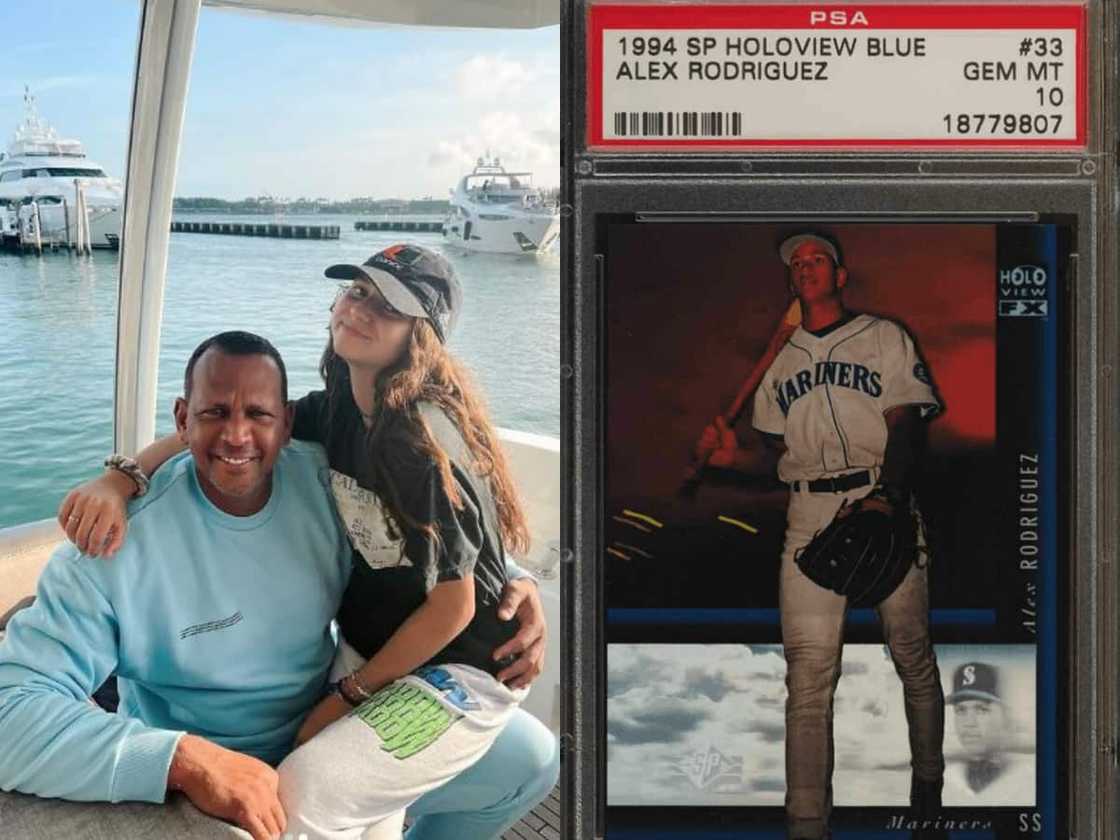
Alex Rodriguez, widely known as "A-Rod," is a natural-born United States citizen of Dominican descent. Born in New York City to Dominican immigrant parents, he maintains a strong cultural and familial connection to the Dominican Republic while holding American citizenship, a status that has defined his professional career in Major League Baseball and his public identity.
Understanding the Intersection of Citizenship and Heritage
The question of Alex Rodriguez’s nationality frequently arises due to his high-profile career, his parents' migration story, and his active participation in both American professional sports and Dominican cultural initiatives. To understand his nationality, one must distinguish between legal citizenship, which is a matter of law, and cultural heritage, which is a matter of ancestry and personal identity.
Legally, Alex Rodriguez is an American citizen. He was born in the Washington Heights neighborhood of Manhattan, New York, on July 27, 1975. Under the 14th Amendment to the United States Constitution, anyone born on U.S. soil is granted birthright citizenship. This status provided him the foundation to play for the United States national team during international competitions, such as the World Baseball Classic in 2006, despite his eligibility for the Dominican Republic team under tournament rules regarding heritage.
However, nationality is often perceived through the lens of ethnicity. Rodriguez is of Dominican descent; his parents, Victor and Lourdes Rodriguez, were immigrants from the Dominican Republic. This dual narrative—being an American by birth and a Dominican by blood—is common among the vast diaspora of Caribbean immigrants in the United States. His identity is therefore a hybrid, shaped by his upbringing in the American school system and the baseball culture of his parents' homeland.
The Role of Heritage in Professional Sports
In the world of Major League Baseball (MLB), nationality and eligibility for international play can sometimes be complex. The World Baseball Classic (WBC), for instance, has unique rules that differ from the Olympics or FIFA-governed sports. In the WBC, a player may represent a country if they are a citizen, hold a valid passport, or are a permanent legal resident of that country. Crucially, the WBC also allows players to represent a country if they are eligible for citizenship through their parents.
During his prime, Rodriguez faced the decision of which national team to represent. His choice to play for Team USA in 2006 was a significant moment in his career. While some fans in the Dominican Republic had hoped he would join their squad, Rodriguez’s decision to represent the country of his birth underscored his primary legal and professional identity as an American player. This decision did not diminish his cultural standing in the Dominican Republic, where he remains a celebrated figure who has contributed significantly to the development of baseball programs and charitable efforts.
The Dominican Influence on His Early Life
The influence of his parents' nationality played a pivotal role in shaping his formative years. Following his birth in New York, the Rodriguez family moved to the Dominican Republic when Alex was four years old, eventually settling back in the United States, specifically in Miami, Florida, when he was ten. This period of his childhood is often cited by biographers as critical to his development.
Living in the Dominican Republic at a young age exposed him to a culture where baseball is not merely a sport but a foundational pillar of national identity. This early immersion helped foster the technical skills and the passion that would eventually propel him to become one of the greatest shortstops and third basemen in the history of the game. Even after returning to the United States, the Rodriguez household maintained strong ties to their Dominican roots, ensuring that Alex remained bilingual and deeply connected to his heritage.
Legal vs. Cultural Identity: A Comparison
It is helpful to analyze how the distinction between legal and cultural identity functions in a global context. The following table illustrates how these two aspects of nationality are viewed for a public figure like Alex Rodriguez.
| Aspect | Status/Definition | Context for Alex Rodriguez |
|---|---|---|
| Legal Nationality | Citizenship by birth (Jus Soli) | United States (Born in NYC) |
| Cultural Heritage | Ancestral origin (Jus Sanguinis) | Dominican Republic (Parental roots) |
| International Play | Eligibility for representative sports | Eligible for both USA and Dominican Republic |
| Public Perception | How the public identifies the individual | Viewed as an American icon of Dominican descent |
Impact of Nationality on Brand and Philanthropy
Alex Rodriguez’s identity has been a core component of his post-baseball career as a businessman and media personality. His ability to navigate both American and Dominican spheres has allowed him to build a unique personal brand. By leveraging his connections to the Dominican Republic, he has engaged in various philanthropic endeavors aimed at improving education and healthcare in the region.
His bilingualism, a direct result of his household environment, has served as a bridge in his broadcasting career, allowing him to connect with a wider demographic of baseball fans. In the media landscape of 2026, where global accessibility is key to professional growth, his authentic connection to his Dominican roots has provided him with a platform that transcends the borders of the United States.
Addressing Common Misconceptions
One common point of confusion for fans involves the difference between "nationality" and "ethnicity." Nationality refers to the legal relationship between a person and a state, typically proven through a passport or birth certificate. Ethnicity, conversely, refers to the social and cultural group to which an individual belongs based on common ancestry.
Because Alex Rodriguez has a prominent Dominican identity, many fans mistakenly conflate this with his legal nationality. While he frequently speaks about the pride he feels for his Dominican heritage, this does not override his legal status as a United States citizen. Conversely, his American legal status does not make him any less "Dominican" in terms of his familial identity. Understanding this nuance is essential to appreciating how individuals in the modern era can hold multiple facets of identity simultaneously.
Frequently Asked Questions
Is Alex Rodriguez a Dominican citizen? Alex Rodriguez is an American citizen by birth. While he is of Dominican descent and has maintained strong cultural ties to the country, his legal status is governed by his birth in New York City.
Why did Alex Rodriguez play for Team USA in the World Baseball Classic? He chose to represent the United States in the 2006 World Baseball Classic because he was born in the U.S. and identified with his home country during the competition, despite being eligible for the Dominican team through his parents.
Does Alex Rodriguez speak Spanish fluently? Yes, Alex Rodriguez is bilingual. He grew up in a household where Spanish was spoken, and he spent his early childhood years in the Dominican Republic, which helped him maintain his proficiency in the language.
How does being of Dominican descent affect his identity? His descent provides him with a strong cultural identity that influences his philanthropic work and public image. It allows him to act as a bridge between the American sports industry and the Latin American baseball community.
Can a person have more than one nationality? Yes, dual citizenship is possible in many jurisdictions, including between the United States and the Dominican Republic. However, for a high-profile athlete, the decision to play for a specific national team is often a personal choice governed by specific tournament eligibility rules rather than just legal citizenship.
Conclusion and Next Steps
Alex Rodriguez’s nationality is firmly rooted in his birth as a United States citizen, while his identity is richly colored by his Dominican ancestry. For those interested in exploring how sports figures manage their diverse heritages, the career of A-Rod serves as a primary case study in how one can be both a product of the American system and a torchbearer for their ancestral homeland.
If you are researching the biographical details of other athletes with similar backgrounds, it is recommended to look at their official statements regarding international play and their personal accounts of their upbringing. Understanding the distinction between legal nationality and personal heritage provides a much clearer picture of how these individuals interact with both their local communities and the global stage.