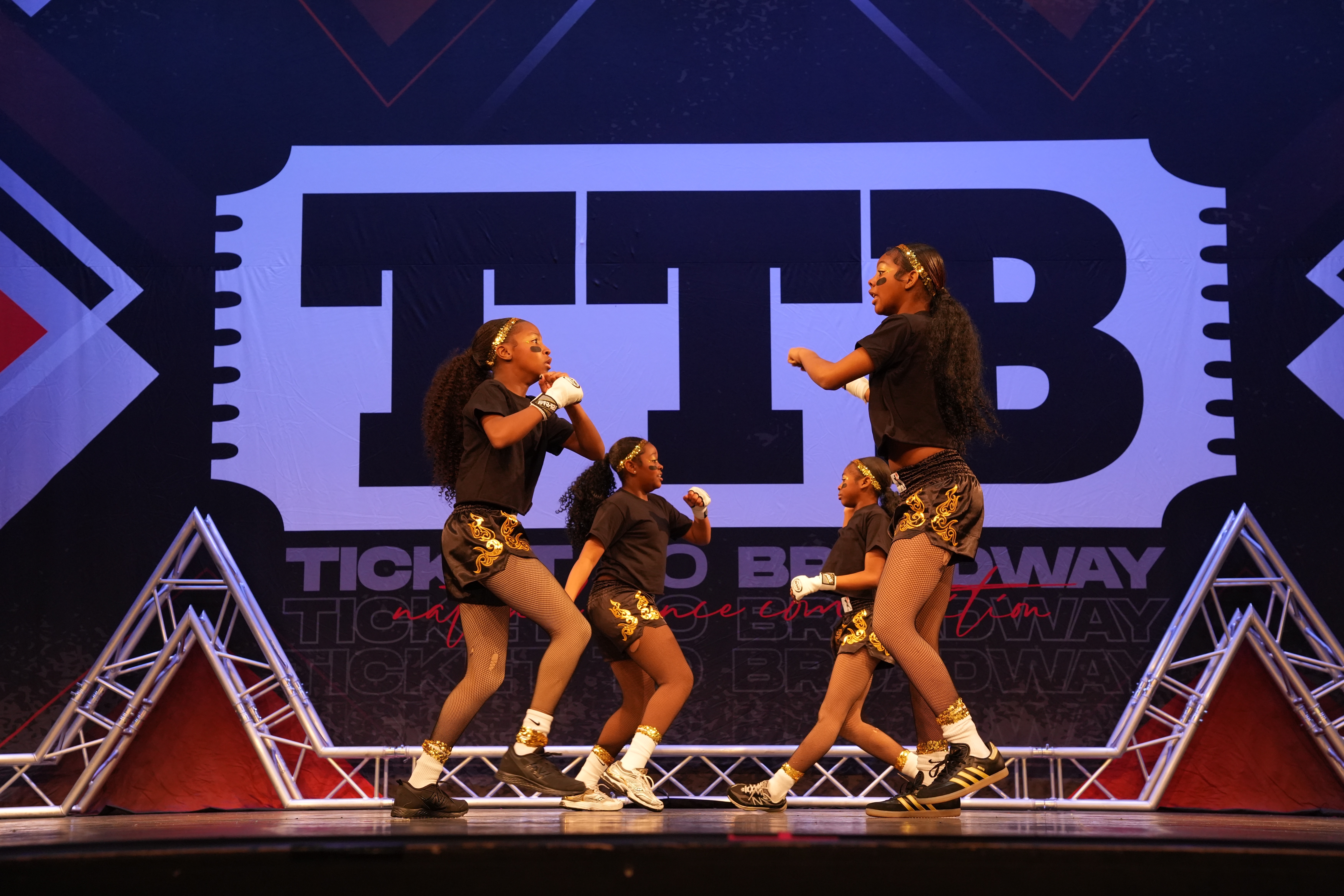
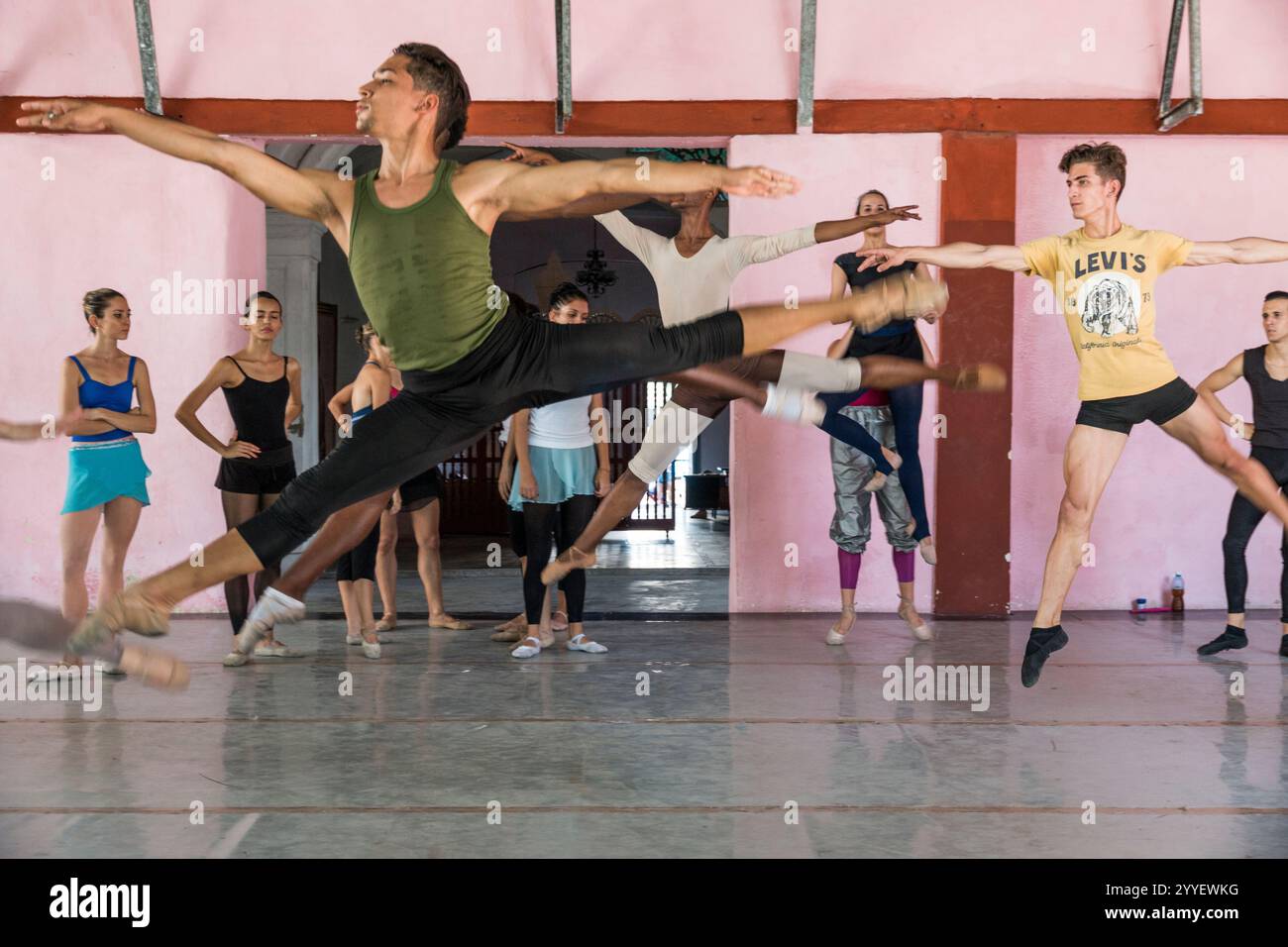
A male dancer’s journey involves balancing rigorous physical conditioning, navigating unique social perceptions, and mastering diverse technical disciplines to achieve professional viability. Success requires consistent training from a young age, adaptability across dance genres, and a clear understanding of the industry's evolving demands regarding performance, artistry, and physical longevity.
The Foundations of Early Training and Technical Mastery
For many, the journey begins in late childhood or early adolescence, though the path is rarely linear. Unlike many other sports or arts, professional dance requires a specific, long-term developmental arc. Boys entering the studio often face a unique set of circumstances, ranging from overcoming gender-based stereotypes in recreational settings to finding mentors who can provide instruction tailored to male physiology.
The technical core of a male dancer’s journey typically relies on a foundation of ballet, regardless of whether the ultimate goal is modern, contemporary, or commercial dance. Ballet provides the biomechanical framework for strength, turnout, and spatial awareness. During the formative years, the instruction must transition from general movement to specific male-focused techniques. This includes emphasis on grand allegro—large jumps—and the development of explosive power in the legs, as well as core stability required for the complex partnering work that is a staple of professional male dance roles.
Progressing through this stage requires patience. Physical maturation significantly influences a dancer’s ability to execute certain movements. In 2026, many conservatories and dance academies have refined their curricula to ensure that young male dancers are not pushed into excessive range-of-motion exercises that could lead to injury, but rather are encouraged to develop masculine power and control that respects the individual’s natural growth.
Navigating Social and Psychological Dynamics
The male dancer’s journey is often punctuated by societal narratives that can create external pressure. Historically, boys involved in dance have faced stigma or misunderstanding in certain cultures. However, the professional landscape has shifted significantly in the 2020s. Today, male dancers are widely recognized for their high degree of athleticism and discipline, with many professional programs actively recruiting male students to address industry-wide shortages.
Developing resilience is just as critical as developing a grand jeté. Mentorship plays a vital role here. Connecting with older dancers who have successfully navigated the professional world provides young men with the psychological tools to handle the competitive nature of auditions and the inherent vulnerability of performance. Seeking out peer groups, whether in intensive summer programs or through regional dance organizations, helps prevent the sense of isolation that can sometimes affect young men in female-dominated training environments.
Professional Training Pathways and Educational Requirements
Choosing the right path for professional advancement depends largely on the intended genre. In 2026, the pathways are more diverse than ever, ranging from traditional degree-granting universities to private, conservatory-style training programs.
Comparison of Professional Training Options
| Training Type | Primary Focus | Ideal For | Typical Duration |
|---|---|---|---|
| Conservatory/Company School | Technical perfection, repertory | Aspiring company ballet dancers | 2–4 Years |
| University BFA Program | Technique, theory, pedagogy | Dancers seeking broader career options | 4 Years |
| Commercial/Freelance Intensive | Versatility, camera presence, improv | Commercial, music video, stage work | 6 Months – 2 Years |
| International Exchange | Cultural immersion, diverse technique | Advanced students seeking global reach | 1–2 Years |
For those aiming for classical companies, training at a school directly affiliated with a company is often the most direct route to an apprenticeship. These programs expose students to the specific "house style" of that company. Conversely, a Bachelor of Fine Arts (BFA) program provides a more holistic education, which is increasingly valuable for male dancers who may pivot into choreography, arts administration, or physical therapy later in their careers.
Physical Longevity and Injury Prevention
A significant component of the journey is managing the body as an instrument. The demands placed on a male dancer’s body—particularly those specializing in partnering—are intense. Repeated lifting, throwing, and catching of partners require a level of upper-body and core strength that standard dance training may not fully address.
In 2026, evidence-based practices are the standard in professional companies. Most organizations now employ or consult with physical therapists who specialize in dance medicine. Male dancers must prioritize:
- Strength and Conditioning: Incorporating resistance training that targets the posterior chain, shoulders, and core, beyond what is accomplished in the studio.
- Periodization: Monitoring training intensity to avoid over-training, especially during heavy rehearsal periods.
- Nutrition: Fueling the body for high-intensity output, with an emphasis on muscle recovery and bone density maintenance.
- Recovery Modalities: Utilizing active recovery, proper sleep hygiene, and professional bodywork to mitigate the micro-trauma associated with daily rehearsals.
The Transition to the Professional World
Moving from a training environment to a professional career involves a shift in mindset from "student" to "employee." This phase is marked by the audition process, which is inherently competitive. A male dancer’s portfolio must demonstrate not only technical ability but also versatility.
Directors and choreographers are looking for dancers who can adapt to changing styles on a dime. A male dancer who can transition from a rigid classical variation to a fluid, floor-work-heavy contemporary piece is significantly more employable. Understanding how to present oneself in an audition—both in person and through digital reels—is a critical skill. By 2026, high-quality, professional-grade digital media is often the first "audition" a director sees; therefore, investing in professional photography and video editing for a demo reel is a standard requirement for those seeking work in commercial or contemporary sectors.
Financial Considerations and Career Sustainability
The financial reality of a career in dance is complex. Compensation varies widely depending on the company, the geographic location, and the union status. Many dancers, particularly those just starting, supplement their income through teaching, fitness instruction (such as Pilates or yoga), or seasonal freelance contracts.
Understanding the business side—taxes, health insurance, and union representation—is essential for long-term survival. In many jurisdictions, professional dancers are categorized as independent contractors, which necessitates a proactive approach to financial planning. Utilizing resources from organizations like the Actors' Equity Association or other regional arts unions can provide valuable guidance on contract negotiation and minimum wage standards in the industry.
Frequently Asked Questions
Is it too late to start a dance career if I am in my late teens?
While starting young is traditional, "late" is subjective. If you have a solid foundation in athletics or movement, many contemporary and commercial programs are open to older beginners. However, classical ballet often requires earlier specialized training due to the physical adaptations needed for pointe and specific turnout requirements.
How does a male dancer improve his partnering skills?
Partnering is a skill that requires trust and communication. Begin by focusing on core stability and spatial awareness. Seek out specific partnering intensives or masterclasses where you can receive feedback on hand placements and weight distribution. Safety must always be the priority.
Do male dancers need to attend a university?
It depends on your goals. If you want to perform in top-tier classical companies, a conservatory program is often preferred. If you want a career that involves choreography, teaching at the collegiate level, or broader artistic leadership, a university BFA provides the necessary theoretical background.
How can I prevent common dance-related injuries?
Injury prevention is largely about maintenance. This includes regular strength training to support the joints, listening to your body to differentiate between "good pain" (soreness) and "bad pain" (injury), and working with qualified instructors who understand biomechanics. Never train through sharp or persistent pain.
What should be included in a professional demo reel?
A demo reel should be short—usually 2 to 3 minutes—and showcase your versatility. Include 30 seconds of classical technique, 30 seconds of contemporary/modern work, and brief snippets of acting or improvisation if relevant. Ensure the lighting is clear and you are easily identifiable in the footage.
Final Recommendation: Proactive Career Mapping
The journey of a male dancer is one of continuous growth and adaptation. To succeed, begin by mapping your goals against the realities of the industry. If you are early in your training, prioritize a well-rounded education that includes both technical rigor and somatic health. If you are entering the professional phase, treat your career as a business: maintain your physical instrument, stay current with industry trends, and network extensively. Ultimately, the most successful dancers are those who remain curious, coachable, and committed to the process of constant refinement.