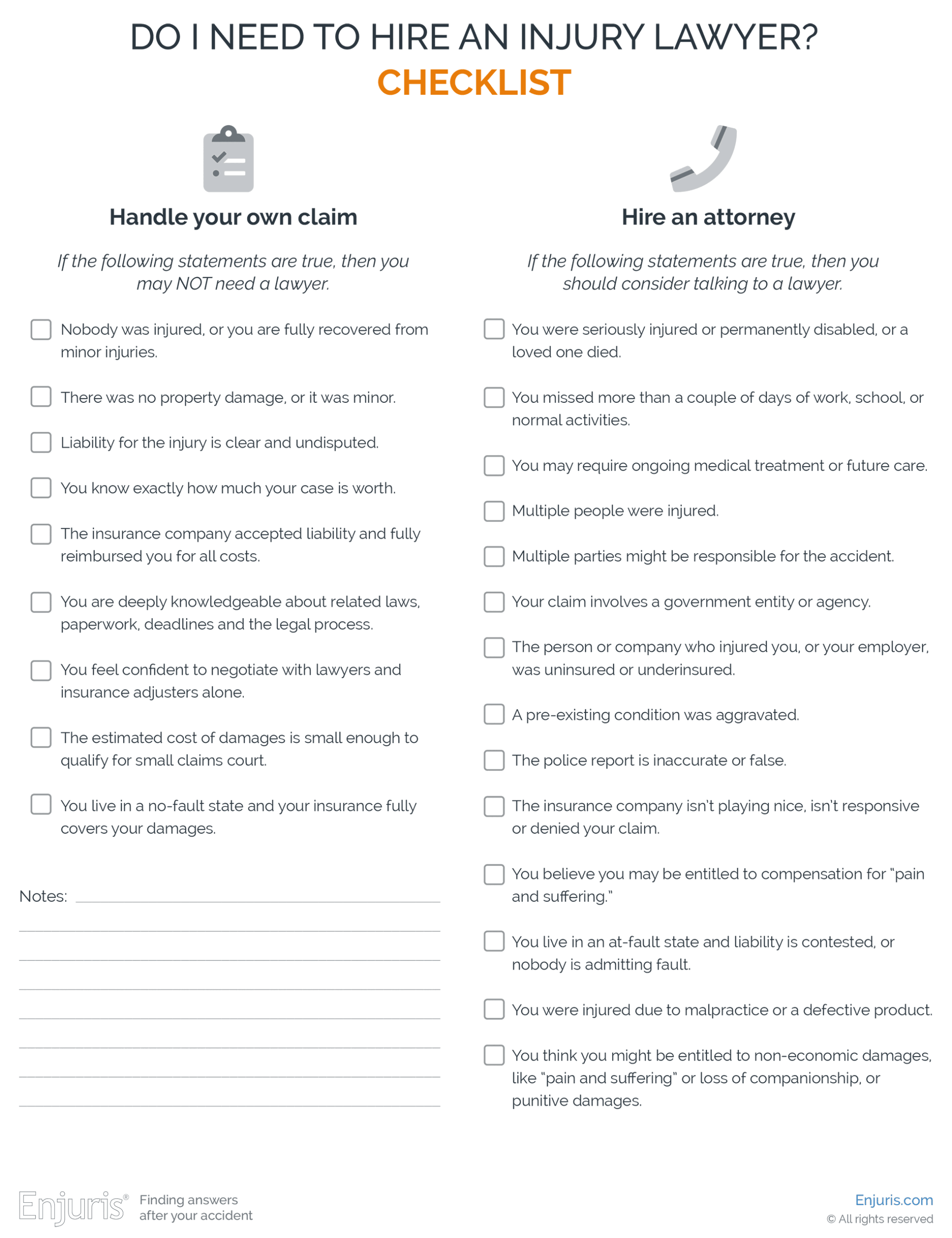
Navigating a personal injury claim requires meticulous organization, timely documentation, and strategic coordination with legal counsel. This checklist provides a framework to help you gather evidence, track medical milestones, manage financial losses, and facilitate clear communication with your attorney to ensure your case is built on a solid foundation of verifiable facts.
Immediate Post-Accident Documentation
The moments and days following an incident are critical to the viability of a legal claim. Evidence gathered early is more accurate and less susceptible to the fading memories of witnesses or the degradation of physical scenes.
Securing the Scene and Evidence
Before leaving the site of an accident, if you are physically able, capture as much data as possible. Take high-resolution photographs of the entire area, including environmental conditions, traffic control devices, and any debris. If vehicles are involved, photograph damage to all involved parties, not just your own. Obtain contact information for any bystanders who witnessed the incident, as their independent testimony is often considered more objective than that of the parties directly involved.
Official Reporting
Always file an official report with the relevant authority. For vehicle accidents, this is the police report generated by the responding officer. For injuries occurring on commercial property, insist on filing an incident report with the manager or owner on duty. Ensure you receive a copy or the report number. This document serves as the formal "record of occurrence" and acts as a primary exhibit for your attorney.
Medical Management and Records
In personal injury law, the "damages" portion of your case relies almost entirely on your medical records. Your attorney cannot argue for compensation for injuries that are not documented by licensed healthcare professionals.
The Rule of Timely Evaluation
Seek medical attention immediately, even if you feel your injuries are minor. Some conditions, such as internal trauma or soft-tissue damage, may not manifest symptoms for hours or days. A delay in seeking treatment allows the defense to argue that your injuries were not caused by the incident in question but by intervening events.
Diligent Record Keeping
Create a folder—physical or digital—dedicated specifically to your medical journey. This should include:
- Provider Information: Names, addresses, and specialties of every doctor, therapist, or chiropractor seen.
- Treatment Summaries: Detailed notes on the procedures performed, medications prescribed, and referrals made.
- Symptom Journals: A daily log detailing your pain levels, functional limitations, and emotional distress. This provides a narrative of your "pain and suffering," which is difficult to quantify without personal documentation.
- Billing Statements: Copies of all invoices and receipts for co-pays, prescription costs, medical equipment, and travel expenses related to appointments.
Financial Impact and Lost Earnings
Personal injury claims aim to restore the plaintiff to the financial position they held before the injury. To achieve this, your attorney needs a clear view of your economic losses.
Tracking Lost Wages
If your injury prevents you from working, your attorney will need to calculate both past and future lost earnings. Maintain a log of every shift missed. Request a formal letter from your employer on company letterhead confirming your position, hourly rate or salary, and the specific hours or days of work missed due to medical necessity.
Documenting Related Expenses
You may incur secondary costs that are often overlooked. Keep receipts for childcare required due to your inability to perform daily tasks, home modifications (such as wheelchair ramps), and housekeeping services. These "out-of-pocket" expenses are often reimbursable as part of a settlement or judgment.
Coordination with Legal Counsel
Once you have retained a personal injury attorney, your role shifts from investigator to collaborator. Providing accurate, timely information to your legal team is the most effective way to strengthen your position.
Communication Guidelines
Maintain a dedicated channel for legal correspondence. Avoid discussing your case on social media or with anyone other than your attorney. Statements made to third parties—even in casual conversation—can be used as evidence against you in court. Direct all inquiries from insurance adjusters or investigators to your attorney's office.
The Information Exchange Table
The following table outlines the key categories of documentation you should be prepared to provide to your attorney during the initial discovery phase.
| Category | Essential Documentation | Purpose |
|---|---|---|
| Incident Data | Police reports, photos, witness lists | Establishes liability and facts |
| Medical History | Billing records, MRI/CT scans, doctor notes | Quantifies physical injuries |
| Financial Loss | Pay stubs, tax returns, receipt logs | Calculates economic damages |
| Correspondence | Insurance letters, emails with adjusters | Tracks claim status and disputes |
| Daily Impact | Pain journals, mobility logs | Proves non-economic suffering |
Managing Insurance Interactions
You will likely be contacted by insurance adjusters representing the at-fault party. Their primary objective is often to resolve the claim for the lowest possible amount.
Best Practices for Interaction
- Refuse Recorded Statements: You are generally not legally obligated to provide a recorded statement to the opposing party's insurance company without your attorney present.
- Do Not Accept Early Settlements: Initial offers are frequently based on incomplete information regarding your long-term recovery. Premature acceptance can waive your right to seek further compensation if your condition worsens.
- Verify Authorization: Ensure that any medical release forms you sign are limited in scope to the injuries related to the incident. Do not sign "blanket" authorizations that allow insurance companies to access your entire lifetime medical history.
Common Pitfalls to Avoid
Even with strong evidence, cases can be compromised by the actions of the claimant. Be aware of these common mistakes:
- Gaps in Treatment: Skipping appointments or failing to follow a doctor's orders suggests to a jury or judge that your injuries are not as severe as you claim.
- Social Media Activity: Posting photos or videos of physical activity that contradicts your injury claims can be devastating to your case. Assume that everything you post is public and discoverable.
- Inconsistent Statements: Ensure the facts you provide to your medical team regarding how the injury happened match the facts provided in your police report and to your attorney.
Frequently Asked Questions
What should I do if I cannot afford my medical bills while waiting for a settlement?
Discuss this with your attorney immediately. In some cases, attorneys can assist in arranging a "letter of protection" with medical providers, which ensures payment is made directly from the settlement proceeds once the case is resolved.
How long does a personal injury claim typically take to resolve?
There is no standard timeline. Simple claims may resolve in a few months, while complex cases involving severe injury or disputed liability can take years. Factors such as the jurisdiction, the willingness of the insurer to negotiate, and the time required to reach "maximum medical improvement" (MMI) significantly influence the duration.
Can I settle my claim without a lawyer?
While possible, it is rarely advisable for significant injuries. Insurance companies typically offer lower settlements to unrepresented claimants because they recognize that the claimant lacks the leverage of potential litigation. An attorney provides the technical expertise to value the claim accurately.
What is "comparative negligence"?
Many jurisdictions use comparative negligence laws, which reduce your financial recovery by the percentage you were at fault for the incident. For example, if you are found 20% at fault, your potential damages might be reduced by that same percentage. Your attorney will work to minimize the evidence of your comparative fault.
Final Recommendation
Your personal injury claim is a professional project that requires the same level of organization as a business endeavor. Start by centralizing all documents related to the incident in a single, secure location. Immediately consult with a qualified personal injury attorney to establish a communication protocol and ensure that your efforts in evidence collection align with the legal strategy necessary to maximize your recovery.