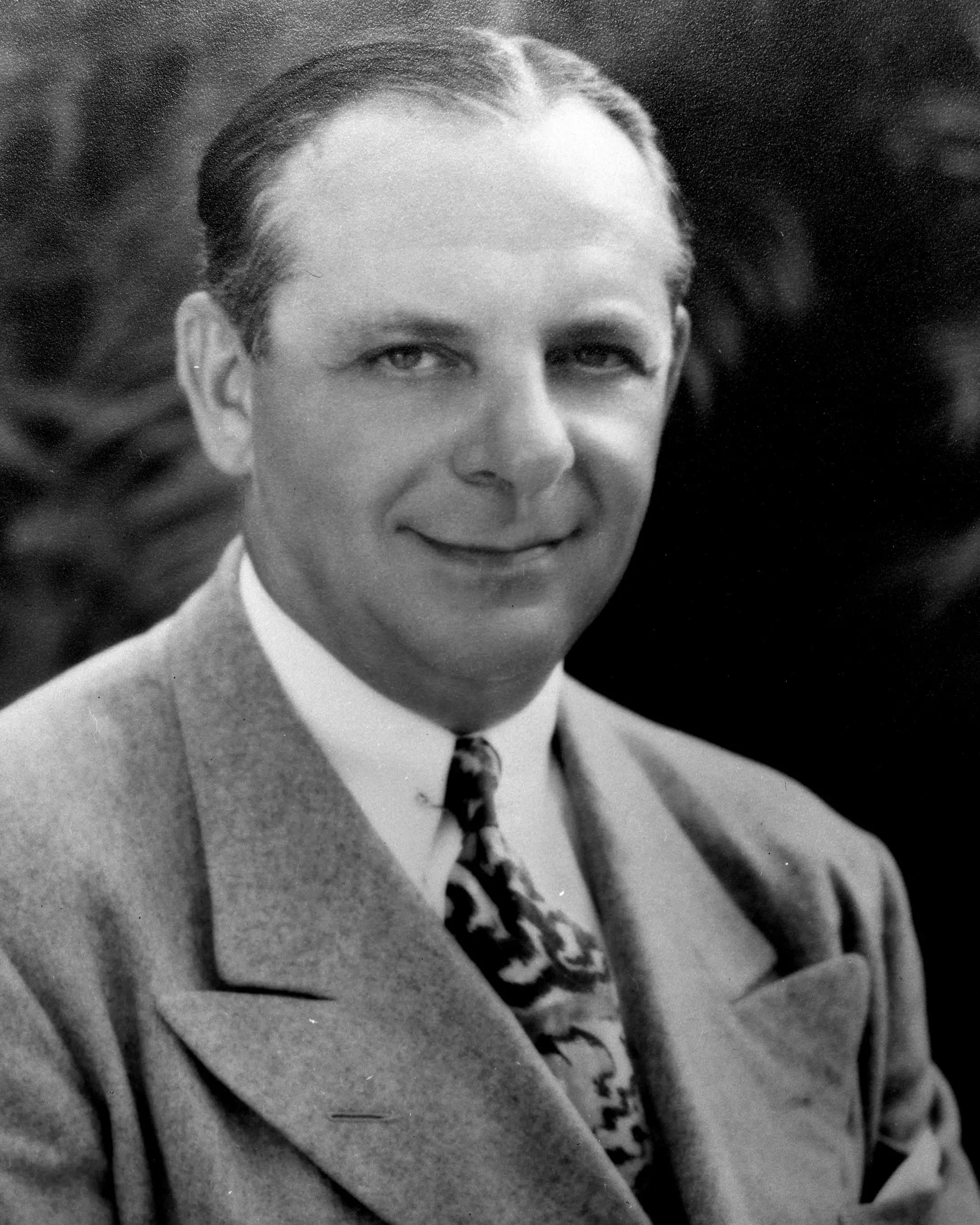
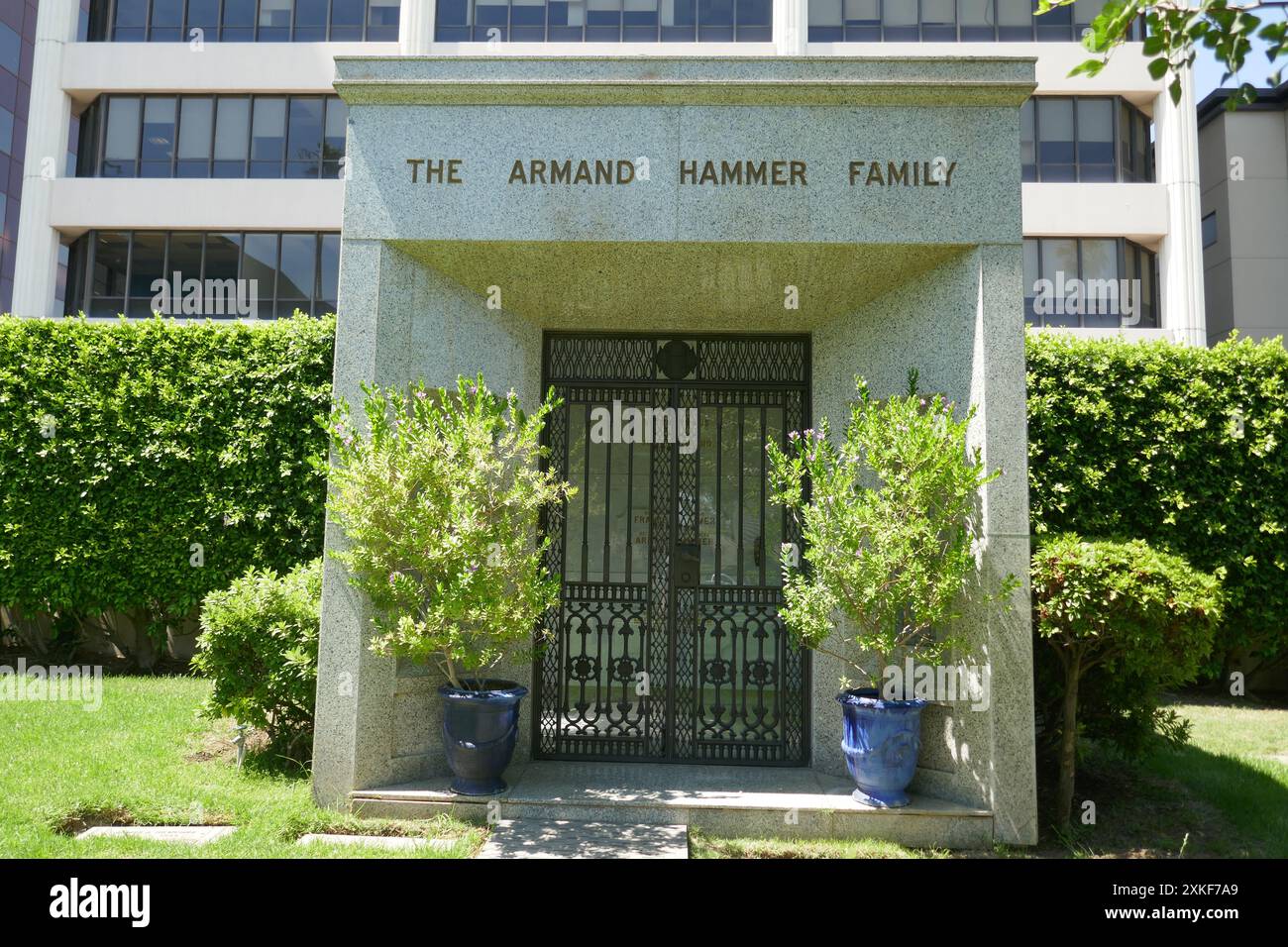
At the time of his death in December 1990, Armand Hammer’s personal net worth was estimated to be between $40 million and $100 million, though his estate was immediately beset by claims exceeding $600 million. While he controlled the multi-billion dollar Occidental Petroleum, his personal liquidity was significantly lower than his public persona as a billionaire suggested.
The financial legacy of Armand Hammer is a study in the distinction between corporate control and personal ownership. For decades, Hammer was the face of Occidental Petroleum (Oxy), a company he transformed from a tax shell into one of the largest oil enterprises in the United States. However, the "Armand Hammer family net worth for 1990" is a complex figure because much of his perceived wealth was inextricably linked to corporate assets, art collections with disputed titles, and a lifestyle funded largely by the company he chaired.
The Discrepancy Between Public Image and Private Reality
To understand the Hammer family’s financial standing in 1990, one must look past the headlines of the era. Hammer was frequently described in the media as a billionaire, a label he did little to discourage. He traveled the globe in a private jet dubbed the Oxy One, met with world leaders from the Soviet Union to the Vatican, and amassed an art collection of global significance.
In reality, his personal ownership of Occidental Petroleum stock was surprisingly modest. By 1990, he held less than 1% of the company's outstanding shares. His power came not from equity, but from his iron-clad grip on the board of directors and his role as the visionary (and often controversial) chairman. When he passed away on December 10, 1990, the probate court filings revealed a financial picture that was far more precarious than the public imagined.
The Composition of the 1990 Estate
The primary assets attributed to Armand Hammer and his family at the end of 1990 included:
- Occidental Petroleum Stock: His remaining shares were valued in the tens of millions, but they were a fraction of the company's total market capitalization.
- The Art Collection: Including the "Codex Hammer" (a Leonardo da Vinci manuscript) and works by Rembrandt and Renoir. While valued at hundreds of millions, many of these pieces were pledged to the Armand Hammer Museum of Art and Cultural Center.
- Real Estate: Holdings in Los Angeles and various international properties.
- Personal Ventures: Interests in various subsidiary businesses and historical ventures dating back to his time in the Soviet Union.
Occidental Petroleum: The Engine of Influence
Armand Hammer’s wealth cannot be discussed without the context of Occidental Petroleum. Hammer took over the struggling company in the late 1950s. By 1990, the year of his death, Occidental had annual revenues exceeding $20 billion.
Hammer used the company as a vehicle for "citizen diplomacy." His ability to negotiate oil deals in Libya and maintain a unique relationship with the Kremlin provided him with a level of geopolitical influence that few private citizens have ever matched. However, this influence came at a cost to shareholders. In the years leading up to 1990, Occidental spent hundreds of millions of dollars on Hammer’s personal interests, including the construction of the Hammer Museum in Los Angeles and the publication of his autobiography.
Corporate Spending and Shareholder Rebellions
By 1990, shareholder activists were increasingly vocal about the "Hammer Tax"—the perceived waste of corporate funds on the chairman’s vanity projects. A 1990 settlement of a shareholder lawsuit limited the amount Occidental could spend on the Hammer Museum, a significant blow to Hammer’s plan for his legacy. This legal environment meant that upon his death, the family could not easily rely on corporate resources to settle personal debts or maintain the Hammer lifestyle.
The Value of the Art Collection and the Codex Hammer
One of the most significant components of the Hammer family’s perceived net worth in 1990 was the art collection. Hammer had spent decades acquiring masterpieces. The crown jewel was the Codex Hammer, a 72-page scientific journal written by Leonardo da Vinci.
Hammer purchased the manuscript in 1980 for $5.12 million and renamed it after himself. By 1990, its value had ballooned. Following his death, the estate’s need for liquidity became so dire that the Codex was eventually sold at auction in 1994 for $30.8 million to Bill Gates (who renamed it the Codex Leicester).
The status of the rest of the collection was equally complicated. While Hammer intended for the art to reside in his namesake museum, his death sparked a series of legal battles over whether the art belonged to the estate, the museum, or was effectively purchased by Occidental Petroleum through its massive subsidies of the museum's construction.
The 1990 Estate Valuation and Liabilities
When the dust settled on the initial probate filings in late 1990 and early 1991, the gross value of Hammer's estate was estimated at approximately $40.7 million. However, this figure did not account for the staggering volume of claims filed against the estate.
| Asset/Liability Category | Estimated Value (1990/91 USD) | Notes |
|---|---|---|
| Occidental Petroleum Shares | ~$15 Million | Personal holdings at time of death. |
| Real Estate Holdings | ~$10 Million | Primarily Los Angeles residential property. |
| Art and Personal Property | ~$15 Million | Disputed ownership between estate and museum. |
| Total Gross Estate | $40.7 Million | Official probate estimate. |
| Creditor Claims | $600+ Million | Included claims from the Hammer Museum and Oxy. |
| Net Estate Value | Negligible/Negative | After litigation and debt settlement. |
The massive discrepancy between the $40 million in assets and $600 million in claims was the result of numerous lawsuits. The most notable claim came from the Armand Hammer Museum itself, which sought $120 million to cover the endowment Hammer had promised but failed to provide before his death.
The Hammer Family Heirs and the Shift in Wealth
In 1990, the primary heirs to the Hammer legacy were his son, Julian Hammer, and his grandson, Michael Armand Hammer. Because of the contentious nature of Armand's will and the overwhelming debt of the estate, the "inheritance" was less a windfall of cash and more a complex management of legal entities and remaining business interests.
Michael Hammer and the Foundation
Michael Hammer became the primary executor and the individual responsible for navigating the post-1990 legal landscape. He took control of the Armand Hammer Foundation and remained involved in Occidental Petroleum as a consultant for a period. Michael’s strategy involved settling the massive claims by selling off assets, including the Codex and portions of the art collection, to ensure the family remained financially stable even as Armand’s personal fortune evaporated.
The Role of Julian Hammer
Julian Hammer, Armand’s only son, had a famously strained relationship with his father. By 1990, he was largely sidelined from the core business operations. His portion of the 1990 net worth was subject to the same legal entanglements as the rest of the family, and he did not assume a leadership role in Occidental or the foundation.
Legal Challenges and the "Citizen Diplomat" Legacy
The year 1990 was also the year the public learned about the darker side of Hammer’s financial dealings. Investigations revealed that Hammer had used a network of offshore accounts and complex charitable structures to fund his activities.
The Internal Revenue Service (IRS) and other regulatory bodies scrutinized the estate for potential unpaid taxes. Furthermore, Hammer’s history with the Soviet Union—dating back to the 1920s—led to questions about the true origin of some of his art and cash reserves. While these didn't always result in direct deductions from the 1990 net worth, they added a layer of legal expense that eroded the remaining assets.
Comparative Wealth: 1990 vs. 2026 Perspective
From the perspective of 2026, the 1990 net worth of the Hammer family illustrates a classic case of "paper wealth" versus "real wealth."
- Inflation Adjustment: The $40 million estate in 1990 would be equivalent to approximately $95 million in 2026 dollars. While a significant sum, it is far from the "billionaire" status often attributed to him.
- Asset Performance: Had the family been able to retain the Codex Hammer, its value in 2026 would likely exceed $100 million based on the appreciation of rare historical artifacts.
- Corporate Legacy: Occidental Petroleum continues to be a major player in the energy sector in 2026, but the Hammer family no longer holds a significant stake or influence in the company, a process that began almost immediately after the transition in 1990.
Common Misconceptions About the Hammer Fortune
One of the most persistent myths is that the Hammer family's wealth came from the Arm & Hammer baking soda brand (Church & Dwight). In a twist of fate, Armand Hammer was so frequently asked about the connection that he eventually bought a significant stake in Church & Dwight and joined its board. However, this was a strategic investment made late in his life, not the source of the family’s original fortune.
By 1990, his stake in Church & Dwight was one of the cleaner assets in his portfolio, but it was not enough to offset the massive liabilities facing the rest of his estate.
Frequently Asked Questions
Was Armand Hammer a billionaire when he died in 1990?
No. While he was often referred to as a billionaire because of the size of the company he controlled (Occidental Petroleum), his personal net worth in 1990 was officially valued at approximately $40.7 million in probate filings. After accounting for debts and hundreds of millions in legal claims, the net value of his estate was actually near zero or negative for several years following his death.
Who inherited the Hammer family fortune in 1990?
The primary beneficiary was his grandson, Michael Armand Hammer, who also served as the administrator of the estate and the Armand Hammer Foundation. His son, Julian Hammer, received a smaller portion. However, the "inheritance" was mostly composed of legal rights to assets that were tied up in litigation for years.
What happened to the Codex Hammer after 1990?
The Codex Hammer was the most valuable liquid asset in the estate. Due to the massive claims against Armand Hammer's estate, it was put up for auction at Christie's in 1994. It was purchased by Bill Gates for $30.8 million, who changed the name back to its original title, the Codex Leicester.
How much was Occidental Petroleum worth in 1990?
In 1990, Occidental Petroleum was a massive global corporation with annual revenues of roughly $20 billion. Despite the company's size, Armand Hammer personally owned less than 1% of the shares at the time of his death, which is why his personal net worth was much lower than the company's valuation.
Did the Hammer family lose their wealth after 1990?
The family did not become impoverished, but the "mega-wealth" associated with Armand Hammer's peak years was significantly diminished by legal battles. Michael Hammer was able to preserve enough assets through the Armand Hammer Foundation and other private investments to maintain a high level of wealth, which eventually supported the lifestyle and careers of the next generation, including actor Armie Hammer.
Summary of the Financial Transition
The year 1990 marked the end of an era for the Hammer family. The transition from Armand Hammer’s personal rule of Occidental Petroleum to the probate of his estate revealed a financial structure built more on influence and corporate perks than on actual liquid billions. While the Hammer name remained synonymous with high society and the arts, the actual family net worth in 1990 was a fraction of what the public had been led to believe, characterized more by legal complexity and debt than by a massive cash windfall.
Next Steps for Researchers: To verify specific probate outcomes, one should consult the Los Angeles County Superior Court records from 1991–1994, which detail the final settlement of the Hammer estate and the resolution of the claims made by Occidental Petroleum and the Hammer Museum.