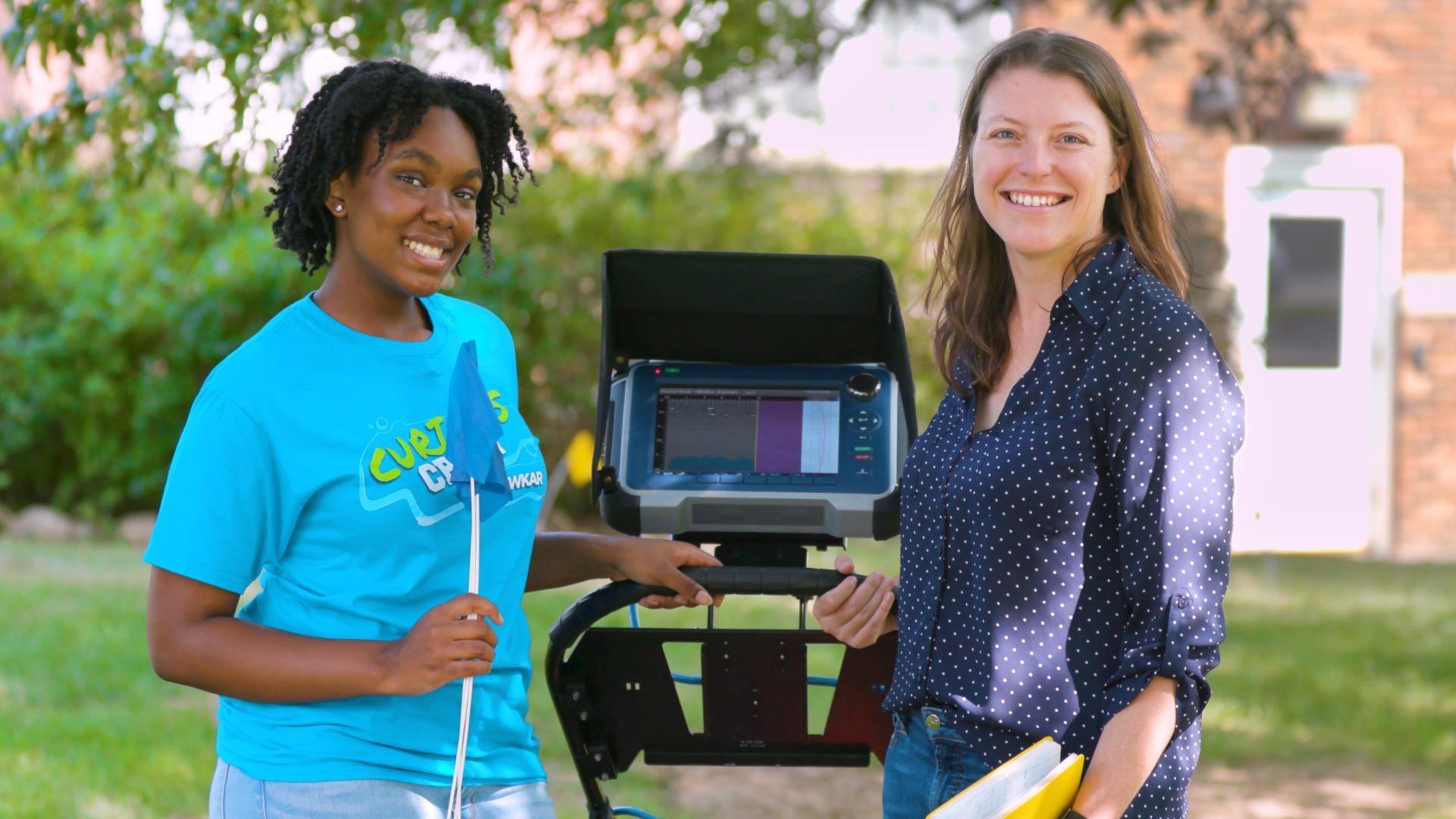
To pursue a professional career in archaeology, a structured educational path is mandatory. Entry-level technician roles require a minimum of a bachelor’s degree in anthropology or archaeology, while a master's degree is the industry standard for project management and lead researcher positions. Success in 2026 demands a combination of academic theory, rigorous field school training, and proficiency in digital spatial technologies.
Archaeology is far more than the romanticized "treasure hunting" depicted in popular media; it is a rigorous scientific discipline dedicated to the recovery and analysis of material remains to understand human history. In 2026, the field has evolved significantly, integrating advanced remote sensing, genomic analysis, and sophisticated data science. Consequently, the education required for these careers must bridge the gap between traditional excavation techniques and high-tech laboratory analysis.
The Academic Foundation: Undergraduate Degrees
The journey begins with an undergraduate degree, typically a Bachelor of Arts (BA) or Bachelor of Science (BS) in Anthropology with a concentration in Archaeology. In the United States, archaeology is considered one of the four subfields of anthropology, alongside biological anthropology, linguistic anthropology, and sociocultural anthropology. This holistic approach ensures that students understand human culture and evolution before narrowing their focus to material remains.
BA vs. BS in Archaeology
While both degrees are respected, they offer slightly different trajectories. A BA often emphasizes the humanities, history, and social theory, which is excellent for museum work or heritage management. A BS usually requires more coursework in hard sciences, such as biology, chemistry, and geology, making it ideal for those interested in bioarchaeology, zooarchaeology, or geoarchaeology.
During these four years, students should focus on:
- Core Method and Theory: Understanding the history of archaeological thought and the scientific methods used to form hypotheses.
- World Prehistory: Gaining a broad understanding of human development across different continents.
- Laboratory Methods: Learning how to clean, catalog, and preserve artifacts such as lithics (stone tools), ceramics, and organic remains.
The Critical Role of the Archaeological Field School
No degree is complete without a field school. This is a hands-on, intensive training program—usually lasting four to eight weeks during the summer—where students learn the practical aspects of excavation. A field school is essentially a professional prerequisite; without it, most firms will not consider an applicant for even the most basic field technician position.
What to Expect in Field School
Field schools are physically demanding and require students to live and work in the field. You will learn how to set up a site grid using a total station or GPS, how to use a trowel and shovel with precision, and how to record stratigraphic layers. Data recording is perhaps the most vital skill taught; in archaeology, "digging is destruction," so the meticulous documentation of an artifact’s context (its exact location in three-dimensional space) is what separates archaeology from looting.
When choosing a field school in 2026, look for programs accredited or recognized by organizations like the Society for American Archaeology (SAA) or the Register of Professional Archaeologists (RPA). These organizations ensure that the training meets ethical and scientific standards.
Graduate Education: The Master’s and PhD Tracks
For most practitioners, the Master’s degree (MA or MS) is the terminal professional degree. In the private sector, specifically in Cultural Resource Management (CRM), a Master’s degree is required to meet the Secretary of the Interior’s Professional Qualification Standards. This qualification allows you to serve as a Principal Investigator (PI) or Project Manager, enabling you to sign off on legal reports and lead large-scale excavations.
The Master of Arts (MA) vs. Master of Science (MS)
- MA Programs: Often focus on cultural history, public archaeology, and heritage management. These are well-suited for those aiming for roles in state government or non-profit organizations.
- MS Programs: Tend to focus on technical specializations like Geographic Information Systems (GIS), stable isotope analysis, or digital curation.
The Doctorate (PhD)
A PhD is primarily necessary for those seeking a career in academia (university professorships) or high-level research positions at major museums and international agencies. It involves four to seven years of additional study beyond the Master’s, culminating in original research and a dissertation. If your goal is to manage a CRM firm or work for the National Park Service (NPS), a Master’s degree is often a more efficient and practical investment.
Specializations and Technical Proficiency in 2026
The "generalist" archaeologist is becoming a rarity. To be competitive in the 2026 job market, students must develop a niche specialization. These specializations are often determined during graduate school through elective coursework and thesis research.
Cultural Resource Management (CRM)
CRM is the largest employer of archaeologists in the United States. This sector focuses on compliance with environmental and historic preservation laws, such as the National Historic Preservation Act (NHPA). Education for a CRM career must include coursework in "Public Archaeology" and "Heritage Law," as these professionals spend as much time navigating legal frameworks as they do in the dirt.
Digital Archaeology and GIS
In 2026, Geographic Information Systems (GIS) proficiency is no longer optional. Employers expect archaeologists to be able to manage large spatial datasets, create predictive models of site locations, and use Lidar (Light Detection and Ranging) data to identify hidden features beneath forest canopies.
Bioarchaeology and Forensic Archaeology
These specialists study human remains to understand past health, diet, and migration patterns. This requires a deep educational background in human osteology, anatomy, and sometimes ancient DNA (aDNA) analysis.
Comparison of Career Tiers and Educational Requirements
The following table outlines the typical progression in the archaeology field as of 2026.
| Job Title | Minimum Education | Primary Responsibilities | Average Salary Range (USD) |
|---|---|---|---|
| Field Technician | Bachelor's Degree + Field School | Manual excavation, screening soil, and artifact processing. | $40,000 – $55,000 |
| Crew Chief | Bachelor's + 2 years experience | Supervising small teams, mapping, and basic site reporting. | $50,000 – $65,000 |
| Project Manager / PI | Master’s Degree (MA/MS) | Budgeting, legal compliance, writing final reports, and site oversight. | $70,000 – $95,000 |
| University Professor | PhD | Teaching, publishing original research, and securing grants. | $65,000 – $120,000+ |
| State Archaeologist | Master’s or PhD | Managing state-wide heritage programs and legislative advising. | $80,000 – $110,000 |
Essential Skills Beyond the Classroom
While degrees provide the framework, certain "soft" and technical skills are vital for career longevity.
- Technical Writing: Archaeologists are essentially professional writers. Every excavation results in a report that must be clear, concise, and legally defensible. Courses in technical writing or scientific communication are highly recommended.
- Physical Stamina: Archaeology is grueling. You may spend weeks hiking through remote areas, carrying heavy equipment, and working in extreme weather conditions.
- Indigenous Consultation and Ethics: Modern archaeology requires a respectful partnership with descendant communities. Education should include training in the Native American Graves Protection and Repatriation Act (NAGPRA) and global ethical standards regarding cultural heritage.
- Data Management: With the rise of digital recording, knowing how to manage databases and ensure long-term digital preservation is a key skill for museum and CRM work.
Financial Planning for Archaeological Education
One of the most significant hurdles in archaeology is the cost of education relative to entry-level salaries. Prospective students must be strategic about funding.
- Undergraduate: Utilize state schools with strong anthropology departments to keep costs low.
- Graduate: Seek "funded" programs. Many MA and PhD programs provide a tuition waiver and a monthly stipend in exchange for working as a Teaching Assistant (TA) or Research Assistant (RA). Never pay full price for a PhD in archaeology; if a program does not offer funding, it is often a sign of low institutional support for your research.
- Field School Grants: Organizations like the Archaeological Institute of America (AIA) offer scholarships specifically to help students cover the costs of field schools.
FAQs
Is a PhD necessary to be a successful archaeologist?
No. For the majority of careers, particularly in the private sector (CRM) and government agencies, a Master’s degree is the standard. A PhD is only necessary if you intend to become a university professor or a lead researcher at a major international institution. Most archaeologists find a Master's degree provides the best return on investment.
What is the most important skill for an archaeologist in 2026?
Beyond basic excavation, GIS (Geographic Information Systems) is the most sought-after technical skill. The ability to map sites digitally and analyze spatial data is critical for modern heritage management and research.
Can I get an archaeology job with just a Bachelor's degree?
Yes, but you will likely be limited to "Field Technician" roles. These positions are often seasonal or project-based and involve significant travel. To advance to a permanent salary position with benefits and leadership responsibilities, a Master's degree is almost always required.
How do I find a reputable field school?
Look for programs listed on the websites of the Society for American Archaeology (SAA) or the Archaeological Institute of America (AIA). Ensure the field school offers credit through an accredited university and that the instructors are active, published researchers or RPA-certified professionals.
Are there archaeology jobs outside of "digging"?
Absolutely. Many archaeologists work in lab analysis, museum curation, heritage policy, archival research, and digital modeling. Some specialize in "desk-based assessments," where they use historical records and satellite imagery to evaluate land for archaeological potential without ever picking up a shovel.
Final Recommendations for Aspiring Archaeologists
To succeed in the 2026 landscape, focus your education on a blend of tradition and technology. Complete your undergraduate degree with a strong focus on anthropology, and treat your field school as a professional audition. If you decide to pursue the field seriously, aim for a funded Master's program that offers specialized training in GIS or lab methods. Finally, stay active in professional organizations; networking within the SAA or RPA is often the most effective way to transition from a student to a career professional.