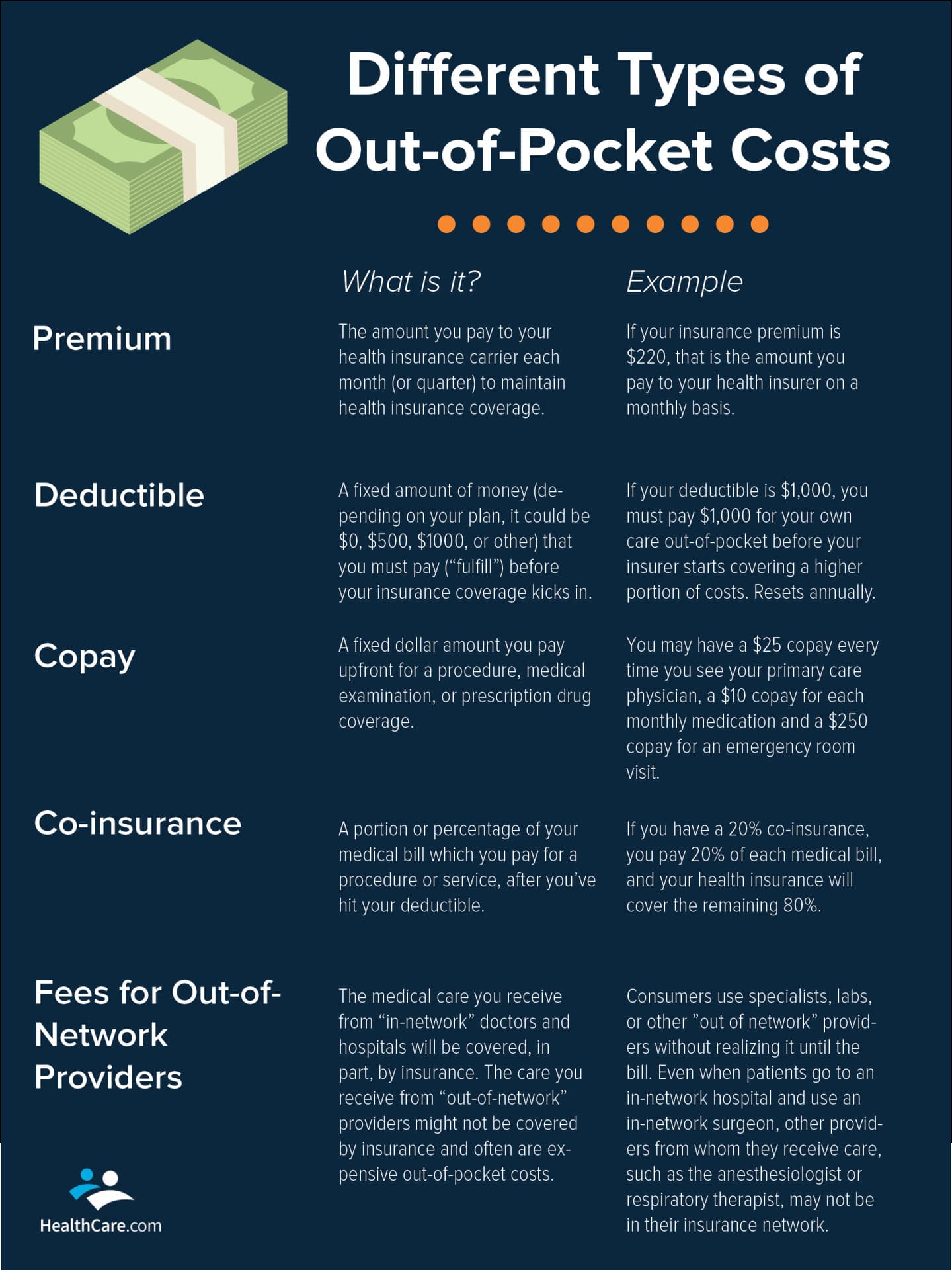
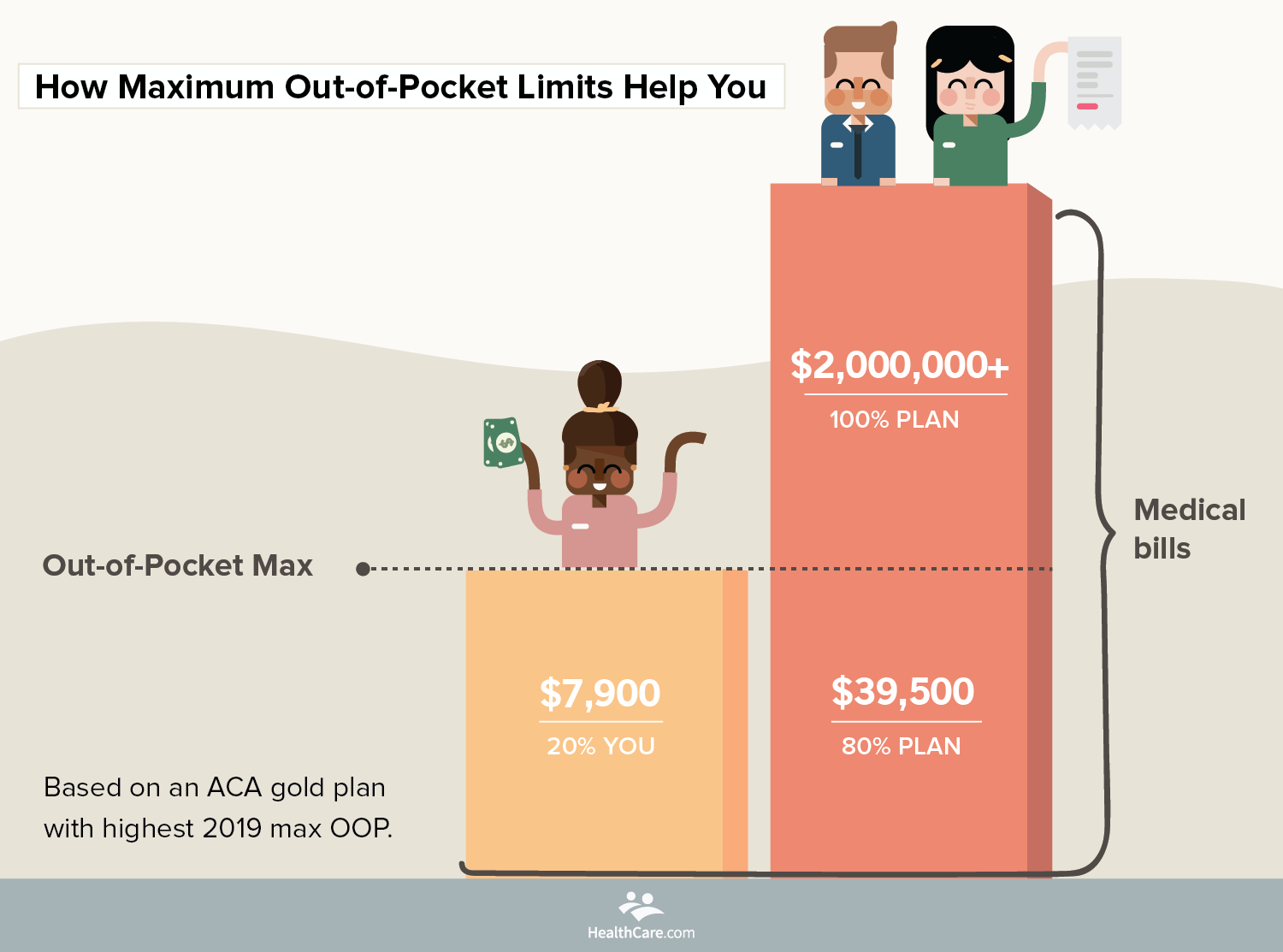
In an Anthem Blue Cross Blue Shield health insurance plan, the deductible is the initial amount you pay for covered medical services before your insurance begins to share costs. The out-of-pocket maximum is the absolute limit on what you will pay for covered in-network care during the 2026 plan year, after which Anthem pays 100% of your remaining covered expenses.
Understanding the distinction between these two financial thresholds is essential for managing your healthcare budget and choosing the right plan during open enrollment. While they both represent your financial responsibility, they function at different stages of your care journey. The deductible is the "starting line" for insurance coverage, while the out-of-pocket maximum is the "safety net" that prevents catastrophic financial loss.
Understanding the Anthem Deductible: Your Initial Responsibility
The deductible represents the fixed dollar amount you must pay out of your own pocket for most covered services before Anthem begins to pay its share. For the 2026 plan year, deductibles vary widely depending on whether you are enrolled in a Bronze, Silver, Gold, or Platinum plan, or a High Deductible Health Plan (HDHP).
How the Anthem Deductible Functions
When you visit a doctor or receive a medical service that is subject to the deductible, the provider bills Anthem. Anthem then applies their "negotiated rate"—a discounted price agreed upon by the insurer and the provider. You are responsible for paying this negotiated rate until the total of these payments reaches your plan’s deductible limit.
It is important to note that not all services require you to meet the deductible first. Under the Affordable Care Act (ACA), which remains the standard for 2026, most preventive services—such as annual wellness exams, certain screenings, and vaccinations—are covered at 100% by Anthem from day one, provided you see an in-network provider.
Common Services Subject to the Deductible
In most Anthem plans, the following services typically count toward your deductible:
- Diagnostic imaging (MRIs, CT scans, X-rays).
- Inpatient hospital stays and surgeries.
- Emergency room visits (depending on the specific plan design).
- Outpatient procedures.
- Specialist visits (if the plan is not a copay-based HMO).
The Role of Copayments vs. Deductibles
Many Anthem plans utilize copayments—fixed fees (e.g., $30) for specific services like primary care visits or generic prescriptions. In many traditional PPO or HMO plans, these copayments apply even before you have met your deductible. However, if you are on an Anthem HDHP, you generally must pay the full negotiated rate for all non-preventive services until the deductible is satisfied.
The Out-of-Pocket Maximum: Your Financial Safety Net
The out-of-pocket maximum is the most you could have to pay for covered, in-network services in a single plan year. This feature is designed to protect members from the high costs associated with chronic illness, major surgery, or serious accidents.
What Is Included in the Maximum?
Once you reach this limit, Anthem covers 100% of the cost for all covered in-network medical and pharmacy services for the remainder of the 2026 calendar year. The following expenses contribute toward your out-of-pocket maximum:
- Your Deductible: Every dollar you pay toward your deductible also counts toward your out-of-pocket maximum.
- Coinsurance: The percentage (e.g., 20%) you pay for services after the deductible is met.
- Copayments: The fixed fees you pay for doctor visits or prescriptions.
What Is Excluded from the Maximum?
It is a common misconception that the out-of-pocket maximum covers every health-related expense. The following do not count toward your maximum and you must continue to pay them even after the limit is reached:
- Monthly Premiums: The cost of keeping your insurance active is never counted toward the out-of-pocket limit.
- Out-of-Network Charges: If you see a provider who does not participate in the Anthem network, the "balance billing" or the difference between Anthem's allowed amount and the provider's charge does not count toward your in-network maximum.
- Non-Covered Services: Elective cosmetic surgery, adult dental or vision (unless specified), and alternative therapies that are not covered benefits.
The Financial Journey: From $0 to the Out-of-Pocket Maximum
To visualize how an Anthem plan works throughout 2026, it is helpful to view the payment process in three distinct phases.
Phase 1: The Deductible Phase
In this phase, you pay 100% of the negotiated rate for covered services.
- Example: You have a $2,000 deductible. You have a $500 diagnostic test. You pay $500. You now have $1,500 remaining on your deductible.
Phase 2: The Coinsurance Phase
Once your $2,000 deductible is met, you enter the coinsurance phase. Here, Anthem shares the cost with you.
- Example: Your plan has 20% coinsurance. You have a $1,000 procedure. You pay $200 (20%) and Anthem pays $800 (80%). Your $200 payment counts toward your out-of-pocket maximum.
Phase 3: The 100% Coverage Phase
You continue in the coinsurance phase until your total spending (deductible + coinsurance + copays) reaches the out-of-pocket maximum.
- Example: Your out-of-pocket maximum is $8,000. Once your total spending hits $8,000, Anthem pays 100% of all covered in-network costs for the rest of 2026.
| Feature | Anthem Deductible | Anthem Out-of-Pocket Maximum |
|---|---|---|
| Primary Purpose | The amount you pay before insurance kicks in. | The "ceiling" or most you will pay in a year. |
| Included Costs | Negotiated rates for covered medical services. | Deductible + Coinsurance + Copayments. |
| Premiums Included? | No. | No. |
| Pharmacy Costs | Often subject to a separate or combined deductible. | Almost always count toward the total max. |
| 2026 Role | Determines immediate out-of-pocket costs. | Protects against catastrophic health costs. |
| After it's Met | You move to the Coinsurance/Copay phase. | Anthem pays 100% for covered in-network care. |
Embedded vs. Aggregate Limits for Families
If you are on an Anthem family plan, it is critical to understand whether your plan uses "Embedded" or "Aggregate" totals. This distinction significantly impacts how quickly your benefits begin.
Embedded Deductible and Maximum
In an embedded plan, each individual family member has their own deductible and their own out-of-pocket maximum, which are lower than the total family limits. Once one person hits their individual deductible, Anthem starts paying coinsurance for that person, even if the family deductible hasn't been met. Similarly, if one person hits the individual out-of-pocket maximum, their services are covered at 100% for the rest of 2026.
Aggregate Deductible and Maximum
In an aggregate plan (often found in family HDHPs), there is only one large deductible. The family must collectively pay the entire family deductible before Anthem pays for any individual member’s non-preventive care. For 2026, most Anthem plans use embedded limits to comply with federal regulations, but you should verify your Summary of Benefits and Coverage (SBC).
Strategies for Managing Your Anthem Costs in 2026
Choosing between a plan with a low deductible and a high out-of-pocket maximum, or vice versa, depends on your anticipated health needs and financial flexibility.
High Deductible Health Plans (HDHP) and HSAs
Anthem offers several HDHPs that are compatible with Health Savings Accounts (HSAs). While these plans have higher deductibles (and often higher out-of-pocket maximums), they typically have lower monthly premiums. In 2026, the tax advantages of an HSA allow you to pay for your deductible and other out-of-pocket costs using pre-tax dollars, effectively reducing your health costs by your marginal tax rate.
Choosing for Low Utilization
If you are generally healthy and rarely visit the doctor beyond preventive checkups, a plan with a higher deductible but a lower monthly premium may be more cost-effective. You are betting that you won't need to meet the deductible, and you save money every month on premiums.
Choosing for High Utilization
If you have a chronic condition, plan to have a baby, or have a scheduled surgery in 2026, focus on the out-of-pocket maximum rather than the deductible. You are almost certain to hit the maximum, so the plan with the lowest out-of-pocket maximum will likely result in the lowest total annual expenditure (Premium + Out-of-Pocket costs).
Important Exclusions and Caveats
Even with a clear understanding of deductibles and out-of-pocket maximums, certain Anthem policy nuances can cause unexpected bills.
The "In-Network" Requirement
Anthem's out-of-pocket maximums almost exclusively apply to in-network providers. If you receive care from an out-of-network surgeon or at an out-of-network facility, those costs may not count toward your out-of-pocket maximum at all. Furthermore, there is often no limit on what an out-of-network provider can charge you, leading to "balance billing" where you are responsible for the difference between Anthem's payment and the provider's total bill.
Prior Authorization and Medical Necessity
Regardless of whether you have met your deductible or out-of-pocket maximum, Anthem will only pay for services that are deemed "medically necessary." Certain high-cost procedures, such as specialty infusions or advanced imaging, require prior authorization. If you fail to obtain this authorization, Anthem may deny the claim entirely, and the cost will not count toward your deductible or out-of-pocket maximum.
Frequently Asked Questions
Does my Anthem deductible reset every year?
Yes. Your Anthem deductible and out-of-pocket maximum reset on the first day of your plan year, which is typically January 1, 2026. Any amounts paid toward your deductible in 2025 do not carry over to the new year unless your specific plan has a "fourth-quarter carryover" provision, which has become increasingly rare in modern health plans.
If I reach my deductible, is everything free?
No. Reaching your deductible simply means you move into the coinsurance or copayment phase. You will still share the cost of care with Anthem (for example, paying 20% of the bill) until you reach your out-of-pocket maximum. Only after the out-of-pocket maximum is reached does Anthem pay 100% of covered in-network costs.
Do pharmacy costs count toward my Anthem deductible?
This depends on your specific Anthem plan design. In many plans, there is a combined medical and pharmacy deductible. In others, there may be a separate, smaller deductible specifically for prescription drugs, or prescriptions may be available for a flat copay without needing to meet a deductible at all. Check your 2026 "Summary of Benefits" to see how your pharmacy benefits are structured.
What happens if I hit my out-of-pocket maximum mid-year?
If you hit your out-of-pocket maximum in June 2026, Anthem will pay the full cost of all covered in-network medical and pharmacy services for the remainder of the year through December 31, 2026. You must still continue to pay your monthly premiums to keep the coverage active.
Why did I get a bill if I have already met my out-of-pocket maximum?
There are three common reasons for this: the service was not covered by your plan, the service was provided by an out-of-network provider, or the bill is for a service that occurred before you hit the maximum but was processed later. Always compare your provider’s bill with the "Explanation of Benefits" (EOB) sent by Anthem to ensure the totals match.
Can I track my progress toward these limits?
Yes, Anthem provides several tools for tracking your spending. You can log into the Anthem member portal or use the Sydney Health mobile app. These platforms provide real-time updates on how much of your deductible and out-of-pocket maximum you have satisfied based on claims that have been processed.
Final Recommendation: Reviewing Your 2026 Plan
When comparing Anthem plans, do not look at the deductible in isolation. Instead, calculate your "total financial exposure" by adding the total annual premiums to the out-of-pocket maximum. This represents the absolute most you will pay in a "worst-case scenario" year. For most families, a plan with a slightly higher premium but a significantly lower out-of-pocket maximum provides the best protection against the unpredictable nature of healthcare costs in 2026. Always verify that your preferred doctors and hospitals are in-network for the specific Anthem plan you select, as out-of-network care can bypass these financial protections entirely.