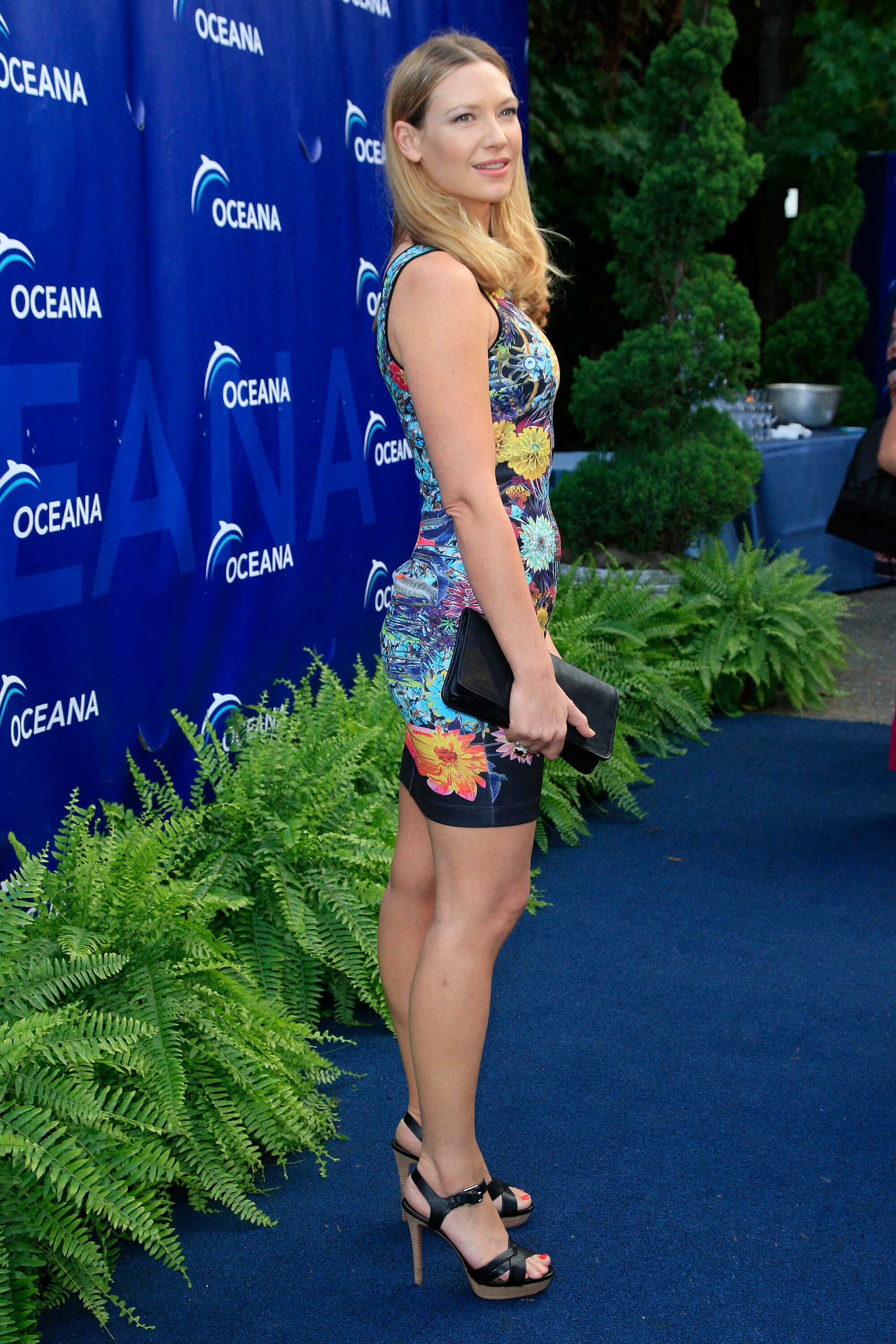
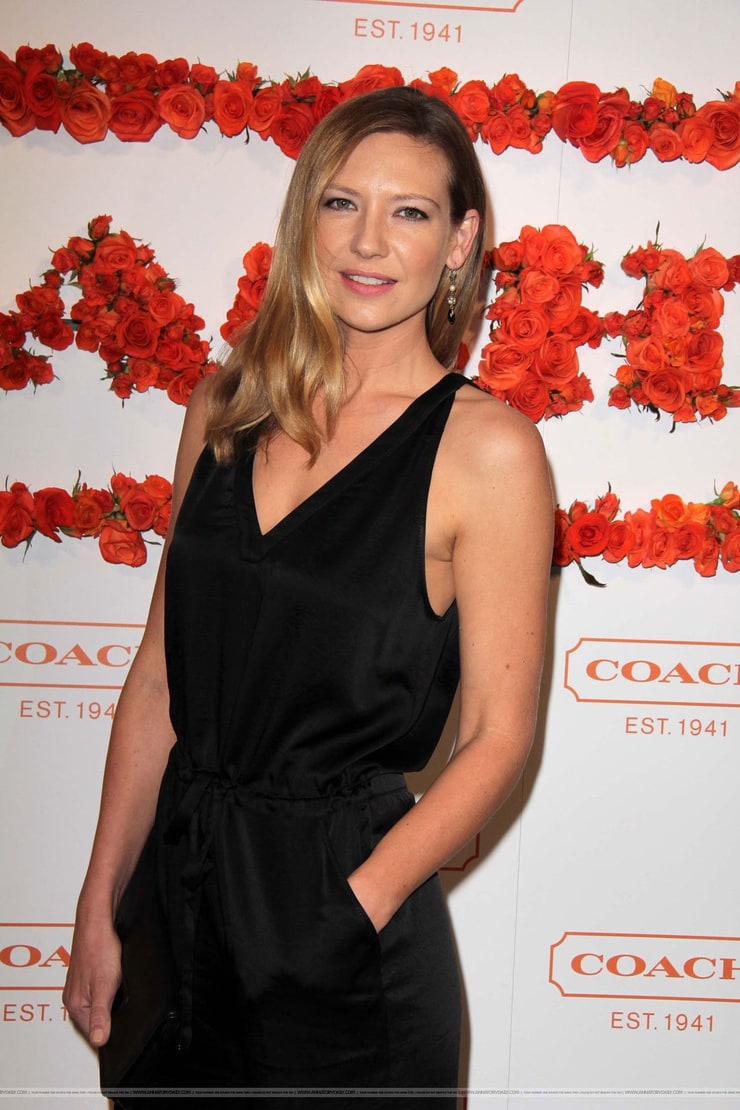
Anna Torv’s appearance in the Esquire profile remains a definitive touchstone for fans and film critics alike, serving as a rare, intimate lens into the deliberate career choices of a notoriously private performer. The feature captures Torv during a pivotal moment in her professional trajectory, highlighting her transition from cult television icon to a formidable presence in prestige drama and critically acclaimed limited series.
The Significance of the Esquire Profile in Celebrity Media
In the ecosystem of celebrity journalism, an Esquire profile occupies a specific niche. Unlike tabloid coverage or quick-turnaround red-carpet interviews, Esquire profiles are traditionally long-form pieces that prioritize narrative depth and aesthetic presentation. For an actor like Anna Torv—whose career has been defined by complex, often emotionally guarded characters—the choice to engage with a high-end publication suggests a strategic alignment with brands that value intellectual rigor over superficial gossip.
The profile functions as a historical marker. It is not merely an interview but a curated snapshot of the actor’s mindset during a period of significant growth. Readers often return to this specific feature to understand how Torv navigates the tension between her public persona and her desire for anonymity, a theme that consistently surfaces throughout her career in projects like Fringe, Mindhunter, and The Last of Us.
Anna Torv’s Career Trajectory: A Contextual Analysis
To appreciate the weight of the Esquire feature, one must understand the professional landscape Torv occupied at the time. Having established a global fanbase as Olivia Dunham in the sci-fi phenomenon Fringe, Torv faced the classic industry challenge: shedding the identity of an iconic character to embrace nuanced, varied roles.
The Esquire profile acts as a bridge between these eras. It provides context for how she approached the shift toward more grounded, reality-based storytelling. Her role as Dr. Wendy Carr in Mindhunter and her transformative performance in The Last of Us were not accidents of casting; they were the result of a deliberate, selective approach to scripts that the profile details with surprising clarity.
Key Performance Milestones
| Production | Role | Genre | Impact on Career |
|---|---|---|---|
| Fringe | Olivia Dunham | Science Fiction | Established global recognition. |
| Mindhunter | Dr. Wendy Carr | Crime/Drama | Solidified reputation for internal acting. |
| The Last of Us | Tess | Post-Apocalyptic | Demonstrated range in high-budget IP. |
| The Newsreader | Helen Norville | Period Drama | Proven lead-actor capability in ensemble. |
The Philosophy of the "Private Actor"
One of the most compelling aspects of the Esquire coverage is the exploration of Torv’s guarded nature. In an era where social media presence is often demanded of performers as a component of their "marketability," Torv has consistently opted out. The profile touches upon why this is not a branding exercise, but rather a functional requirement for her acting process.
For Torv, the "human canvas" must remain relatively blank so that audiences can project the characters onto her without the baggage of her personal life. The Esquire piece clarifies that this is a professional standard she holds for herself. By limiting her exposure in trade magazines and avoiding the cycle of perpetual social updates, she ensures that when she appears on screen, the focus remains entirely on the character's psychology rather than the actor’s private habits.
Technical Depth: Why This Profile Matters to Industry Observers
From the perspective of an SEO-conscious reader or an entertainment historian, this profile serves as a primary source for understanding the mid-2020s landscape of prestige television. The writing captures the specific vernacular used in the industry to describe "prestige" roles—terms like "character-driven," "slow burn," and "psychological realism."
Furthermore, the profile provides insight into the shift in the Australian acting export market. Torv is frequently categorized alongside other high-profile Australian actors who have seamlessly transitioned into the American television landscape. The Esquire writer explores the specific training and cultural background that may contribute to this ability to maintain a neutral, highly adaptable screen presence, regardless of the geographic setting of the show.
Common Questions Regarding the Feature
1. Why is the Esquire profile considered a definitive piece?
It is regarded as definitive because it bypasses the standard "project promotion" tone found in trade publications. Instead, it engages with the actor’s philosophy regarding work-life balance and the craft of acting, providing a permanent reference point for her career values.
2. Does the profile mention her future projects?
Like most long-form journalism, the profile reflects the temporal reality of when it was published. It focuses on the projects that were current at the time, providing a snapshot of her artistic intent, which can then be compared to the actual output she delivered in subsequent years.
3. How does the profile address her time on Fringe?
The profile typically frames Fringe as the foundational crucible of her career. It acknowledges the massive workload and the demands of network television, which informs the reader about why she became more selective in her subsequent choices.
4. Is the profile objective or laudatory?
Esquire profiles generally lean toward a balanced, observational tone. The writer acts as a witness to the subject's life and work, offering analysis rather than pure adoration. This provides a more authentic look at the challenges she faces as a working actor.
The Intersection of Performance and Perception
Ultimately, the Esquire profile of Anna Torv remains relevant in 2026 because it touches upon the universal desire to understand what happens "behind the curtain." While many actors use their profiles to build a brand, Torv uses them to provide a clearer understanding of her craft.
For those conducting research on her career, the article serves as a reminder that the most compelling narratives are often found in the work itself. Her ability to remain an enigma while being consistently visible in some of the most-watched dramas of the decade is a testament to the effectiveness of her approach. When you revisit the profile, look not for the surface-level quotes, but for the subtext regarding her commitment to the longevity of her craft.
Next Steps for Fans and Researchers
If you are looking to understand the full scope of Anna Torv’s career, the Esquire profile should be viewed as a cornerstone document. To supplement this knowledge:
- Review her body of work in chronological order to observe the "deliberate shifts" noted in the feature.
- Cross-reference the interview with her later roundtable appearances or panel discussions where she speaks more technically about her preparation for roles like those in Mindhunter or The Newsreader.
- Analyze the critical reception of these projects to see how her performance choices were vindicated by award-season recognition and audience engagement.
Anna Torv’s career path is one defined by substance, and the Esquire profile acts as the best available map for anyone seeking to understand the "why" behind her enduring success in a volatile industry.