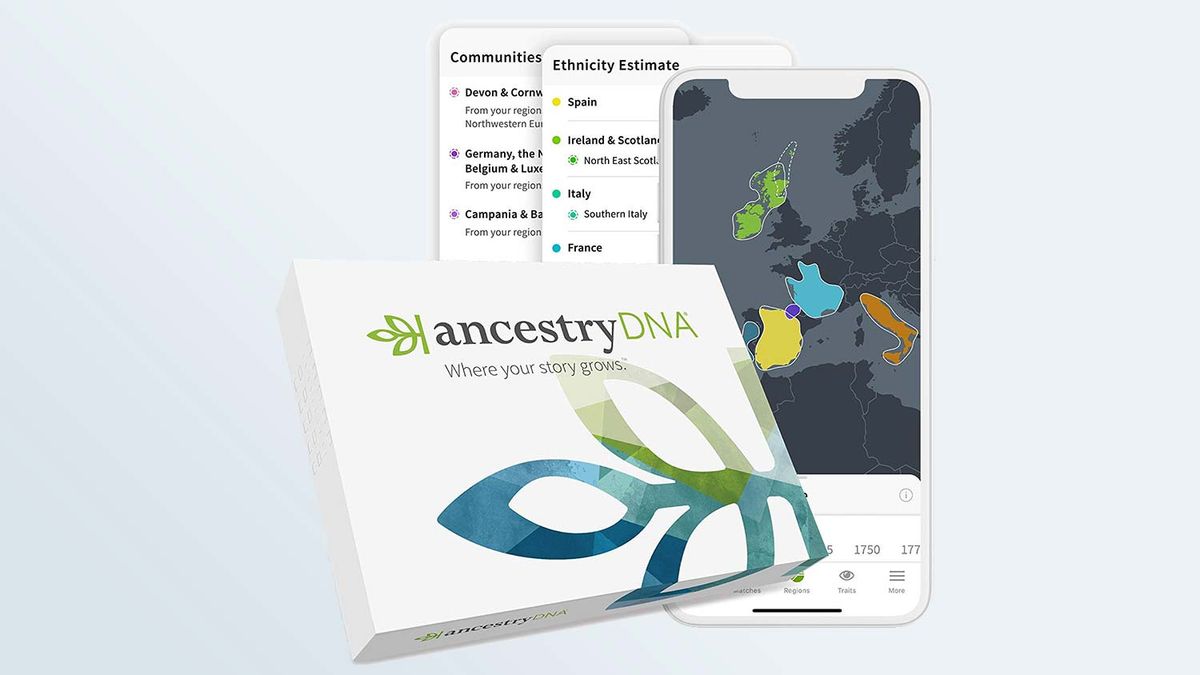
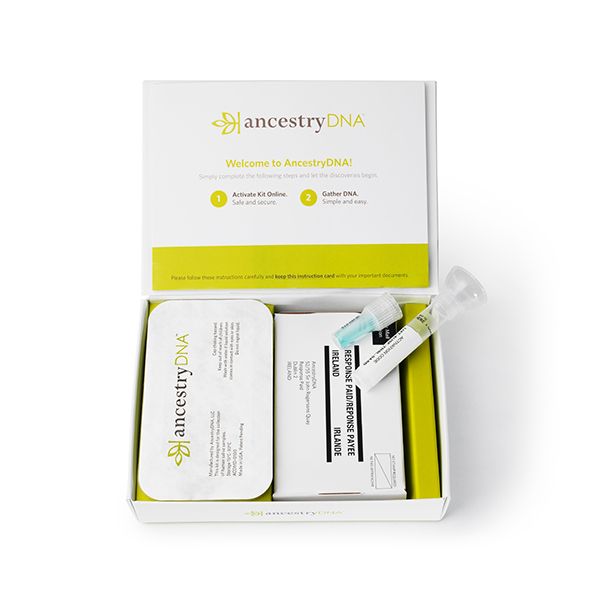
Selecting the best direct-to-consumer DNA testing kit depends on whether your primary objective is genealogical tree building, health risk screening, or broad ethnicity mapping. AncestryDNA leads the consumer market in relative database size and historical record integration, while key alternatives like 23andMe and MyHeritage offer distinct advantages in health reporting, genetic haplogroups, and European ancestral records.
Understanding Direct-to-Consumer DNA Testing
Consumer genetic testing relies primarily on autosomal DNA analysis. Autosomal DNA consists of the 22 pairs of non-sex chromosomes inherited equally from both biological parents—50% from the mother and 50% from the father. Because autosomal DNA recombines with each generation, it provides highly detailed genetic information spanning roughly five to seven generations, making it the industry standard for identifying living relatives and mapping recent regional heritage.
When a testing company receives a cheek swab or saliva sample, technicians extract the genomic DNA and process it using custom single nucleotide polymorphism (SNP) microarrays. Rather than sequencing your entire genome—which remains cost-prohibitive for mass consumer applications—these microarray chips read hundreds of thousands of specific genetic markers across your genome. These markers are compared against reference populations and massive consumer databases to calculate ethnicity estimates and identify shared DNA segments with other tested individuals.
| DNA Testing Type | Description |
|---|---|
| Autosomal DNA | Analyzes chromosomes 1–22. Inherited from both parents. Best for recent ancestry (5–7 generations) and cousin matching. |
| Y-DNA | Analyzes the Y-chromosome (biological males only). Traces direct paternal lineage (father's father's line). |
| mtDNA | Analyzes mitochondrial DNA (passed from mother to all children). Traces direct maternal lineage (mother's mother's line). |
While autosomal tests are universal, specialized tests target alternative genetic pathways:
- Y-Chromosome (Y-DNA) testing follows the direct paternal line (paternal haplogroup) and is passed almost unchanged from father to son.
- Mitochondrial DNA (mtDNA) testing follows the direct maternal line (maternal haplogroup), passed from mothers to both male and female offspring.
Understanding which marker type a kit evaluates is crucial prior to purchase, as standard autosomal kits from major providers handle haplogroup analysis and cousin matching differently.
Comprehensive AncestryDNA Review: Features, Accuracy, and Performance
AncestryDNA remains the flagship product in the genealogy sector. Offered by Ancestry.com, the kit centers on leveraging genetic data to complement and verify historical family tree building.
Sample Collection and Testing Process
The AncestryDNA testing kit uses a saliva-based collection method. Users must abstain from eating, drinking, chewing gum, or smoking for 30 minutes prior to spitting into a plastic tube up to a designated fill line. A stabilizing buffer solution is released into the sample when the cap is screwed down, preserving the cellular DNA during transport.
After registering the kit’s unique barcode on the official Ancestry platform, the user mails the sample using a pre-paid package to a certified laboratory. Typical turnaround times range from three to six weeks from laboratory receipt, though seasonal volume spikes (such as post-holiday periods) can extend fulfillment to eight weeks.
Ethnicity Estimates and Regional Communities
AncestryDNA provides ethnicity breakdowns covering over 2,600 regions worldwide. The test evaluates autosomal markers against a proprietary reference panel built from individuals with deep, verified native heritage in specific geographic areas.
Beyond broad continental percentages (e.g., 60% Northwestern European, 25% Indigenous Americas, 15% West African), AncestryDNA excels in identifying DNA Communities. Using network algorithms that analyze shared connections among clusters of genetically linked users, the service can pinpoint historical migration patterns—such as early 19th-century settlers in the Appalachian Mountains or specific regional sub-districts in Ireland and Southern Italy. Reference panels and regional algorithms update periodically, automatically refining user ethnicity percentages as the underlying dataset grows.
Relative Matching and Database Size
The principal advantage of AncestryDNA is its database size, which encompasses over 25 million tested individuals worldwide. Relative matching works by measuring shared centimorgans (cM)—the standard unit for measuring genetic distance. The platform automatically generates a list of genetic matches, categorized from immediate family down to 4th-8th cousins.
| Shared cM Range | Typical Biological Relationship |
|---|---|
| 3,400 – 3,700 cM | Parent / Child, Identical Twin |
| 2,200 – 3,300 cM | Full Sibling |
| 1,300 – 2,300 cM | Grandparent, Aunt / Uncle, Half Sibling |
| 570 – 1,300 cM | First Cousin, Great-Grandparent |
| 90 – 340 cM | Second Cousin |
| 15 – 85 cM | Third Cousin |
Because genetic match discovery relies directly on sample size, AncestryDNA consistently yields a higher number of actionable family matches than smaller competing networks.
Tree Integration and ThruLines
For genealogy researchers, AncestryDNA's ThruLines feature serves as a major differentiator. ThruLines integrates autosomal DNA match data with linked member family trees and public record archives. The algorithm illustrates how you and a specific DNA match may share a common ancestor, proposing potential links even when an intermediate ancestor is missing from your personal tree. This automated cross-referencing drastically reduces the manual effort required to confirm direct family lines.
Ancestry Traits
Ancestry offers an upgraded tier or add-on feature designated as Ancestry Traits. This module analyzes genetic variants associated with roughly 40+ personal characteristics, including physical traits (eye color, hair curliness, facial dimples), sensory traits (bitter taste perception, cilantro taste preference), and fitness/wellness markers (muscle composition, caffeine metabolism). While informative and engaging, these trait reports are educational rather than clinically diagnostic.
AncestryDNA vs. Top Competitors: Detailed Comparison
While AncestryDNA is the market leader for genealogical tree building, competing direct-to-consumer testing companies provide tailored advantages depending on user goals.
| Feature / Metric | AncestryDNA | 23andMe | MyHeritage DNA | FamilyTreeDNA (FTDNA) |
|---|---|---|---|---|
| Primary Focus | Genealogy & Trees | Health & Ancestry | Global Genealogy | Advanced Lineage & Y/mtDNA |
| Sample Type | Saliva Tube | Saliva Tube | Cheek Swab | Cheek Swab |
| Database Size | ~25 Million+ | ~14 Million+ | ~7 Million+ | ~1.5 Million+ |
| Geographic Regions | 2,600+ | 3,000+ | 2,100+ | 90+ |
| Health Screening | Basic Traits | FDA-Authorized* | Optional Add-on | No (Focus on Genealogy) |
| Raw Data Upload | Outbound Only | Outbound Only | Inbound & Outbound | Inbound & Outbound |
| Haplogroups (Y/mt) | No | Yes (Included) | No | Yes (Dedicated Tests) |
| Family Tree Links | Industry Leading | Basic | Strong International | Moderate |
*Note: 23andMe offers Select FDA-authorized genetic health risk reports on specific variants (e.g., BRCA1/BRCA2, Carrier Status).
1. 23andMe
23andMe is AncestryDNA's chief direct competitor. 23andMe uses a similar saliva-based autosomal test but puts significantly greater emphasis on genetic health and biological trait analysis.
- Health and Medical Reports: 23andMe offers FDA-cleared Health + Ancestry packages that screen for specific genetic risk factors (such as late-onset Alzheimer's disease, Parkinson's disease, and hereditary thrombophilia) along with carrier status reports for conditions like cystic fibrosis and sickle cell anemia.
- Haplogroup Assignment: Every standard 23andMe report automatically includes maternal and paternal (for biological males) haplogroup assignments, tracing deep ancestral migrations thousands of years into the past without requiring a specialized Y-DNA or mtDNA test kit.
- Drawback: 23andMe lacks historical public record databases (e.g., census records, passenger lists) and offers limited family tree-building tools compared to Ancestry.
2. MyHeritage DNA
MyHeritage is an international genealogy platform based in Israel with a strong market presence across Europe and Latin America.
- Cheek Swab Collection: Unlike the spit tubes used by AncestryDNA and 23andMe, MyHeritage employs a quick cheek swab, which is significantly easier for elderly family members or young children to complete.
- Raw Data Inbound Uploads: MyHeritage allows users who tested with AncestryDNA or 23andMe to upload their raw genetic data files to its database for free or for a modest unlock fee, providing access to European cousin matches without purchasing a new physical kit.
- Drawback: MyHeritage's reference dataset and initial ethnicity estimates have historically shown lower regional precision in North America compared to AncestryDNA.
3. FamilyTreeDNA (FTDNA)
FamilyTreeDNA targets advanced family historians and genetic genealogists who require deep lineage verification.
- Specialized Marker Testing: FTDNA offers dedicated Y-DNA (such as Y-37, Y-111, and Big Y-700) and mtDNA (Full Sequence) tests. These trace specific surname lines and maternal lineages across hundreds to thousands of years by evaluating non-recombining chromosomal regions.
- Matching Projects: FTDNA hosts thousands of volunteer-run Surname Projects, Geographical Projects, and Haplogroup Projects that help users solve complex genealogical barriers ("brick walls").
- Drawback: The standard autosomal test (Family Finder) features a much smaller matching database compared to AncestryDNA.
Pricing, Subscriptions, and Hidden Costs
Evaluating the true cost of a consumer DNA test requires distinguishing between the physical kit fee and ongoing software subscription tiers.
| Tier / Service | Included Features |
|---|---|
| Basic DNA Kit Only | • Ethnicity percentages & communities• DNA match list (shared cM)• Basic unlinked tree creation |
| DNA + U.S. Discovery Sub | • All basic DNA features• Full access to billions of U.S. historical records• Full ThruLines functionality & tree linking |
| DNA + World Explorer Sub | • All U.S. Discovery features• Access to international historical records (80+ countries) |
- Base Kit Price: The retail price for a standard AncestryDNA autosomal test generally ranges from $99 to $119, with routine promotional discounts dropping prices to $39–$59 during major sales periods (e.g., Black Friday, Prime Day, Mother's Day/Father's Day).
- Subscription Requirements: Purchasing the DNA kit gives users lifetime access to their ethnicity estimates and relative match lists. However, fully unlocking historical record attachments, historical trees constructed by matches, and automatic record hints requires a monthly or bi-annual Ancestry subscription (U.S. Discovery, World Explorer, or All Access).
- Third-Party Data Export: AncestryDNA permits users to download their raw genetic data file (a text file containing your specific SNP array results) for free. This file can be uploaded to third-party secondary databases such as GEDmatch, FamilyTreeDNA, and MyHeritage, expanding your matching reach without requiring additional lab fees.
Privacy, Data Security, and Genetic Ethics
Genetic privacy remains a core consideration when submitting biological samples to commercial entities.
- Data Ownership: Under AncestryDNA’s terms of service, users retain ownership of their personal DNA data. Users can request the destruction of their physical biological sample at any time, delete their online results, or download their raw data file to store locally.
- Research Opt-Ins: Consumers must explicitly opt in or out of secondary scientific research. If you opt in, your anonymized genetic data may be compiled into aggregate datasets used by internal or third-party academic and commercial research partners studying human genetics, disease vectors, and population movement.
- Law Enforcement Access: Major DNA platforms maintain distinct policies regarding law enforcement requests:
- AncestryDNA & 23andMe require valid search warrants, subpoenas, or court orders to release individual user data and routinely publish transparency reports detailing law enforcement inquiries. Neither platform allows general law enforcement upload access for investigative genetic genealogy without valid judicial oversight.
- GEDmatch & FamilyTreeDNA maintain explicit opt-in/opt-out settings that permit or restrict users from being matched against law enforcement samples uploaded to resolve violent cold cases or identify unknown human remains.
Step-by-Step Guide: How to Get the Most Out of Your DNA Test
To maximize the genealogical value of your AncestryDNA test, follow this structured process:
Register kit barcode online BEFORE mailing sample.
Build a basic starter family tree (focus on parents/grandparents).
Link your completed DNA test directly to your active family tree.
Filter matches by "Shared DNA" and sort into cluster groups.
Use ThruLines to verify hypothesized common ancestors.
Export raw DNA data file for secure secondary backup.
Register Before Mailing: Never ship a saliva sample before linking the kit's 15-digit barcode to your personal Ancestry account. Unregistered samples returned to the lab cannot be processed or easily retroactively linked.
Build a Basic Ancestor Tree: Create a public or private searchable family tree containing at least 15 to 30 immediate ancestors (parents, grandparents, great-grandparents) with accurate birth dates and geographic locations.
Link Your DNA to the Tree: Ensure your registered DNA result is attached to your specific profile within your family tree. Without this linkage, features like ThruLines and automated common-ancestor icons cannot operate.
Group Matches Using the Leeds Method: Organize your DNA match list by using custom color-coded tags. The Leeds Method isolates match clusters sharing between 90 cM and 400 cM into four distinct quadrants representing your four biological grandparent lines, quickly organizing unassigned matches.
Download and Vault Raw Data: Once results are processed, navigate to account settings, request a raw data download link, and save your zip file to an encrypted local drive. This ensures you possess your raw genetic profile regardless of future platform changes.
Frequently Asked Questions
How long does it take to get AncestryDNA results back?
Standard turnaround time for AncestryDNA processing is typically 3 to 6 weeks from the date the lab receives your physical sample. During peak sales cycles (such as December through February), turnaround times can extend to 8 weeks. Users can track sample progress through the online Ancestry status portal.
Can AncestryDNA reveal health risks or medical predispositions?
Standard AncestryDNA tests focus primarily on ethnicity mapping, ancestral communities, and relative matching. While Ancestry offers occasional trait reports, it does not provide comprehensive clinical health risk assessments or disease carrier status reports equivalent to 23andMe's FDA-cleared medical panels.
Is an Ancestry subscription required to view DNA matches?
No. Purchasing an AncestryDNA kit gives you permanent access to your base ethnicity estimates, your list of DNA matches, and shared centimorgan measurements without paying an ongoing monthly subscription. However, viewing attached historical records, unlinked subscriber trees, and full ThruLines historical paths requires an active Ancestry subscription.
Can you upload raw DNA data from other testing companies to AncestryDNA?
No. AncestryDNA operates a closed inbound system. While you can easily export your raw genetic data out of Ancestry to upload to MyHeritage, FamilyTreeDNA, or GEDmatch, you cannot upload raw DNA files generated by 23andMe or other services into Ancestry. To enter Ancestry's matching database, you must process a physical AncestryDNA kit.
How far back can AncestryDNA trace family heritage?
Autosomal DNA testing effectively traces biological relationships across 5 to 7 generations (approximately 150 to 200 years). Beyond 6th to 8th cousins, the amount of shared autosomal DNA inherited from a common ancestor drops below measurable limits due to genetic recombination.
What is the difference between shared centimorgans (cM) and shared DNA percentage?
Centimorgans (cM) measure the physical length of shared DNA segments on your chromosomes, providing high precision for genetic distance. Shared DNA percentage expresses that total segment length as a proportion of the entire human genome (~3,400 cM total). For example, inheriting ~1,700 cM corresponds to sharing approximately 50% of your DNA, typical for a parent-child or full-sibling relationship.
Summary and Final Recommendation
For users whose primary goal is family tree building, locating long-lost living relatives, or uncovering deep North American migration paths, AncestryDNA is the top overall recommendation due to its industry-leading database of over 25 million users and deep platform integration with historical records.
If your primary objective is learning about genetic health risks, carrier status for inherited conditions, or obtaining basic haplogroup assignments without paid add-ons, 23andMe offers the superior baseline product. For users with immediate European heritage or those looking to minimize costs by re-using raw data files, starting with an AncestryDNA test and uploading the resulting raw file into MyHeritage and FamilyTreeDNA provides the most comprehensive genetic coverage across all global databases.
Next Steps:
- Determine whether your core objective is genealogy research (choose AncestryDNA) or clinical health screening (choose 23andMe Health + Ancestry).
- Order your kit during major sales windows to secure promotional pricing.
- Prepare a basic digital family tree containing your known grandparents and great-grandparents prior to sample processing.