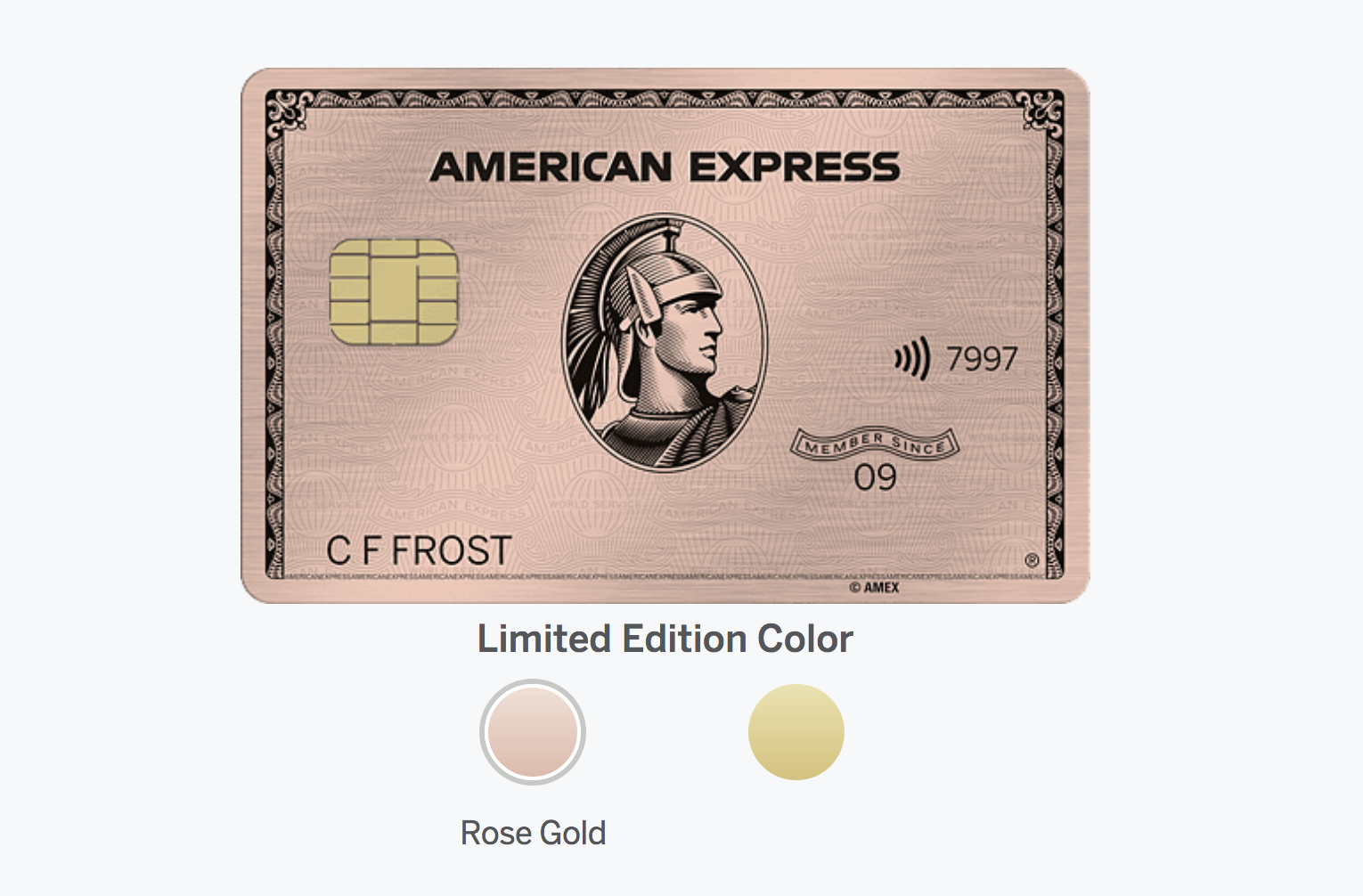
American Express card numbers always begin with the digit 3, a distinctive identifier that separates them from other major credit card networks like Visa, Mastercard, and Discover. This numeric convention stems from the International Organization for Standardization standards that govern financial card issuer identification numbers, allowing automated payment systems, merchants, and consumers to instantly recognize the issuing network and route transactions correctly.
The Origin and ISO/IEC 7812 Standard for Payment Cards
Every modern payment card relies on a standardized numbering structure regulated by the International Organization for Standardization under the ISO/IEC 7812 standard. This specification dictates how Primary Account Numbers are organized, structured, and assigned to specific financial institutions worldwide. The standard ensures that point-of-sale terminals, online payment gateways, and automated clearing house systems can universally parse, validate, and direct financial transactions without manual intervention or data corruption.
Under this global framework, the very first digit of any payment card number is known as the Major Industry Identifier. The MII establishes the broad industry category of the card issuer. While numbers starting with 4 designate banking and financial institutions operating under Visa, and numbers starting with 5 typically point to Mastercard, the digits 3, 6, and occasionally others are reserved for travel, entertainment, and banking institutions. American Express, along with related travel and entertainment portfolios like JCB and Diners Club, falls squarely within the MII category designated by the number 3.
Understanding the MII is the first step in demystifying the architecture of payment card security and processing. When an e-commerce checkout form or a physical point-of-sale terminal reads the initial digit of a credit card, it immediately invokes the specific routing and validation algorithms associated with that network. For American Express, encountering a leading 3 triggers the specific processing protocols, merchant fee structures, and authorization pathways unique to the American Express ecosystem, differentiating them fundamentally from bank-issued cards that run on competing interchange networks.
The Specific Anatomy of American Express Card Numbers
While all American Express card numbers begin with the digit 3, the second digit further refines the specific network or card portfolio. For American Express, the second digit is typically a 4 or a 7. This combination results in prefixes like 34 or 37, which universally identify standard American Express charge cards and credit cards. Other issuers using the 3 prefix, such as Diners Club (which often uses 36 or 38) and JCB (which uses 35), rely on different secondary digits to establish their distinct network boundaries within the broader ISO framework.
Beyond the initial two digits, an American Express card number consists of a specific length and internal structural pattern that distinguishes it from Visa and Mastercard. While most major consumer credit cards feature 16-digit primary account numbers, American Express cards are structurally unique in containing 15 digits. This shorter length is a historic characteristic of the network's proprietary card issuing system and remains a key validation check for merchants and fraud-detection algorithms.
The 15-digit structure of an American Express card breaks down into several functional segments:
- The Issuer Identification Number: The first 6 digits (formerly the first 4 or 6 under older ISO guidelines, now standardized as the Issuer Identification Number) identify American Express as the specific network and often denote the tier or issuing division of the product.
- The Account Number: The subsequent digits function as the unique identifier for the cardholder's specific account within the American Express system.
- The Check Digit: The final digit of the sequence is a calculated checksum generated using the Luhn algorithm, which verifies that the preceding digits form a mathematically valid card number before any transaction is transmitted to the network.
The Role of the Luhn Algorithm in Card Validation
The Luhn algorithm, developed in 1954 by IBM scientist Hans Peter Luhn, is a simple checksum formula used to validate a variety of identification numbers, including credit card numbers, IMEI numbers, and National Provider Identifier numbers. For American Express cardholders and merchants, the Luhn algorithm serves as an immediate local validation barrier against typographical errors during data entry, preventing invalid numbers from being sent to payment gateways.
When a consumer inputs a 15-digit American Express card number into an online checkout form, the browser or payment application runs the Luhn check instantaneously. The formula doubles every second digit from right to left, subtracts 9 if the resulting value is greater than 9, and sums all the digits. If the total modulo 10 equals zero, the number passes the checksum test.
This mathematical verification does not guarantee that the card is active, has sufficient available credit, or belongs to the person attempting the transaction, but it ensures that the sequence of digits is structurally sound. Because American Express cards begin with 34 or 37 and span exactly 15 digits, software developers incorporate these exact length and prefix parameters into input masks and validation scripts to catch user input errors before authorization requests hit external financial servers.
Comparing Major Credit Card Networks by Prefix and Length
Payment card networks utilize distinct prefixes and lengths to manage global routing, risk assessment, and interchange processing. Comparing American Express structural characteristics with those of other major networks clarifies why the leading 3 is uniquely significant in payment technology.
| Card Network | Major Industry Identifier (Leading Digit) | Typical Prefixes | Standard Length | Primary Industry Focus |
|---|---|---|---|---|
| American Express | 3 | 34, 37 | 15 digits | Travel, Entertainment, Premium Credit/Charge |
| Visa | 4 | 4000–4999 | 16 digits (occasionally 13) | Universal Consumer and Business Banking |
| Mastercard | 5 | 51–55, 2221–2720 | 16 digits | Universal Consumer and Business Banking |
| Discover | 6 | 6011, 64, 65 | 16 digits | Retail, Rewards, Consumer Banking |
| JCB | 3 | 3528–3589 | 16 digits | International Travel and Banking |
| Diners Club | 3 | 36, 38, 39 | 14 or 16 digits | Travel and Corporate Entertainment |
As detailed in the comparison table, while other networks like JCB and Diners Club also utilize the leading 3 MII designation, their secondary digits and total card lengths differ. American Express maintains its exclusivity through the specific pairing of 34 and 37 with a 15-digit total length, creating a fingerprint that payment software easily isolates from standard 16-digit bank cards.
Security Implications and Fraud Detection Practices
The predictable structure of payment card numbers plays a vital role in modern cybersecurity and fraud detection frameworks. Because fraudsters frequently use automated script bots to generate random credit card numbers in attempts to execute unauthorized transactions, payment processors and merchants rely on strict bin-checking logic—checking the Bank Identification Number or Issuer Identification Number—to block invalid requests immediately.
When an automated script attempts to test stolen credentials or generate synthetic identities, security systems analyze the prefix and length combination. If a script attempts to submit a 16-digit number starting with 34, the payment gateway flags it instantly as structurally impossible for an American Express card, as legitimate Amex products require exactly 15 digits. Conversely, if a transaction claims to be a Visa card but begins with a 3, it violates the foundational MII rules and is rejected before reaching the issuing bank.
In addition to the leading digits and overall length, American Express cards feature a unique security enhancement known as the Card Identification Number or 4-digit CID. Unlike Visa and Mastercard, which print a 3-digit CVV2 on the magnetic stripe signature panel on the back of the card, American Express prints a distinct 4-digit numeric code on the front right side of the card above the primary account number. This layout further differentiates American Express from competing networks and adds an extra layer of verification for card-not-present transactions such as online or telephone purchases.
Common Misconceptions About Credit Card Prefixes
Many consumers hold misunderstandings regarding what credit card prefixes reveal about their personal financial accounts. A prevalent myth is that the first few digits of an American Express card reveal the cardholder's exact geographic location, credit score, or personal banking history. In reality, the initial digits—specifically the MII and the subsequent issuer identification numbers—only identify the issuing network, the specific product tier, and the institution or portfolio that underwrites the card.
Another frequent point of confusion involves the distinction between credit cards and charge cards within the American Express ecosystem. Historically, American Express was primarily known for issuing charge cards—products that require the balance to be paid in full at the end of every billing cycle—whereas traditional bank cards starting with 4 or 5 were revolving credit products. Today, American Express issues both revolving credit cards and traditional charge cards, yet all of them share the foundational trait of beginning with the digit 3 and adhering to the 15-digit structural standard.
Finally, consumers often wonder if card numbers starting with 3 are more vulnerable to security breaches than other numbers. The structural prefix has no bearing on account security. Security is governed by tokenization, encryption protocols, EMV chip technology, and two-factor authentication measures implemented by merchants and issuers rather than the public-facing routing digits printed on the plastic.
Frequently Asked Questions
Why do American Express card numbers have 15 digits while Visa and Mastercard have 16?
The 15-digit length is a legacy standard established when American Express developed its proprietary card processing network. While newer card portfolios and international standards have largely converged on 16 digits, American Express maintains its historic 15-digit format across its core charge and credit card lines, supported universally by global payment terminals.
Can an American Express card number start with a digit other than 3?
No. Under the ISO/IEC 7812 standard, the Major Industry Identifier for American Express and related travel and entertainment card networks is universally designated as 3. Any valid, authentic American Express card will always begin with either 34 or 37.
What is the difference between the 4-digit CID on an Amex card and a standard CVV?
The 4-digit CID is a proprietary security code printed on the front of American Express cards, used to verify card presence during online or phone transactions. Standard Visa, Mastercard, and Discover cards use a 3-digit CVV or CVC2 located on the signature panel on the back of the card.
How do merchants verify if an American Express card number is authentic?
Merchants use a combination of prefix validation, total length verification (15 digits), and the Luhn algorithm to check the mathematical integrity of the card number locally before routing the transaction through a payment gateway for formal cryptographic and balance authorization.
Are all cards starting with 3 issued by American Express?
No. While American Express cards always start with 3 (specifically 34 or 37), other issuers also utilize the Major Industry Identifier 3. For example, JCB cards typically start with prefixes in the 3528–3589 range, and Diners Club cards often begin with 36, 38, or 39.
Practical Next Actions for Cardholders and Merchants
For consumers managing personal finance or shopping online, recognizing that American Express cards begin with 3 provides a quick visual check when entering payment details into checkout portals. Ensuring that the correct network is selected prevents transaction errors and declines caused by mismatched routing parameters. For merchants, developers, and payment operations professionals, ensuring that checkout validation scripts correctly accommodate 15-digit lengths and specific 34 and 37 prefixes is critical for maintaining seamless user experiences and preventing fraudulent payment submissions. Verify that internal point-of-sale systems and e-commerce input masks conform strictly to the ISO/IEC 7812 standard to maintain robust payment processing hygiene.