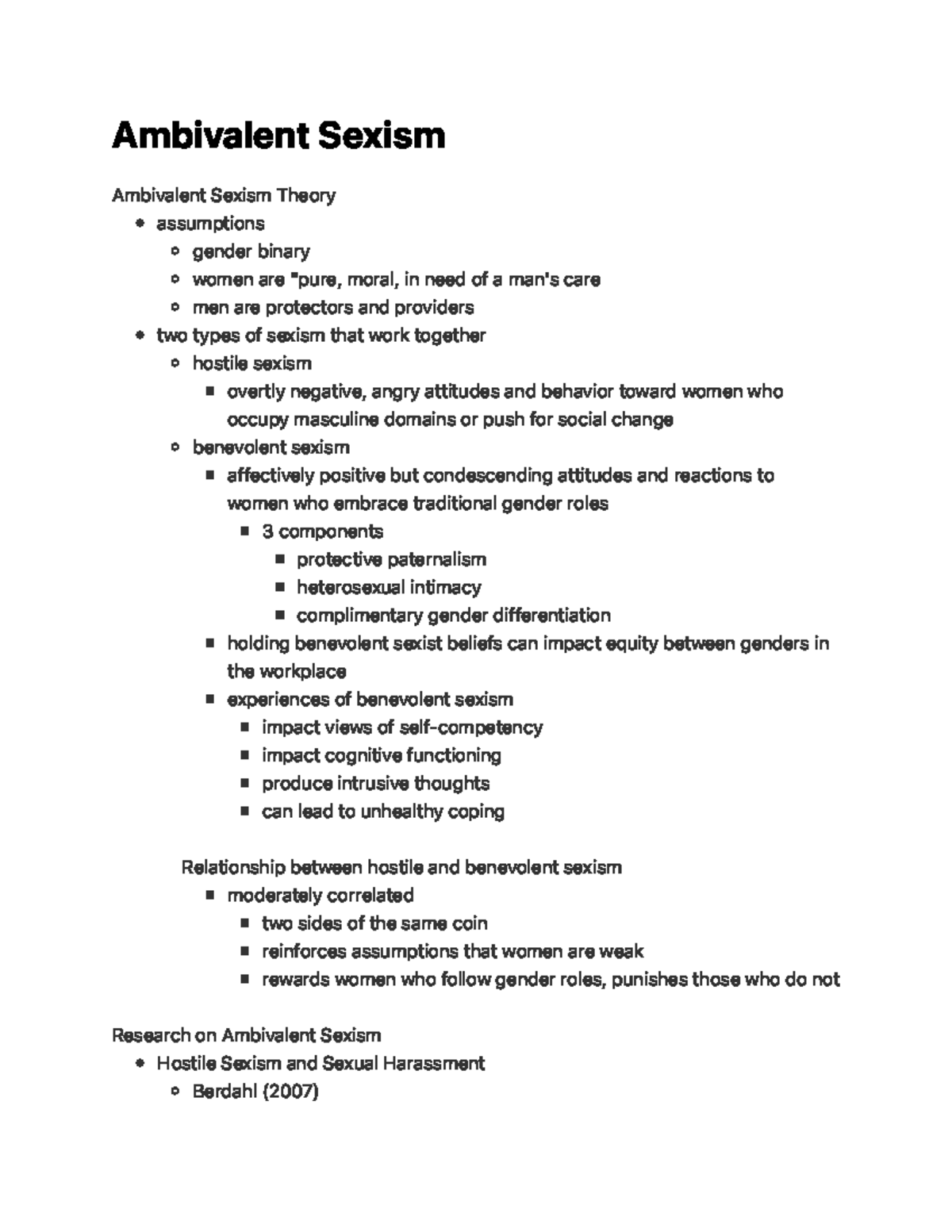
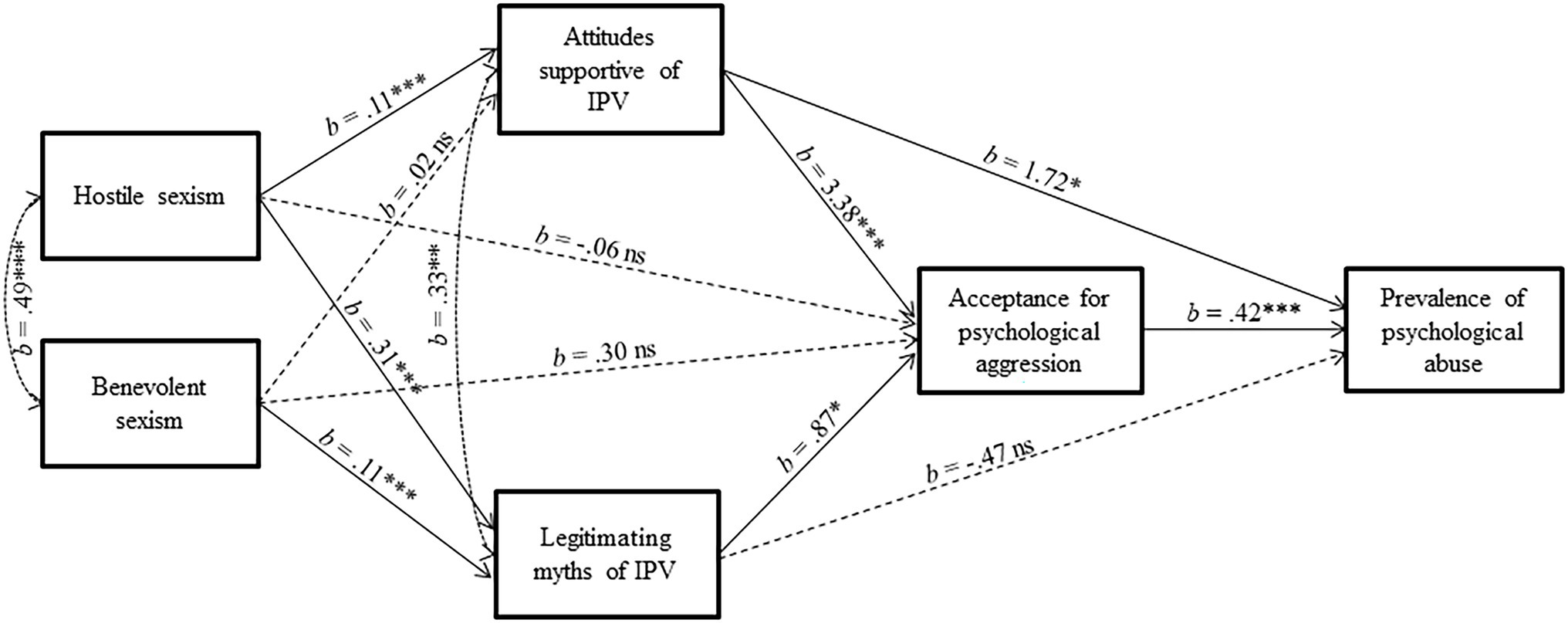
Ambivalent sexism theory posits that sexism is not merely a singular, hostile ideology, but a multidimensional construct composed of two co-existing yet distinct dimensions: hostile sexism, which is overtly antagonistic, and benevolent sexism, which appears subjectively positive or chivalrous but reinforces traditional, subordinate gender roles.
Introduction to Ambivalent Sexism Theory
Developed by social psychologists Peter Glick and Susan Fiske in 1996, ambivalent sexism theory revolutionized how researchers study gender prejudice. Traditional psychological frameworks tended to view prejudice primarily through the lens of overt animosity. However, Glick and Fiske observed that intergroup relations between men and women are unique. Unlike most dominant and subordinate groups that live in segregated environments, men and women are fundamentally interdependent, sharing intimate relationships, families, and economic structures.
This deep structural interdependence creates a psychological paradox. Men hold structural power in society, yet they simultaneously depend on women for reproduction, domestic labor, and romantic companionship. To resolve this tension, sexism evolved into an ambivalent structure. It combines hostile attitudes toward women who challenge male dominance with benevolent attitudes toward women who conform to traditional gender roles. Understanding this duality is critical for analyzing modern gender dynamics, workplace inequalities, and interpersonal relationships.
The Two Core Dimensions of Ambivalent Sexism
To fully grasp ambivalent sexism theory, one must examine its two pillars. While they appear contradictory on the surface, they operate in tandem to maintain gender inequality by rewarding conformity and punishing deviance.
Hostile Sexism: Overt Antagonism and Power Maintenance
Hostile sexism (HS) represents the classic, adversarial view of gender relations. It is characterized by an overt belief that women are inferior to men, less competent, or attempting to usurp male power through manipulation. Hostile sexists openly endorse patriarchal hierarchies and view feminist movements as threats to societal order.
Key indicators of hostile sexism include:
- Dominance: Beliefs that men ought to control social, political, and economic institutions.
- Derogation of Women: Stereotyping women as overly emotional, irrational, or temperamentally weak.
- Heterosexual Hostility: Suspicion that women use their sexuality to control or manipulate men.
Hostile sexism is explicitly punitive. It targets women who enter traditionally male-dominated domains, such as corporate boardrooms, politics, or STEM fields, viewing them as usurpers rather than legitimate peers.
Benevolent Sexism: Subjective Positivity and Chivalry
Benevolent sexism (BS) is far more insidious because it masquerades as affection, protection, and adoration. It relies on favorable evaluations of women, but these evaluations are strictly contingent upon women fulfilling traditional, subordinate roles—such as homemakers, mothers, or romantic objects requiring male protection.
Benevolent sexism rests on three foundational pillars:
- Protective Paternalism: The belief that men must protect, provide for, and shelter women from the harsh realities of the world.
- Complementary Gender Differentiation: The notion that women possess higher moral sensibilities, aesthetic refinement, or nurturing capacities that make them superior in domestic spheres, thereby justifying their exclusion from public power.
- Heterosexual Intimacy: The idea that romantic coupling is essential for a complete life, framing women as necessary counterparts who complete men.
While benevolent sexism feels warm or flattering to the recipient, it serves the same ultimate function as hostile sexism: maintaining male dominance. By framing women as fragile, pure, and in need of protection, benevolent sexism justifies restricting their autonomy and agency.
The Interdependence Theory: Why Ambivalence Exists
Glick and Fiske grounded their theory in social-psychological research demonstrating that structural relationships dictate ideological systems. In societies where groups are interdependent, dominant groups cannot simply rely on overt hostility to maintain control. Complete hostility breeds active rebellion and disrupts the cooperative bonds necessary for daily life, family structures, and economic survival.
Instead, the dominant group deploys a "carrot and stick" approach:
- The Stick (Hostile Sexism): Punishes women who step outside their prescribed boundaries.
- The Carrot (Benevolent Sexism): Rewards women who accept traditional subordination with protection, financial support, and chivalrous affection.
This duality creates a powerful self-reinforcing system. Women who accept benevolent protection are implicitly validating the underlying assumption that they are weak and incapable of self-reliance. Conversely, if a woman rejects benevolent sexism—for instance, refusing a man's offer to "help" with a task she is fully capable of handling alone—hostile sexist reactions often emerge to penalize her independence.
Comparing Hostile and Benevolent Sexism
| Dimension | Core Ideology | Behavioral Manifestation | Societal Function |
|---|---|---|---|
| Hostile Sexism | Women are inferior, manipulative, and a threat to male power. | Derogation, discrimination, sexual harassment, and overt hostility. | Punishes women who challenge traditional roles and attempts to maintain direct male dominance. |
| Benevolent Sexism | Women are pure, fragile, and in need of male protection and provision. | Chivalry, patronizing assistance, idealized romanticization, and gift-giving. | Rewards women who conform to traditional roles, masking inequality behind a veneer of affection. |
Psychological and Societal Impacts
Ambivalent sexism theory has profound implications for individual well-being, organizational behavior, and societal equality. Research consistently shows that environments high in ambivalent sexism produce measurable negative outcomes for women.
Cognitive and Performance Impairments
Exposure to benevolent sexism has been shown to impair women's cognitive performance. When women are subjected to patronizing help or praised for traits associated with incompetence (such as being "sweet" or "nurturing" rather than competent), it triggers self-doubt. This phenomenon, often linked to stereotype threat, reduces problem-solving capabilities and lowers professional ambitions.
Justification of Inequality
Because benevolent sexism sounds positive, both men and women often fail to recognize it as a form of prejudice. In fact, women frequently endorse benevolent sexism because it offers immediate, tangible protection and social validation. However, accepting these protective norms reinforces systemic inequality, making women less likely to support collective action for gender equity.
Victim Blaming in Sexual Assault Cases
Studies on ambivalent sexism reveal that societies endorsing high levels of both hostile and benevolent sexism exhibit higher rates of victim blaming. Hostile sexists blame victims out of active malice, while benevolent sexists blame victims for violating traditional modesty or behavioral codes, viewing them as having stepped outside the protective boundary of the "good woman."
Frequently Asked Questions
Is benevolent sexism actually harmful since it sounds positive?
Yes. While benevolent sexism is subjectively positive and feels affectionate, it is fundamentally paternalistic. It treats women as weak, incompetent, and dependent on men. This limits women's autonomy, justifies systemic wage gaps, and reinforces the very power structures that create inequality.
How do men and women differ in their endorsement of ambivalent sexism?
Across global research studies, men consistently score higher on hostile sexism than women. However, men and women often score similarly on benevolent sexism. Many women internalize benevolent sexist beliefs because these attitudes offer romantic security and protection within patriarchal frameworks.
Can ambivalent sexism be measured empirically?
Yes. Glick and Fiske developed the Ambivalent Sexism Inventory (ASI), a widely validated psychometric scale consisting of items that independently measure hostile and benevolent sexism. Researchers use this tool globally to track cultural attitudes toward gender.
Does ambivalent sexism theory apply worldwide?
Cross-cultural research involving over 19 nations demonstrates that ambivalent sexism exists globally, though the specific levels of hostile and benevolent sexism vary. Countries with greater gender inequality tend to exhibit higher scores on both hostile and benevolent sexism scales, confirming the theory's structural foundations.
Conclusion and Next Actions
Ambivalent sexism theory demonstrates that gender prejudice is complex, adaptive, and deeply embedded in cultural norms. Recognizing both the overt aggression of hostile sexism and the subtle, patronizing nature of benevolent sexism is essential for dismantling gender inequality.
To apply these insights practically, individuals and organizations should audit their daily interactions, communications, and institutional policies for paternalistic language, chivalrous double standards, and subtle competency biases. Promoting true gender equity requires rejecting both forms of sexism, ensuring that respect and opportunity are based on individual capability rather than adherence to traditional gender roles.