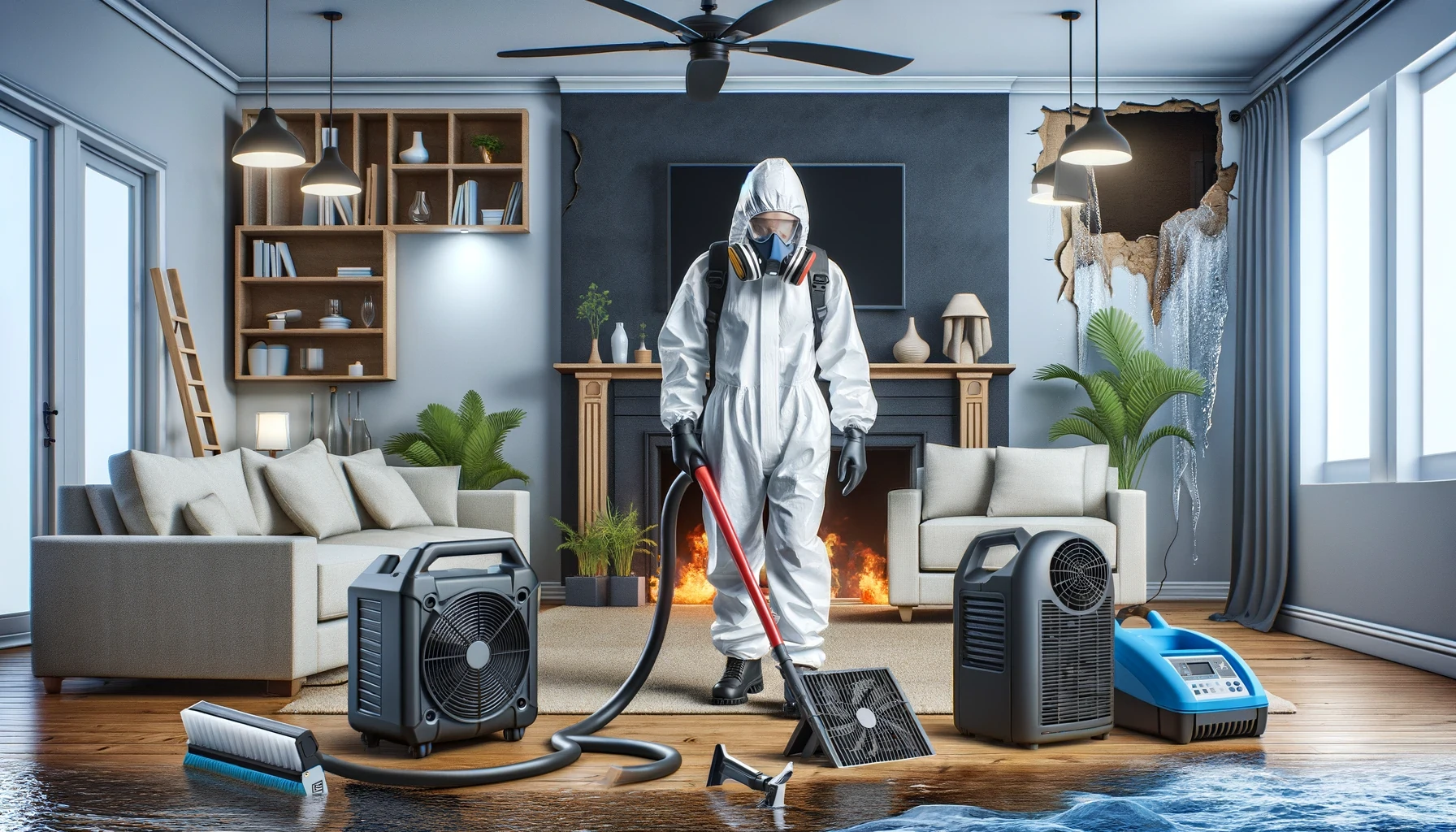
All In Restoration represents two decades of specialized expertise in returning damaged properties to their pre-loss condition. Reaching the 20-year milestone in 2026, this level of home recovery focuses on the technical mitigation of water, fire, mold, and storm damage through advanced structural drying, decontamination, and comprehensive reconstruction protocols designed to ensure long-term habitability and safety.
The Significance of 20 Years in the Home Restoration Industry
In the property restoration sector, a 20-year history is more than a chronological marker; it is a testament to technical adaptation and institutional knowledge. As of 2026, the industry has transitioned from basic "mop and bucket" cleanup to high-precision environmental engineering. A firm with two decades of experience has navigated the evolution of building codes, the introduction of stricter environmental regulations, and the shift toward sustainable "green" restoration materials.
Longevity in home recovery implies a deep understanding of structural forensics. When a technician enters a property that has suffered significant damage, they are not just looking at the surface. Twenty years of experience allows for the identification of hidden issues, such as moisture migration through hygroscopic materials (materials that absorb moisture from the air) or the secondary effects of smoke ionization. This historical perspective is vital because building techniques from twenty years ago differ significantly from those used in the 2020s, requiring a restoration professional who understands both legacy construction and modern high-efficiency envelopes.
Furthermore, a 20-year tenure establishes a robust relationship with insurance carriers. Home recovery is as much about documentation and claims management as it is about physical labor. Experienced restorers use standardized estimating software like Xactimate or Symbility with a level of nuance that ensures homeowners receive the full scope of their coverage while maintaining the transparency required by adjusters.
Core Disciplines of Comprehensive Home Recovery
Professional home recovery is categorized into specific disciplines, each requiring unique certifications, equipment, and safety protocols. All In Restoration utilizes these specialized paths to address the specific "pathology" of property damage.
Advanced Water Mitigation and Structural Drying
Water damage is the most common cause of property loss. Over a 20-year span, the science of psychrometry—the study of the thermodynamic properties of moist air—has become the backbone of water recovery. Effective restoration involves managing the "drying trifecta": temperature, airflow, and dehumidification.
- Extraction: Using high-volume vacuum systems to remove standing water, which is exponentially more efficient than evaporation.
- Classification: Assessing the "Category" of water. Category 1 is clean water; Category 2 (Grey Water) contains significant contamination; Category 3 (Black Water) is grossly unsanitary and requires stringent PPE and antimicrobial application.
- Controlled Drying: Utilizing Low Grain Refrigerant (LGR) dehumidifiers and high-velocity air movers to pull moisture from deep within wall cavities and subfloors.
Fire and Smoke Remediation
Fire recovery involves more than repairing charred wood. The chemical composition of smoke varies depending on the fuel source. Twenty years of home recovery experience teaches the distinction between "protein smoke" (from kitchen fires, which leaves a greasy, pungent film) and "dry smoke" (from fast-burning wood or paper).
Recovery teams must address soot at the molecular level. This often involves hydroxyl generators or ozone machines to neutralize odors rather than simply masking them. Structural cleaning involves HEPA vacuuming and the use of chemical sponges to prevent pushing soot deeper into porous surfaces.
Mold Remediation and Environmental Safety
In 2026, mold remediation is governed by strict standards such as the IICRC S520. Professional home recovery focuses on containment to prevent the spread of mold spores to unaffected areas of the house. This is achieved through "negative air" pressure environments and HEPA filtration. The goal is not just to "kill" mold—which can remain allergenic even when dead—but to physically remove the mold and the moisture source that allowed it to thrive.
The Technical Evolution of Restoration (2006–2026)
The tools used in home recovery have undergone a radical transformation over the past two decades. In 2006, moisture detection was often limited to basic pin-style meters. In 2026, All In Restoration utilizes a suite of high-tech diagnostic tools that eliminate guesswork.
| Technology Category | 2006 Standard | 2026 Standard (Current) | Benefit to Homeowner |
|---|---|---|---|
| Moisture Detection | Manual pin meters | FLIR Thermal Imaging & AI Sensors | Non-invasive detection of hidden leaks behind walls. |
| Documentation | Paper logs and 2D photos | 3D Matterport Scans & Digital Twins | Accurate, undisputed evidence for insurance claims. |
| Dehumidification | Standard refrigerant units | LGR & Desiccant Smart-Tech | Faster drying times and reduced risk of secondary mold. |
| Odor Control | Scented "bombs" | Hydroxyl & Photocatalytic Oxidation | Molecular breakdown of odors for permanent removal. |
| Communication | Phone calls/Faxes | Real-time Client Portals | Instant updates on project milestones and drying logs. |
The Step-by-Step Professional Recovery Process
A 20-year veteran organization follows a refined sequence to ensure no steps are missed during the chaotic aftermath of a disaster.
1. Emergency Contact and Rapid Assessment
Home recovery begins with a 24/7 emergency response. Within hours of the incident, a project manager conducts a site walkthrough to identify immediate hazards, such as electrical risks, structural instability, or ongoing water intrusion. "Triage" occurs here, where the most critical issues are stabilized first (e.g., boarding up windows or tarping a roof).
2. Scope Definition and Documentation
Before full-scale work begins, a detailed scope of work is created. This involves mapping out the affected areas using moisture mapping software. Every damaged item and structural component is logged. This documentation serves as the "source of truth" for the insurance adjuster and the homeowner.
3. Mitigation and Demolition
This phase is about stopping the damage from getting worse. In a water loss, this means removing "un-restorable" materials like wet insulation or saturated drywall (the "flood cut"). In fire losses, it means removing charred debris that continues to off-gas toxins.
4. Professional Cleaning and Decontamination
Once the site is stabilized, deep cleaning begins. This includes antimicrobial treatments to prevent microbial growth and specialized cleaning of HVAC ductwork, which often acts as a reservoir for soot and mold spores.
5. Reconstruction and Final Restoration
The final stage is the "build-back." Because All In Restoration has 20 years of experience, this phase integrates seamlessly with the mitigation phase. This includes drywall installation, painting, flooring replacement, and structural repairs. The goal is a seamless transition where the home looks and functions as if the damage never occurred.
Navigating Insurance Claims in Home Recovery
One of the most complex aspects of home recovery is the financial coordination with insurance providers. Twenty years in the field allows a restoration company to speak the "language of insurance."
Homeowners often struggle with terms like Actual Cash Value (ACV) versus Replacement Cost Value (RCV). A professional restorer helps document the "pre-loss condition" to ensure the RCV is applied whenever possible. They also manage the Supplemental Claim process. During restoration, it is common to find hidden damage (like rotted joists found after removing wet flooring). An experienced team knows how to document these findings immediately, providing the necessary photographic evidence and "justification statements" to the adjuster to ensure the additional costs are covered.
Common Mistakes in Home Recovery (And How to Avoid Them)
Over two decades, several recurring errors have been identified that homeowners make when attempting to handle restoration without professional guidance.
- Waiting Too Long: Mold can begin to grow within 24 to 48 hours of water exposure. Delaying professional extraction exponentially increases the cost and scope of the project.
- Improper Ventilation: Simply opening windows or using household fans is often counterproductive. In high-humidity environments, this can actually drive moisture deeper into the home’s structure.
- Overlooking Secondary Damage: Homeowners often focus on the visible "wet spot" but ignore the high humidity in the air that can cause hardwood floors in other rooms to "cup" or "crown."
- Inadequate Cleaning of Soot: Rubbing soot with standard household cleaners can permanently set the stain into paint and fabric. Professional "dry sponges" are required for initial soot removal.
Frequently Asked Questions
How long does the typical home recovery process take?
The timeline varies significantly based on the type of damage. Water mitigation usually takes 3 to 5 days for drying, followed by 1 to 2 weeks for reconstruction. Fire restoration can take anywhere from a few weeks to several months, depending on the smoke penetration and structural damage. A 20-year expert team provides a milestone-based schedule to manage expectations.
Can I stay in my home during the restoration?
Safety is the primary factor. If the HVAC system is contaminated with mold or soot, or if there is a lack of "essential services" (like a functioning bathroom or kitchen), it is usually recommended to relocate temporarily. Most homeowners' insurance policies include Additional Living Expenses (ALE) coverage to pay for hotel or rental costs during this time.
Is professional mold remediation always necessary for a small leak?
If the affected area is less than 10 square feet and the water was "clean" (Category 1), a homeowner might manage it with extreme caution. However, if the water stayed for more than 48 hours, or if the leak was hidden, professional assessment is vital. Mold often grows on the backside of drywall where it cannot be seen, and a 20-year professional uses moisture meters to find these hidden colonies.
Will my insurance premium go up if I file a restoration claim?
Insurance laws vary by jurisdiction, but generally, a single "act of God" claim (like a pipe burst or storm) does not automatically trigger a premium increase. However, multiple claims within a short period can affect rates. A restoration professional can help you weigh the cost of the deductible versus the total "out-of-pocket" cost to see if filing a claim is the best financial move.
What is the difference between "mitigation" and "restoration"?
Mitigation is the immediate action taken to prevent further damage (extracting water, boarding up). Restoration (or reconstruction) is the process of repairing or replacing the damaged elements to return the home to its original state. All In Restoration handles both phases to ensure continuity and accountability throughout the project.
Final Recommendation for Homeowners
When facing property damage in 2026, prioritize companies with a proven 20-year track record. The complexity of modern building materials and the intricacies of insurance documentation require more than just a general contractor; they require a specialized restoration partner.
If you experience a loss, your first action should be to document the damage with video and photos, then immediately contact a professional restoration firm to begin the mitigation process. Do not attempt to clean structural smoke or extract significant water with consumer-grade equipment, as this often leads to permanent damage or health risks from mold and contaminants.