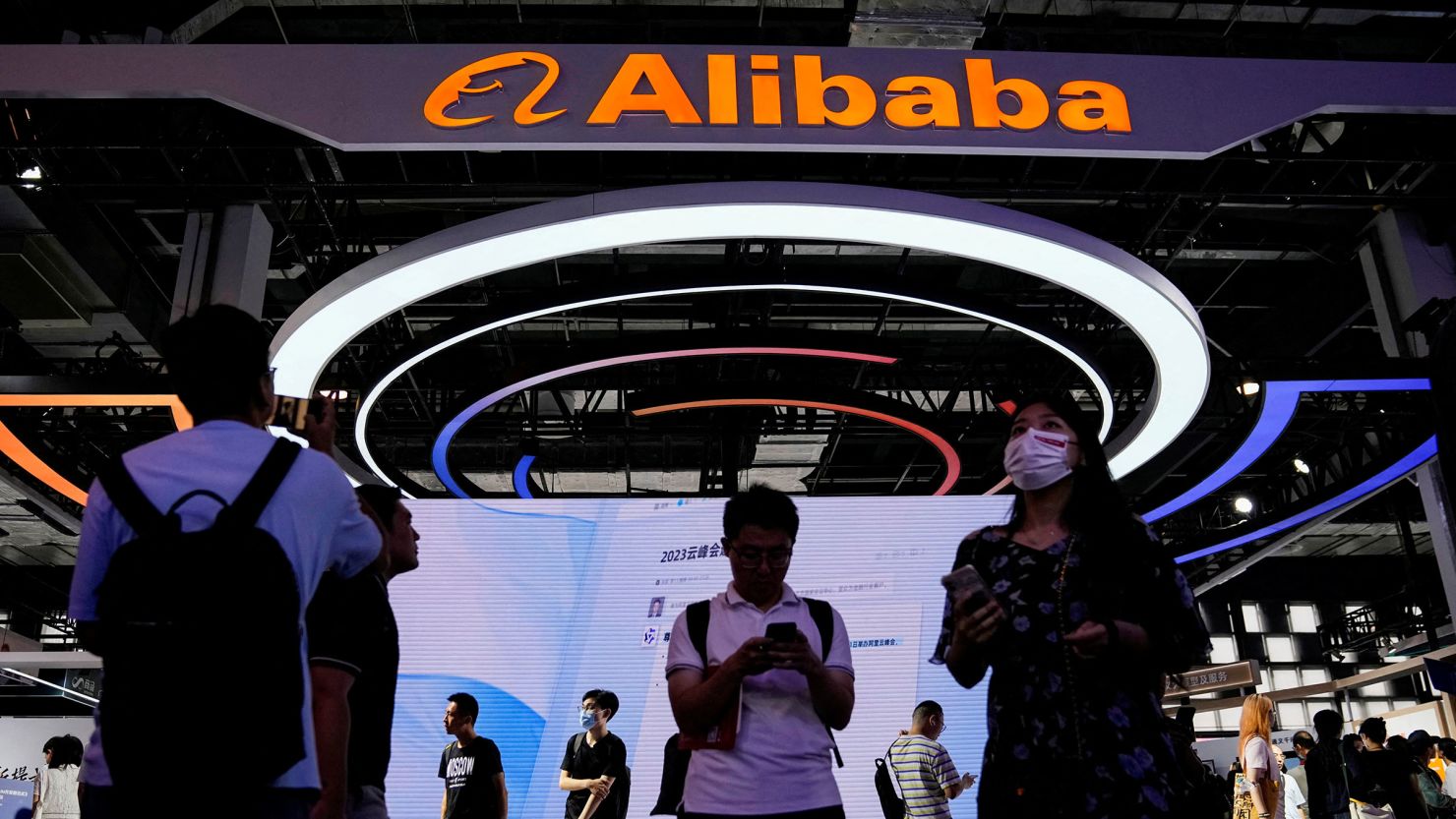
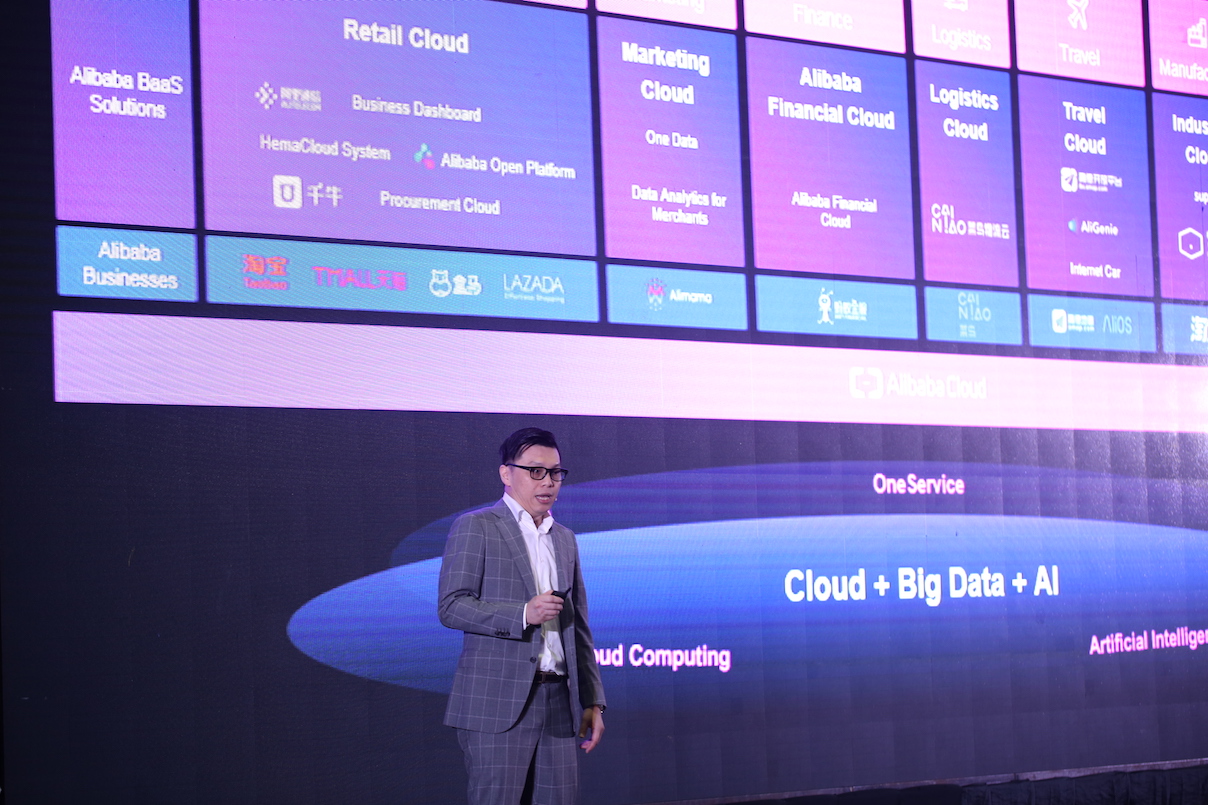
Alibaba is headquartered in Hangzhou, China, but functions as a truly global ecosystem serving over 190 countries and regions. While its roots and the majority of its manufacturing base are located in China, the platform facilitates cross-border trade between businesses worldwide, supporting diverse regions through localized logistics, specialized payment solutions, and a growing network of international sellers.
The Origin and Identity of Alibaba Group
To understand the concept of "Alibaba country," one must first distinguish between the company's corporate headquarters and its operational reach. Founded in 1899 by Jack Ma and a team of 17 others in Hangzhou, China, Alibaba Group began as a B2B portal (Alibaba.com) designed to connect Chinese manufacturers with international buyers. As of 2026, Hangzhou remains the technological and administrative heart of the empire, housing the expansive Alibaba Campus.
However, labeling Alibaba as strictly a "Chinese company" ignores the decentralized nature of modern global e-commerce. Alibaba Group is a massive holding company with various subsidiaries that dominate specific geographic regions. For instance, while Alibaba.com is the global face of the brand, 1688.com serves the domestic Chinese market, and platforms like Lazada or Trendyol act as the primary "Alibaba" presence in Southeast Asia and Turkey, respectively. This multi-country strategy allows the company to navigate local regulations, languages, and consumer behaviors more effectively than a single centralized platform could.
The company's identity is intrinsically linked to the "World Electronic Trade Platform" (eWTP) initiative, which seeks to foster global trade by lowering barriers for small and medium-sized enterprises (SMEs). This initiative has led to the establishment of "hubs" in various countries, including Malaysia, Belgium, Rwanda, and Ethiopia, effectively creating physical and digital infrastructure that bridges the gap between the manufacturer's country and the buyer's country.
Geographical Scope: Where Does Alibaba Operate?
Alibaba.com operates in virtually every corner of the globe, with the exception of countries under comprehensive international trade sanctions. As of 2026, the platform supports over 40 different industries and provides translation services for dozens of languages, ensuring that a buyer in Brazil can seamlessly communicate with a supplier in Vietnam or China.
Primary Sourcing Countries
While China remains the dominant sourcing country on the platform due to its unparalleled manufacturing infrastructure, Alibaba has aggressively expanded its supplier base. Today, you can find significant clusters of verified "Gold Suppliers" in:
- Vietnam and Thailand: Frequently utilized for textiles, agriculture, and electronics assembly.
- India and Pakistan: Major hubs for apparel, home textiles, and surgical instruments.
- Turkey: A critical link for high-quality fashion and industrial machinery.
- Italy and the United States: Focused on premium machinery, food and beverage, and specialized industrial components.
Top Buying Countries
The demand side of Alibaba is equally global. The United States, India, Canada, Brazil, and Australia consistently rank among the top countries for active buyers. The platform’s ability to offer "Ready-to-Ship" products and "Customized" solutions caters to the varied needs of these markets, ranging from small dropshipping entrepreneurs in Europe to large-scale industrial procurement officers in the Middle East.
The Evolution of the Global Gold Supplier Program
Originally, the "Gold Supplier" designation was reserved for Chinese manufacturers. Recognizing the need for a more balanced global marketplace, Alibaba opened this membership to international sellers. In 2026, the Global Gold Supplier (GGS) program allows businesses in the U.S., Italy, South Korea, and other nations to list their products on the platform.
This shift has changed the "country of origin" dynamics on the site. A buyer interested in sustainable leather may now choose between a supplier in Guangzhou or a certified producer in Florence, both hosted on the same Alibaba interface. This expansion helps mitigate supply chain risks; if logistics are disrupted in one region, buyers can pivot to suppliers in a different "Alibaba country" to maintain their inventory.
For international sellers, joining the platform from their home country involves a rigorous verification process. Alibaba partners with third-party verification agencies (like SGS or TÜV Sheinland) to conduct on-site checks. This ensures that regardless of which country the supplier is based in, the buyer has a standardized level of trust and documentation to rely upon.
Shipping and Logistics: Connecting Every Country
The physical movement of goods from the supplier's country to the buyer's country is managed largely through Cainiao Smart Logistics Network, Alibaba's logistics arm. By 2026, Cainiao has established a "72-hour global delivery" goal, leveraging massive distribution centers and "smart" warehouses across Europe, Southeast Asia, and the Americas.
Understanding Incoterms by Region
When sourcing across borders, understanding International Commercial Terms (Incoterms) is vital. These terms define who is responsible for shipping costs, insurance, and customs duties.
- EXW (Ex Works): The buyer is responsible for the product from the moment it leaves the supplier’s factory.
- FOB (Free on Board): The supplier handles the transport to the port in their country; the buyer takes over from there.
- DDP (Delivered Duty Paid): This is increasingly popular for small businesses in 2026, as the supplier handles all shipping and customs fees, delivering the product directly to the buyer’s door.
Customs and Local Regulations
Every country has its own import regulations. For instance, shipping electronics into the European Union requires CE certification, while food products entering the United States must comply with FDA regulations. Alibaba provides "Trade Assurance" services that help facilitate these transactions, but the legal responsibility for compliance often rests with the "Importer of Record" in the destination country.
Payment and Financial Infrastructure Across Borders
One of the greatest hurdles in international trade is the secure transfer of funds between different currencies and banking systems. Alibaba’s Trade Assurance acts as an escrow service, holding the buyer’s payment until they confirm that the goods have been received and meet the agreed-upon quality standards.
In 2026, the platform supports localized payment methods to reduce transaction fees. Buyers can pay via:
- Credit/Debit Cards: Globally accepted but often carry higher fees.
- Wire Transfers (T/T): The standard for large industrial orders.
- Localized Bank Transfers: Available in regions like the EU (SEPA), the UK (Faster Payments), and Australia (BPAY).
- Digital Wallets: Support for Apple Pay, Google Pay, and various regional e-wallets.
This financial layer is what truly makes Alibaba a "country-agnostic" platform. By neutralizing the risk of cross-border fraud, it allows a small business in Kenya to trade with a manufacturer in Malaysia with the same level of security as a domestic transaction.
Regional Subsidiaries and Localized Platforms
Alibaba Group owns several companies that function as the local version of the platform in specific geographic clusters. If you are in one of these "Alibaba countries," you might interact with these subsidiaries more frequently than the main Alibaba.com site:
| Platform | Primary Region | Business Model |
|---|---|---|
| Lazada | Southeast Asia (Vietnam, Thailand, Philippines, etc.) | B2C and C2C Marketplace |
| AliExpress | Global (Strong in Russia, Spain, Brazil, USA) | B2C Small Quantity Retail |
| Trendyol | Turkey and Eastern Europe | Fashion and General Retail |
| Daraz | South Asia (Pakistan, Bangladesh, Sri Lanka, Nepal) | B2C E-commerce |
| 1688.com | Mainland China | Domestic B2B Wholesale |
| Tmall | Mainland China | Premium B2C Brand Retail |
Each of these platforms is tailored to the logistics infrastructure and payment preferences of its specific region. For example, Lazada has built its own last-mile delivery fleet in Indonesia to navigate the archipelago's unique geography, a feat that would be impossible to manage from a centralized Chinese office.
Challenges and Limitations by Country
Despite its global reach, using Alibaba is not without its regional challenges. Political tensions, trade wars, and sanctions can impact which countries are accessible.
Restricted Territories
Alibaba must comply with international law and Chinese export regulations. Consequently, users in countries under heavy international sanctions (such as North Korea or Iran) may find their access to Trade Assurance and international shipping services restricted or entirely blocked.
Language and Cultural Barriers
While AI-driven translation has improved significantly by 2026, nuances in technical specifications can still be lost. A "standard size" in the United States may differ from a "standard size" in China or Germany. Successful buyers often hire third-party inspection services located in the supplier's country to verify product quality before the shipment leaves the dock.
Quality Control and Jurisdictional Issues
If a dispute arises, the "country" of the contract becomes important. Most Trade Assurance disputes are mediated by Alibaba's internal team. However, if legal action is required, the jurisdiction is often limited to the supplier’s home country or the location specified in the Proforma Invoice. This makes the verification of the supplier's location a critical step in the procurement process.
Frequently Asked Questions
Is Alibaba only for products from China?
No. While China is the largest source of products, Alibaba.com hosts verified suppliers from over 190 countries. You can specifically filter your search results by "Supplier Country/Region" to find manufacturers in the USA, Europe, Vietnam, India, and elsewhere. This is particularly useful for businesses looking to diversify their supply chains or reduce shipping times by sourcing from a closer geographic region.
Does Alibaba ship to my country?
Alibaba.com itself does not "ship" products; rather, the individual suppliers on the platform ship to buyers. Most suppliers work with global freight forwarders and express couriers like DHL, FedEx, and UPS, which deliver to almost every country in the world. Additionally, Alibaba’s own logistics service, Cainiao, provides specialized shipping routes to major markets in North America, Europe, and Asia.
Which country has the most sellers on Alibaba?
China remains the country with the highest density of sellers, particularly in categories like consumer electronics, industrial machinery, and apparel. However, countries like Turkey (textiles and food), India (jewelry and textiles), and Vietnam (furniture and footwear) have seen massive growth in their seller counts on the platform as of 2026.
How do I know if a supplier is legitimate in their country?
Look for the "Verified Supplier" or "Gold Supplier" badge. These badges indicate that the supplier’s business license and physical location have been checked by a third-party inspection company. You can also view the "Factory Inspection" reports on the supplier's profile, which often include videos and photos of their facilities in their home country.
Can I pay in my local currency on Alibaba?
Yes, Alibaba supports payments in many major world currencies, including USD, EUR, GBP, CAD, AUD, and JPY. When you use Trade Assurance, the platform will often convert the total to your local currency at the checkout stage, allowing you to pay via local bank transfer or credit card without manually calculating exchange rates.
Practical Recommendations for Global Sourcing
To successfully navigate the "Alibaba country" landscape in 2026, buyers should take a strategic approach to geography. First, always filter by region if you are concerned about lead times or import duties; sourcing from a neighboring country can often save more in logistics costs than you might save on the unit price from a distant manufacturer.
Second, leverage Trade Assurance regardless of where the supplier is located. Even a supplier in a high-regulation country can have production delays or quality lapses. Finally, request a sample before committing to a bulk order. This allows you to verify not just the product quality, but also the supplier's ability to navigate the export process from their country and the efficiency of the shipping route to yours. By treating Alibaba as a global network rather than a single-source destination, businesses can build more resilient and cost-effective supply chains.