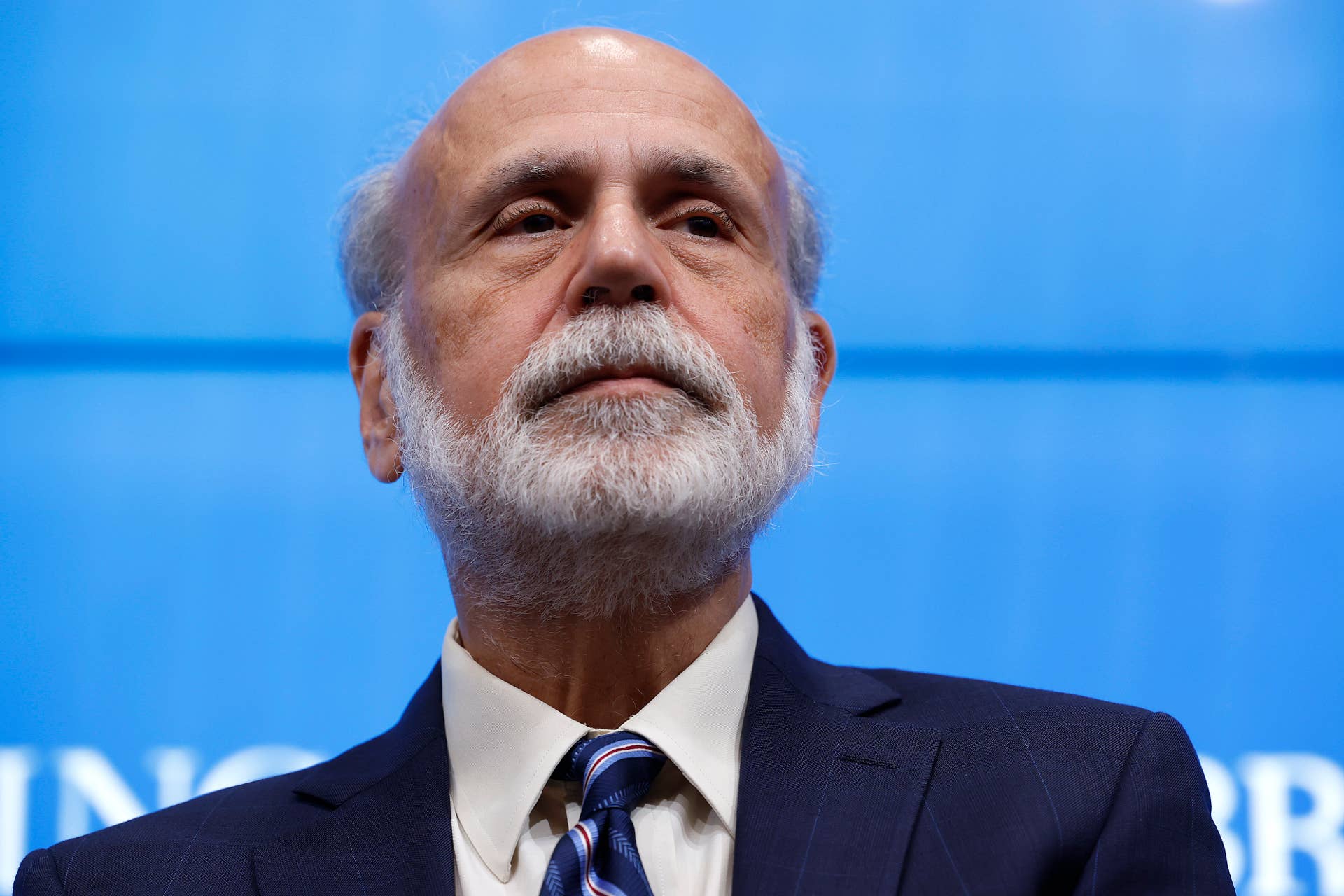
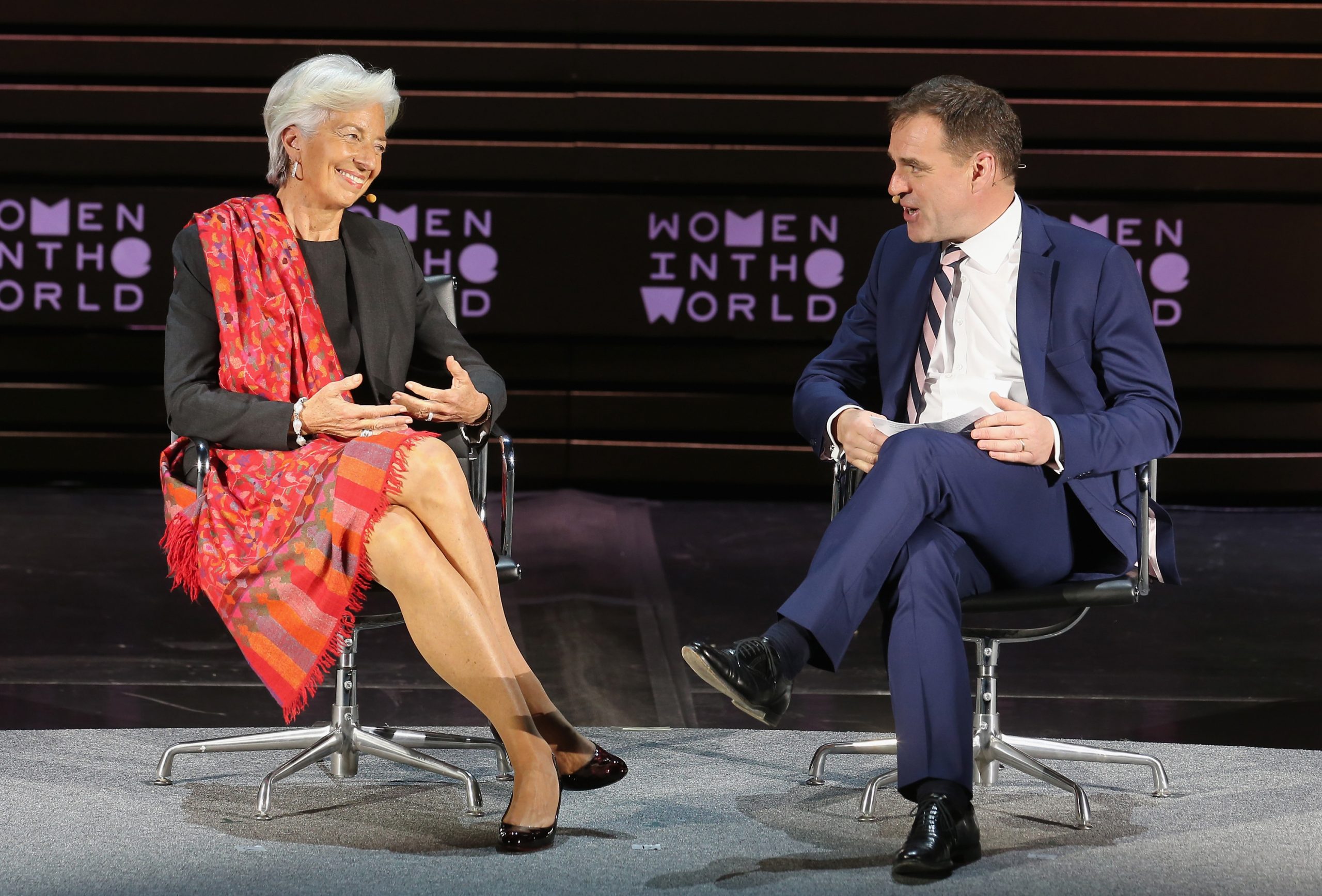
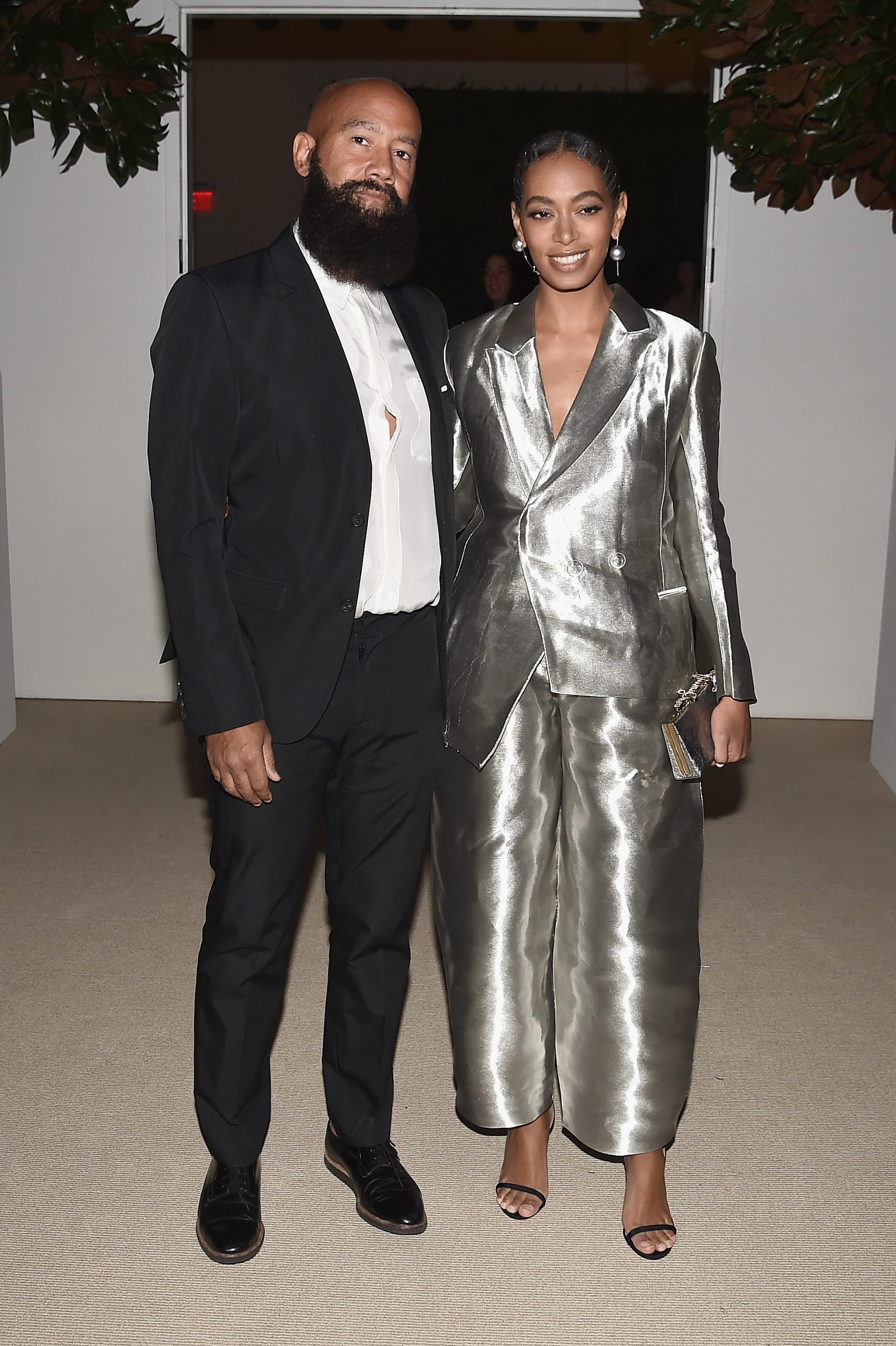
As of 2026, Alan Ferguson’s estimated net worth remains steady between $2 million and $5 million. This valuation is grounded in his three-decade career as a premier music video director for icons like Beyoncé and Jay-Z, his creative direction for major brand campaigns, and his strategic management of intellectual property within the visual arts sector.
Understanding the Career Foundation of Alan Ferguson
To accurately assess Alan Ferguson’s position within the modern net worth landscape, one must first evaluate the architectural phases of his career. Unlike mainstream pop stars whose wealth is often tied to touring cycles and streaming royalties, Ferguson’s financial identity is built upon the "work-for-hire" and "creative consultant" models prevalent in the high-end production industry.
Ferguson began his ascent in the late 1990s and early 2000s, a period often referred to as the "Golden Age" of music video budgets. During this time, labels were known to spend upwards of $500,000 to $1 million on single music videos. As a director who could deliver a specific, high-concept aesthetic, Ferguson commanded significant day rates and production fees. His work with artists like The Roots, Janelle Monáe, and Fall Out Boy established him as a versatile visionary, capable of crossing genre lines—a trait that significantly increases a director's marketability and long-term earning potential.
By 2026, the "Ferguson Aesthetic"—characterized by symmetry, bold color palettes, and cinematic framing—has become a benchmark in the industry. This legacy allows him to pivot into high-ticket commercial directing and creative consulting, where the margins are often higher than in the traditional music video space.
The Economics of Music Video Directing in the 2020s
The net worth landscape for a director like Ferguson is influenced by the evolving economics of digital media. In the early part of his career, revenue was primarily driven by television rotation (MTV, BET, VH1). Today, the landscape is dominated by YouTube, TikTok, and luxury brand partnerships.
Fee Structures and Profit Margins
A director’s compensation is typically structured as a "director’s fee," which is a percentage of the total production budget. For a high-tier director, this fee usually ranges from 10% to 15% of the gross budget. If Ferguson is attached to a $300,000 music video project, his baseline take-home might be $30,000 for a few weeks of work, excluding any ownership stakes in the production house used for the shoot.
However, the real wealth in the visual arts landscape is found in commercials. Top-tier directors frequently helm 30-second spots for global brands. In these instances, the daily "bid" for a director can exceed $20,000 to $50,000. Ferguson’s ability to blend high-art sensibilities with commercial appeal has likely allowed him to maintain his net worth despite the general decline in music video budgets industry-wide.
Intellectual Property and Residuals
While music video directors rarely receive royalties (unlike songwriters), they do benefit from "reuse fees" and "buyouts." In 2026, the contractual nuances of AI-generated content and digital likenesses have added a new layer to these agreements. Veteran directors often negotiate "points" or creative producer credits on larger multimedia projects, which provides a more sustainable income stream than a one-time fee.
Decoding the "Net Worth Landscape" for Visual Artists
When we talk about the "net worth landscape," we are referring to the total sum of an individual’s financial assets minus their liabilities, viewed within the context of their specific industry. For Alan Ferguson, this landscape is composed of several distinct pillars:
- Liquid Assets: Cash reserves generated from high-volume production cycles.
- Tangible Assets: Real estate holdings and physical production equipment.
- Intellectual Capital: The "brand equity" of his name, which allows him to secure funding for independent films or art installations.
- Legacy Contracts: Ongoing relationships with major labels and management firms that ensure a steady pipeline of work.
The net worth landscape is also influenced by external market forces. In 2026, the cost of high-end cinema equipment has fluctuated, but the value of a "human eye" in directing—as opposed to purely algorithmic content—has seen a premium increase. This "humanity premium" directly supports the valuation of veterans like Ferguson.
Key Financial Milestones and Project Impacts
Several pivotal moments have defined Ferguson's financial trajectory. His collaboration with Solange Knowles on the visual components of A Seat at the Table (2016) was not just an artistic triumph but a massive career catalyst. Directing "Cranes in the Sky" and "Don't Touch My Hair" elevated his status from a "music video guy" to a "cinematic artist."
In the financial world, this transition is crucial. Cinematic artists are eligible for grants, museum commissions, and high-level creative director roles at fashion houses. These roles often come with six-figure retainers that provide a buffer against the boom-and-bust nature of freelance directing.
Comparative Industry Standings (2026 Estimates)
To understand where Alan Ferguson sits, it is helpful to compare the typical financial profiles of different tiers of visual creators in the current 2026 market.
| Creator Tier | Primary Revenue Source | Estimated Net Worth Range | Key Asset Type |
|---|---|---|---|
| Emerging Digital Director | Viral Social Content / Small Brand Deals | $100k – $500k | Social Following / Equipment |
| Mid-Career Music Director | Label Budgets / Mid-Tier Commercials | $500k – $1.5M | Production House Shares |
| Veteran Visual Artist (Ferguson Tier) | High-End Commercials / Creative Consulting | $2M – $5M | Legacy Brand Equity / Real Estate |
| Elite Film/MV Crossover (A-List) | Feature Films / Global Luxury Campaigns | $10M – $50M+ | Intellectual Property / Production Studios |
Real Estate and Private Asset Considerations
A significant portion of any high-profile individual’s net worth is tied to real estate. Ferguson has historically maintained a presence in New Orleans, a city with a unique real estate market that often yields high appreciation for historical properties. Following his high-profile marriage and subsequent divorce from Solange Knowles, Ferguson has maintained a relatively private lifestyle.
In the 2026 landscape, privacy is itself a financial asset. By avoiding the "influencer" trap of constant consumption and public display, Ferguson has likely mitigated the "lifestyle creep" that often depletes the fortunes of entertainment professionals. His financial strategy appears to be one of stability and "stealth wealth," focusing on sustainable long-term projects rather than short-lived viral moments.
The Impact of Industry Shifts on Ferguson's Valuation
As we navigate 2026, two major shifts have impacted the net worth landscape for directors: the democratization of technology and the rise of experiential media.
Technological Democratization
With high-quality 8K cameras now accessible to the masses, the "technical barrier" to entry has vanished. However, the "creative barrier" remains. Ferguson’s net worth is protected by the rarity of his specific vision. Clients are not paying for the camera he uses; they are paying for his ability to manage a 100-person crew and execute a complex visual metaphor. This distinction keeps his day rates high even as the cost of production technology drops.
Experiential Media
In 2026, artists are moving beyond screens. Directing immersive concert visuals, VR experiences, and digital art galleries are the new frontiers. Ferguson’s experience with large-scale aesthetics makes him a prime candidate for these projects, which often have massive budgets backed by tech companies or global luxury conglomerates. Participation in these emerging fields provides a significant upward pressure on his net worth.
Navigating Ambiguity in Net Worth Reporting
It is important to address the inherent ambiguity in celebrity net worth figures. Most publicly available numbers are based on "best-guess" estimates derived from known contracts, property records, and industry standard rates. For Alan Ferguson, the $2M to $5M range accounts for:
- Tax Implications: High-earning directors often operate through S-Corporations or LLCs to manage tax liabilities, which can obscure personal liquid wealth.
- Production Overheads: Not all money paid to a director is profit; significant portions go toward insurance, agents, and union dues (DGA).
- Market Fluctuations: The value of creative services fluctuates with the health of the advertising industry.
Despite these variables, Ferguson’s consistent output and high-level clientele suggest a robust and well-managed financial profile.
Common Pitfalls in Assessing Creative Wealth
When analyzing the net worth landscape of someone like Alan Ferguson, observers often make three primary mistakes:
- Confusing Revenue with Profit: A $1 million music video budget does not mean the director makes $1 million. Understanding the "below-the-line" costs is essential for an accurate net worth assessment.
- Ignoring the "Divorce Factor": Public figures who go through high-profile divorces often see a redistribution of assets. Ferguson's 2019 split was reportedly amicable, but it naturally shifted his individual balance sheet compared to the joint assets held during the marriage.
- Undervaluing Long-Term Influence: Some directors burn out quickly. Ferguson's longevity is his greatest financial asset. A director who remains relevant for 30 years accumulates a "compounding interest" of industry connections and trust.
FAQs About Alan Ferguson and the Net Worth Landscape
What is the main source of Alan Ferguson's wealth in 2026?
His primary income stems from directing high-end commercials and music videos, supplemented by creative consulting for major artists and brands. While music videos provided the fame, commercial contracts provide the consistent high-margin revenue necessary to maintain a multi-million dollar net worth.
Has Alan Ferguson's net worth increased since his divorce from Solange?
While his individual net worth may look different than his previous household net worth, Ferguson has continued to work steadily. His reputation as a top-tier director has allowed him to secure high-paying projects independently, suggesting a stable upward trajectory in his personal financial standing.
How does Alan Ferguson compare to other music video directors financially?
He sits in the upper echelon of the industry. While he may not have the massive diversified wealth of a director like Hype Williams or Michael Bay (who transitioned into blockbuster films), he is significantly more affluent than the average working director due to his A-list client history and commercial viability.
Does Alan Ferguson own a production company?
Historically, directors of Ferguson's caliber often work through major production houses like Directors Bureau or Caviar, or they form their own boutiques. Ownership in a production entity significantly boosts net worth as it allows the individual to collect a portion of the "mark-up" on every crew member and piece of equipment used in a shoot.
Is Alan Ferguson involved in any other business ventures?
Beyond film and music videos, Ferguson is often involved in creative direction for live performances and art installations. These ventures are typically private contracts, but they contribute to his overall financial landscape by diversifying his income streams beyond traditional film sets.
Practical Guidance: Assessing Your Own Professional Landscape
While most people are not directing Beyoncé videos, the principles of the "net worth landscape" apply to any career. To build a sustainable financial profile similar to the model Ferguson has followed, consider these actions:
- Focus on a "Signature": Develop a unique skill or aesthetic that cannot be easily replaced by automation or lower-cost competitors. This "Humanity Premium" is what keeps rates high.
- Diversify Within Your Niche: Ferguson didn't just do rap videos; he did indie rock, pop, and commercials. Diversification protects you from sector-specific downturns.
- Prioritize Longevity Over Hype: Building a 30-year career requires maintaining professional relationships and a clean reputation. In the net worth landscape, "Brand Trust" is a liquid asset.
- Understand Your Contractual Value: Whether you are a freelancer or an employee, knowing the "market bid" for your services is the first step in managing your net worth.
Final Recommendation: For those tracking the financial evolution of creative professionals, Alan Ferguson serves as a masterclass in professional stability. His net worth is not a product of a single "hit" but the result of a disciplined, high-quality output sustained over decades. If you are looking to emulate this success, focus on building a specialized body of work that commands a premium in the high-end commercial market.