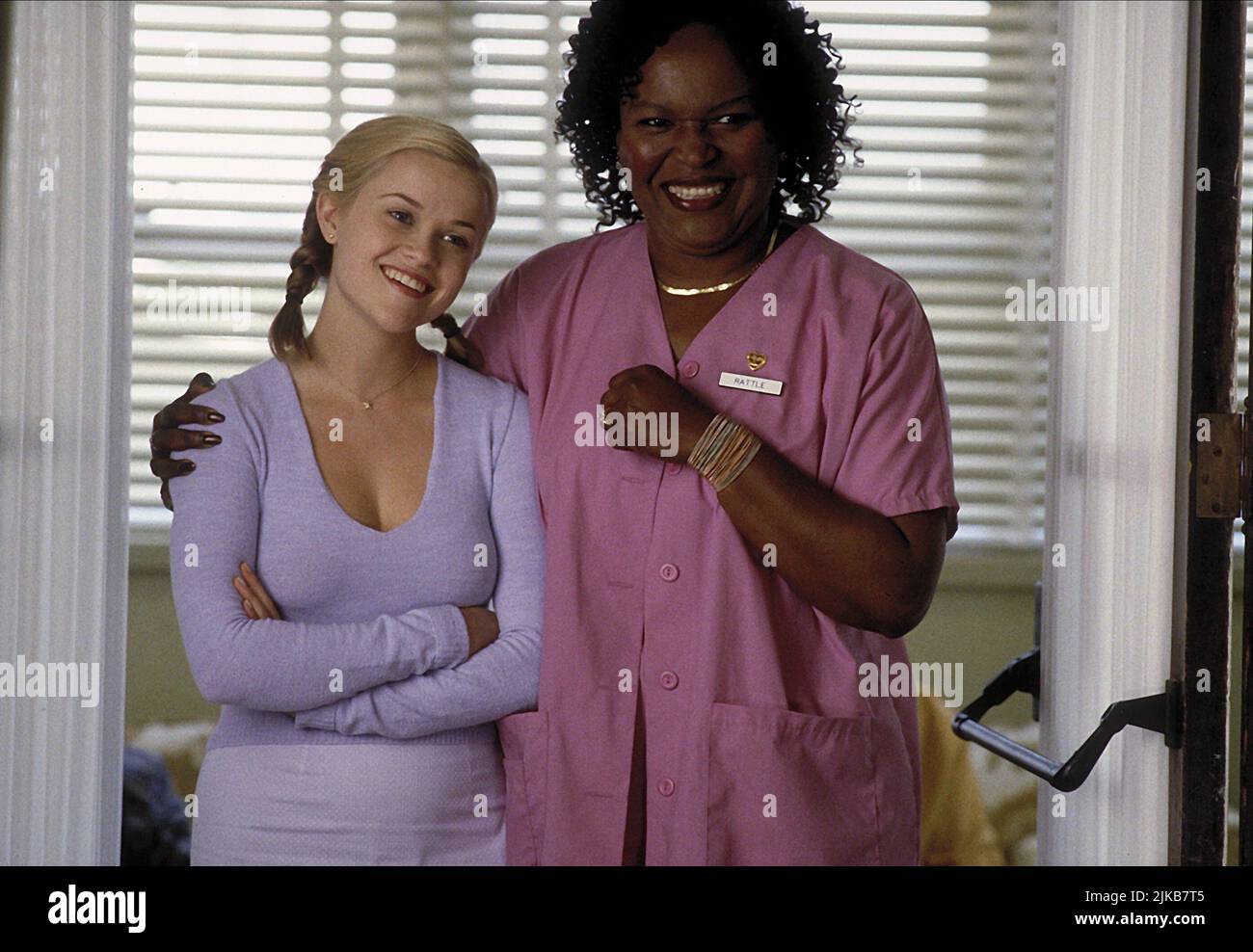
At the time of her death on December 17, 2009, Alaina Reed Hall had an estimated net worth of $500,000 to $1 million. Her financial standing was the result of a prolific career spanning Broadway, a twelve-year tenure on Sesame Street, and a starring role in the hit sitcom 227.
Alaina Reed Hall (often credited as Alaina Reed or Alaina Reed Amini) was a cornerstone of American television for over three decades. While she did not possess the massive wealth associated with modern A-list movie stars, she maintained a consistent and respected presence in the entertainment industry, earning a steady income that reflected her status as a versatile character actress and vocalist. Understanding her net worth requires looking past the final number and examining the economic realities of television actors in the late 20th century.
The Foundation of Her Career: Broadway and Early Success
Alaina Reed Hall began her journey not on a television set, but on the stage. Her early career in the 1970s was defined by her powerful voice and stage presence, which landed her roles in some of the most iconic productions of the era.
In 1970, she appeared in the off-Broadway production of The Me Nobody Knows, and she eventually transitioned to major Broadway hits. Her performance in the original production of Chicago and the iconic musical Hair provided her with a professional foundation. During this period, Broadway salaries were regulated by the Actors' Equity Association, ensuring a living wage but rarely leading to the multi-million dollar "star" contracts seen in the film industry.
These early years were critical for her long-term financial health. Broadway performers often utilized their earnings to invest in further training and to establish residency in New York City, which was then the hub for both theater and the blossoming world of educational television. Her reputation for reliability and talent caught the attention of producers at the Children’s Television Workshop, leading to the role that would define her career for over a decade.
The Sesame Street Years (1976–1988)
In 1976, Hall joined the cast of Sesame Street as Olivia Robinson, the sister of Gordon. For twelve years, she was a regular face on the program, providing music, warmth, and educational guidance to millions of children.
The Economics of Public Television
It is important to distinguish the financial structure of Sesame Street from that of commercial network television. As a production of the Children's Television Workshop (CTW), Sesame Street operated on a different scale than NBC or CBS. While the show was globally successful, the salaries for cast members were generally modest compared to those of sitcom stars.
Cast members on Sesame Street during the 1970s and 80s were paid according to educational television standards. While these roles provided remarkable job security—twelve years of consistent employment is a rarity in acting—they did not typically include the lucrative residual packages found in commercial syndication. Most of the revenue generated by Sesame Street was reinvested into the production and the CTW’s educational mission.
Diversifying Income
During her time on Sesame Street, Hall was able to supplement her income with voice-over work, commercial jingles, and guest appearances. Her dual role as a singer and actress made her highly marketable for various media projects. By the mid-1980s, her consistent work on public television had given her the financial stability to transition into the more lucrative world of prime-time commercial television.
The Prime-Time Peak: 227 and Commercial Success
In 1985, while still appearing on Sesame Street, Hall took on the role of Rose Lee Holloway on the NBC sitcom 227. The show, which starred Marla Gibbs, became a major hit, running for five seasons until 1990. This era represented the peak of Hall's earning potential.
Sitcom Salaries and Syndication
Commercial network sitcoms in the late 1980s offered significantly higher paychecks than educational television. As a primary cast member, Hall would have earned a substantial per-episode salary. For a show that produced 116 episodes, this resulted in a significant accumulation of wealth.
Furthermore, 227 entered the world of off-network syndication. In the late 20th century, syndication was the "gold mine" for television actors. When a show reached the magic number of 100 episodes, it could be sold to local stations for daily broadcasts. This generated residual payments for the cast members. While these payments decrease over time, they provided Hall with a steady stream of passive income for many years following the show's conclusion in 1990.
| Project Type | Key Examples | Primary Financial Impact |
|---|---|---|
| Broadway | Chicago, Hair | Established professional status and initial savings. |
| Public TV | Sesame Street | Provided long-term stability and consistent base salary (1976-1988). |
| Network TV | 227 | High per-episode salary and long-term residuals from syndication. |
| Film | Death Becomes Her, Cruel Intentions | Significant one-time fees for character roles in major studio films. |
| Voice Acting | The Adventures of Brer Rabbit | Supplemented income through the 1990s and early 2000s. |
Film Roles and Character Acting in the 1990s
Following the end of 227, Hall continued to work steadily throughout the 1990s and 2000s. Unlike many actors who struggle to find work after a major series ends, she transitioned seamlessly into character roles in major motion pictures and guest spots on popular television series.
Her film credits include:
- Death Becomes Her (1992): A high-profile role in a major studio production starring Meryl Streep and Goldie Hawn.
- Cruel Intentions (1999): A memorable supporting role as the nurse/assistant to the wealthy Valmont family.
- I'm Through with White Girls (2007): One of her final film appearances, showing her continued activity in independent cinema.
Guest appearances on shows like Ally McBeal, The Drew Carey Show, and ER kept her visible and ensured her SAG-AFTRA (Screen Actors Guild) pension and health benefits remained active. For a professional actor, maintaining these benefits is often as valuable as the immediate paycheck, as it provides security in later years.
Personal Life and Financial Transitions
Alaina Reed Hall's personal life also had a significant impact on her financial narrative. In 1988, she married actor Kevin Peter Hall, known for playing the titular creature in Predator and Harry in Harry and the Hendersons. Their marriage was a high-profile pairing within the industry.
Tragically, Kevin Peter Hall passed away in 1991 due to AIDS-related pneumonia after contracting the virus from a contaminated blood transfusion. His sudden death was both a personal tragedy and a significant life transition for Alaina. Managing an estate and transitioning to life as a single mother (she had two children from a previous relationship) required careful financial management.
She later married Tamim Amini in 2008, just a year before her passing. During the final decade of her life, she remained an active member of the Hollywood community, though her focus shifted toward guest roles and voice acting as she eventually began her battle with breast cancer.
Factors Affecting Her Net Worth at the Time of Death
When discussing a net worth of approximately $500,000 to $1 million in 2009, it is necessary to consider the context of the time and the costs associated with her health.
- Medical Expenses: Hall fought breast cancer for two years prior to her death in December 2009. Even with SAG-AFTRA health insurance, the out-of-pocket costs for advanced cancer treatments, specialized care, and loss of working time can significantly deplete an individual’s liquid assets.
- Real Estate: Like many long-term residents of Los Angeles, a portion of Hall's net worth was likely tied to her home. Property values in California remained a significant asset, even after the 2008 housing market crash.
- The Economy of 2009: It is worth noting that she passed away during the Great Recession. This period saw a decline in investment portfolios and property values globally, which likely impacted the final valuation of her estate.
- Legacy of Character Actors: Most character actors of Hall's generation did not earn the "backend" percentages (a percentage of the show's profits) that modern stars negotiate. Their wealth was built on salary, smart savings, and residuals.
Why Her Work Still Holds Value in 2026
As of 2026, the legacy of Alaina Reed Hall remains intact through the digital preservation of her work. Sesame Street archives and the continued streaming of 227 ensure that new generations are introduced to her talent.
From a financial perspective, her estate would continue to receive residuals from these broadcasts, though the amounts typically diminish as decades pass. However, her true "worth" in the industry was measured by her ability to bridge the gap between educational children’s media and prime-time adult comedy, a feat few actors have achieved with such grace and longevity.
Her career serves as a model for "working actors"—those who may not be household names on the level of a movie star but who build a substantial and comfortable life through dedication to their craft and a diverse portfolio of work.
Frequently Asked Questions
What was Alaina Reed Hall’s most famous role?
While many adults remember her fondly as Olivia from Sesame Street, she is equally famous for playing Rose Lee Holloway on 227. Rose was the level-headed, kind-hearted neighbor and best friend to Mary Jenkins (played by Marla Gibbs), and she was a fan favorite throughout the show's run.
Did Alaina Reed Hall have children?
Yes, she had two children from her first marriage. She was a devoted mother and often balanced her rigorous filming schedules on Sesame Street and 227 to ensure she could provide for her family.
What was the cause of Alaina Reed Hall's death?
Alaina Reed Hall passed away on December 17, 2009, at the age of 63. The cause of death was breast cancer, which she had been battling for approximately two years. She died at a hospital in Santa Monica, California.
Who was Alaina Reed Hall married to?
She was married three times. Her most notable marriage was to actor Kevin Peter Hall from 1988 until his death in 1991. At the time of her own death in 2009, she was married to Tamim Amini.
Is 227 still on TV today?
As of 2026, 227 continues to be available through various digital platforms and cable networks specializing in classic television. Its enduring popularity in syndication was a primary contributor to Alaina Reed Hall's financial stability in her later years.
Practical Recommendation: Preserving the History of Character Actors
For those interested in the financial history of television, Alaina Reed Hall’s career highlights the importance of diversification. Actors who rely solely on one medium often face financial instability when a show ends. By maintaining a presence in Broadway, voice acting, and film, Hall ensured a steady stream of income regardless of the status of her primary television show.
Researchers and fans should look to official archives such as the Paley Center for Media or the SAG-AFTRA Foundation for more in-depth look at the economic landscape for performers during the 1980s. These organizations provide context on how the industry's shift toward syndication and cable transformed the earning potential for character actors like Hall.