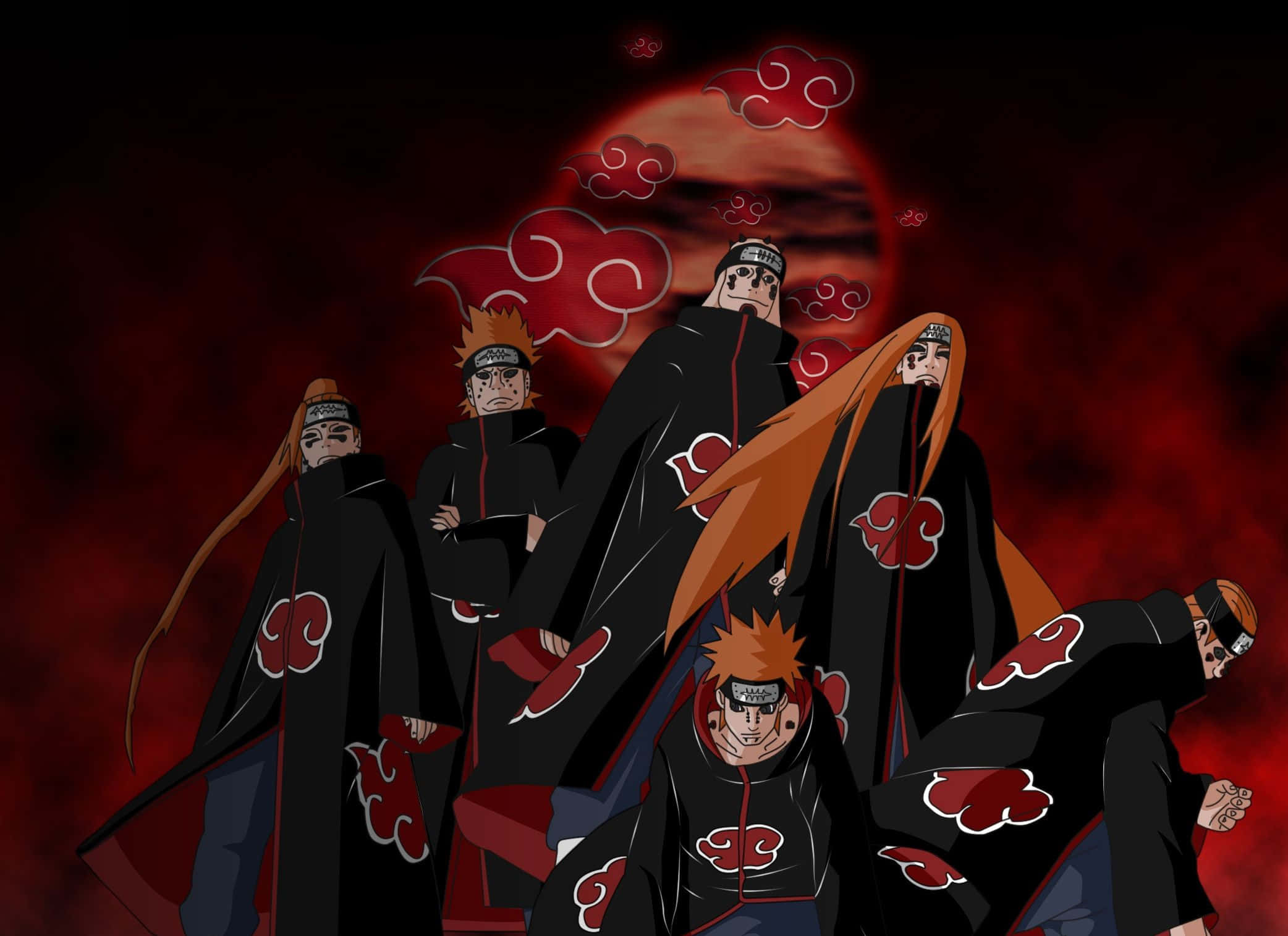
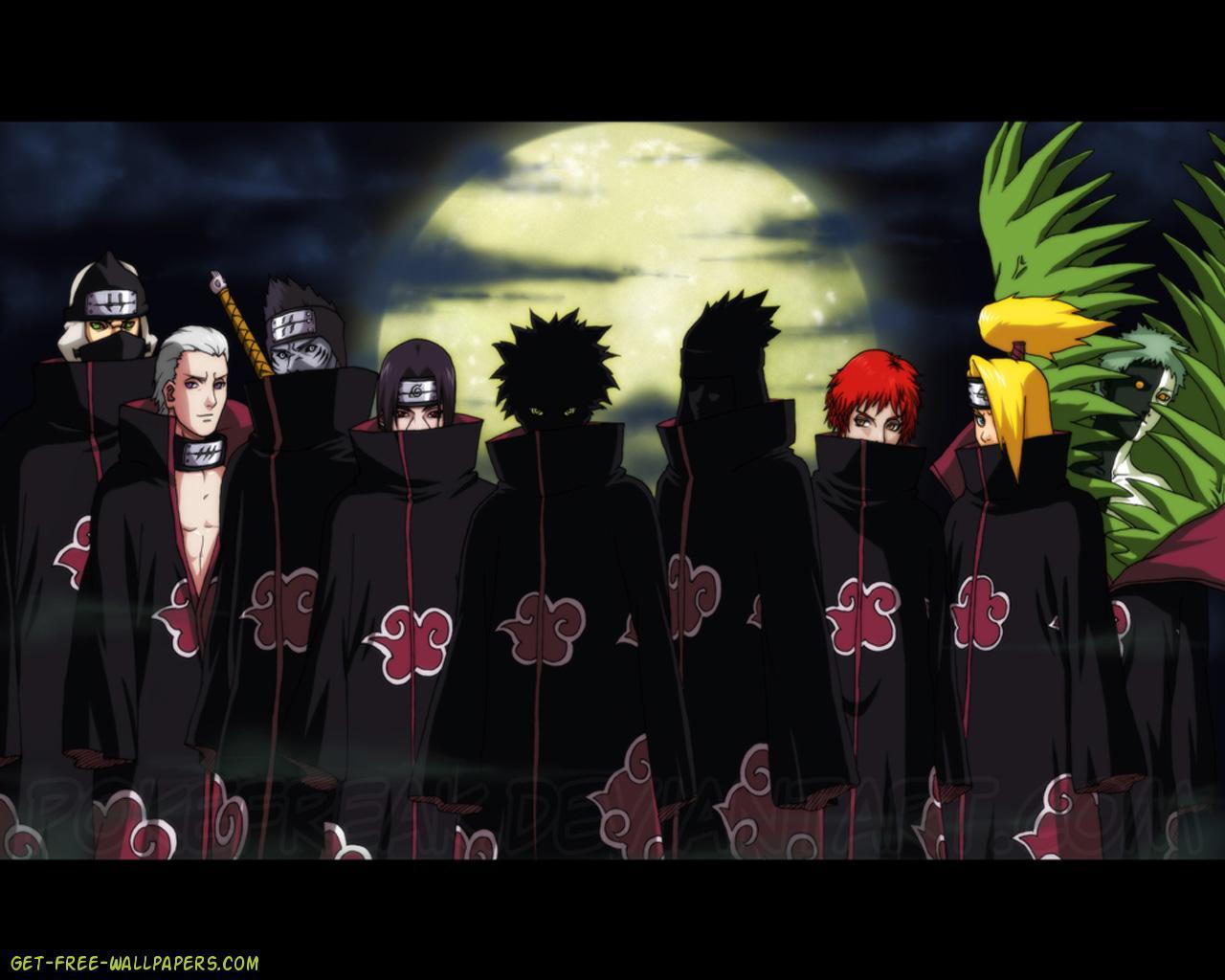
The Akatsuki SpongeBob phenomenon is a long-standing internet subculture and fan-art trend that reimagines characters from Nickelodeon’s SpongeBob SquarePants as members of the Akatsuki, the iconic criminal organization from the anime Naruto Shippuden. This crossover blends SpongeBob’s absurdist humor with the dark, stylish aesthetic of high-stakes anime.
By 2026, the "Akatsuki SpongeBob" aesthetic has transitioned from a niche internet meme into a cornerstone of streetwear-inspired fan art and digital creator culture. What began as simple MS Paint drawings in the late 2000s has evolved into high-fidelity digital illustrations, 3D animations, and massive commercial demand for unofficial merchandise. The appeal lies in the stark contrast: the innocent, nautical nonsense of Bikini Bottom clashing with the brooding, nihilistic world of shinobi mercenaries. To understand why this specific crossover remains a dominant force in pop culture, one must examine the character parallels, the psychological appeal of "hard" imagery, and the history of the two franchises.
The Core Concept: Red Clouds in Bikini Bottom
The Akatsuki is a group of ten elite ninjas who have defected from their respective villages in the Naruto universe. They are defined by their uniform: a long black cloak adorned with red clouds, which symbolize the rain of blood that fell during wars in their home territories. When these visual markers are applied to SpongeBob SquarePants, Patrick Star, or Squidward Tentacles, it creates an immediate cognitive dissonance that the internet finds irresistible.
In the world of Akatsuki SpongeBob, the whimsical settings of the Pacific Ocean are replaced with the rain-slicked streets of Amegakure (the Hidden Rain Village). The "Akatsuki SpongeBob" tag encompasses art where SpongeBob might possess the Rinnegan eye, Patrick Star wields a giant sword like Samehada, and the Krusty Krab is reimagined as a clandestine meeting ground for world-shaking conspiracies.
Historical Context: From DeviantArt to TikTok (2007–2026)
The crossover didn't appear overnight. It is the result of nearly two decades of "Gen Z" and "Millennial" nostalgia colliding.
- The Early Era (2007–2012): This period saw the first iterations of the crossover on platforms like DeviantArt and Newgrounds. Early fan artists capitalized on the popularity of Naruto's English dub on Toonami and the peak popularity of SpongeBob’s early seasons.
- The Meme Renaissance (2016–2020): With the rise of "ironic" humor, images of "Hard SpongeBob" (SpongeBob looking uncharacteristically tough or "gangster") began to circulate. The Akatsuki cloak became the preferred outfit for these edits because of its inherent "cool factor."
- The Modern Creator Era (2021–2026): By 2026, high-end artists and animators on platforms like Instagram and TikTok have created full-length parodies. These videos often feature SpongeBob characters voiced by AI-generated versions of the original voice actors, reciting lines from the Naruto anime over cinematic soundtracks.
Mapping the Characters: Who Becomes Who?
The success of the Akatsuki SpongeBob trend relies heavily on how well the personality of the Bikini Bottom resident matches the Naruto antagonist. The fan community has reached a general consensus on these roles, though variations exist.
SpongeBob SquarePants as Pain or Itachi Uchiha
SpongeBob is most frequently depicted as Pain (Nagato), the leader of the Akatsuki, or Itachi Uchiha, the tragic anti-hero.
- Why Pain? SpongeBob is the "center" of his universe. Depicting him with the Rinnegan and the metallic piercings of the Six Paths of Pain highlights the absurdity of his character being a god-like figure.
- Why Itachi? Itachi is defined by his loyalty and his hidden burden. Artists often use this to create a "serious" version of SpongeBob who has seen the "dark side" of the fry-cooking world.
Patrick Star as Kisame Hoshigaki
Patrick is almost exclusively paired with Kisame, the "Monster of the Hidden Mist."
- The Connection: Kisame is shark-like, and Patrick is a starfish. Both possess immense physical strength and a certain level of straightforwardness. Patrick carrying the "Samehada" (a sentient, scale-covered sword) has become one of the most iconic images in the crossover.
Squidward Tentacles as Sasori or Itachi
Squidward’s brooding nature makes him a perfect fit for the Akatsuki.
- Sasori of the Red Sand: Sasori is an artist who turned himself into a puppet to achieve "eternal beauty." Squidward, an aspiring artist who feels unappreciated, mirrors this obsession with aesthetic perfection.
- Visual Appeal: Squidward wearing the Akatsuki hat (the straw hat with bells) while playing a clarinet that shoots poison needles is a common fan-art trope.
Mr. Krabs as Kakuzu
This is perhaps the most accurate thematic pairing in the entire crossover.
- The Connection: Kakuzu is the Akatsuki’s treasurer, obsessed with money and possessing multiple "hearts." Mr. Krabs’ entire personality revolves around the acquisition of "money, money, money."
- The Execution: Fan art often shows Mr. Krabs using Kakuzu's "Earth Grudge Fear" technique, where black threads emerge from his claws to seize wallets and gold coins.
Sandy Cheeks as Konan
Sandy is the most capable fighter in Bikini Bottom, making her the natural choice for Konan, the only female member of the Akatsuki.
- The Connection: Konan uses paper-based ninjutsu. In the crossover, Sandy is often depicted using "Texas-style" paper techniques or high-tech shinobi gear that mimics Konan’s wings.
Plankton as Orochimaru or Zetsu
Plankton’s role as the small but persistent villain fits the "Mastermind" archetype.
- Orochimaru: Like Plankton, Orochimaru is a scientist obsessed with a specific secret (immortality/the Krabby Patty formula).
- Zetsu: Because of his small stature, Plankton is often depicted as the "White Zetsu" or "Black Zetsu," the spy who hides in the shadows and manipulates the main events.
Comparison of Character Traits and Crossover Roles
| Bikini Bottom Character | Akatsuki Counterpart | Key Shared Trait | Iconic Accessory/Ability |
|---|---|---|---|
| SpongeBob | Pain / Itachi | Centrality / Hidden Power | Rinnegan Eyes / Red Clouds |
| Patrick Star | Kisame Hoshigaki | Brute Strength / Aquatic | Samehada (Shark Skin Sword) |
| Squidward | Sasori / Itachi | Artistic Nihilism | Puppet Manipulation / Clarinet |
| Mr. Krabs | Kakuzu | Extreme Greed | Multi-heart Extraction |
| Sandy Cheeks | Konan | Tactical Proficiency | Paper Wings / Karate Jutsu |
| Plankton | Orochimaru | Scientific Ambition | Scientific Ninja Tools |
| Gary the Snail | Katsuyu (Summon) | Slow but Reliable | Acid Slime / Intel |
Why the Trend Persists in 2026
The longevity of Akatsuki SpongeBob can be attributed to three primary factors: Aesthetic Synergy, Nostalgic Convergence, and the "Hard" Image Culture.
1. Aesthetic Synergy
The Akatsuki uniform is objectively one of the most successful character designs in anime history. The high-contrast black and red scheme is visually striking and instantly recognizable. When applied to the bright, saturated colors of SpongeBob (yellow), Patrick (pink), and Squidward (teal), it creates a "pop-art" effect. This makes the images highly shareable on visual-first platforms like Instagram and Pinterest.
2. Nostalgic Convergence
By 2026, the children who watched SpongeBob in 2004 and Naruto in 2007 are now adults. This demographic (Gen Z) uses mashups to reconcile their childhood innocence with their more mature, complex interests. The Akatsuki SpongeBob represents a "loss of innocence" in a playful, creative way. It allows fans to celebrate two things they love simultaneously, creating a "double-hit" of dopamine through nostalgia.
3. The "Hard" Image Culture
Internet culture has a fascination with taking inherently "soft" or "cute" characters and making them look "hard" or "menacing." This began with Looney Tunes characters wearing baggy clothes in the 1990s and has evolved into the Akatsuki SpongeBob trend. There is a specific type of humor in seeing a sponge—whose primary characteristic is being "ready"—looking like he is about to trigger a "Shinra Tensei" to level a city.
Technical Execution: How Artists Create Akatsuki SpongeBob Art
Creating a compelling piece of Akatsuki SpongeBob art requires more than just putting a cloak on a sponge. In 2026, the standards for this genre have risen significantly.
- Line Weight and Shading: To mimic the Naruto style, artists use sharp, thin line art and cell shading. The "SpongeBob" elements must be slightly modified—larger eyes, more dramatic expressions, and dynamic "action poses" typical of Shonen anime.
- Symbolism: Successful pieces often include hidden details. For example, the hidden leaf symbol on a headband might be replaced with a "hidden pineapple" symbol, or the forehead protectors might have a horizontal scratch through a spatula icon instead of a village symbol.
- Backgrounds: Instead of the bright, floral sky of Bikini Bottom, these artworks use dark gradients, lightning, or swirling clouds to set a "serious" tone.
Impact on Streetwear and Merchandise
The Akatsuki SpongeBob trend has moved beyond the digital screen. In 2026, unofficial streetwear brands have capitalized on the look.
- Custom Sneakers: "Akatsuki Patrick" themed Jordans or Dunks, featuring the pink skin tone and the red cloud pattern, are highly sought-after items in the custom sneaker community.
- Embroidery: Small-scale creators on Etsy and Shopify produce embroidered hoodies where the red clouds are replaced with the silhouette of SpongeBob’s head.
- Enamel Pins: The "Akatsuki Squidward" pin has become a staple at comic conventions and anime expos, often serving as a conversation starter among fans of both genres.
Frequently Asked Questions
Is Akatsuki SpongeBob an official collaboration?
No, there has never been an official collaboration between Nickelodeon (Viacom) and the creators of Naruto (Masashi Kishimoto/Shueisha). Akatsuki SpongeBob is entirely a product of fan-made art, memes, and internet culture. While both brands are aware of their massive overlaps in fanbases, copyright complexities prevent a formal crossover.
Where did the "Hard SpongeBob" meme originate?
The "Hard SpongeBob" meme, which laid the groundwork for the Akatsuki crossover, originated on image boards like 4chan and Reddit. It involved taking characters from the show and placing them in "gangster" or "thug" contexts, often with excessive jewelry or weapons, as a form of surrealist irony.
Why is Patrick often paired with Kisame?
The pairing is largely due to their physical presence. Kisame is the "muscle" of the Akatsuki and has a distinct aquatic theme (shark). Patrick is the "muscle" of the SpongeBob trio and is a sea creature. The visual of Patrick Star wielding the massive Samehada sword is also humorously effective because it contrasts his usually dim-witted personality with a weapon that requires great skill to master.
Who is the "Pain" equivalent in the SpongeBob universe?
While SpongeBob is usually depicted as Pain due to his status as the protagonist, some fans argue that Squidward fits the "Pain" persona better because of his cynical outlook on life and his desire for the world to "know his pain" (usually through his clarinet playing).
Can I buy Akatsuki SpongeBob merchandise?
While you won't find it in major retailers like Walmart or Target, it is widely available through independent artist platforms. Websites like Redbubble, TeePublic, and various independent Instagram shops frequently stock Akatsuki-themed SpongeBob apparel, though these are unofficial and operate in the "grey area" of transformative fan art.
Summary and Next Actions
The Akatsuki SpongeBob crossover is a testament to the power of fan creativity and the enduring legacy of two of the most influential franchises of the 21st century. It bridges the gap between Western animation and Japanese anime, proving that some themes—like greed, loyalty, and the pursuit of art—are universal, whether they take place in a hidden village or under the sea.
If you are looking to engage with this trend in 2026, consider the following steps:
- For Artists: Experiment with "style-swapping" by drawing SpongeBob characters using the specific line-art thickness and color palette of the Naruto anime.
- For Collectors: Look for "Fan-Art Mashup" sections at local anime conventions, where you are likely to find high-quality prints and pins of the Akatsuki members of Bikini Bottom.
- For Fans: Explore social media tags like #AkatsukiSpongeBob or #ShinobiBottom to see the latest 3D animations and AI-voiced parodies that continue to push the boundaries of this meme.