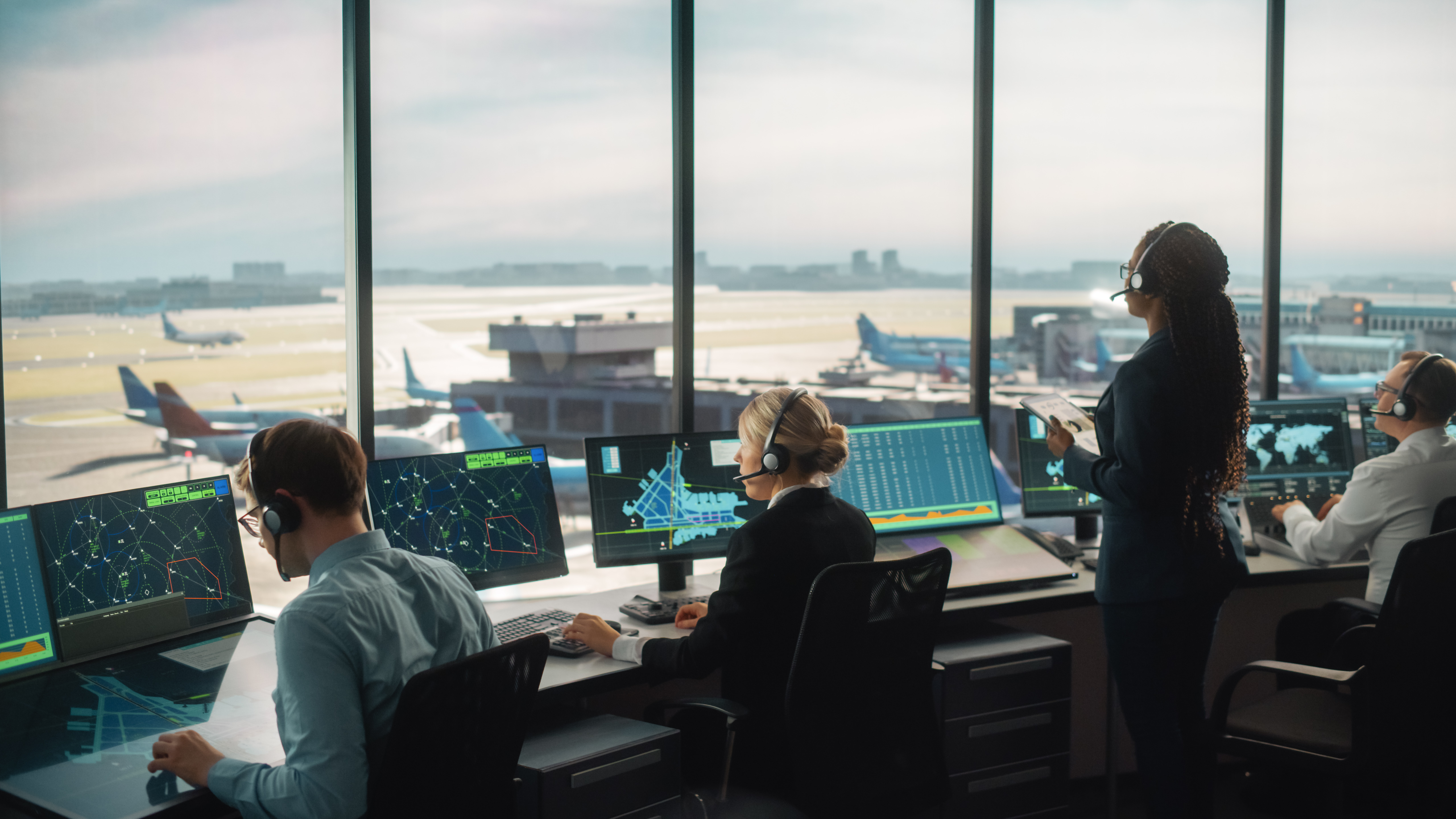
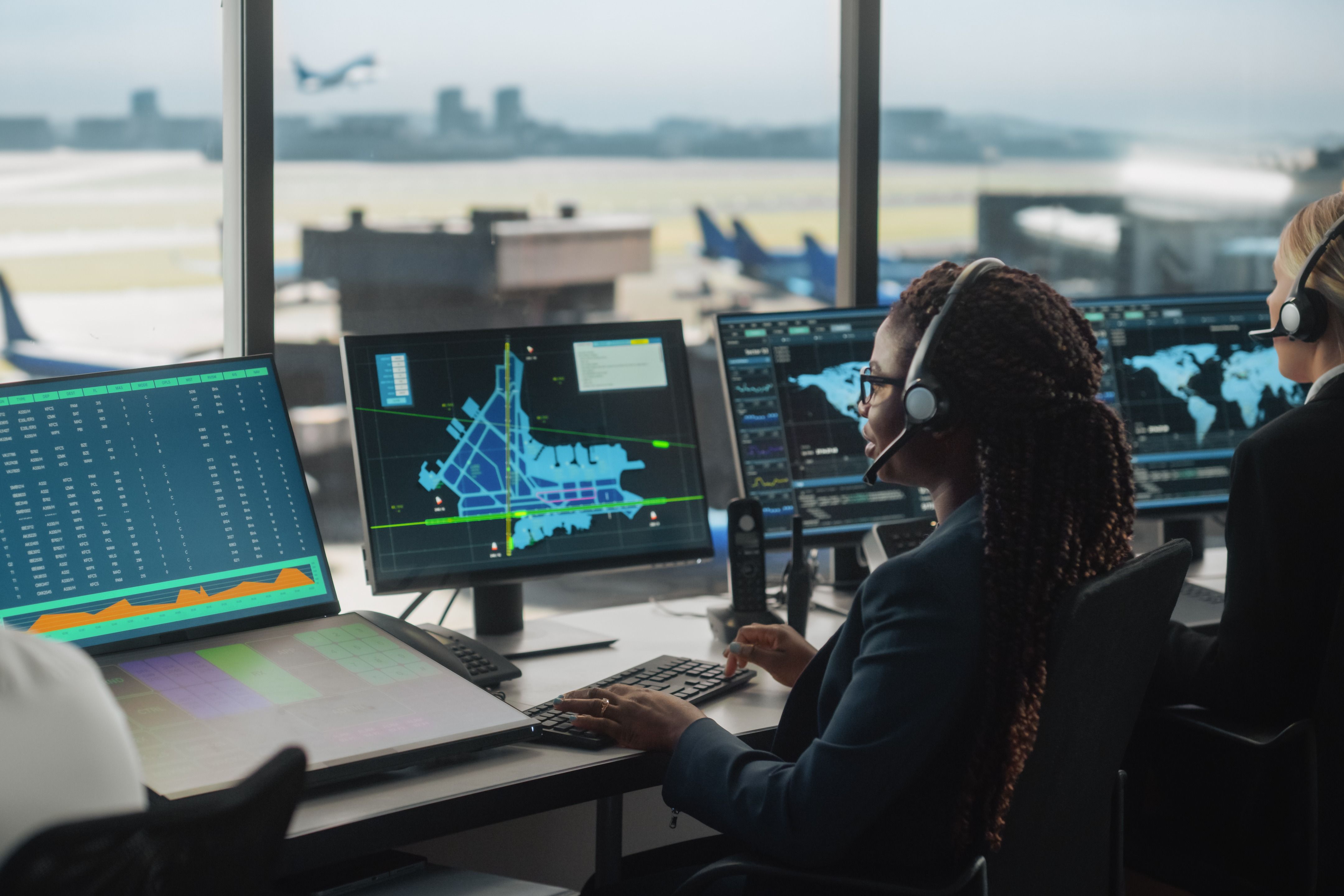
Listening to air traffic control (ATC) communications offers a fascinating window into the complex, highly regulated world of aviation. Whether you are an aspiring pilot looking to master phraseology, a flight simulation hobbyist seeking ultimate realism, or simply an aviation enthusiast curious about the dialogue unfolding above, tuning into live radio transmissions provides an immersive experience. Accessing these feeds requires understanding the underlying technology, navigating specialized online platforms, and interpreting the dense, standardized terminology used by controllers and pilots alike.
The Fundamentals of Air Traffic Control Communications
Air traffic control communications rely on VHF (Very High Frequency) and UHF (Ultra High Frequency) radio bands. Civilian aviation primarily operates within the VHF AM (Amplitude Modulation) band, specifically spanning from 118.000 MHz to 136.975 MHz.
Unlike FM (Frequency Modulation) radio used in commercial broadcasting, AM is chosen for aviation because it allows for "heterodyning." If two stations transmit on the same frequency simultaneously, a high-pitched squeal or dual audio overlay occurs rather than one signal completely overpowering the other. This ensures that pilots and controllers immediately recognize a blocked transmission.
Why AM Frequencies Are Used
- Line-of-Sight Propagation: VHF signals travel in straight lines. This means transmissions are generally limited by the curvature of the Earth and obstacles like mountains, though aircraft at high altitudes can transmit and receive over hundreds of miles.
- Frequency Sharing: The specific allocation of frequencies prevents congestion within regional sectors, separating ground control, clearance delivery, local tower control, approach/departure radar, and en-route center controllers.
Methods to Listen to Air Traffic Control
Depending on your goals, budget, and technical aptitude, you can listen to ATC via dedicated physical hardware or internet-based streaming services. Each approach offers distinct advantages for different types of listeners.
1. Online Streaming Platforms and Mobile Apps
For most modern listeners, web-based aggregators provide the easiest and most accessible entry point. Platforms like LiveATC.net aggregate thousands of feeds from receiver stations worldwide, allowing users to listen through a web browser or dedicated mobile application.
- Advantages: No equipment costs, global reach, ability to listen to major international hubs or small regional airports instantly, and access to archived audio in some cases.
- Disadvantages: A slight audio delay (often ranging from a few seconds to a minute) and total reliance on an internet connection and volunteer-run receiver sites.
2. Dedicated Hardware Scanners and SDR (Software-Defined Radio)
If you prefer zero latency or want to monitor local frequencies directly from the source without internet dependencies, physical radio scanners or USB RTL-SDR dongles are the ideal choice.
- Scanners: Handheld or base-station receivers programmed to scan aviation bands automatically. Brands like Uniden and Whistler manufacture dedicated analog and digital scanners.
- Software-Defined Radio (SDR): A USB stick plugged into a computer that transforms the PC into a wide-band radio receiver. Paired with free software like SDR# (SDRSharp) and an aviation band antenna, it allows users to visualize the radio spectrum visually and tune in with high fidelity.
| Listening Method | Equipment Cost | Setup Complexity | Latency | Portability |
|---|---|---|---|---|
| Online Streaming Apps | Free / Low (App purchases) | Low (Instant access) | Moderate (Seconds to minutes) | High (Smartphone required) |
| Handheld Radio Scanner | Moderate to High ($100 - $500+) | Low to Moderate | None (Real-time) | High (Battery operated) |
| USB SDR Dongle | Low ($30 - $60 total) | High (Requires PC and software) | None (Real-time) | Low (Requires laptop/PC setup) |
Anatomy of ATC Facilities and Frequencies
To listen effectively, you must understand the hierarchical structure of air traffic control. Flights do not talk to a single controller from gate to gate; instead, they transition through a sequence of specialized facilities.
[Clearance Delivery] ➔ [Ground Control] ➔ [Tower Control] ➔ [Departure Control] ➔ [En-Route Center] ➔ [Arrival/Approach] ➔ [Tower Control] ➔ [Ground Control]
- Clearance Delivery: The first frequency a departing IFR (Instrument Flight Rules) aircraft contacts. Controllers issue flight plan clearances, route amendments, and initial squawk codes.
- Ground Control: Manages all aircraft, vehicles, and pedestrian traffic operating on taxiways and ramp areas, excluding active runways.
- Local Tower Control: Controls active runway operations, including takeoffs, landings, and low approaches. Tower controllers issue absolute clearances for aircraft to cross or enter runways.
- Departure Control: A terminal radar control facility that guides aircraft away from the airport environment, managing initial climbs, vectoring, and handoffs to en-route controllers.
- En-Route Control (Air Route Traffic Control Centers - ARTCC / "Center"): Manages high-altitude traffic cruising between airports across vast geographical sectors.
- Approach Control: Guides inbound aircraft from the en-route structure down toward the destination airport, sequencing them for visual or instrument approaches.
Decoding Aviation Phraseology
Air traffic control communication utilizes standardized, concise phraseology established by the International Civil Aviation Organization (ICAO) and the Federal Aviation Administration (FAA). This standardized language eliminates ambiguity and minimizes transmission time.
Key Terminology and Phonetics
- The Phonetic Alphabet: Words like Alpha, Bravo, Charlie, Delta are used to spell out aircraft tail numbers (registrations), taxiways, and reporting points to prevent confusion over similar-sounding letters (e.g., 'B' and 'P').
- Numbers: Numbers are spoken with distinct pronunciations to avoid misinterpretation over static-heavy radios. For instance, the number 9 is pronounced "NINER."
- Readbacks: Pilots are required to read back critical instructions—such as runway assignments, altimeter settings, and heading changes—to confirm correct understanding.
Common Phrases Explained
- "Say Intentions": The controller is asking the pilot what they plan to do next, usually following an unexpected deviation, lost communication, or unusual request.
- "Squawk [Code]": Instructs the pilot to enter a specific four-digit transponder code into their aircraft's avionics system to identify their radar return.
- "Radar Contact": The controller has identified the aircraft on their radar scope and is actively tracking it.
- "Line Up and Wait": Instructs an aircraft to taxi onto the active runway, line up with the centerline, and hold position pending takeoff clearance.
Legal and Regulatory Considerations
Before setting up a receiver or streaming feed, it is essential to understand the legal boundaries governing radio monitoring.
In the United States, the Communications Act of 1934 (specifically Section 705, formerly Section 605) protects the privacy of wire and radio communications. However, air traffic control, marine radio, and amateur radio transmissions are explicitly exempted because they are broadcast openly for public safety and operational coordination. Consequently, listening to public VHF aviation bands using a personal scanner or streaming site is entirely legal for civilians in the United States and most other jurisdictions.
- International Variations: While legal in the US, Canada, and many European nations, certain countries strictly prohibit the possession of radio scanners or the public broadcasting of real-time ATC feeds. Always verify local telecommunications laws when traveling internationally.
- Operational Restrictions: Listening to ATC does not grant permission to transmit. Unauthorized transmission on aviation frequencies is a federal offense punishable by heavy fines and imprisonment.
Frequently Asked Questions
Can I get in trouble for listening to air traffic control?
No. In the United States and most countries, civilian air traffic control transmissions are public broadcasts. Listening to them via online streams, mobile apps, or personal radio scanners is entirely legal.
Why do some words sound clipped or distorted on ATC streams?
Aviation radios use Amplitude Modulation (AM) combined with squelch settings, narrow-band filters, and sometimes physical interference from distant towers or electrical equipment. Additionally, compression algorithms used by online audio streamers can introduce static artifacts.
How do I know which frequency to listen to for a specific airport?
You can find all active frequencies for any certified airport by consulting official aviation documentation, such as FAA Chart Supplements, or by looking up the airport on dedicated aviation database sites like AirNav or FlightAware.
Do I need to be a pilot to understand air traffic control?
No pilot license is required to listen. While the specialized phraseology can sound like a foreign language initially, most listeners become fluent in basic clearances, callsigns, and instructions after a few hours of active listening.
What is the difference between VFR and IFR communications?
VFR (Visual Flight Rules) communication tends to be less structured and focuses primarily on basic positional reporting and traffic advisories. IFR (Instrument Flight Rules) communication is tightly scripted, involving precise altitude assignments, routings, handoffs, and clearance readbacks.
Practical Next Steps for Enthusiasts
To begin your journey into monitoring air traffic control, download a reputable aviation radio app or visit LiveATC.net. Start by selecting a small, familiar regional airport rather than a massive international hub like Chicago O'Hare or London Heathrow; smaller airports feature slower communication tempos, making it much easier to isolate individual clearances, ground movements, and tower instructions. As your comprehension grows, gradually transition to busier terminal environments and en-route center feeds to experience the full spectrum of global aviation communications.