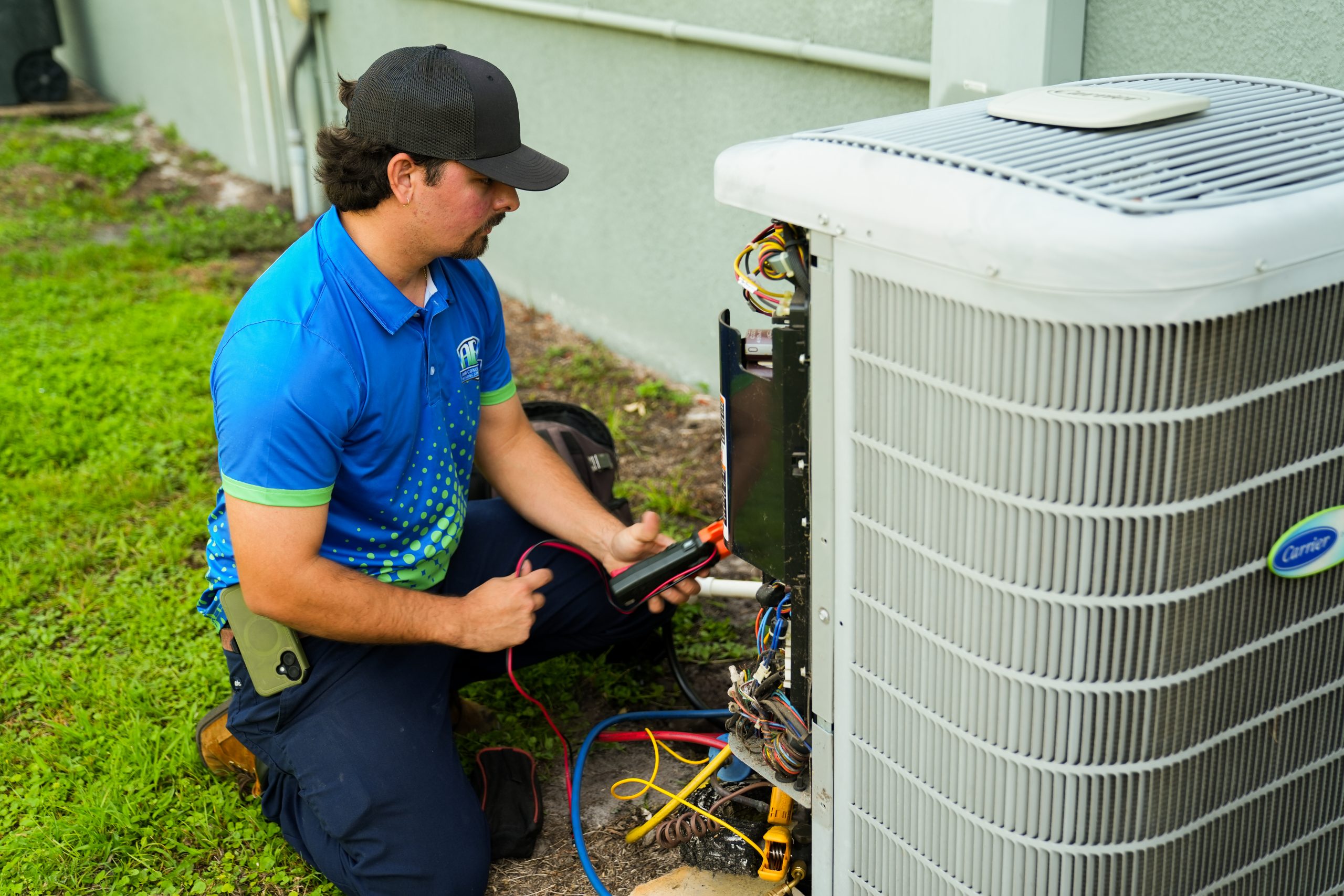
When facing HVAC failure, homeowners must balance immediate repair costs against the long-term efficiency and lifespan of their systems. Decision factors include the age of the unit, the nature of the mechanical fault, estimated remaining service life, and the cost of replacement versus repair. Understanding these variables allows for informed financial and technical choices.
The Financial Landscape of HVAC Repairs in 2026
Repairing heating and cooling systems is a significant household expense that fluctuates based on geographic location, equipment type, and current labor rates. In 2026, residential HVAC service providers continue to face supply chain stabilization, yet labor costs remain elevated due to a high demand for skilled trade professionals.
The cost of a typical service call—often called a "trip charge" or "diagnostic fee"—generally ranges from $80 to $200. This fee covers the technician’s time to travel to your home and perform an assessment. Critically, this fee is usually separate from the cost of parts and labor for the actual repair. If you choose to proceed with a repair, many companies will credit the diagnostic fee toward the total cost of the work, but this is a business-specific policy rather than an industry standard.
Variable Cost Drivers
Beyond the initial visit, several factors dictate the final invoice:
- Refrigerant Costs: Systems requiring older refrigerants, such as R-22, have become exponentially more expensive to service due to international production phase-outs and limited supply. If a system has a significant leak, the cost of "topping off" the refrigerant often outweighs the value of the repair.
- Proprietary Parts: Systems with specialized sensors, high-efficiency control boards, or proprietary variable-speed motors are more expensive to repair than standard, universal-fit components.
- Accessibility: If your furnace is tucked into a cramped attic or a difficult-to-reach crawlspace, labor costs will increase significantly. Technicians charge for the additional time and potential physical risk required to navigate these environments.
Assessing Repair Options: The 50% Rule
A common metric used by industry professionals is the "50% Rule." This suggests that if the cost of a repair is more than 50% of the current market value of your HVAC system, it is time to consider replacement. While this is a helpful rule of thumb, it requires an accurate assessment of your system’s remaining life.
Life Expectancy by System Type
Heating and cooling equipment has a finite operational window. By 2026 standards, a well-maintained central air conditioning system is expected to last 12 to 15 years, while gas furnaces may last 15 to 20 years. If your system is nearing the end of these windows, sinking substantial capital into repairs is often a poor investment.
Performance vs. Repair
Consider whether the repair will actually restore the system to its original efficiency. If you are repairing a 15-year-old AC unit to fix a minor electrical issue, that is a logical expense. However, if the repair involves replacing a compressor on an aging unit, you are essentially buying time on a machine that will likely suffer other mechanical failures within the next 24 months.
Comparison of Repair Decisions
| Scenario | Primary Action | Cost Consideration | Long-Term Outlook |
|---|---|---|---|
| Minor Component Failure | Repair | Low-to-Moderate | Extends unit life toward end-of-life expectancy |
| Refrigerant Leak | Evaluate | High (if R-22) | Likely indicates systemic age/deterioration |
| Heat Exchanger Crack | Replace | Very High | Safety hazard; high risk of carbon monoxide leaks |
| Obsolete Control Board | Replace | Moderate | May force a full system upgrade |
Critical Decision Factors for Homeowners
Deciding between a patch-job repair and a full system replacement requires analyzing several non-financial factors alongside the immediate price tag.
Safety and Regulatory Compliance
The most important decision factor is safety. A cracked heat exchanger in a gas furnace is a non-negotiable failure point. It cannot be safely repaired, only replaced. Continuing to operate a system with a compromised heat exchanger poses a direct threat of carbon monoxide poisoning. Similarly, if your system uses older, environmentally regulated refrigerants that are leaking, federal mandates and the extreme cost of maintenance make replacement the most practical and legal path forward.
Energy Efficiency Trends
HVAC technology has shifted heavily toward variable-speed blowers and multi-stage cooling. If your current unit is a single-stage, low-SEER (Seasonal Energy Efficiency Ratio) model, it is an "energy hog." Repairing an inefficient unit means you continue to pay high monthly utility bills for the next several years. A replacement unit, while expensive upfront, offers a lower cost of ownership over time through decreased electricity or gas consumption.
Warranties and Maintenance History
Review your existing documentation. Did you register your HVAC equipment with the manufacturer at the time of installation? Many modern warranties provide 10-year coverage for parts if registered, but only 5 years if not. If a major component fails and is covered by the manufacturer's warranty, the repair cost is limited to labor and refrigerant. If you have been diligent with bi-annual maintenance, the system’s internal components (like the evaporator coil) may be in better shape, justifying a repair that might otherwise be unadvisable.
Troubleshooting Before the Call
Before scheduling a high-cost service appointment, perform basic checks to ensure the issue is not user-error, which could save you a diagnostic fee:
- Air Filters: A clogged filter is the number one cause of system freeze-ups and blower motor strain. If your filter is grey or blocked with debris, replace it and wait two hours.
- Thermostat Settings: Check that your thermostat is set to "Cool" or "Heat" and that the batteries have not died. Ensure the set point is at least five degrees away from the current ambient room temperature.
- Circuit Breakers: Check your electrical panel for a tripped breaker. HVAC systems have dedicated circuits; if one trips, the unit will remain silent.
- Condensate Drain: In cooling mode, if the drain line is clogged, a float switch will often shut the system down to prevent water damage.
When to Seek a Second Opinion
If a technician quotes a repair cost exceeding $1,000, do not feel pressured to authorize it immediately. It is standard professional practice to request a second opinion. A different company might identify a less expensive solution or confirm that the equipment is indeed failing. When speaking with a second technician, provide the general findings of the first but allow them to perform their own independent diagnostic without bias.
Frequently Asked Questions
Is it worth repairing a 10-year-old air conditioner?
Generally, yes. If the system has been well-maintained and the repair is for a non-compressor component, such as a contactor or capacitor, the cost is usually low. If the compressor has failed, however, you must weigh the cost against the fact that the unit is reaching the end of its typical lifespan.
Does a home warranty cover HVAC repairs?
Home warranties often cover HVAC repairs, but they frequently include clauses regarding "pre-existing conditions" or "lack of maintenance." Always read the fine print of your specific policy regarding technician requirements and reimbursement caps before relying on them to cover a major repair.
Why is refrigerant so expensive?
Refrigerant is expensive because of government-mandated transitions to more environmentally friendly alternatives. Older refrigerants are being phased out, and the limited supply is subject to high market pricing. In 2026, the cost of R-22 is significantly higher than newer blends like R-410A or R-454B.
Should I repair or replace if I am moving soon?
If you plan to sell your home within the next year, prioritize the least expensive, reliable repair that ensures the system functions during the home inspection. Unless the HVAC system is so broken that it prevents the home from passing a sale inspection, a full replacement rarely provides a 100% return on investment when selling a property.
Final Recommendation
When facing a high-cost HVAC repair, document the age of your system, verify the specific part that failed, and calculate the cumulative cost of potential future repairs versus the price of a new, energy-efficient model. If your repair estimate exceeds 50% of the cost of a new system, or if your current unit relies on obsolete refrigerants, prioritize a full replacement to ensure safety, reliability, and long-term energy savings. Always obtain at least two quotes before committing to any repair costing more than $500.