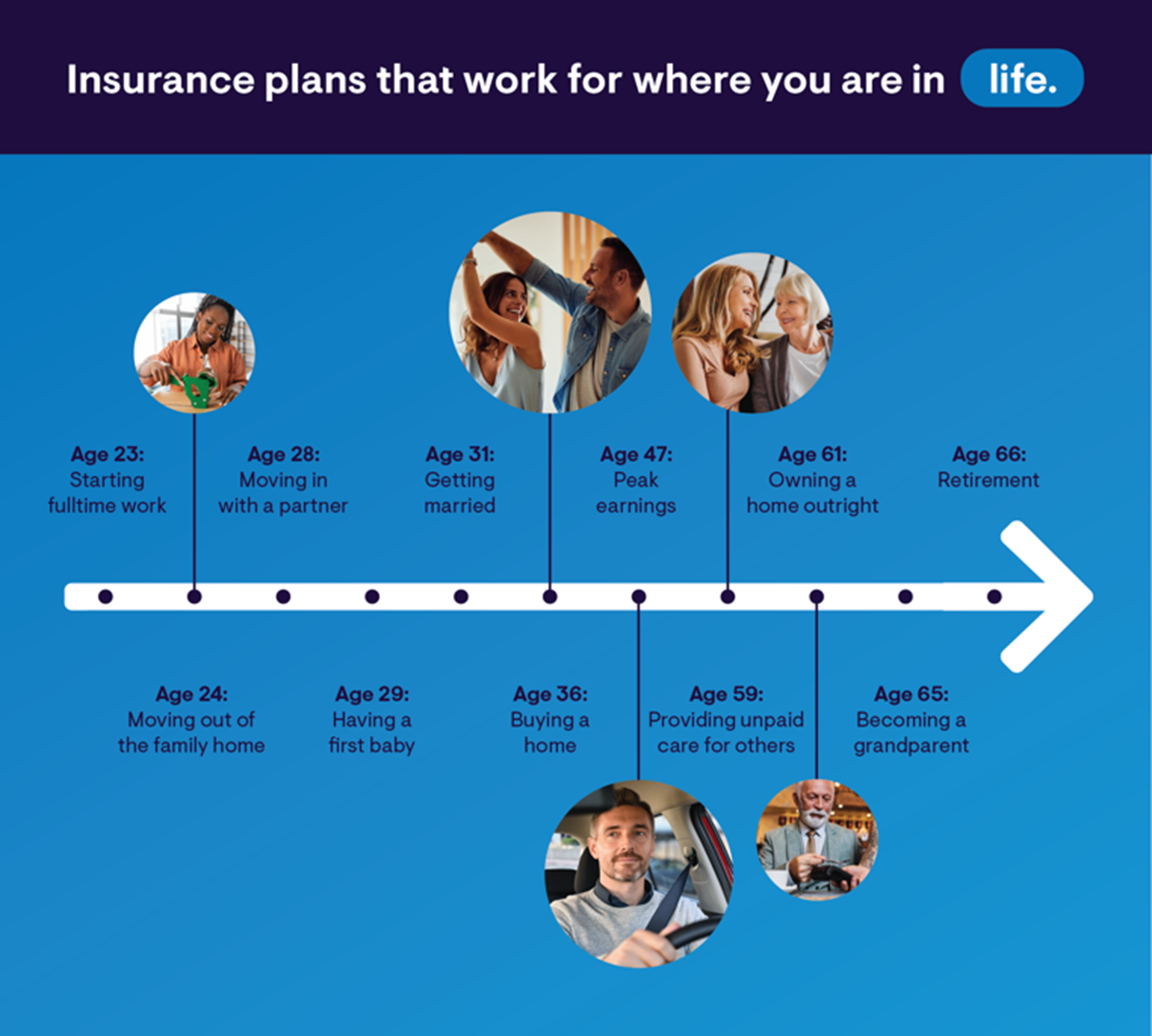
The AICPA Group Life Insurance plan, administered by Aon, provides CPA members with access to group-term life insurance coverage designed to supplement individual policies. Managed under the AICPA Insurance Trust, this program leverages the collective buying power of the accounting profession to offer competitive premiums and flexible coverage options, specifically structured to meet the needs of professionals at different career stages.
Understanding the Relationship: AICPA and Aon
To effectively navigate this insurance product, it is essential to distinguish between the roles of the American Institute of CPAs (AICPA) and Aon. The AICPA establishes the insurance trust and sets the overarching goals and standards for the insurance products offered to its members. Aon, a global professional services firm, acts as the plan administrator.
In its role as the administrator, Aon manages the day-to-day operations of the program. This includes handling inquiries regarding plan eligibility, processing applications for coverage, managing billing and premium collections, and assisting members with claims administration. While Aon serves as the primary point of contact for the policyholder, the actual underwriting and risk retention for the life insurance coverage are provided by an insurance carrier (historically Prudential Insurance Company of America for these programs). Understanding this distinction helps members direct their inquiries to the appropriate department—administrative questions to Aon, and underwriting or benefit determinations to the insurance provider.
Eligibility and Enrollment Requirements
Participation in the AICPA Group Life Insurance program is not open to the general public; it is an exclusive benefit of membership. To be eligible, an individual must be a member in good standing of the American Institute of CPAs. Eligibility extends to spouses and, in certain configurations, dependent children, provided the primary CPA member maintains their active status.
The enrollment process is generally streamlined for new members or during specific “open enrollment” windows; however, coverage amounts exceeding certain non-medical limits require the applicant to undergo medical underwriting. During medical underwriting, the applicant must provide detailed health history, and the insurance carrier may require a physical examination or attending physician’s statements. It is important to note that residency requirements may apply, as state insurance regulations can dictate the availability and terms of specific group life products.
Coverage Structures and Benefit Tiers
The AICPA Group Life Insurance plan is structured to be modular. Rather than a "one-size-fits-all" policy, the program offers tiered coverage, allowing members to scale their protection based on financial obligations, such as mortgage balances, children’s education expenses, and outstanding debts.
Term Life Characteristics
The primary component of this offering is group-term life insurance. Unlike whole life insurance, which includes a cash-value savings component, group-term life insurance provides a death benefit for a specified period (the term). Premiums are generally lower than permanent insurance because the policy does not build equity. In the context of the AICPA program, these policies are designed to be portable to a degree, though the underlying master contract is between the Trust and the insurer.
Supplemental Options
Beyond the base coverage, the plan often provides options for Accidental Death and Dismemberment (AD&D) coverage. AD&D provides an additional benefit if the insured suffers a loss of life or specific bodily functions due to a covered accident. Members can tailor their coverage levels by selecting multiple units of insurance, allowing for a personalized approach to risk management.
Cost Considerations and Premium Trends
Premiums for the AICPA Group Life Insurance plan are determined by age, coverage amount, and, if applicable, tobacco usage. Because it is a group plan, the rates are designed to be competitive, though they are subject to change based on the performance of the insurance trust and the collective mortality experience of the participant group.
One unique feature often cited by participants is the potential for “premium credits.” Because the plan is managed via a Trust, if the insurance carrier realizes a surplus of premiums over the claims and administrative costs for a given period, a portion of that surplus may be returned to the members in the form of a credit, which reduces the cost of future premiums. While these credits are not guaranteed, they are a historical hallmark of the AICPA-sponsored program.
| Feature | Description |
|---|---|
| Plan Type | Group-Term Life Insurance |
| Administrator | Aon Insurance Services |
| Eligibility | Active AICPA Members (and eligible dependents) |
| Medical Underwriting | Required for higher benefit amounts or late enrollment |
| Premium Structure | Age-banded rates, typically adjusted as the member ages |
| Trust Mechanism | Potential for annual premium credits based on claims experience |
Navigating the Claims Process
In the unfortunate event of a death claim, the process is coordinated through Aon. Beneficiaries or representatives of the estate should contact the Aon customer service center specifically designated for AICPA plans.
- Notification: The death of the insured should be reported promptly to Aon to initiate the claim file.
- Documentation: The claimant will be required to provide a certified death certificate. Additional forms may be requested depending on the specifics of the policy and the beneficiary designation.
- Review: The insurance carrier reviews the claim against the master policy provisions. This includes verifying that the premium was paid to date and that the policy was in force at the time of death.
- Disbursement: Upon approval, the benefit is paid directly to the named beneficiaries.
It is critically important for members to periodically review and update their beneficiary designations. Life events such as marriage, divorce, or the birth of a child should trigger an immediate review of these forms to ensure that the proceeds are distributed according to the member's current wishes.
Comparison with Individual Policies
When evaluating whether to utilize the AICPA plan, CPAs should compare it against individual, underwritten life insurance policies.
Advantages of the AICPA Plan:
- Group Rates: Often more cost-effective for older applicants or those who may not qualify for preferred-plus rates on the open market due to minor health issues.
- Streamlined Application: Easier processes for lower coverage tiers.
- Association Oversight: The AICPA Insurance Trust provides a layer of advocacy for members regarding the plan's provisions and carrier stability.
Limitations to Consider:
- Lack of Permanent Features: There is no cash-value growth, which some individuals utilize as a secondary investment vehicle.
- Rate Adjustments: While group rates are stable, they do not offer the guaranteed level premiums for 20 or 30 years that an individual level-term policy might provide.
- Membership Dependency: Coverage is tied to maintaining membership in the AICPA. If membership lapses, the ability to maintain the coverage may be affected.
Common Mistakes and Troubleshooting
A frequent error among members is failing to update beneficiary information. If a beneficiary predeceases the insured or if the member’s personal circumstances change, an outdated beneficiary designation can lead to legal complications and delays in the disbursement of funds.
Another common issue involves “coverage creep.” As income increases, members often forget to increase their coverage limits, leaving their families under-insured. It is recommended to perform a life insurance needs analysis at least every three to five years or after a significant financial change. If a member experiences a technical issue on the Aon member portal, such as being unable to update payment methods, they should document the error with a screenshot and contact Aon’s support desk directly via the provided phone numbers rather than relying solely on email communication, which can have slower response times.
Frequently Asked Questions
Is the AICPA life insurance coverage portable?
Yes, generally, the coverage is considered portable as long as you remain a member of the AICPA and the master contract between the Trust and the insurer remains in effect. However, you should consult the specific Certificate of Insurance issued to you for exact portability provisions and any conditions related to leaving the profession or retiring.
Does the plan offer coverage for my spouse?
Yes, the AICPA plan typically allows for spouse coverage. The spouse is often eligible for a specific benefit amount, and in many cases, this is subject to the same medical underwriting rules as the primary member if the coverage amount exceeds the guaranteed issue limit.
What happens if I retire?
Retirement does not necessarily result in the termination of coverage, provided you continue to meet the membership requirements of the AICPA. However, premium structures often shift as you enter higher age bands, and you should review your coverage needs, as the financial requirement for life insurance may decrease after retirement.
Are premiums for the AICPA plan tax-deductible?
Generally, premiums paid for personal life insurance are not tax-deductible. If you are paying for the insurance personally, it is considered a personal expense. If you are paying through a business entity, you should consult with a tax professional regarding whether the premiums qualify as a business expense or if they should be treated as a taxable benefit.
How do I request a change to my beneficiary?
You must submit a formal Change of Beneficiary form to Aon. This is usually available via the online portal. Do not rely on verbal requests. Always request a written or electronic confirmation once the change has been processed by the administrator.
Final Recommendations for CPAs
To make the most of this program, treat your AICPA group life insurance as a dynamic component of your financial plan. Start by auditing your current coverage level against your outstanding debts and future income needs. If you find your current coverage is insufficient, utilize the online portal to request a quote for additional units.
Ensure that your beneficiary information is up to date today—this takes only minutes and prevents significant stress for your loved ones later. Finally, maintain a physical or secure digital file that includes your Certificate of Insurance and the contact information for the Aon member service team. By keeping these documents organized, you ensure that your beneficiaries have the necessary information to navigate the claims process effectively during a difficult time.