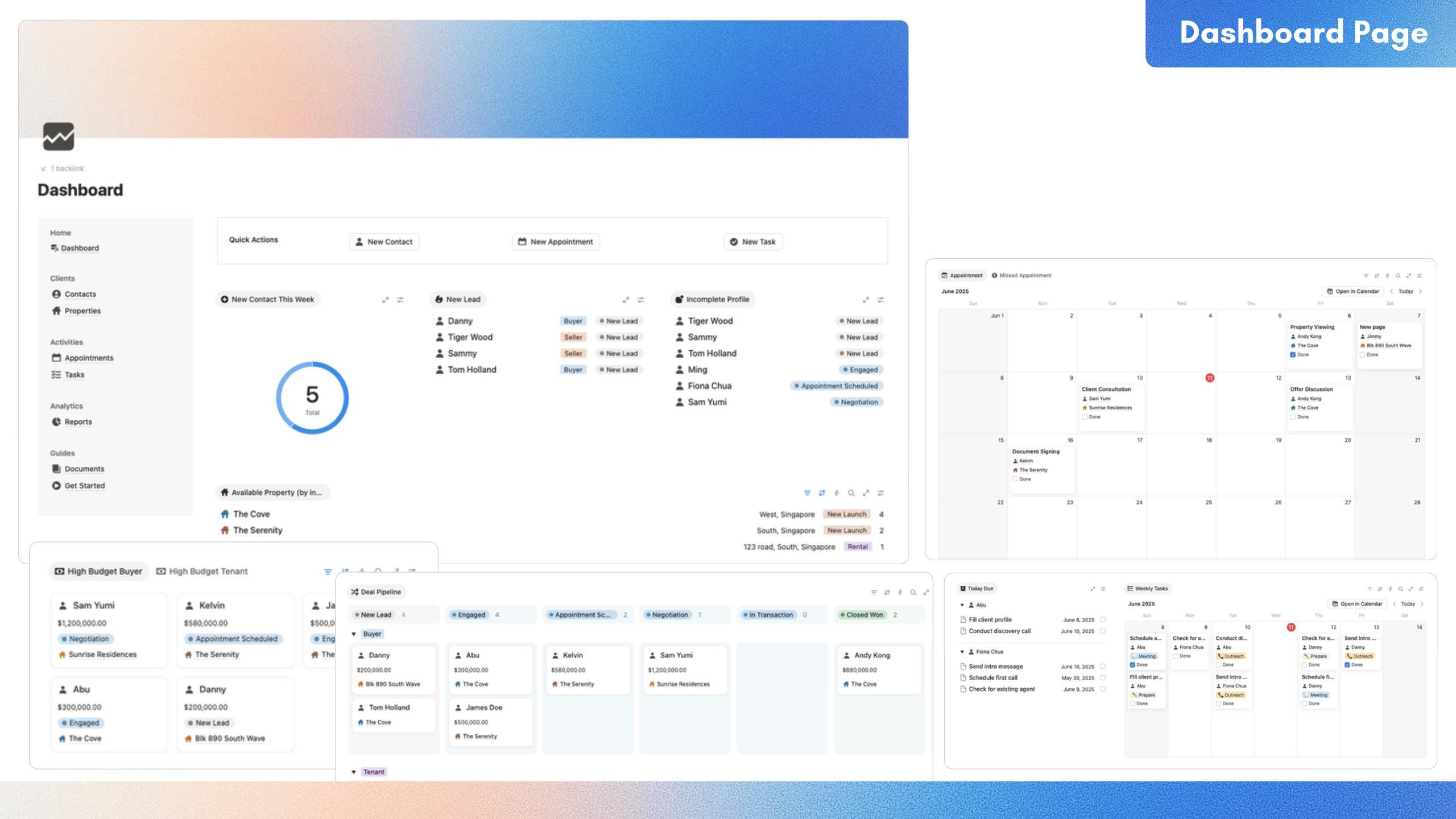
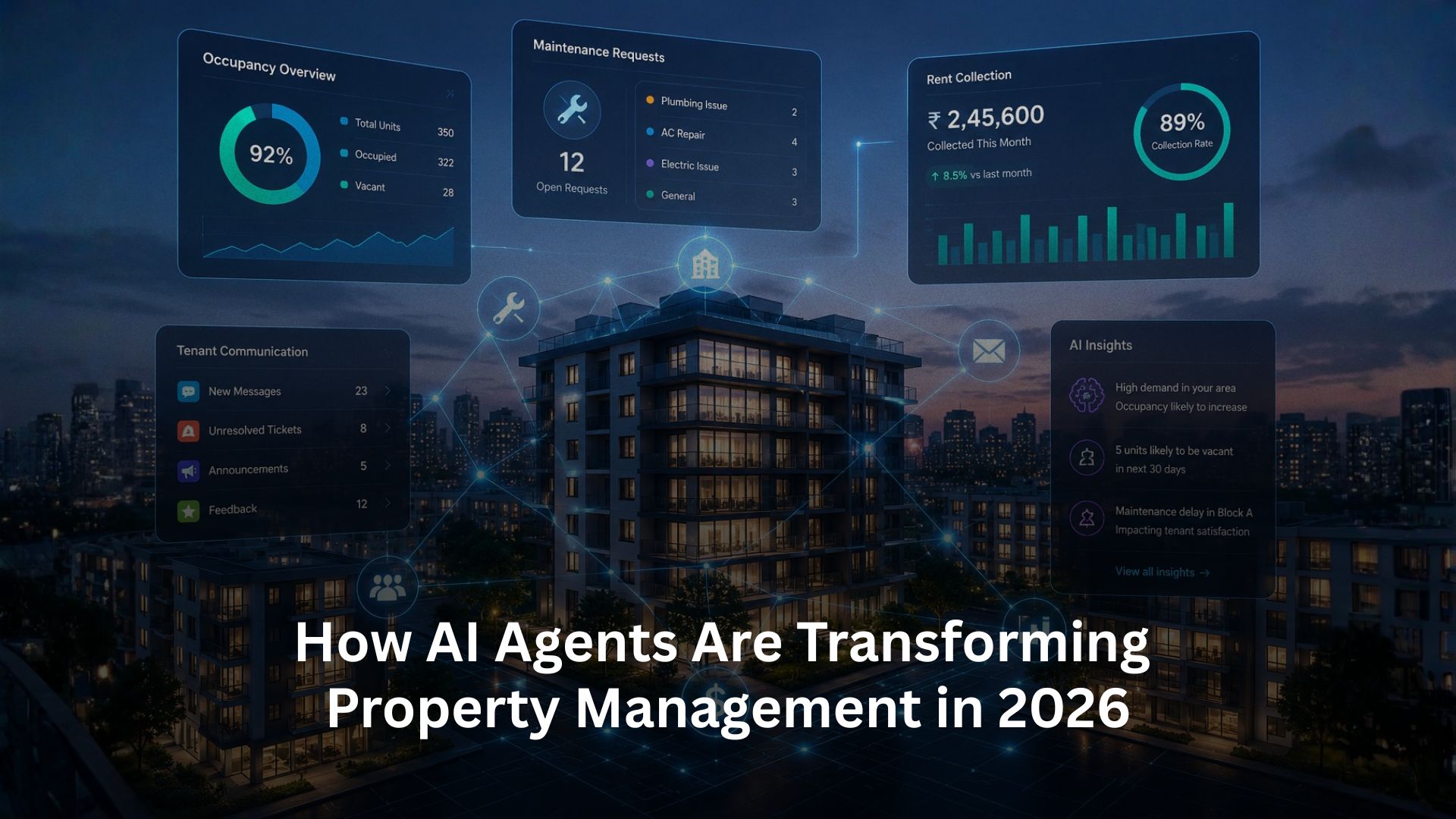
Agent Hub is a cloud-based CRM built on the Salesforce platform, designed to centralize residential property management, sales, and lettings into a single ecosystem. In 2026, it serves as a high-performance alternative to fragmented legacy systems by leveraging enterprise-grade automation, real-time data reporting, and seamless third-party integrations to streamline the entire property lifecycle.
Understanding the Salesforce Foundation of Agent Hub
To understand why Agent Hub differs from standard property management software, one must first understand its relationship with Salesforce. Most property CRMs are "closed-loop" systems, meaning the vendor controls every update, integration, and feature rollout. Agent Hub, however, is an application built directly on top of the Salesforce AppExchange.
By the current 2026 landscape, this distinction has become a primary driver for adoption among medium-to-large residential firms. Operating on Salesforce means residential property managers inherit world-class security protocols, 99.9% uptime, and the "Agentforce" AI capabilities that have become standard in enterprise software. Instead of waiting for a small dev team to build a new feature, Agent Hub users can utilize the broader Salesforce ecosystem to customize their workflows.
The technical depth of this platform allows for a "Single Source of Truth." For a residential manager, this means the data point for a tenant is the same data point used by the accounting team, the maintenance coordinator, and the marketing department. This eliminates data silos—the primary cause of administrative errors in high-volume property management.
Core Features for Modern Residential Property Management
Lead Management and Applicant Tracking
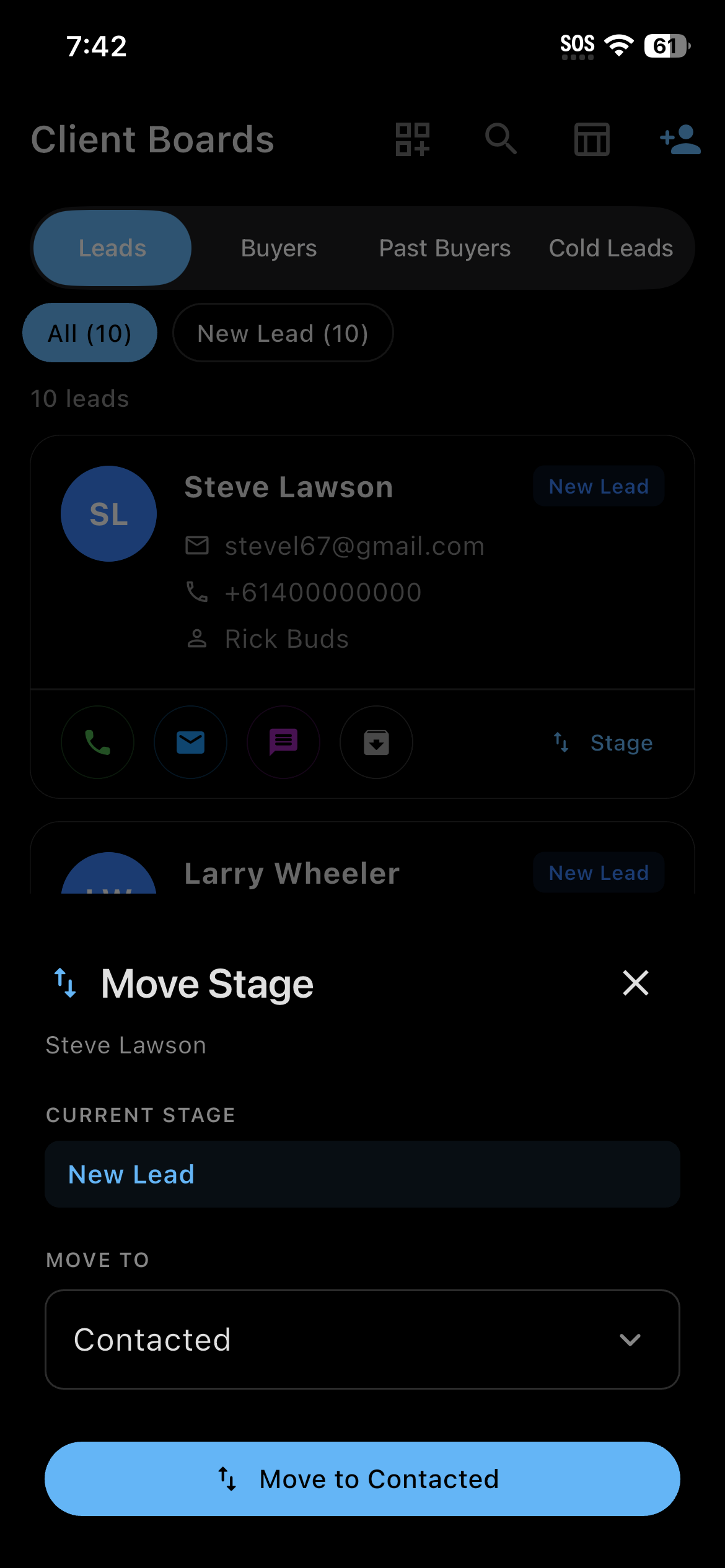
The journey of a residential property begins long before a lease is signed. Agent Hub provides a robust framework for capturing leads from portals such as Rightmove, Zoopla, and Zillow, or directly from a firm’s website. In 2026, the software uses advanced parsing to categorize applicants based on urgency, budget, and move-in dates.
For property managers, this means the "applicant-to-tenant" pipeline is visible at a glance. You can track which marketing channels are delivering the highest-quality leads and automate the initial follow-up. This automation ensures that no lead goes cold, which is vital in competitive rental markets where speed-to-response often determines occupancy rates.
Tenancy Management and Compliance
Managing a residential portfolio in 2026 requires strict adherence to evolving housing regulations, safety standards, and ESG (Environmental, Social, and Governance) reporting. Agent Hub automates the "compliance clock."
The system tracks:
- Safety Certificates: Automated alerts for expiring Gas Safety, EICR, and EPC certificates.
- Right to Rent: Digital verification storage for legal compliance.
- Deposit Protection: Integration with schemes to ensure deposits are registered and released within statutory timeframes.
Because the system is built on a relational database, these compliance documents are linked directly to the "Property Object." If a compliance document is missing or expired, the system can be configured to "lock" the tenancy progression, preventing a move-in until the property is legally fit for habitation.
Maintenance and Contractor Coordination
Maintenance is often the most friction-heavy part of residential management. Agent Hub provides a centralized portal where tenants can report issues, upload photos, and track the status of their requests.
For the property manager, this triggers a workflow that includes:
- Work Order Creation: Automatically generating a task with all property details.
- Contractor Assignment: Sending the job to a preferred contractor based on trade and location.
- Invoicing: Once the contractor marks the job as complete and uploads a photo of the repair, the system can automatically prepare the invoice for approval and link it to the landlord's statement.
Technical Specifications and Integration Capabilities
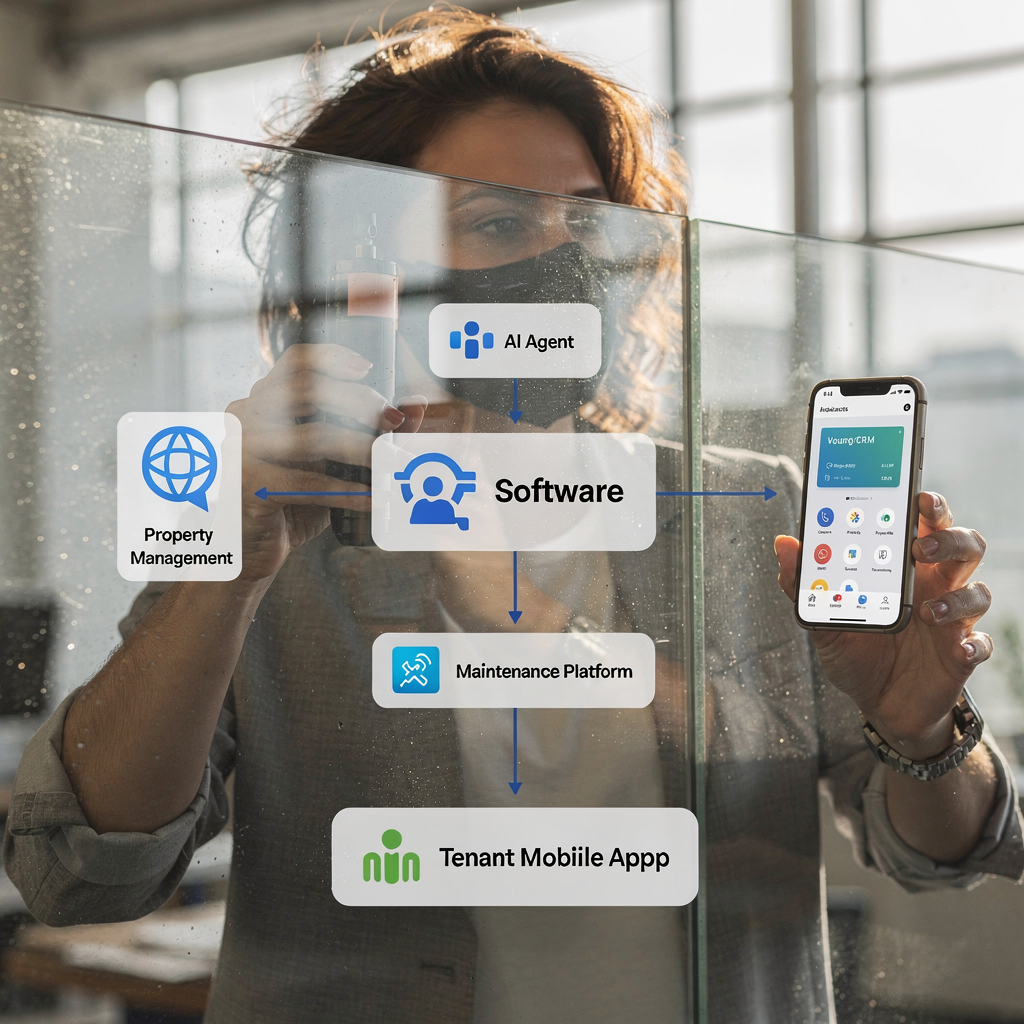
Agent Hub’s power lies in its interoperability. In 2026, property managers rarely use a single piece of software; they use a "tech stack." Agent Hub acts as the central nervous system for this stack.
Financial Integrations
While Agent Hub has internal ledger capabilities, it excels when integrated with dedicated accounting software like Xero, QuickBooks, or Sage. Through API connections, rent collection recorded in the CRM is mirrored in the accounting software, ensuring that "Client Money" accounts are always reconciled. This is particularly important for firms undergoing RICS or ARLA audits, where financial transparency is non-negotiable.
Communication Tools
The CRM integrates directly with Outlook and Gmail, ensuring that every email sent to a tenant or landlord is automatically logged against their record. In 2026, this also includes VOIP (Voice over IP) integrations, where phone calls are recorded and transcribed directly into the activity timeline, providing a comprehensive audit trail for dispute resolution.
The Role of Salesforce Flow
Residential property managers can use "Salesforce Flow"—a visual automation tool—within Agent Hub to create custom business processes without writing code. For example, a manager can design a flow that says: "When a tenant is 3 days late on rent, send a friendly SMS reminder, email the guarantor, and create a high-priority task for the accounts manager."
Comparing Agent Hub with Alternative Solutions
Choosing the right CRM requires a comparison of functionality, scalability, and cost. The following table highlights how Agent Hub compares to other types of property management software common in 2026.
| Feature | Agent Hub (Salesforce Based) | Traditional Proprietary CRM | Entry-Level SaaS |
|---|---|---|---|
| Customizability | Extremely High (No-code/Low-code) | Limited to Vendor Settings | Minimal |
| Security | Enterprise (Salesforce Shield) | Standard Vendor Security | Basic Encryption |
| Integration | Thousands of Apps via AppExchange | Limited Partner Integrations | Zapier Only |
| Reporting | Real-time Custom Dashboards | Pre-defined Reports | Basic Export to Excel |
| Scalability | Unlimited (Supports Global Firms) | Moderate (Limited by Server/API) | Low (Best for small portfolios) |
| AI Integration | Native (Agentforce / Einstein) | Third-party plugins required | Usually None |
The Transition Process: Onboarding and Data Migration
Moving from a legacy system to Agent Hub is a significant project that requires careful planning. As of 2026, the standard onboarding process for a residential firm involves four distinct phases:
- Discovery and Mapping: This is the most critical phase. Property managers must define their existing data structures—how they categorize "Leads," "Properties," and "Tenancies." These are mapped to the Salesforce objects.
- Data Cleansing: Before migration, old data must be scrubbed. Duplicate tenant records, expired contractor details, and outdated property notes are removed to ensure the new CRM remains "clean."
- Configuration: Agent Hub is tailored to the firm's specific brand. This includes setting up email templates, custom fields for specific property types (e.g., HMOs vs. single-family homes), and user permissions.
- Training and Adoption: Salesforce-based systems have a steeper learning curve than simple apps. In 2026, successful firms invest in "Super User" training, where a few staff members become internal experts to assist the wider team during the transition.
Common mistakes during this process include trying to replicate the "old way" of doing things exactly. The goal of moving to Agent Hub is to improve efficiency through automation, not just to move manual processes to a different screen.
Cost-Benefit Analysis for 2026
Agent Hub is generally positioned as a premium product. While the initial investment—consisting of license fees and implementation costs—is higher than entry-level tools, the long-term ROI (Return on Investment) comes from three areas:
- Operational Efficiency: By automating repetitive tasks like rent reminders and maintenance scheduling, a single property manager can often handle 20% to 30% more properties without a decrease in service quality.
- Reduced Attrition: Better communication and faster response times lead to higher tenant satisfaction. In the residential sector, reducing void periods by even a few days per year across a portfolio can cover the cost of the CRM.
- Data-Driven Growth: With advanced reporting, principals can identify exactly which areas of their business are most profitable and where costs are leaking, allowing for more strategic scaling.
Overcoming Common Operational Challenges
Despite its power, Agent Hub requires a disciplined approach to data entry. A common challenge property managers face is "data fatigue." If staff do not update the CRM in real-time, the automation triggers become inaccurate.
To combat this, residential managers should implement "Mandatory Field" requirements. For example, a "Tenancy" cannot be moved to "Active" status unless a valid tenancy agreement and move-in inventory have been uploaded. This ensures that the system’s data remains the "Gold Standard" for the organization.
Furthermore, firms must stay updated with Salesforce's seasonal releases. Three times a year, the underlying platform updates, often providing new tools for automation or security. Agent Hub users benefit from these updates automatically, but they must dedicate time to reviewing how these new features can further optimize their specific residential workflows.
Frequently Asked Questions
Is Agent Hub suitable for small portfolios?
While Agent Hub can be used for any portfolio size, its greatest value is realized by firms managing 100+ units or those with complex multi-department structures. Smaller landlords might find the vast array of Salesforce features overwhelming unless they plan for significant growth.
How does Agent Hub handle client money protection?
Agent Hub tracks all financial transactions and can be configured to follow strict client money protection (CMP) rules. By integrating with accounting software like Xero, it provides a transparent audit trail that distinguishes between rent held in trust, management fees, and maintenance reserves.
Can I use Agent Hub for both sales and lettings?
Yes. One of the primary advantages of Agent Hub is its "hybrid" nature. It allows a residential firm to manage a property from its initial sale to its first letting, and through subsequent management cycles, all within a single record.
Is my data safe if I stop using Agent Hub?
Because your data is stored on the Salesforce platform, you retain ownership of it. If you decide to leave the platform, you can export your data in standard formats (CSV, Excel). However, the custom automations and workflows built within the system would need to be recreated in a new environment.
Does Agent Hub support mobile property inspections?
Yes. Through the Salesforce mobile app or integrated third-party inspection tools, property managers can conduct site visits, take photos, and sync the inspection report directly to the property record in real-time while in the field.
Practical Recommendation for Residential Managers
For residential property managers looking to modernize in 2026, Agent Hub is a powerful choice, provided you are willing to embrace the "platform" mindset. Do not view it as a simple software purchase; view it as an infrastructure investment.
Before signing a contract, perform a comprehensive audit of your current "pain points." If your team spends more than 20% of their day on manual data entry or hunting for missing compliance documents, the automation capabilities of Agent Hub will provide immediate relief. Start with the core modules—Leads, Tenancies, and Maintenance—and gradually layer in more complex automations as your team becomes proficient with the Salesforce interface.