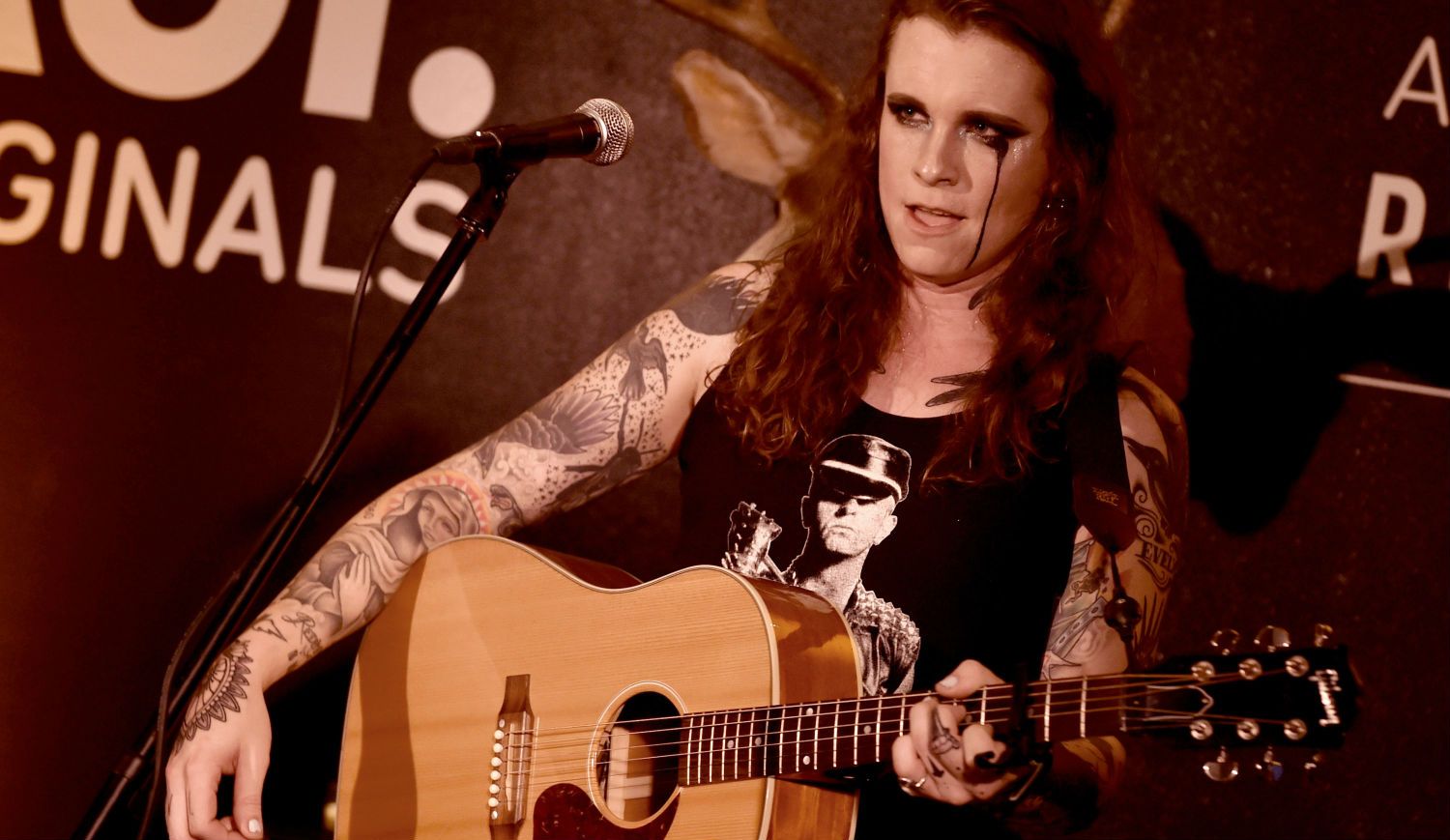
Laura Jane Grace’s public transition as the lead singer of the punk rock band Against Me! stands as one of the most prominent and culturally significant moments in modern rock history. When she came out as a transgender woman in 2012, it transformed not only her personal life and public profile but also injected conversations about gender identity directly into the traditionally hyper-masculine subculture of punk rock. Evaluating the before and after of Laura Jane Grace involves looking at her life, career, musical output, and physical presence through the lens of profound personal authenticity, creative evolution, and cultural impact.
The Genesis and Rise of Against Me!
To understand the scope of Laura Jane Grace’s transition, one must first examine the early era of Against Me! Formed in Gainesville, Florida, in 1997 as a solo acoustic project by Grace (performing under the birth name Tom Gabel), the act eventually expanded into a full-fledged punk band renowned for its ferocious energy, politically charged lyricism, and distinct blend of folk-punk and arena-ready rock anthems.
During the formative years and breakthrough successes of albums like Reinventing Axl Rose (2002), As the Eternal Cowboy (2003), and New Wave (2007), Grace occupied the archetype of a conventional male punk frontman. Yet, beneath the surface of aggressive tour schedules, critical acclaim, and major label deals with Sire Records, Grace was experiencing severe gender dysphoria.
In retrospective interviews, Grace has noted that her early songwriting was heavily laden with hidden expressions of gender dysphoria, identity fragmentation, and an overwhelming sense of alienation. Tracks from the band's catalog frequently explored themes of wearing masks, hiding one's true self, and feeling trapped within societal expectations of masculinity. Despite achieving commercial milestones and critical praise—including New Wave being named album of the year by Spin magazine in 2007—the internal distress surrounding her gender identity intensified.
The Turning Point: 2012 and the Public Coming Out
The pivotal moment of transformation occurred in May 2012, when Grace gave an interview to Rolling Stone magazine publicly coming out as a transgender woman and announcing her intention to transition. At the time, this level of visibility for a prominent frontperson in a mainstream rock band was virtually unprecedented.
The public reaction was a mixture of overwhelming support from fans and peers alongside the inevitable scrutiny of the media spotlight. In the immediate aftermath, Grace began hormone replacement therapy (HRT) and legal steps to change her name and gender marker.
| Phase | Key Milestone / Characteristic | Musical & Public Focus |
|---|---|---|
| Before (Pre-2012) | Formed Against Me!, released major records (e.g., New Wave, White Crosses), performed as Tom Gabel. | Aggressive punk aesthetics, hidden expressions of dysphoria in lyricism, navigating traditional frontman roles. |
| The Transition (2012) | Public coming out via Rolling Stone, adoption of the name Laura Jane Grace, beginning of HRT. | Media attention, navigating vulnerability, establishing open dialogue with the punk community. |
| After (Post-2012) | Release of Transgender Dysphoria Blues (2014), continuous activism, publishing memoirs. | Highly personal songwriting, advocacy for trans visibility, creative liberation and stability. |
This transitional period marked a sharp pivot in the band’s operational rhythm. Against Me! experienced lineup changes, most notably the departure of longtime drummer George Rebelo and bassist Andrew Seward at various points, though core collaborators like guitarist James Bowman remained. Grace channeled this turbulence, along with the emotional weight of her transition, directly into her art.
Musical Evolution: Transgender Dysphoria Blues and Beyond
The most tangible artistic manifestation of Grace’s transition is the 2014 studio album Transgender Dysphoria Blues. Self-released on her own label, Total Treble Music, the record stands as a landmark release in punk rock history.
Musically, the album retained the signature driving, melodic punk intensity that Against Me! was known for. Lyrically, however, it offered an unvarnished, visceral exploration of gender dysphoria, bodily alienation, and the social complexities of transitioning. Songs like "True Trans Soul Rebel" and the title track resonated deeply not only with the band’s existing fan base but also with a vast audience of LGBTQ+ individuals who finally saw their experiences reflected in heavy guitar-driven music.
| Album Era | Release Year | Primary Themes | Cultural Impact |
|---|---|---|---|
| New Wave | 2007 | Identity, political disillusionment, personal struggle | Mainstream breakthrough, critical acclaim for major-label debut. |
| Transgender Dysphoria Blues | 2014 | Gender dysphoria, transition, emotional survival | Critically lauded masterpiece; defined modern trans punk representation. |
| Shape Shift with Me | 2016 | Love, intimacy, the chaos of post-transition life | Explored the complexities of relationships and identity stability. |
Subsequent releases, such as Shape Shift with Me (2016) and Grace's solo work including Stay Alive (2020) and At War with the Silver Depths (2021), demonstrated a broader emotional palette. While the "before" era of her career was defined by subtext and coded metaphors of pain, the "after" era is characterized by directness, emotional clarity, and artistic autonomy.
Physical, Psychological, and Social Changes
Comparing Laura Jane Grace before and after her transition highlights profound shifts across multiple dimensions of her life:
1. Psychological Well-being
Before her transition, Grace has openly discussed battling severe depression, substance use, and the exhausting psychological toll of depersonalization. After beginning her transition and aligning her outward presentation with her internal identity, she reported a dramatic lifting of this existential fog, allowing for a more stable and grounded existence both on and off the stage.
2. Public Perception and Advocacy
In the "before" phase, Grace was viewed strictly through the lens of a traditional rock frontman. In the "after" phase, she evolved into a prominent cultural icon and activist. She used her platform to advocate for transgender rights, address healthcare inequalities, and demystify the transition process for cisgender audiences. This role was further solidified by the release of her 2016 memoir, Tranny: Confessions of Punk Rock's Most Infamous Anarchist Sellout (co-written with Dan Ozzi), which provided an unvarnished account of her life before and during her transition.
3. Fan Community and Safe Spaces
Against Me! shows underwent a noticeable cultural shift. Concert venues transformed into inclusive spaces where queer and transgender fans found physical safety and community solidarity. Grace frequently used her stage time to foster welcoming environments, challenging the historical exclusivity often found in punk subcultures.
Common Misconceptions About the Transition
When discussing public transitions of musicians, several misconceptions frequently arise that distort the reality of the process:
- The notion of an overnight change: Public figures often appear transformed due to media timelines, but transition is a gradual medical, legal, and social process involving patience, resilience, and ongoing medical care.
- The erasure of past work: Some assume that an artist disowns their past catalog. Grace has consistently embraced her earlier body of work, recognizing those songs as authentic expressions of her struggles at the time they were written.
- Commercial calculation: Cynical observers occasionally mischaracterize public coming-out announcements as marketing strategies. In reality, coming out as transgender in a historically hostile genre carries immense professional and personal risk, making authenticity the primary driver.
Practical Guidance for Navigating Gender Transition and Support
For readers inspired by Laura Jane Grace’s journey who may be navigating their own transitions or seeking to support loved ones, several established resources and steps provide a clear framework:
- Seek Affirming Healthcare: Consult with medical professionals specializing in transgender healthcare, hormone replacement therapy, and informed consent models. Organizations like the World Professional Association for Transgender Health (WPATH) provide clinical guidelines.
- Connect with Peer Support Groups: Local and digital community centers offer invaluable spaces for shared experiences, mentorship, and emotional backing during social and legal transition steps.
- Utilize Legal Resources: Research local guidelines for updating identification documents, name changes, and gender markers to ensure legal alignment with lived identity.
- Educate Friends and Family: Share credible educational materials from organizations such as GLAAD or the Human Rights Campaign to help support networks understand the nuances of gender identity.
Conclusion
The comparison of the "before and after" of Against Me! singer Laura Jane Grace is ultimately a story of reclamation and creative rebirth. By choosing vulnerability over concealment, Grace not only saved her own life but also redefined the boundaries of punk rock authenticity. Her journey demonstrates that true artistic and personal power emerges when an individual sheds societal expectations to live truthfully, leaving a lasting legacy in both modern music history and the broader fight for transgender visibility.